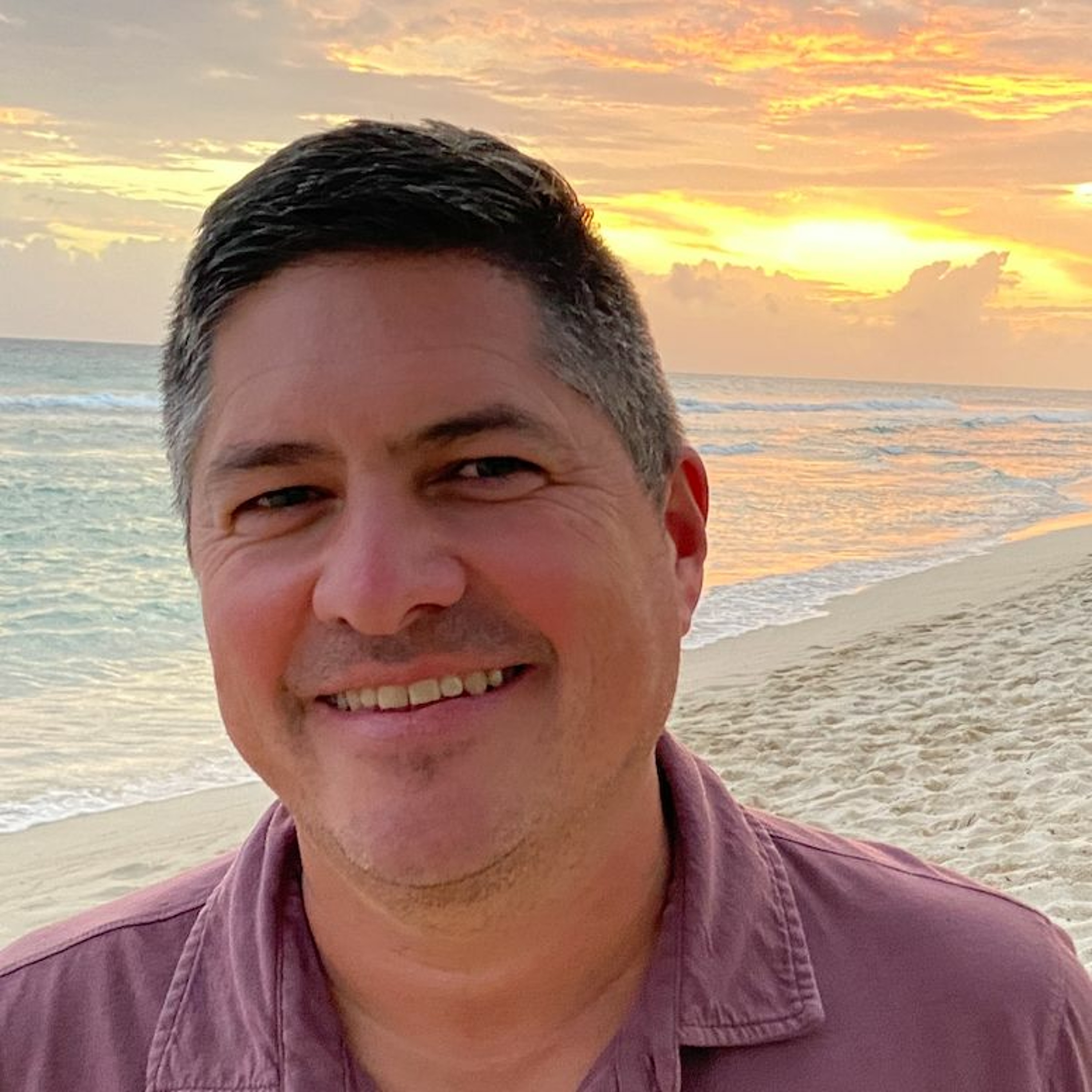
71. Fueled Collective Co-Founder Don Ball episode artwork

EPISODE · Sep 8, 2021 · 59 MIN

71. Fueled Collective Co-Founder Don Ball

from By All Means · host Twin Cities Business

The pandemic called into question everything that made coworking desirable: shared work areas, in-person networking. But industry pioneer Don Ball has seen work culture trends cycle more than once before. And indeed, demand for flexible workspaces is already swinging back. “Hybrid work opens an opportunity for coworking—it’s a professional office that’s not your home, and not your [company] HQ. If you have one close to where you live, I think what we’re going to see is suburban coworking…do really well.” The opportunity in 2021 is not unlike what inspired Ball to get into coworking more than a decade ago. A career freelancer, Ball recalls “going stir crazy” working by himself at home in the mid-1990s. He rented an office, just to get out of the house and remembers thinking: “What if I invited others to join me? It seemed like a goofy idea at the time.” Laptop computers and high-speed internet made it more feasible. In 2010, Ball and partner Kyle Coolbroth got a good deal on a vacant space in the Lowertown area of downtown St. Paul. They resisted turning it into separate office suites—the two weren’t interested in becoming landlords; they wanted to create a community for software engineers, freelancers, and business founders to connect and share ideas. So they invested in some Ikea furniture and opened CoCo, the Twin Cities’ first modern-day coworking community. Soon after, then-Minneapolis Mayor R.T. Rybak convinced them to open a second CoCo in the Grain Exchange Building. “There was a hunger for people to see what happening” in the startup community, Ball says. CoCo’s expansive space in the middle of downtown Minneapolis became that symbol of innovation. “It was the first time you could walk into one space see that it’s happening here.” But while Coco became a local success story, WeWork, which launched the same year, became an international sensation—right up until its failed IPO. Ball talks about doing business in WeWork’s shadow. “It was fantasy fueled by funny money. That was obvious to all of us in the business from day one,” Ball says. “They were acting like [real estate] was a software platform—like they could absorb all the costs of onboarding, and it would someday make money. It created downward price pressure…coworking as a business itself is okay, but it’s not great. It’s not going to make anyone rich. We were always looking for a twist.” In 2018, Ball and Coolbroth teamed up with Fueled Collective and set about franchising their coworking communities and turning them into modern conference centers that would keep the spaces activated beyond 9 to 5. Ball stepped away from day-to-day operations in 2019. He sits on the board of Fueled Collective, which downsized during the pandemic and now operates two Minneapolis spaces. There’s a third in Cincinnati. Today, Ball is back to freelancing, including a project related to regenerative agriculture, which isn’t as far afield as it sounds: the concept is to create shared growing space for crops and production space for small food producers. Coworking, for the ag industry. For more perspective on work culture, we go Back to the Classroom with the University of St. Thomas Opus College of Business where adjunct faculty member Rod Hagedorn teaches management. “Instead of trying to second guess where everything is headed, we should think in terms of drivers of change," Hagedorn says. "The pandemic taught all of us about the need for agility in terms of business operations.” And with a disruption in office work comes the opportunity to consider which activities are best done in person: “innovation, creative problem solving—two areas critical for our economy and even our national security. The best way to come up with innovative solutions is still the old-fashioned way: in the office, with colleagues. We need people around us to be able to sense what someone is feeling and see reactions that you can’t get on Zoom.”

The pandemic called into question everything that made coworking desirable: shared work areas, in-person networking. But industry pioneer Don Ball has seen work culture trends cycle more than once before. And indeed, demand for flexible workspaces is already swinging back. “Hybrid work opens an opportunity for coworking—it’s a professional office that’s not your home, and not your [company] HQ. If you have one close to where you live, I think what we’re going to see is suburban coworking…do really well.” The opportunity in 2021 is not unlike what inspired Ball to get into coworking more than a decade ago. A career freelancer, Ball recalls “going stir crazy” working by himself at home in the mid-1990s. He rented an office, just to get out of the house and remembers thinking: “What if I invited others to join me? It seemed like a goofy idea at the time.” Laptop computers and high-speed internet made it more feasible. In 2010, Ball and partner Kyle Coolbroth got a good deal on a vacant space in the Lowertown area of downtown St. Paul. They resisted turning it into separate office suites—the two weren’t interested in becoming landlords; they wanted to create a community for software engineers, freelancers, and business founders to connect and share ideas. So they invested in some Ikea furniture and opened CoCo, the Twin Cities’ first modern-day coworking community. Soon after, then-Minneapolis Mayor R.T. Rybak convinced them to open a second CoCo in the Grain Exchange Building. “There was a hunger for people to see what happening” in the startup community, Ball says. CoCo’s expansive space in the middle of downtown Minneapolis became that symbol of innovation. “It was the first time you could walk into one space see that it’s happening here.” But while Coco became a local success story, WeWork, which launched the same year, became an international sensation—right up until its failed IPO. Ball talks about doing business in WeWork’s shadow. “It was fantasy fueled by funny money. That was obvious to all of us in the business from day one,” Ball says. “They were acting like [real estate] was a software platform—like they could absorb all the costs of onboarding, and it would someday make money. It created downward price pressure…coworking as a business itself is okay, but it’s not great. It’s not going to make anyone rich. We were always looking for a twist.” In 2018, Ball and Coolbroth teamed up with Fueled Collective and set about franchising their coworking communities and turning them into modern conference centers that would keep the spaces activated beyond 9 to 5. Ball stepped away from day-to-day operations in 2019. He sits on the board of Fueled Collective, which downsized during the pandemic and now operates two Minneapolis spaces. There’s a third in Cincinnati. Today, Ball is back to freelancing, including a project related to regenerative agriculture, which isn’t as far afield as it sounds: the concept is to create shared growing space for crops and production space for small food producers. Coworking, for the ag industry. For more perspective on work culture, we go Back to the Classroom with the University of St. Thomas Opus College of Business where adjunct faculty member Rod Hagedorn teaches management. “Instead of trying to second guess where everything is headed, we should think in terms of drivers of change," Hagedorn says. "The pandemic taught all of us about the need for agility in terms of business operations.” And with a disruption in office work comes the opportunity to consider which activities are best done in person: “innovation, creative problem solving—two areas critical for our economy and even our national security. The best way to come up with innovative solutions is still the old-fashioned way: in the office, with colleagues. We need people around us to be able to sense what someone is feeling and see reactions that you can’t get on Zoom.”

NOW PLAYING

71. Fueled Collective Co-Founder Don Ball

0:00 59:21

No transcript for this episode yet

We transcribe on demand. Request one and we'll notify you when it's ready — usually under 10 minutes.

MG Show MG Show The MG Show, hosted by Jeffrey Pedersen and Shannon Townsend, is a leading alternative media platform dedicated to uncovering the truth behind today’s most pressing political issues. Launched in 2019, the show has grown exponentially, offering unfiltered insights, comprehensive research, and real-time analysis. With a commitment to independent journalism and factual integrity, the MG Show empowers its audience with knowledge and encourages active participation in the political discourse. French Your Way Jessica: Native French teacher founder of French Your Way Boost your French listening skills and test your comprehension with this one of a kind series of podcasts. Get the chance to listen to a real conversation between native speakers talking at normal speed AND customise your learning experience through carefully designed sets of questions (2 levels of difficulty) available for download at www.frenchvoicespodcast.com. All interviews also come with the transcript. French teacher Jessica interviews native speakers of French from around the world who share a bit of their life and passion. Where else would you meet in one same place a French yoga teacher based in Melbourne, a soap manufacturer from Provence, or a couple cycling around the world? That Hoarder: Overcome Compulsive Hoarding That Hoarder Hoarding disorder is stigmatised and people who hoard feel vast amounts of shame. This podcast began life as an audio diary, an anonymous outlet for somebody with this weird condition. That Hoarder speaks about her experiences living with compulsive hoarding, she interviews therapists, academics, researchers, children of hoarders, professional organisers and influencers, and she shares insight and tips for others with the problem. Listened to by people who hoard as well as those who love them and those who work with them, Overcome Compulsive Hoarding with That Hoarder aims to shatter the stigma, share the truth and speak openly and honestly to improve lives. Flottengeflüster ALD Automotive Österreich | LeasePlan Beim Flottengeflüster powered by ALD Automotive | LeasePlan präsentieren Jörg Janik und Peter Gutenbrunner alle zwei Wochen spannende Informationen rund um das Thema nachhaltige Mobilität. Beide beschäftigen sich schon lange mit der Thematik und bringen umfangreiches Fachwissen mit. Sollten sie aber doch einmal nicht weiter wissen, werden unsere Expert*innen hinzugezogen, die ihnen gerne mit Rat und Tat zur Seite stehen.

Frequently Asked Questions

How long is this episode of By All Means?

This episode is 59 minutes long.

When was this By All Means episode published?

This episode was published on September 8, 2021.

What is this episode about?

The pandemic called into question everything that made coworking desirable: shared work areas, in-person networking. But industry pioneer Don Ball has seen work culture trends cycle more than once before. And indeed, demand for flexible workspaces...

Can I download this By All Means episode?

Yes, you can download this episode by clicking the download button on the episode player, or subscribe to the podcast in your preferred podcast app for automatic downloads.
URL copied to clipboard!