
EPISODE · May 12, 2026 · 8 MIN
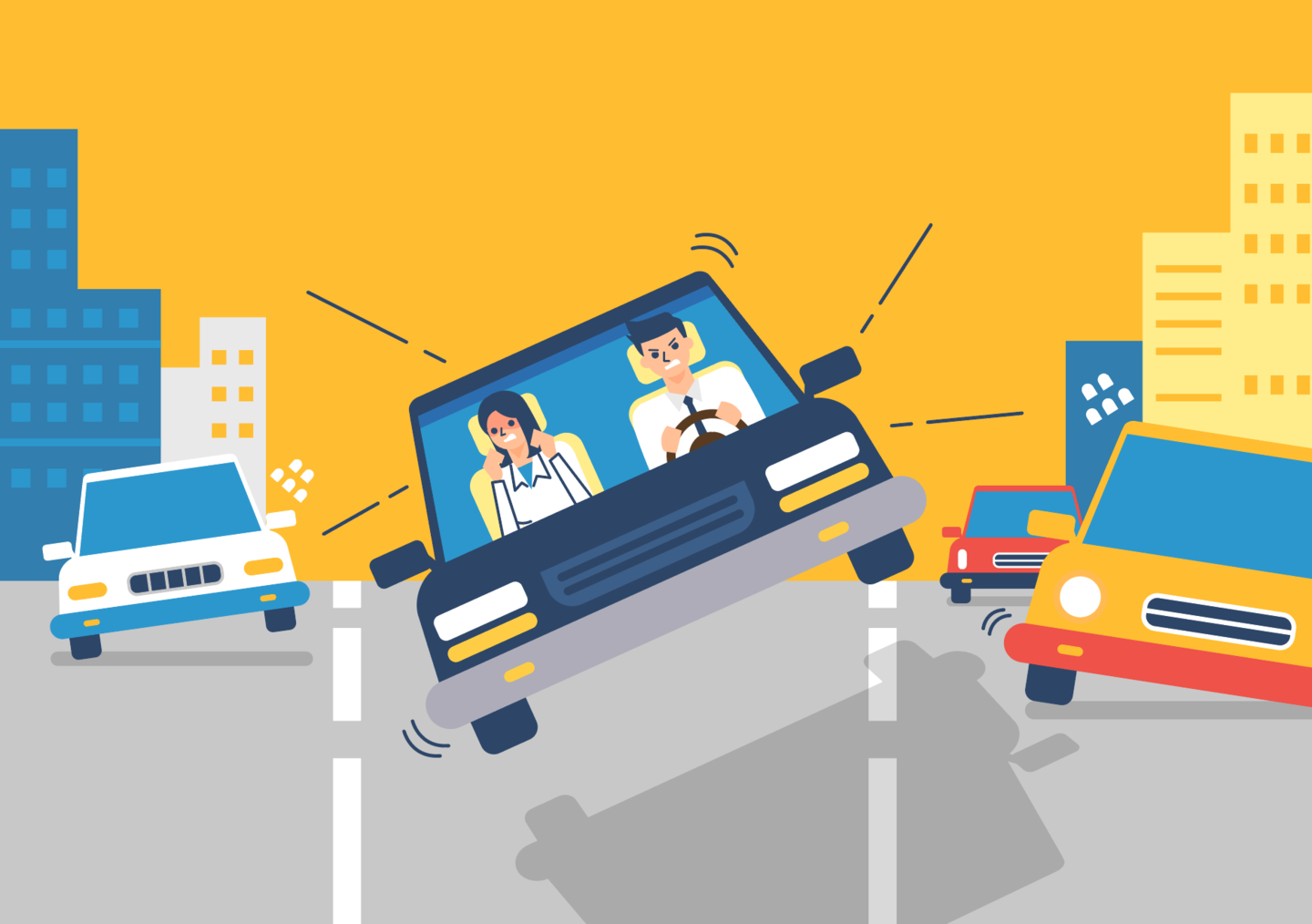
A nation of 'closet' drivers: Koreans get licenses in just 13 hours, then rarely get behind the wheel again
from Korea JoongAng Daily - Daily News from Korea · host CHO JUNG-WOO
This article is by Cho Jung-woo and read by an artificial voice. Just 13 hours. That is the total mandatory education period required to get a driver's license in Korea. Three hours of safety lessons for the written exam, four hours of closed-circuit functional test training and six hours of actual road driving. For aspiring drivers in Korea, the path to the steering wheel is often paved with promises of extreme speed, deeply embedded in the country's ppali ppali (quickly, quickly) culture. A quick search online reveals a plethora of game plans ranging from "How to get your license in three days" to driving schools aggressively promoting shortcut classes designed to breeze through the three-level examination process. "I got my license about a month after I registered at a driving school," said a university student who passed her test two years ago. While her timeline sounds fast by global standards, it would be considered relatively standard, or even slow, by her peers in Korea. The goal for many is not to become a proficient motorist but to become legally eligible to drive as quickly as possible. However, this efficiency comes at the cost of safety. With high accident rates and many license holders unable to drive without additional private lessons, the system often produces drivers who have the legal right to drive but lack the confidence and experience to safely take to the road. The cost of speed In Korea, anyone over the age of 18 is eligible to test for a standard driver's license. The legal threshold creates a seasonal rite where every winter, students who have just finished the College Scholastic Ability Test, or suneung, crowd driving schools to secure their permits before the university semester begins. The system is also open to foreigners, who can either exchange a license from their home country or start the process from scratch. Since 2019, Korea has restricted license issuance to registered foreigners residing in the country for at least three months. The mandate was a response to a surge in "license tourism," primarily by Chinese nationals who took advantage of Korea's quick testing to obtain a permit they could use back home. Currently, Korea maintains reciprocity agreements with some 130 countries, allowing for the mutual recognition of driving credentials. In 2015, more than 8,200 short-term visitors acquired Korean licenses. Last year, 31,203 foreign nationals tested for and acquired a license from scratch, accounting for roughly 4.3 percent of all new drivers, according to Korea Road Traffic Authority (KoRoad) data obtained by the Korea JoongAng Daily. To accommodate this demographic, the written exam — taken over 73,000 times by foreigners last year — is offered in English, Chinese and Vietnamese. The current laxity of the testing system is inextricably linked to a period of drastic deregulation. In 2011, under the Lee Myung-bak administration, the government simplified exams to reduce the financial burden and time commitment on residents. A Seoul resident surnamed Woo obtained his license during this window. "I got my license when the exam was at its easiest," he recalled. During that era, the "T-course" and "S-course" — notoriously difficult maneuvers involving perpendicular and curved driving — were scrapped. Woo was not even required to demonstrate parking. That skill was seen as a necessary hurdle for navigating the streets of Seoul, a city defined by relentless rush-hour congestion, steep parking ramps and a culture of aggressive lane-changing. Over a decade later, Woo is part of a growing demographic of jangnong, or "closet license" holders — those who possess a driver's permit but have not sat behind a wheel since their exam. Now, out of necessity, he is paying for private lessons just to learn the basics. "I'm having a hard time practicing how to park," he said. While the government "toughened" the exams in 2016 by revamping the closed-course functional test, experts argue the correction wa...
Embed this episode
NOW PLAYING
A nation of 'closet' drivers: Koreans get licenses in just 13 hours, then rarely get behind the wheel again
No transcript for this episode yet
Similar Episodes
No similar episodes found.
Similar Podcasts
No similar podcasts found.