Aging Muscle Follows Different Genetic Programs in Mice and Humans
from Aging-US Hosted by Aging Podcast
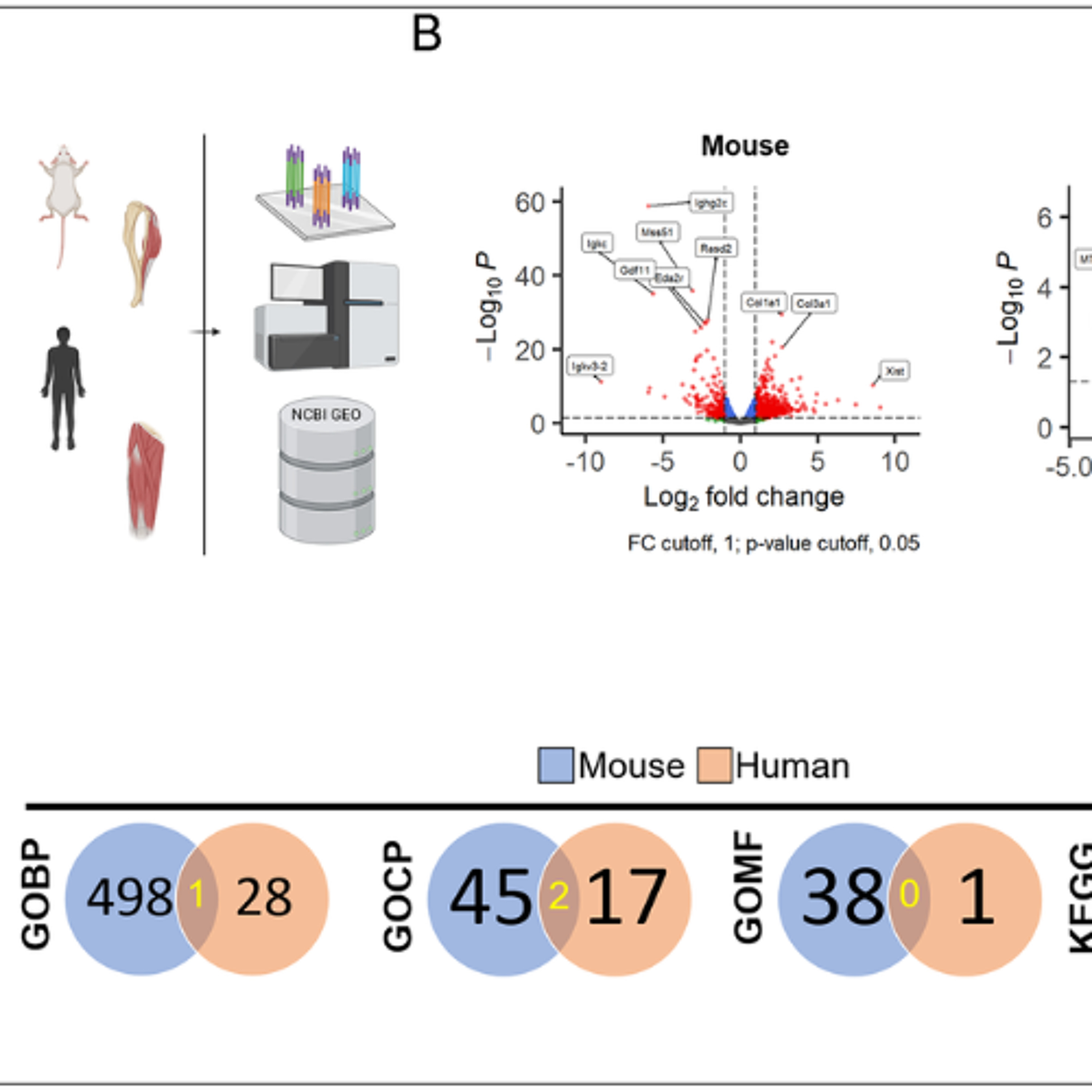
BUFFALO, NY — June 10, 2026 — A new #research paper was #published in Volume 18 of Aging on May 18, 2026, titled “Transcriptional programs diverge in aging mouse and human skeletal muscle.” The study was led by co-first authors Charles D. Hwang and Siti Rahmayanti and corresponding author Indranil Sinha from Brigham and Women’s Hospital, Harvard University. Aging is widely associated with the gradual loss of muscle mass, strength, and physical function. Much of what scientists know about these changes comes from studies in laboratory mice, which are frequently used to investigate the biological mechanisms of aging and to identify potential therapeutic targets. However, an important question remains: how closely do aging-related changes in mouse muscle reflect what actually occurs in humans? To address this question, researchers performed a detailed comparison of gene expression patterns in skeletal muscle from young and old mice and humans. The team analyzed RNA sequencing data from mouse gastrocnemius muscle and compared it with transcriptomic data from healthy young and older adults obtained through the National Institute on Aging’s GESTALT study. The results revealed substantial differences between the two species. Despite both mice and humans experiencing age-related muscle decline, fewer than 5% of significantly altered biological pathways were shared between them. Many of the genetic programs that changed with aging in mice showed little resemblance to those observed in human skeletal muscle. Full press release - https://aging-us.net/2026/06/10/aging-muscle-follows-different-genetic-programs-in-mice-and-humans/ DOI - https://doi.org/10.18632/aging.206382 Corresponding author - Indranil Sinha - [email protected] Abstract video - https://www.youtube.com/watch?v=CYKh4X1w8H0 Sign up for free Altmetric alerts about this article - https://aging.altmetric.com/details/email_updates?id=10.18632%2Faging.206382 Subscribe for free publication alerts from Aging - https://www.aging-us.com/subscribe-to-toc-alerts Keywords - hypoxia, angiogenesis, aging, skeletal muscle, regeneration To learn more about the journal, please visit https://www.Aging-US.com and connect with us on social media at: Bluesky - https://bsky.app/profile/aging-us.bsky.social ResearchGate - https://www.researchgate.net/journal/Aging-1945-4589 X - https://twitter.com/AgingJrnl Facebook - https://www.facebook.com/AgingUS/ Instagram - https://www.instagram.com/agingjrnl/ LinkedIn - https://www.linkedin.com/company/aging/ Reddit - https://www.reddit.com/user/AgingUS/ Pinterest - https://www.pinterest.com/AgingUS/ YouTube - https://www.youtube.com/@Aging-US Spotify - https://open.spotify.com/show/1X4HQQgegjReaf6Mozn6Mc [email protected]
Embed this episode
No transcript yet.