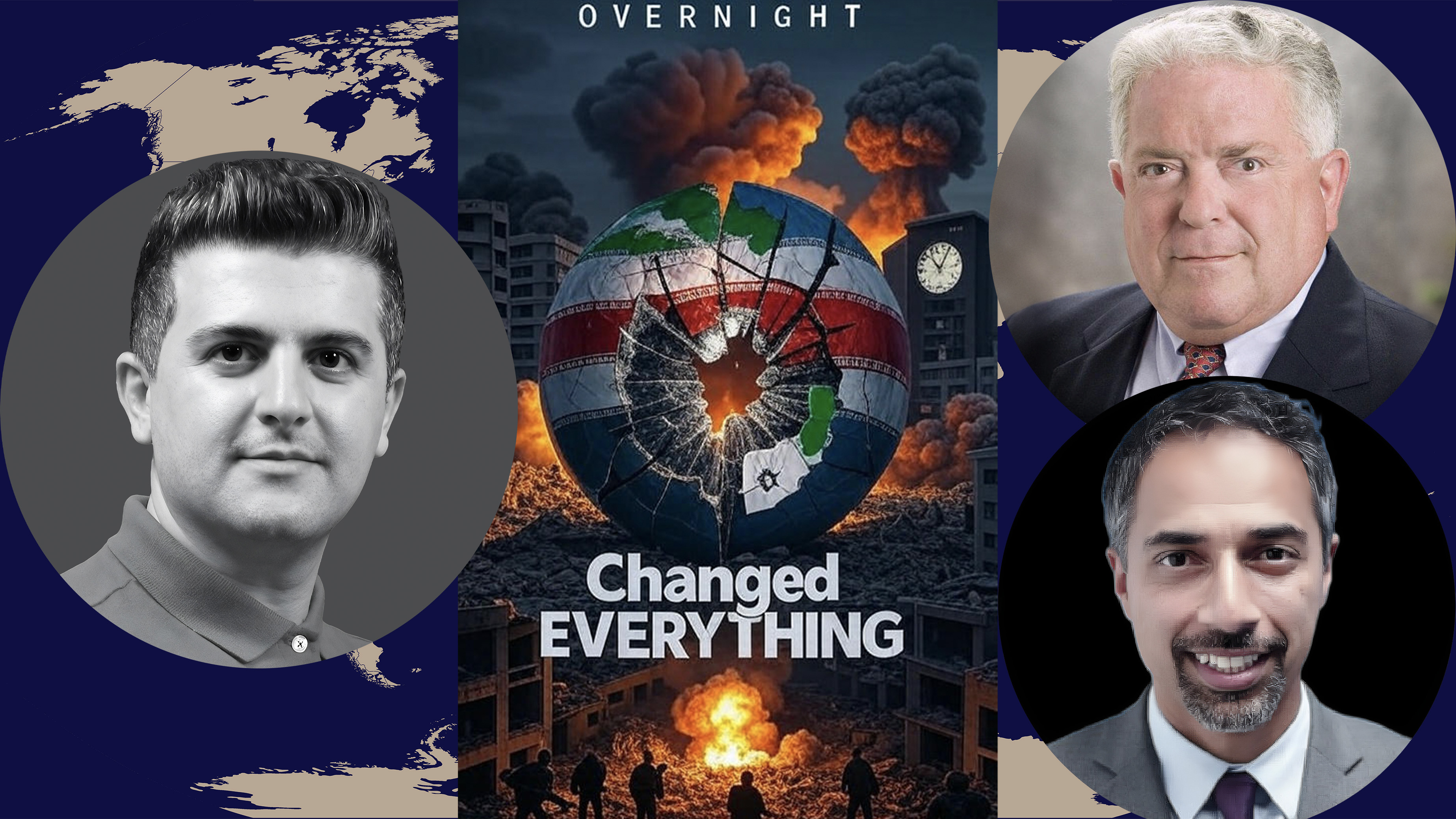
Amb. Chas Freeman & Trita Parsi: How the Iran-Israel War Changed EVERYTHING Overnight episode artwork

EPISODE · Jul 26, 2025 · 1H 5M

Amb. Chas Freeman & Trita Parsi: How the Iran-Israel War Changed EVERYTHING Overnight

from Dialogue Works

Nima Rostami Alkhorshid:Why did the latest talks between Steve Witkoff and Hamas fail, and why does the U.S. seem unwilling to accept Hamas’s requests for humanitarian aid in Gaza?Given Donald Trump’s statement that Hamas “wants to die,” do you see this as a genuine assessment or a justification for imposing surrender terms?Emmanuel Macron has announced intentions to recognize Palestine—do you believe this is a sincere move, and why delay it to September?Keir Starmer named Iran as a threat to the UK—do you understand why Iran would be considered a direct threat to Britain?With reports of an Israeli plan targeting Iran’s nuclear facilities, was the real objective regime change, and what might a new attack aim to achieve?Trita Parsi:The U.S. and Israel aren’t negotiating peace but imposing surrender terms. Hamas asked for food and medicine, which Israel rejected as part of a strategy to starve Gaza—Witkoff, aligned with Israel, walked out.Trump’s narrative mirrors Biden’s: blaming Hamas while ignoring that Israel often rejects deals. This reflects donor influence—like Miriam Adelson—and ideological Zionism within the administration.Macron’s recognition is symbolic. The real effort was a June conference delayed after Israel bombed Iran. France may be acting now due to rising Gaza starvation and domestic pressure to escape complicity.Iran is not a military threat to the UK. European views shifted due to Iran’s support for Russia in Ukraine, but direct threat claims are exaggerated—unless mismanagement pushes Iran toward nuclear weapons.The goal isn’t regime change but regime collapse—decapitation without responsibility. Israel wants to fragment Iran, create internal chaos, and achieve air dominance, similar to its strategies in Lebanon and Syria.Ambassador Chas Freeman:The U.S. negotiates with Israel about Palestinians, not with Palestinians themselves. The current approach is about imposing Israeli terms, not peace.Israel’s actions—starving Gaza, denying medical care—are part of a deliberate strategy. Their denials are fabrications, increasingly disbelieved globally.Recognition of Palestine is symbolic. Without Israeli consent, it changes nothing. By September, there may be few Palestinians left in Gaza to recognize.The idea that Iran threatens the UK is laughable. Britain overestimates its relevance. The real danger is that U.S.-Israeli actions are pushing Iran toward nuclear weapons for self-deterrence.Israel seeks not regime change but regime removal—chaos and fragmentation. They failed to decapitate Iran’s leadership, but will likely try again. Iran is resilient and will respond hard, risking a far worse conflict. Hosted on Acast. See acast.com/privacy for more information.

Nima Rostami Alkhorshid:Why did the latest talks between Steve Witkoff and Hamas fail, and why does the U.S. seem unwilling to accept Hamas’s requests for humanitarian aid in Gaza?Given Donald Trump’s statement that Hamas “wants to die,” do you see this as a genuine assessment or a justification for imposing surrender terms?Emmanuel Macron has announced intentions to recognize Palestine—do you believe this is a sincere move, and why delay it to September?Keir Starmer named Iran as a threat to the UK—do you understand why Iran would be considered a direct threat to Britain?With reports of an Israeli plan targeting Iran’s nuclear facilities, was the real objective regime change, and what might a new attack aim to achieve?Trita Parsi:The U.S. and Israel aren’t negotiating peace but imposing surrender terms. Hamas asked for food and medicine, which Israel rejected as part of a strategy to starve Gaza—Witkoff, aligned with Israel, walked out.Trump’s narrative mirrors Biden’s: blaming Hamas while ignoring that Israel often rejects deals. This reflects donor influence—like Miriam Adelson—and ideological Zionism within the administration.Macron’s recognition is symbolic. The real effort was a June conference delayed after Israel bombed Iran. France may be acting now due to rising Gaza starvation and domestic pressure to escape complicity.Iran is not a military threat to the UK. European views shifted due to Iran’s support for Russia in Ukraine, but direct threat claims are exaggerated—unless mismanagement pushes Iran toward nuclear weapons.The goal isn’t regime change but regime collapse—decapitation without responsibility. Israel wants to fragment Iran, create internal chaos, and achieve air dominance, similar to its strategies in Lebanon and Syria.Ambassador Chas Freeman:The U.S. negotiates with Israel about Palestinians, not with Palestinians themselves. The current approach is about imposing Israeli terms, not peace.Israel’s actions—starving Gaza, denying medical care—are part of a deliberate strategy. Their denials are fabrications, increasingly disbelieved globally.Recognition of Palestine is symbolic. Without Israeli consent, it changes nothing. By September, there may be few Palestinians left in Gaza to recognize.The idea that Iran threatens the UK is laughable. Britain overestimates its relevance. The real danger is that U.S.-Israeli actions are pushing Iran toward nuclear weapons for self-deterrence.Israel seeks not regime change but regime removal—chaos and fragmentation. They failed to decapitate Iran’s leadership, but will likely try again. Iran is resilient and will respond hard, risking a far worse conflict. Hosted on Acast. See acast.com/privacy for more information.

NOW PLAYING

Amb. Chas Freeman & Trita Parsi: How the Iran-Israel War Changed EVERYTHING Overnight

0:00 1:05:55

No transcript for this episode yet

We transcribe on demand. Request one and we'll notify you when it's ready — usually under 10 minutes.

Dragnet Entertainment Radio The Dragnet radio show was a groundbreaking and influential police procedural drama that ran on NBC from 1949 to 1957. Here are some key things to know about it:Main Features:Focus: The show followed the cases of Sergeant Joe Friday and his partners, primarily in the Los Angeles Police Department. It depicted the real-life work of detectives, including the tedious investigation process, interviews, stakeouts, and occasional danger.Realism: Jack Webb, the show's creator and star, aimed for authenticity. Episodes were often based on real cases, with details changed to protect the innocent. The dialogue was direct and unvarnished, mimicking the way police officers actually spoke.Famous Intro: The show's opening sequence is iconic: the announcer's voice declaring "This is the city... Los Angeles... California..." followed by the signature "dun-dun-DUN" theme music.Impact:Pioneering Police Procedural: Dragnet is considered a pioneer of What Works? Sophie Scott, UCL PALS Prof Sophie Scott, Director of the Institute of Cognitive Neuroscience at University College London, discusses life and science and careers with her colleagues from the Division of Psychology and Language Sciences at UCL, and beyond. The aim of the show is to highlight some amazing scientists, and explore their journeys through science and life, and find out what works for them. Growth Triggers Luis Diaz Discover how to use your podcast to generate leads, sales, and influence in any market.On this show Luis shares his best tested and proven secrets, tips, and strategies from launching over 300 podcasts in over a dozen different niches and generating over 59 Million Downloads for his clients.Learn how to increase your podcast listenership, create multiple new revenue streams with your podcast, sell more of your core offer and build a show that gives you leverage and authority in your space. From picking the right monetization strategy for your podcast to learning how to position your podcast in a crowded market on Apple and Spotify; this is show is the ultimate marketing and sales resource for online business owners who want to know what works with podcasting.Get in touch over on Instagram <a target="_blank" rel="noopener noreferrer nofollow" class="link" href="https://www.instagram.com/luisr SPADE: The Podcast Paul Anthony Henderson Jr SPADE: The Podcast stands as a beacon of hope and understanding, addressing critical mental health challenges within the African American community. SPADE (Suicide, Post-Traumatic Stress Disorder, Anxiety, Depression, and Epilepsy) seeks to shine a light on topics often stigmatized and misunderstood. Our mission is to break the silence surrounding these issues, encouraging open dialogue and fostering a culture of support and education. By providing meaningful resources and sharing powerful stories, we aim to empower individuals to confront these challenges head-on and build pathways toward healing. Mental health is a crucial but often overlooked subject in the African American community. It’s time to dismantle the barriers of shame and stigma, ensuring everyone feels safe to speak their truth and seek the help they need. This podcast is more than just a platform—it’s a movement to spark change, spread awareness, and inspire action within families, friendships, and communities.

Frequently Asked Questions

How long is this episode of Dialogue Works?

This episode is 1 hour and 5 minutes long.

When was this Dialogue Works episode published?

This episode was published on July 26, 2025.

What is this episode about?

Nima Rostami Alkhorshid:Why did the latest talks between Steve Witkoff and Hamas fail, and why does the U.S. seem unwilling to accept Hamas’s requests for humanitarian aid in Gaza?Given Donald Trump’s statement that Hamas “wants to die,” do you see...

Can I download this Dialogue Works episode?

Yes, you can download this episode by clicking the download button on the episode player, or subscribe to the podcast in your preferred podcast app for automatic downloads.
URL copied to clipboard!