Anillos de Einstein, lentes gravitacionales y materia oscura. Hablamos con José María Diego Rodríguez. episode artwork

EPISODE · May 8, 2023 · 49 MIN

Anillos de Einstein, lentes gravitacionales y materia oscura. Hablamos con José María Diego Rodríguez.

from Cienciaes.com

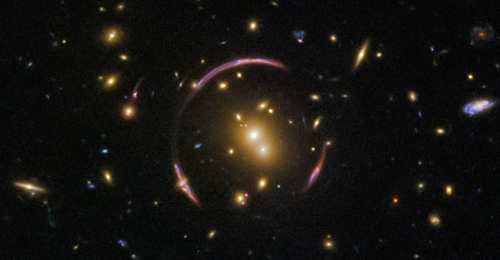
Nuestros más grandes telescopios tienen un alcance limitado cuando observan el Universo más alejado de nosotros y, a su vez, más cercano al Big Bang. No obstante, en ciertas ocasiones, la suerte hace que una galaxia lejana curve la radiación de un objeto mucho más alejado que ella y la concentre hacia nosotros como se fuera la lente de un inmenso telescopio. Estas fortuitas alineaciones, conocidas como lentes gravitatorias o gravitacionales, suelen proporcionar imágenes distorsionadas de objetos que, de otra manera, sería imposible observar. Cuando la distorsión del objeto lejano toma forma de anillo se conoce como "Anillo de Einstein". Esas imágenes proporcionan información de la materia visible, pero, según las teorías más aceptadas, la mayor parte de la materia nadie sabe de qué está compuesta ni se ha podido detectar, a pesar de ser siete veces más abundante que la materia ordinaria. Es lo que se conoce como materia oscura. Un artículo, publicado en Nature Astronomy, estudia anillos de Einstein modulados por materia oscura a partir del estudio de tres imágenes de un mismo objeto producidas por una lente gravitatoria. El trabajo ha sido realizado por un extenso grupo de investigadores entre los que figura José María Diego, investigador del CSIC en el instituto de física de Cantabria. Más información en https://cienciaes.com

NOW PLAYING

Anillos de Einstein, lentes gravitacionales y materia oscura. Hablamos con José María Diego Rodríguez.

0:00 49:33

No transcript for this episode yet

We transcribe on demand. Request one and we'll notify you when it's ready — usually under 10 minutes.

No similar episodes found.

The Protocol CoinDesk Dive deep into the blockchain realm with The Protocol Podcast, where we unravel the intricate technologies powering cryptocurrencies like Bitcoin and Ethereum. Join us on a journey through the labyrinthine layers of blockchain innovation, as tech-savvy developers sculpt the future of finance and the decentralized web. Led by CoinDesk's adept journalists, we dissect the freshest news and project revelations, demystifying the mechanics and significance of it all for those hungry to grasp the inner workings of this dynamic and rapidly evolving industry.Meet your hosts: Brad Keoun, Sam Kessler, and Margaux Nijkerk…and tune in, techies! Rich and Weekly Wondery We’re fascinated with the lives of both the famous and the infamous. From the Kardashians and Kendrick to Britney and the Bravo-verse, RICH AND WEEKLY is your dose of the hottest and latest celebrity news. Brooke Siffrinn and Aricia Skidmore-Williams, hosts of the hit series Even the Rich and Even the Royals, spill the tea, dish the dirt, and tell you exactly what they think. New episodes drop every Thursday.Listen to Rich and Weekly on the Wondery App or wherever you get your podcasts. You can listen to all episodes ad-free on Wondery+. Join Wondery+ in the Wondery App, Apple Podcasts or Spotify. Start your free trial by visiting wondery.com/links/rich-and-weekly/ now. CoinDesk Reports CoinDesk Podcasts featuring news, illuminating discussion and insightful commentary from the editorial team at CoinDesk.com. Crypto Talks from CoinDesk CoinDesk We're talking to experts in the crypto and blockchain space about the future of the industry. You'll hear from economists, entrepreneurs, developers and other speakers from Consensus events.

Frequently Asked Questions

How long is this episode of Cienciaes.com?

This episode is 49 minutes long.

When was this Cienciaes.com episode published?

This episode was published on May 8, 2023.

What is this episode about?

Nuestros más grandes telescopios tienen un alcance limitado cuando observan el Universo más alejado de nosotros y, a su vez, más cercano al Big Bang. No obstante, en ciertas ocasiones, la suerte hace que una galaxia lejana curve la radiación de un...

Can I download this Cienciaes.com episode?

Yes, you can download this episode by clicking the download button on the episode player, or subscribe to the podcast in your preferred podcast app for automatic downloads.
URL copied to clipboard!