
EPISODE · Mar 11, 2026 · 54 MIN
Architecture Beyond 2030
from Reframe · host Pilotlight
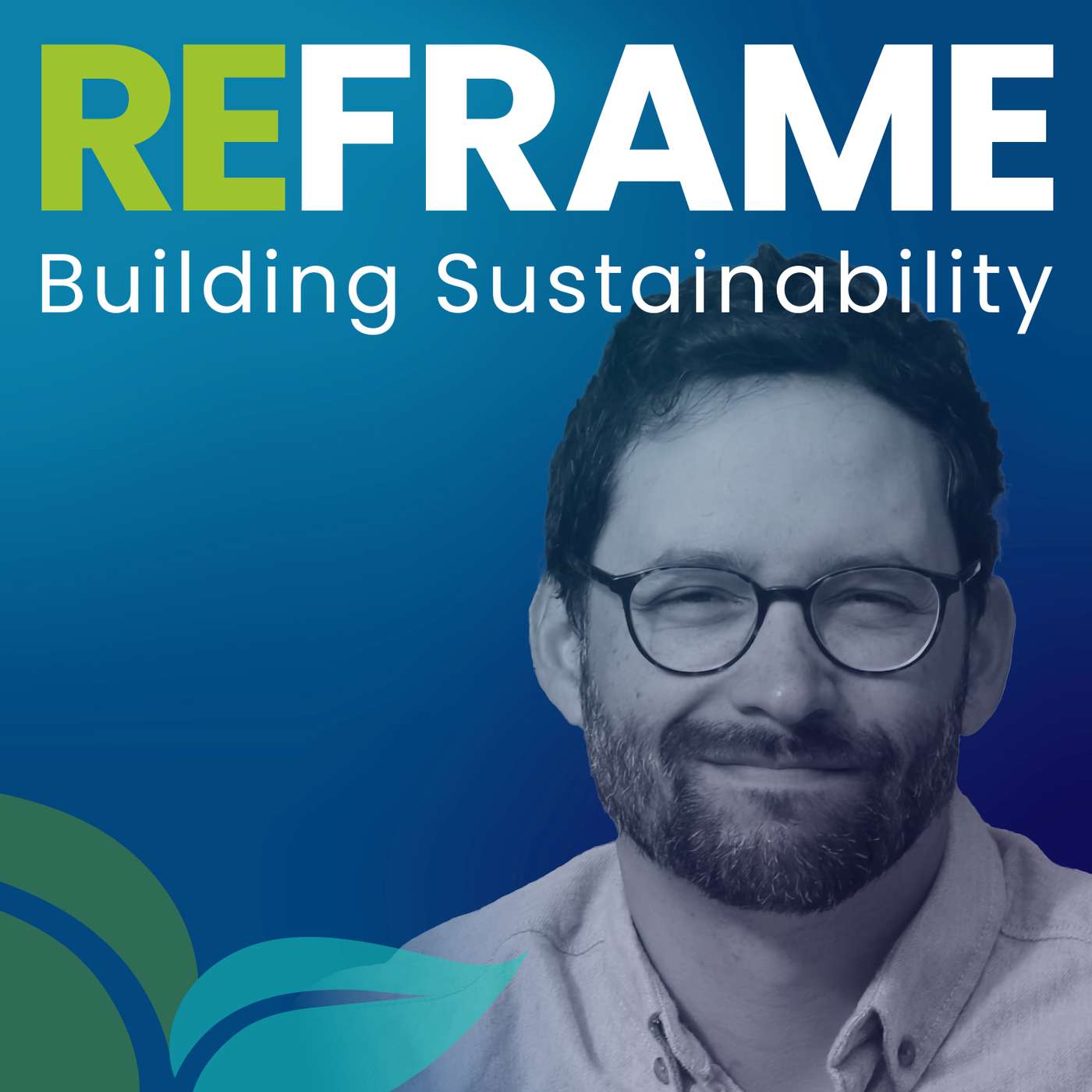
With Vincent Martinez. Host Jeff Nichols sits down with Vincent Martinez, CEO of Architecture 2030, whose nearly 20-year tenure at the nonprofit mirrors the evolution of the climate conversation itself—from energy efficiency and green building certifications to the more urgent, specific mandate of full decarbonization. It's a masterclass in the long arc of climate progress in architecture and the built environment. Architecture 2030 was founded in the mid 2000’s by architect and author Edward Mazria, who discovered that building operations accounted for over 40% of U.S. annual emissions—the first time that figure had ever been publicly framed. As Vincent explains, Mazria was re-examining his passive solar work from the 1970’s when he traced emissions projections back to NASA data and found the trajectory disturbingly on target. The organization’s landmark initiative—the 2030 Challenge—sets a clear target: new buildings and major renovations should eliminate fossil-fuel energy use by 2030 through highly efficient design and renewable-powered electrification, thereby eliminating fossil-fuel emissions from building operations.One of the episode's most compelling takeaways is Vincent's defense of measurable progress. Despite widespread pessimism about climate inaction, the Architecture 2030 numbers tell a different story:"We have added to our building stock over the last 20 years... the equivalent of 44 cities the size of Chicago, and we have actually lowered energy consumption by 8% and reduced emissions by over 30%."According to Vincent, this significant achievement is the result of better building codes, efficiency-minded designers, and a rapidly decarbonizing electricity grid powered by wind and solar.Vince is candid about what the data can't yet show. While operating emissions have improved, embodied carbon—the emissions locked into building materials such as concrete, steel, and aluminum—remains poorly measured and underaddressed. Crucially, he points out that the same volumes of these materials go into infrastructure (roads, bridges, tunnels) as into buildings, yet the conversation has barely begun there.For existing buildings, the magic wand would be eliminating on-site fossil fuel combustion: swapping gas furnaces and water heaters for electric heat pumps. But at scale, this requires smart intervention points—particularly at the time of sale, when financing is available, and renovation is already underway.One of the episode's most thought-provoking insights is Vince’s distinction between efficiency and sufficiency. Efficiency asks: how do we get more from what we use? Sufficiency asks: how can we reduce energy demand and require less in the first place? He illustrates this with a design firm in Arizona that persuaded a client to adopt a passive design approach by leaving a courtyard atrium open to the elements rather than glass-enclosed and air-conditioned, achieving the same quality of space with a fraction of the energy and materials. Vincent provides examples that spur both hope and urgency. Progress is real, but incomplete. To succeed beyond the objectives of The 2030 Challenge, the levers that worked for new buildings must now be applied to the vast existing stock, to infrastructure, and to the deeper cultural and design shifts toward reducing energy demand. His call to action is clear: get involved in policy, not just projects. Design with sufficiency in mind. And treat every building transaction, renovation, or system replacement as a climate intervention point. The 2030 deadline is not an abstraction—it's four years away. While the 2030 Challenge has produced impressive results, the next decisions matter now.The Reframe podcast is hosted by Jeff Nichols and presented by Pilotlight. If you have questions or feedback for the Reframe team, please email us: [email protected]
What this episode covers
With Vincent Martinez. Host Jeff Nichols sits down with Vincent Martinez, CEO of Architecture 2030, whose nearly 20-year tenure at the nonprofit mirrors the evolution of the climate conversation itself—from energy efficiency and green building certifications to the more urgent, specific mandate of full decarbonization. It's a masterclass in the long arc of climate progress in architecture and the built environment. Architecture 2030 was founded in the mid 2000’s by architect and author Edward Mazria, who discovered that building operations accounted for over 40% of U.S. annual emissions—the first time that figure had ever been publicly framed. As Vincent explains, Mazria was re-examining his passive solar work from the 1970’s when he traced emissions projections back to NASA data and found the trajectory disturbingly on target. The organization’s landmark initiative—the 2030 Challenge—sets a clear target: new buildings and major renovations should eliminate fossil-fuel energy use by 2030 through highly efficient design and renewable-powered electrification, thereby eliminating fossil-fuel emissions from building operations.One of the episode's most compelling takeaways is Vincent's defense of measurable progress. Despite widespread pessimism about climate inaction, the Architecture 2030 numbers tell a different story:"We have added to our building stock over the last 20 years... the equivalent of 44 cities the size of Chicago, and we have actually lowered energy consumption by 8% and reduced emissions by over 30%."According to Vincent, this significant achievement is the result of better building codes, efficiency-minded designers, and a rapidly decarbonizing electricity grid powered by wind and solar.Vince is candid about what the data can't yet show. While operating emissions have improved, embodied carbon—the emissions locked into building materials such as concrete, steel, and aluminum—remains poorly measured and underaddressed. Crucially, he points out that the same volumes of these materials go into infrastructure (roads, bridges, tunnels) as into buildings, yet the conversation has barely begun there.For existing buildings, the magic wand would be eliminating on-site fossil fuel combustion: swapping gas furnaces and water heaters for electric heat pumps. But at scale, this requires smart intervention points—particularly at the time of sale, when financing is available, and renovation is already underway.One of the episode's most thought-provoking insights is Vince’s distinction between efficiency and sufficiency. Efficiency asks: how do we get more from what we use? Sufficiency asks: how can we reduce energy demand and require less in the first place? He illustrates this with a design firm in Arizona that persuaded a client to adopt a passive design approach by leaving a courtyard atrium open to the elements rather than glass-enclosed and air-conditioned, achieving the same quality of space with a fraction of the energy and materials. Vincent provides examples that spur both hope and urgency. Progress is real, but incomplete. To succeed beyond the objectives of The 2030 Challenge, the levers that worked for new buildings must now be applied to the vast existing stock, to infrastructure, and to the deeper cultural and design shifts toward reducing energy demand. His call to action is clear: get involved in policy, not just projects. Design with sufficiency in mind. And treat every building transaction, renovation, or system replacement as a climate intervention point. The 2030 deadline is not an abstraction—it's four years away. While the 2030 Challenge has produced impressive results, the next decisions matter now.The Reframe podcast is hosted by Jeff Nichols and presented by Pilotlight. If you have questions or feedback for the Reframe team, please email us: [email protected]
NOW PLAYING
Architecture Beyond 2030
No transcript for this episode yet