
EPISODE · Jun 17, 2026 · 3 MIN
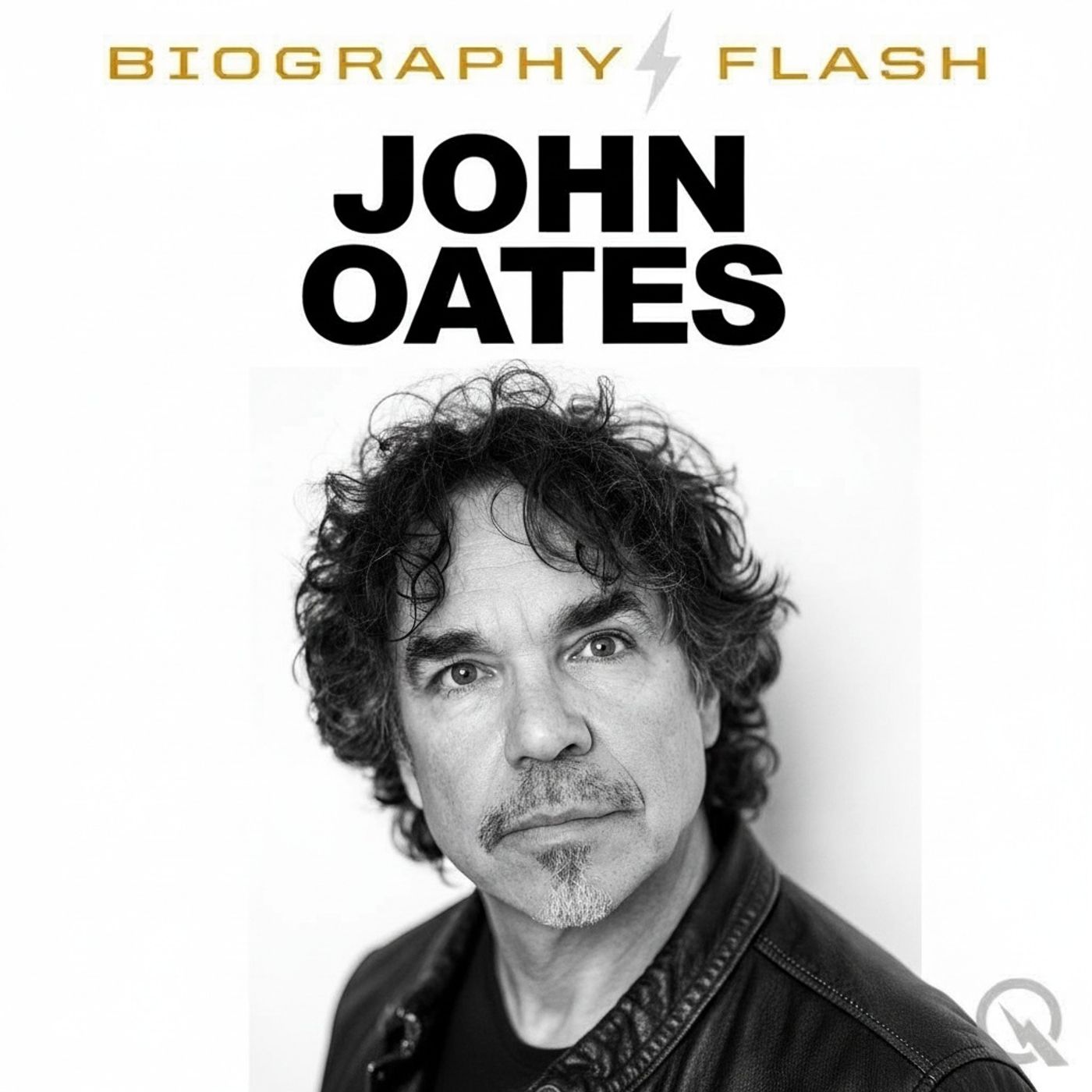
Biography Flash John Oates Legacy Lives On as Hall and Oates Catalog Dominates Social Media
from John Oates - Biography Flash · host Inception Point AI
John Oates Biography Flash a weekly Biography. John Oates has had a relatively quiet few days publicly, but a few ripples in the culture show how firmly his legacy is still embedded in the present tense of pop history. On social media, the Hall and Oates catalog continues to surface in short-form video and nostalgia content, keeping Oates’s work in daily circulation with younger audiences. TikTok creators have been using classic tracks like Rich Girl and other Hall and Oates hits as soundtracks for everything from relationship skits to lifestyle clips, effectively turning Oates’s 70s and 80s work into background music for 2020s internet life. While these are not personally posted by Oates, they are significant: they reinforce his long-term biographical identity as one half of a duo that simply will not fade from the algorithmic rotation. Instagram nostalgia accounts and music-history posts over the past few days have highlighted Hall and Oates as defining figures of early 80s soft rock and synthpop, calling out songs like I Cant Go For That No Can Do, Maneater, and You Make My Dreams as era-defining singles and crediting the duo with dominating that period of pop radio. These posts frame John Oates as a co-architect of that sound, emphasizing how his songwriting, guitar work, harmonies, and image helped shape a key chapter of mainstream American pop. That kind of framing matters biographically, because for decades Oates has publicly pushed back on the one dimensional narrative that painted him as merely the guy with the mustache standing next to Daryl Hall. A recent Facebook essay circulating again in fan circles revisits that very tension, noting how critics once treated Hall as the sole genius and Oates as decorative support. The fact that this narrative is still being argued over underscores Oates’s ongoing project in interviews and in his memoir to reclaim his full creative credit. In terms of fresh, verifiable hard news, there have been no major announcements in the last twenty four hours from his official channels regarding new solo albums, tours, or major business ventures, and no credible outlets are reporting new legal or financial developments linked directly to Oates during this window. Any rumors you may see on fan forums about surprise Hall and Oates reunions, secret sessions, or new joint deals should be treated as speculation unless and until confirmed by Oates himself, Daryl Hall, or a reputable music news outlet. In other words, the past few days for John Oates are less about new headlines and more about the ongoing echo of a career that keeps resurfacing in posts, playlists, and debates over who really did what in one of the most successful duos in pop history. That steady cultural presence is slow-burn biographical significance: even on a quiet news day, the songs keep playing, the stories keep being retold, and John Oates’s role keeps being reconsidered and reclaimed. Thank you for listening, and be sure to subscribe so you never miss an update on John Oates, and search the term Biography Flash for more great biographies. Thanks for listening. This has been a Quiet Please production. Get the best deals https://amzn.to/3ODvOta
Embed this episode
NOW PLAYING
Biography Flash John Oates Legacy Lives On as Hall and Oates Catalog Dominates Social Media
No transcript for this episode yet
Similar Episodes
No similar episodes found.
Similar Podcasts
No similar podcasts found.