
EPISODE · Jun 10, 2025 · 12 MIN
Bitachon in the Desert: Trusting Hashem in Daily Portions BeHaalotecha
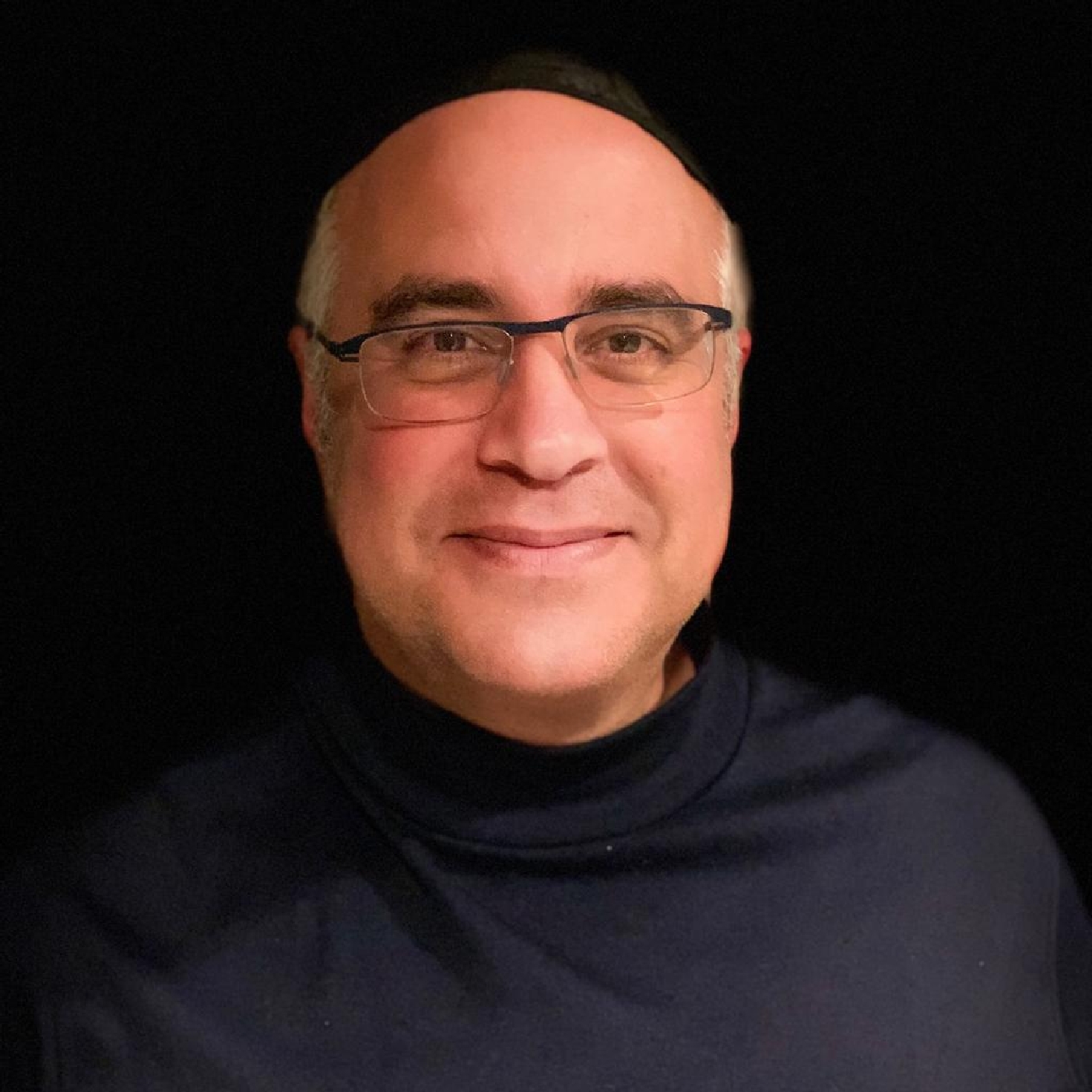
from Parsha with Rabbi David Bibi · host david bibi
Bitachonin the Desert: Trusting Hashem in Daily Portions When I first started working for my dad,it was at a fiscally difficult time. His partner and cousin elected to bebought out which created a huge financial burden, there were big loancommitments and a new and very expensive showroom. My dad would hand me a paper on Mondaymorning with an amount. This is what we need to deposit by Friday to cover theweek. It was a way to focus and keep things moving. Years later when all the commitments andthe loans were paid, he would still remind me every week of something whichstays with me today: “Don’t worry about making enough for theyear. Worry about making enough for the week. Because if you ask Hashem tocarry you through the whole year, you’ll forget to come back to Him tomorrow.But if you ask for this week, you’ll come back next week. And the week after.And every day, you’ll be in a relationship with Him.” He’d also tell us about the king withtwo sons. One came once a year for his allowance. The other came every week.The second son complained. “Why do I have to keep coming each week while mybrother only comes once a year? Why can’t you just give me everything at once?” And the king smiled and said: “Because Ilove you. I want to see you. I want to hear your voice. Spending time with yougives me great pleasure. So I only give you enough for a little while—because Iwant you to come back.” That’s bitachon. Trust. Not just in theoutcome—but in the relationship. In Parshat Beha’alotecha, we read aboutthe manna—the miraculous bread that fell from heaven. Our Sages teach thatreading this portion is a segulah for parnassah, for sustenance. But the Mishnah Berurah warns us:reading the words without internalizing their meaning is like carrying a checkwithout depositing it. The manna teaches us that hishtadlut—oureffort—is a vessel, but it is not the source. As Shlomo HaMelech writes inKohelet: “לא לחכמים לחם”—“Bread does not come tothe wise.” Rabbi Asher Weiss explains that theportion of the manna reminds us our sustenance is ordained from Above. On RoshHashanah, it is decreed precisely how much each person will earn for the year.Our job is to do the necessary hishtadlus to create a vessel to containHashem's blessing, while recognizing all along that it is not our effort thatbrings success but Hashem's blessing alone. Some years back I wrote of a Shabbatafter season in Florida. I sat with some of the wealthiest men in our communityand they all started sharing their stories. To a man, they all testified, itwas not their brains, not their strategy, not even their hard work and longhours which brought them wealth, it was in every case a convergence ofcoincidences that could only be orchestrated by Heaven above. Rabbi Elimelech Biderman, quoting theTiferet Shmuel, finds this message in the menorah, which opens this week'sparashah. All seven lamps received the same amount of oil. But the “nermaaravi”—the western lamp—burned longer. Why? Because Hashem willed it so.Hishtadlus isn’t the decisive factor. The menorah itself teaches that whenHashem desires, the same oil lasts longer. “המֲַרבֶּה לֹא הַעַדִיף וְהַמֲעִיט לֹאהְחַסִיר” (Shemot 16:18) No matter how much manna they gathered,they returned home to find that it exactly suited the needs of their family.Rabbi Asher Weiss draws from this that effort alone does not determine results.Hashem provides according to what is destined for each of us. This is one of the most radical truthsof Torah: You don’t control outcomes. You only control your vessel—your trust,your awareness, your faith. The Talmud in Yoma 76a explains: Why didthe manna fall daily, not weekly or monthly? To teach Am Yisrael to rely onHashem every single day. A person who has no food for tomorrow will cry out toHeaven with sincerity. And the Midrash Tanchuma says the same:“So that Israel’s hearts would turn toward their Father in Heaven every day.” Rabbi Biderman shares another mashal:the older a fish, a snake, or a chazir grows, the stronger it becomes, eventhough they eat almost nothing. To teach us: “Man does not live on breadalone...” The Zohar in Beshalach (62a) revealsthat the manna flowed through the sephirot into Olam HaBeri’ah. The NoamElimelech quotes R' Zusha: the question “What will we eat?” damages thechannel. Rabbi Asher Weiss echoes this idea, teaching that even the questionitself reflects a lack of bitachon and creates a blockage in the channelsthrough which blessing flows. Faith, on the other hand, keeps the pipelineopen. The story is told of R’ Zusha, whotouched a door and walked away. Rabbi Asher Weiss recounts this story as anexample of how true bitachon diminishes the need for hishtadlus. According toone's level of trust, the vessel need not be larger than a light tap. Rabbi Biderman adds a story of a wealthyman who refused to interrupt his lunch for a business deal. Why? Because thegoal of parnassah was to enjoy peace, not to chase more wealth. The Baal Shem Tov: Perfect bitachonnullifies even heavenly decrees. The Chazon Ish: Trust cannot guaranteespecific outcomes. Sometimes judgment must run its course. Rabbi Asher Weiss clarifies: The two arenot contradictory. When one aligns fully with Hashem's will, as Rav ChaimVolozhiner explains, nothing can harm him—not because of his will, but becauseof the merger with Divine will. **Stories to Carry With You** 📖 *The Baal Shem Tov and the BitachonTrade* The Baal Shem Tov once met a destituteman who said, “I sold my only possession—my bitachon.” When asked what hemeant, the man explained, “I gave everything over to Hashem. I no longer worry,because I trust completely that He will provide.” That same day, he wasmiraculously repaid in silver and gold. To the Baal Shem Tov, it was a livingproof that complete surrender to Hashem's will does not leave one empty—itfills one with blessing. 📖 *R’ Aharon of Karlin and the Storm* R’ Aharon of Karlin was once travelingwith his students when they were caught in a violent storm. The wind howled,the rain came down in sheets, and the wagon threatened to overturn. Panicspread among his followers. But R’ Aharon simply began singing aloud, “Ein OdMilvado—There is nothing but Him.” As the words filled the air, the storm beganto quiet. Within minutes, the winds died down. The students watched in awe asthe world returned to calm—not by meteorological pattern, but by spiritualintervention born of bitachon. 📖 *Rav Eliezer Pressman and theInheritance* Rav Eliezer Pressman zt'l was agreat talmid chacham from Bnei Brak. One day, his rebbetzin received a callfrom the U.S. Embassy. Reb Eliezer had been left a large inheritance, and onlyneeded to come to Tel Aviv to sign. But he refused. He feared the environmentof Tel Aviv would compromise his standards of modesty and shemiras einayim. His rebbetzin politely asked if someonefrom the embassy could come to Bnei Brak. They laughed. A few days later,another call: a delegation of U.S. senators wanted to meet a 'veryreligious Jew.' Could her husband be available? She agreed—so long as itwas bein hasedarim. The ambassador came, along with the senators—and thedocuments. Rav Eliezer signed at home. As they left, an embassy official said,“Even if you were the president’s son, we would not have done this for you.We’ve never done this before.” But Heaven had. 📖 *And my father’s story, where webegan...* He used to say: “Ask Hashem for enoughto get through this week. Not more. If you ask for the year, you won’t comeback until next year.” And he told us: The King gives each sonhis stipend. But the son He loves, He only gives enough for a week. Because Hewants him to come back. To talk. To look Him in the eye. To reconnect. Bitachon isn’t a trick to get what youwant. It’s a life of closeness to Hashem. One breath. One prayer. One portion ofmanna. The Toldos Yaakov Yosef, quoting theRambam, writes: If we had perfect bitachon, we’d be fed from Heaven. As RabbiAsher Weiss reminds us: The more we cultivate trust, the more blessing we canreceive. May we never be satisfied with askingfor enough for the year. May we come back each day—to speak, to ask, to thank.May our daily “manna”—our health, our income, our peace—arrive withoutblockage. And may we trust, not because we know the outcome—but because we knowthe One Who holds it. Shabbat Shalom, David Bibi
Embed this episode
Ready to play
Bitachon in the Desert: Trusting Hashem in Daily Portions BeHaalotecha
No transcript for this episode yet
Similar Episodes
No similar episodes found.
Similar Podcasts
No similar podcasts found.