
PODCAST · religion
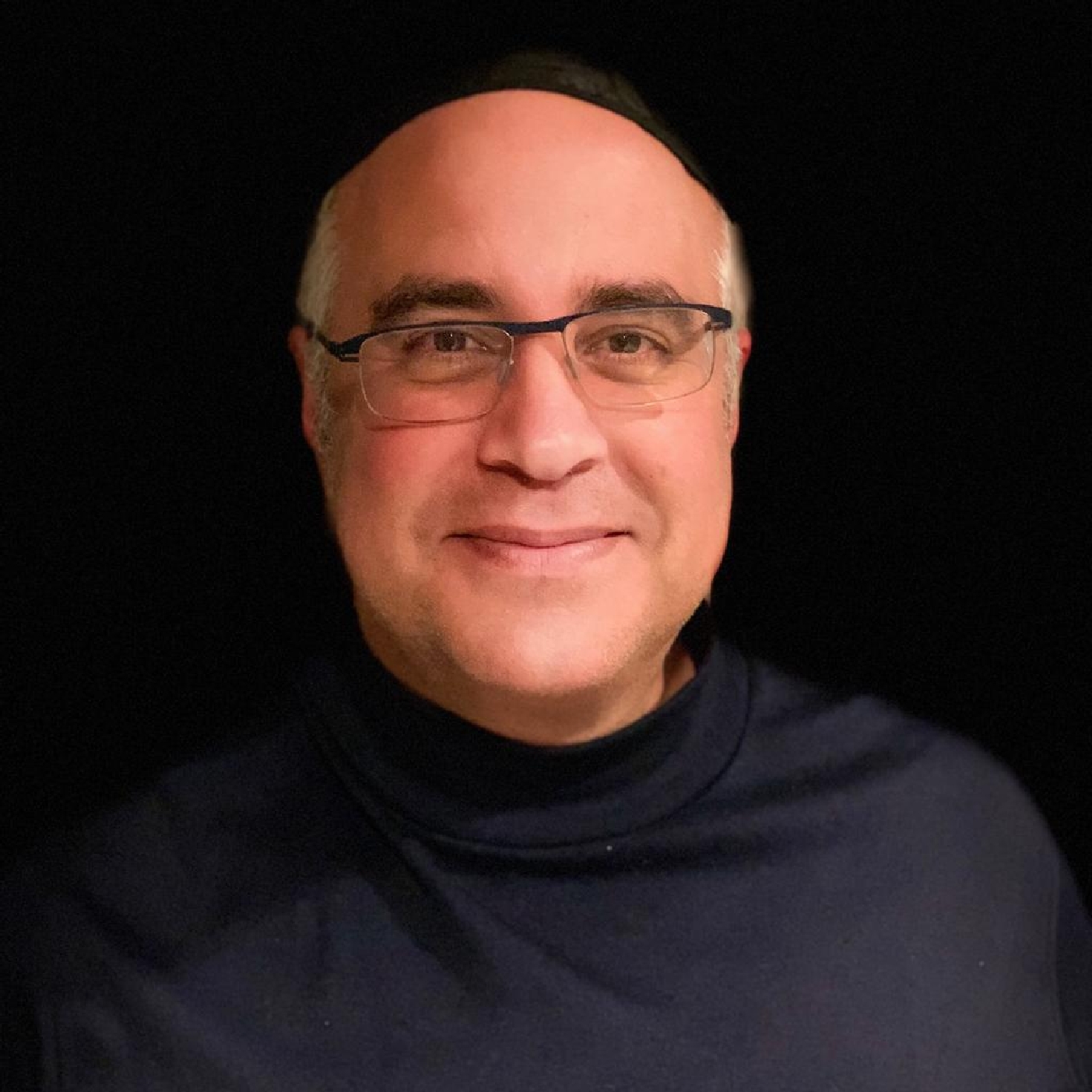
Parsha with Rabbi David Bibi
by JewishPodcasts.fm
Join as we explore the weekly parasha from a Kabbalistic perspective and attempt to simplify the secrets of the Torah
-
701
When the Excuses Run Out - Ha’azinu, Rabbi Elazar ben Dordaya, and the Courage of Teshuvah
When the Excuses Run Out We all have explanations for why we are the way we are. It was our parents. It wasthe home we grew up in. It was our environment, our circumstances, our personality, perhaps even our DNA. And sometimes those explanations areabsolutely true. But somewhere between understanding where we came from anddeciding where we are going, explanation can quietly become excuse. In thismorning’s Breakfast and a Class, as we prepare for Rosh Hashanah through theopening words of Ha’azinu, we meet one of the most unlikely heroes of teshuvahin the entire Talmud: Rabbi Elazar ben Dordaya. He first turns to the mountains, then Heaven and Earth, then the sun and moon, andfinally the stars, begging each of them to help him. Until suddenly there isnowhere else to turn and no one else to blame. And then he speaks five wordsthat change his eternity: אֵין הַדָּבָר תָּלוּי אֶלָּא בִּי — “The matter depends onno one other than me.” Perhaps that is where teshuvah really begins—not when we deny our past, our wounds, or the forces that shaped us, but when we realize that none of them gets to write our future. Join us for “When the Excuses Run Out.”
-
700
Why Some Don’t Dip the Apple in Honey
Ask almost any Jewish child what we eat on Rosh Hashanah and the answer comes immediately: apples and honey. It is one of the most beloved and recognizable customs of the year. But not every Jewish community followed that tradition. In Baghdad, in Aleppo, in Damsacas and throughout the near east, following the custom recorded by the Ben Ish Chai, the apple was cooked in sugar rather than dipped in honey. In our own family, we never used honey at the Rosh Hashanah table; even after coming to America, our great-grandparents continued the tradition of using sugar instead. Why would anyone avoid honey on the very night when we are asking Hashem for asweet year? The answer takes us from the ancient customs of Ashkenaz to theKabbalists of the Sephardic world, and reveals two remarkably different ways ofunderstanding honey, judgment, and sweetness. Along the way we discover why bee honey may actually be the perfect symbol of transforming din into rachamim,why the Ben Ish Chai preferred white sugar, and why the apple itself—with itstaste, appearance, and fragrance—carries a much deeper Rosh Hashanah messagethan we might ever have imagined. Two customs, two approaches, and ultimatelyone prayer: שנה טובה ומתוקה — a truly good and sweet year.
-
699
Closer Than We Think — What Torah Is Trying to Make of Us - Nesavim
As we approachRosh Hashanah, we naturally begin thinking about what needs fixing. Themistakes we need to correct. The habits we need to break. The parts ofourselves that still need work. But what if that is only half the story? Whatif Torah was not given merely to make us less bad, but to help usdiscover how much greater we are capable of becoming? Inthis morning’s Breakfast & Class,we explore a remarkable teaching of Rabbi Frand built around the words לֹא בַשָּׁמַיִם הִוא — “It is not inHeaven.” Why did HaShemcreate us unfinished? Why does the Torah hide an allusion to milahinside the words “Who will ascend for us to Heaven?” And if the angels have noyetzer hara, why did theywant the Torah? The answers lead to a beautiful message for these final days ofElul: HaShemgave us wheat and asks us to make bread. He did not create us finished—Hecreated us with the extraordinary ability to become.
-
698
Open the Gates — The Secret of the Tehilim of Parnassah And Finacial Success
Open the Gates — The Secret of thePsalm of Parnassah Whydid לְדָוִדמִזְמוֹר, לַה׳ הָאָרֶץ וּמְלוֹאָהּ become one of ourgreat prayers for parnassah?We say it every Sunday as we begin a new week. In Moroccan communities it isrecited as Shabbat departs and we return to the working world. And on RoshHashanah, in the Syrian community, people will bid extraordinary sums for theprivilege of opening the Heikhal as we recite this Psalm and pray for financialblessing for the coming year. But there is something strange: the Psalm never actually asks for money. Inthis morning’s Breakfast & Class,Openthe Gates — The Secret of the Psalm of Parnassah,we discover that perhaps this is precisely the point. David HaMelekh begins byreminding us Who owns everything, asks whether ourhands are clean enough to receive His blessing, and finally calls upon thegates to open. But when those gates open, it isn’t money that comes through: וְיָבֹא מֶלֶךְ הַכָּבוֹד — “Let theKing of Glory enter.” Perhaps thegreatest secret of parnassahis not simply asking HaShem to send us more, but inviting Him into the way weearn, spend, give—and live.
-
697
When the Rebel Says Amen - Can the Yetzer Hara Become the Yetzer Tov?
When the Rebel Says Amen Can the Yetzer Hara Become the Yetzer Tov? Every morning, we wrap the tefillin shel-yad around our arm and then place the tefillin shel-rosh upon our head. We have done it thousands of times. But what if hidden inside that simple order is an entire philosophy of how we are supposed to fight—and ultimately transform—the yetzer hara? In this morning’s Breakfast & Class, based on a beautiful teaching of Rabbi Pinḥas Friedman, we discover the Ḥatam Sofer’s remarkable image: before we can crown the King, we first have to bind the rebel. But Judaism asks us to go even further. The ultimate goal is not simply to defeat the yetzer hara, but to harness its fire and teach it to serve HaShem—until, like the “bad angel” who accompanies us home on Friday night, even the rebel learns to say Amen.
-
696
When You Can’t See the Runway
When You Can’t See the Runway What happens when we find ourselves flying through the clouds — unable to see what lies ahead, frightened by the turbulence, and unsure whether we are even heading in the right direction? A remarkable story told by Rabbi Shlomo Landau about two young men trapped in a small airplane with an unconscious pilot gives us a powerful way to understand one of the great challenges of life: learning to listen to the Voice that knows exactly where we are and exactly where we need to go. The Torah never promises that there won’t be a war. It never promises that there won’t be clouds. And it never promises that we won’t be frightened. But as we enter Elul and read כִּי תֵצֵא לַמִּלְחָמָה, perhaps we are being reminded that even when we cannot see the runway, Hashem can. Our task is to keep fighting, keep moving forward — and above all, keep listening.
-
695
Why Does Amalek Never Go Away?
Inthis morning’s Breakfast & Class,we confront one of the Torah’s most difficult questions: Why does Amalek never go away?Why does the Torah command us not simply to remember what Amalek did, but לֹא תִּשְׁכָּח — never to forget?And why, after thousands of years, does the hatred represented by Amalekcontinue to reappear in different countries, different generations, and underentirely different disguises? Drawing on the insights of Rabbi Yoseph Geisinsky, Rabbi Jonathan Sacks z”l, and RabbiAdin Steinsaltz z”l, we explore threeremarkable approaches to Amalek: the danger of misplaced compassion, thedifference between hatred that has a reason and hatred that has none, and thedeeper idea that Amalek’s battle is ultimately not only against the Jewishpeople, but against what the Jewish people represent. And as antisemitism onceagain finds a comfortable home on opposite ends of the political spectrum, theTorah’s ancient command feels frighteningly contemporary: זָכוֹר — Remember.Not so that we live with hatred, but so that we recognize it, confront it, andnever allow it to change who we are.
-
694
The Sound of Emunah - Ki Tavo
This morning’s Breakfast & Class begins with a few simple words from Parashat Ki Tavo: וְהָיָה אִם־שָׁמוֹעַ תִּשְׁמַע בְּקוֹל ה׳ אֱלֹהֶיךָ — “If we will surely listen to the voice of HaShem.” Before the Torah promises all of its extraordinary blessings, it gives us a strategy for everything that follows: begin with emunah. There is a God. He is our God. There is no other. And perhaps every time we answer one small word — אָמֵן — we are practicing that faith all over again. From a remarkable story about Rav Yeḥezkel Levenstein and the difference between seeing and hearing, to the mesorah we receive from our parents and grandparents, to simply making the effort to come to synagogue on a stormy morning, we explore what it means to walk toward HaShem even when we cannot see everything clearly. And ultimately we arrive at the sound we are preparing to hear on Rosh Hashanah: לִשְׁמֹעַ קוֹל שׁוֹפָר. We cannot see what the Shofar accomplishes. We hear — and we believe. The Sound of Emunah: the faith that allows us to hear.
-
693
Two Wars — And Who Is Left Behind? Ki Tesse
This morning’s Breakfast & Class on Parashat Ki Tetze began with a curious question: Why does the Torah introduce two different sections, almost back-to-back, with virtually the identical words — “Ki tetze la-milchamah al oyevekha”,“When you go out to war against your enemies”? And why does the mysteriousepisode of Eglah Arufah, the unidentified murdered traveler, stand between them? We discovered that the Torah may actually be describing two wars and one great responsibility: the war against the enemy outside us, the far more personal war against the enemy within us, and the obligation never to forget the person struggling behind us. And that brings us to the final words of the parashah — Zakhor et asher asah lekha Amalek. Amalek specifically attacks the tired, the weak and those left at the rear of the camp. As Elul begins, perhaps one of the most important questions we can ask is not only, “What do I need to change?”but also, “Who have we left behind?”
-
692
Can Something Small Really Make a Difference?
What can one small mitzvah possibly accomplish? We say Tehillim for a refuah, give tzedakah in someone’s zechut, dedicate Torah learning to someone who is ill—and yet the question remains: how can something so small affect something so large? This class begins with the Zera Shimshon on Shiluach HaKen, who teaches that the problem may be in the question itself. What looks small to us may carry enormous weight in Shamayim. From the mother bird of Parashat Ki Tetzei, we move to the metzora, Rachel Imeinu, Mashiach, the hidden storehouse of neshamos, and the mystery of how mitzvot create zechut. The central message is simple and powerful: never measure a mitzvah by how small it looks from here. We see the bird; HaShem sees the worlds it moves. May this Torah be a zechut for לְכָל חוֹלֵי עַמּוֹ יִשְׂרָאֵל.
-
691
The Sin Was the Strategy - Ki Tesse
The Sin Was the Strategy This morning’s Breakfast & Class begins with a troubling question in Parashat KiTetze. Why does the Torah judge Ammon and Moav so harshly? Their crime was not simply that they failed to offer bread and water, nor even that they hiredBilaam. Rabbi Yissocher Frand, drawing on the Dubno Maggid, the Kli Yakar andthe Tolner Rebbe, points us toward something deeper: they strategized.They studied our vulnerabilities, created the circumstances in which we mightfall, and deliberately planned a spiritual trap. But in Elul, that frightening idea can become an extraordinarily hopeful one. If somuch evil can come from planning how someone might fall, imagine the power of sitting down and planning how we might rise. Together with an insight fromRabbi Yehonasan Gefen, and the remarkable Talmudic story of Rav Amram Ḥasida shouting “Fire!” before temptation could overcome him, we ask a very practical Elul question: Instead of simply promising ourselves that this year will bedifferent, what can we actually change in the architecture of our lives to make it easier to become the people we want to be?
-
690
Bringing the Captive Home - Ki Tetzeh
This Sundaymorning’s Breakfast & Classbegins with the opening words of Parashat Ki Tetzeh: “Ki tetze la-milḥamah al oyevecha”— when we go out to war against our enemies. The Zohar and the Or HaḤaim revealthat the Torah may also be describing a much more personal battle: the waragainst the yetzer hara, and the beautiful captive as our own neshamah. Elulis not only about discovering what is wrong with us. It is about rescuing whatis still beautiful within us. In this morning’s class, we follow the versesstep by step and discover how Ki Tetzeh becomes a map for Elul — going out tobattle, taking back what was captured, and finally bringing the neshamah home.
-
689
The Measure of a Person Is His Sense of Gratitude Shoftim
There is something strange about human nature. The first time someone does something for us, we notice it. The second time, we appreciate it. But when someone takes care of us day after day, somehow the extraordinary becomes ordinary. In this morning’s Breakfast & a Class, based on insight of Rabbi Frand, we look at a remarkable Gemara in Ketubot and Rav Pam’s powerful insight into three seemingly insignificant favors — a hand offered on a bridge, a feather brushed away, and a little unpleasantness quietly covered over. The great Amoraim teach us that hakarat hatov begins long before we say “thank you.” It begins with learning to notice. From there, we bring the lesson home — quite literally. What happens when thekindnesses of a husband or wife become so constant that we begin treating them as part of the job description? Through the unforgettable words of Rabbi Akiva about his wife — “Sheli ve-shelakhem, shelah hu,” “What is mine and what isyours is hers” — and a very personal reflection on my own gratitude to Chantelle, we ask what Elul might look like if, alongside examining what we need to change, we also learned to see again everything — and everyone — HaShem has already given us.
-
688
You Don’t Need to Know How the Book Ends Shoftim Elul Birthdays
You Don’t Need to Know How the Book Ends — A Birthday, RoshHodesh Elul & Parashat Shoftim Yesterdaywas my secular birthday. Today is my Hebrew birthday. And tonight is RoshHodesh Elul. In this morning’s Breakfast & a Class,we used that unusual convergence to ask a question that becomes more meaningfulwith every passing year: What are we supposed to do with the time HaShem givesus? We remembered my dear friend David Golden, who passed away last year theday after his 110th birthday, and the remarkable way he continued to appreciateevery additional day of life. Hazal teach that there is something special aboutthe day of one’s birth—but perhaps the real question is not what blessing can Ireceive today, but what am I supposed to do with another year that HaShem hasgiven me? Fromthere, this morning’s Breakfast & a Classturned to an extraordinary cassette tape I received when I was eighteen—anastrological reading of my future that I refused to listen to until decadeslater, when Rabbi Abittan, z”l, suggested we hear it together. Its astonishingaccuracy led to an unforgettable lesson from the Rabbi and directly into thisweek’s Parashat Shoftim: תָּמִים תִּהְיֶה עִם ה׳ אֱלֹקֶיךָ — walk wholeheartedly withHaShem. Elul asks us tolook honestly at yesterday, but the Torah warns us not to become obsessed withknowing tomorrow. We don’t need to know how the book ends. We need the wisdomto learn from the pages already written, the faith to leave the unopened pageswith HaShem, and the strength to make today’s page worth reading.
-
687
The Rules Apply to Me Too - Shoftim
“I know the rule—but my situation is different.” It may be one of the most dangerous sentences we tell ourselves. In this morning’s Breakfast & a Class, webegin with Shlomo HaMelech, the wisest of all men, who believed he couldmultiply wives without allowing them to turn his heart. From there we meetRabbi Yishmael ben Elisha, who was certain he could read by candlelight onShabbat without adjusting the flame, and even Ulysses, who understood that theonly way to resist the Sirens was to tie himself to the mast before he heardtheir song. We then turn to the Torah’s remarkable warning that שֹׁחַד — a bribe — “blinds the eyes of the wise.” Through a powerful Gemara and a memorable story attributed to Rav Chaim Soloveitchik, we discover something uncomfortable about ourselves: bias rarely feels like bias. We usually feel perfectly objective. Perhaps that is the deeper lesson of the Torah’s boundaries and the safeguards of our Ḥakhamim. They are not there because we are foolish or weak. They are there because the Torah understands the human heart better than we understand ourselves. Sometimes the beginning of wisdom is simply admitting: the rules apply to me too.
-
686
Elul: A Refuge in Time What Are We Doing With the Time Hashem Has Given Us?
Elul: A Refuge in Time — What Are We Doing With the TimeHashem Has Given Us? What is one hour of our life really worth? Parashat Shoftim brings us back to the Ir Miklat,the city of refuge—a place designed not simply for exile, but for reflection,rehabilitation, and ultimately return. Rabbi Yissocher Frand points to aremarkable allusion from the Arizal: the words אִנָּה לְיָדוֹ וְשַׂמְתִּי לְךָform the initials אֱלוּל. An Ir Miklat isa refuge in space; Elul is a refuge in time.It is Hashem’s gift of a place in the calendar to stop and ask ourselves whatwe are doing with the precious life He has given us. This week we enter Rosh Hodesh Elul, and next Sunday we Sepharadim beginSelihot—giving up an extra hour of sleep each morning to wake up in more waysthan one. Through the unforgettable story of Rabbi Ḥanina ben Teradyon, MosheRabbeinu’s forty days, and the Rambam’s call of עוּרוּ יְשֵׁנִים מִשְּׁנַתְכֶם — “Wakeup, sleepers, from your sleep,” we explore the extraordinary value of a single hour. Perhaps the challenge of Selihot is not merely to give Hashem that extra hour, but to allow that hour to change the other twenty-three.
-
685
What It Means to Be a Child of HaShem Re’eh
This morning at Breakfast & a Class,we explored one of the most remarkable verses in the Torah: “בָּנִים אַתֶּם לַה׳ אֱלֹקֵיכֶם” — “Youare children of HaShem your G-d.” Why does theTorah introduce this extraordinary declaration specifically before the laws ofmourning? Drawing upon the insights of Rashi, Sforno, the Or HaChaim, RabbeinuBaḥya, and the Nesivot Shalom, we discovered that this verse is not merelyteaching us how to mourn—it is teaching us how to live. Even in moments ofloss, disappointment, failure, and uncertainty, we are never abandoned, neverorphaned, and never beyond the embrace of our Heavenly Father. Alongthe way, we explored what it truly means to be “children of theKing”—maintaining our dignity in times of pain, recognizing that our worthcomes from HaShem and not from our circumstances, and remembering that no Jewever loses the privilege of returning home through teshuvah. This timelessmessage from Parashat Re’eh reminds us that our greatest identity is not foundin our successes or failures, but in the enduring relationship expressed inthose two unforgettable words: בָּנִים אַתֶּם.
-
684
Not by Bread Alone
This morning atBreakfast and a Class, we explored one of the most familiar verses in theTorah: “Man does not live by bread alone.”But what does that really mean? After all, HaShem did sustain the Jewish peoplein the desert with the manna—a miraculous form of bread. The lesson is not thatwe do not need physical sustenance. We do. The lesson is that the bread isnever the true source. The food, the doctor, the paycheck, the customer and theopportunity are all vessels through which HaShem sends His blessing. Webegan with a lighthearted insight from my friend Rabbi Mordechai Kamenetzkyabout the difference between what we need and what we want, and from there wefollowed the manna into the desert, entered the cave with Rabbi Shimon bar Yoḥai,and returned to our own breakfast table. The question is not whether we enjoythe physical world. The question is whether we remember Who placed the blessingwithin it. Listen to this morning’s class, “Not by Bread Alone: What We Need, WhatWe Want, and Who Sustains Us.”
-
683
Why Hashem Never Gives Up on Us – The DNA of the Jewish Soul
At this morning's Breakfast & a Class, we explored one of the most surprising openings in the Torah. As the Jewish people stood ready to enter Eretz Yisrael after forty years in the wilderness, Moshe Rabbeinu told them not to think they were inheriting the Land because of their righteousness. If not because they were perfect, then why did Hashem continue to believe in them? More importantly, what does that teach us about the way Hashem looks at each of us? Using memorable stories—from a humorous fortieth wedding anniversary, to a struggling violin student, to Sir Edmund Hillary's climb of Mount Everest—we discovered that the DNA of the Jewish soul is not perfection, but growth. We concluded with two timeless teachings: the Kotzker Rebbe's insight that more light allows us to see more dust, and Rabbi Asher Abittan זצ'ל's unforgettable lesson: 'Where you are on the ladder is far less important than the direction in which you are climbing.' If Hashem has never given up on the Jewish people through thousands of years of triumphs and failures, then none of us should ever give up on ourselves. We hope you'll join us for this inspiring class.
-
682
An Open Hand - An Open Heart Re'eh
This morning at Breakfast & a Class, we explored one of the Torah’s most challenging mitzvot—not simply giving tzedakah, but learning how to give with an open heart. Beginning with the powerful verses in Parashat Re’eh, we examined the Torah’s remarkable order: first, “Do not harden your heart,” and only afterward, “Do not close your hand.” Through the teachings of Chazal and the wisdom of Rabbi Asher Abittan זצ״ל, we discovered that Judaism asks not only what we give, but who we are while we are giving. The class centers around a very personal experience that took place immediately after a Sunday morning shiur, when a chance encounter outside the synagogue became the continuation of the lesson itself. Together we explore what Rabbi Yisrael Salanter, the Brisker Rav, and the Gemara in Bava Batra teach us about restoring dignity, offering encouragement, and recognizing the image of HaShem in every person we meet. Sometimes the greatest act of kindness is not opening our wallet—it is opening our heart.
-
681
The Blessing Beyond the Bread - Ekev
Why does the Torah tell us to thank HaShem not for the food,but for the Land? In this week’s Breakfast & a Class, inspired by last nights discussion with Rav Yosef Zvi Rimon, we explore one of the mostoverlooked questions in Parashat Ekev.The Torah commands us, “וְאָכַלְתָּ וְשָׂבָעְתָּ… וּבֵרַכְתָּ… עַלהָאָרֶץ הַטּוֹבָה”—“You shall eat, be satisfied, and bless HaShem… for the good Land.” Why isn’t the blessing simply for the meal? What is the connection between a piece of bread on our table and the Land of Israel? Together we discover that Birkat HaMazon is far more than a blessing after eating. It is the Torah’s daily safeguard against the illusion of self-sufficiency. Hunger naturally turns us toward HaShem, but prosperity can quietly convince us that “my strength and the power of my hand” created our success. Every time we bench, we remind ourselves that behind our efforts stands the One Who gave us the strength to succeed, the Land that sustains us, and the covenant that has carried the Jewish people through every generation.
-
680
When Stubbornness Becomes Holy - Ekeb
This morningsBreakfast & a Class, explored one of the great paradoxes of the Torah. Howcould the generation that stood at Har Sinai, heard the voice of HaShem, andaccepted the Torah with the words Na’aseh veNishmadescend only forty days later to the sin of the Golden Calf? More importantly,what does that ancient failure teach us about our own struggles withcommitment, responsibility, and spiritual growth? Drawing upon the insights ofRabbi Mordechai Kamenetzky, Rabbanit Dena Rock, and other Torah sources, wediscovered that the real issue may not have been idolatry alone, but the humantendency to desire inspiration without obligation—a relationship with God thatcomforts us but asks nothing of us. Yetthe Torah’s message does not end with failure. The very trait that led to theGolden Calf—our stubbornness—is transformed by Moshe Rabbeinu into one of theJewish people’s greatest strengths. Through moving stories of Rabbi EliezerSilver, Rabbi Aryeh Levin, and Rabbi Yisrael Salanter, we explored howdetermination, when directed toward Heaven, becomes perseverance, loyalty, andhope. The question is not whether we are stubborn; we all are. The question is:Whatare we stubborn for? May thisdiscussion inspire all of us to use our strength not to resist HaShem, but tohold fast to Him, to one another, and to the belief that, as long as the candleis still burning, it is never too late to repair.
-
679
Borrowed Dresses, Borrowed Hearts – The Hidden Greatness of Tu B’Av
Most people knowthat Tu B’Av is considered the Jewish “holiday of love.” Fewer know that theMishnah calls it one of the happiest days of the entire year—even placing italongside Yom Kippur. Why? What could possibly make this almost-forgotten dayso extraordinary? Inthis class, we set aside the familiar historical events of Tu B’Av and focusinstead on one seemingly insignificant detail: the daughters of Jerusalemborrowed white dresses from one another before going out to the vineyards. Whydid the Mishnah preserve that image? What does a borrowed dress teach us aboutdignity, generosity, marriage, community, and ultimately the rebuilding of theBeit HaMikdash? Morethan a lesson about shidduchim, this is a lesson about becoming people whocreate connections. In a world where we often remain safely within our own“dalet amot”—our personal space—Tu B’Av challenges us to step beyond ourselves,to invite others in, and to replace the divisions of Tisha B’Av with acts ofahavat chinam. Sometimes rebuilding the Jewish people doesn’t begin with grandgestures. Sometimes it begins with one borrowed dress, one open heart, and onecourageous step toward another person.
-
678
From the Flames of Tishah Be’Av to the Joy of Tu Be’Av
This past Shabbatwe entered Shabbat Naḥamu, the Shabbat ofComfort, and with it began the seven weeks that lead us from the ashes ofTishah Be’Av toward the hope of Rosh HaShanah. Then, on Tuesday night andWednesday, we celebrate Tu Be’Av, the fifteenthday of the Hebrew month of Av, a day that our Sages describe as one of thehappiest days of the Jewish year. How can the Jewish calendar move so quicklyfrom the deepest national mourning to one of its greatest celebrations? Whatchanged in just a few days? In thismorning’s class we explore a profound answer. Tu Be’Av is not a departure fromTishah Be’Av—it is its completion. The destruction of the Beit HaMikdash wasnot only our tragedy; it was, so to speak, HaShem’s. When our mourning maturesfrom grieving what we lost torecognizing the pain caused to Avinu ShebaShamayim, consolationcan begin. Drawing upon the Gemara, Midrash, and the timeless teachings passeddown by my rabbis, we discover why Tu Be’Av stands alongside Yom Kippur as aday of joy, how true teshuvah is rooted in empathy for HaShem, and why thefirst steps toward rebuilding the Beit HaMikdash begin not with stones, butwith repaired relationships—with HaShem and with one another.
-
677
The Test Hidden Inside the Blessing - Ekev
This morning , we explore one of the Torah’s greatestparadoxes. The generation that ate the manna never worried about planting,harvesting, or earning a livelihood. Every morning, their sustenance descendeddirectly from Heaven. Yet the Torah repeatedly calls the manna a test. How cana daily miracle be considered a test? Drawing on the teachings of RabbiYissocher Frand, the Sforno, and the Lubavitcher Rebbe, we discover that thegreatest spiritual challenges are not always found in hardship. Sometimes theyare hidden inside our greatest blessings. Through the remarkable stories of Hillel and Rabbi Elazarben Ḥarsom, together with the timeless lessons of Parashat Eikev, we will seethat both poverty and prosperity demand emunah. An empty basket teaches us totrust HaShem for tomorrow, while a full basket challenges us never to forgetthe true Source of our success. The circumstances of the test may change, butour mission remains the same: to recognize every blessing as a gift from HaShemand to use it to build a life of Torah, mitzvot, gratitude, and purpose.
-
676
The Whisper Before the Shout VaEtchanan
Parashat VaEtḥanan – The Whisper Before the Shout Why does HaShem sometimes whisper before He shouts? Drawing upon the profound teachings of Rav Eliyahu Eliezer Dessler, the revered teacher of Rabbi Asher Abittan, this week’s podcast explores one of Judaism’s most difficultquestions: not why suffering exists, but how we are meant to respond when life is disrupted. Through the words of Moshe Rabbeinu in Parashat VaEtḥanan, we discover the remarkable promise of “u’vikashtem misham”—thateven “from there,” from places of pain, confusion, and exile, we can still seekand find HaShem. As we journey from Tish’a Be’Av toward Shabbat Naḥamu, Rav Dessler reminds us that Judaism does not ask us to explain every wound. Instead, it invites us tolisten for HaShem’s gentle whisper before life forces us to hear the shout.This episode is a thoughtful reflection on suffering, teshuvah, hope, and thequiet courage to keep searching for HaShem—even when we do not yet understand the road before us.
-
675
The Idol Within Va’Etḥanan
Parashat Va’Etḥanan is filled with warnings against idolatry, even though few of us feel tempted to bow before a statue. Rabbi Frand explains that the ancient idol may have disappeared, but another form of worship remains very much alive: “I-dolatry.”When our need for control, honor, and recognition becomes so strong that wecannot tolerate frustration or disagreement, the ego quietly takes the placethat belongs to HaShem. In this morning's class, we explore the Gemara’s comparison between anger and avodah zarah, the deeper meaning of performing a mitzvah because it was commanded, and the Ḥasidic distinction between unhealthy self-erasure and genuine humility. The goal is not to disappear, but to place our talents, needs, and personalities in the service of something higher—and to remember, especially when life refuses to follow our plans, that there is a G-d, and it is not us.
-
674
When the Answer Is “No” - VaEtchanan
When the Answer Is “No” The Zohar on Torah, Prayer, and the Journey from Tish’aBeAv to Naḥamu As we emerge from Tish’a BeAv and begin the journeytoward Shabbat Naḥamu, the Zohar offers a surprising perspective on one of theTorah’s most heartbreaking moments. Moshe Rabbeinu stands at the border ofEretz Yisrael after forty years of faithful leadership, yet his heartfelt pleato enter the Land is denied. Rather than focusing on Moshe’s prayer alone, theZohar leads us through a remarkable exploration of the Tree of Life, the soul’snightly return to its Creator, and the true nature of prayer offered withhumility. Drawing upon the teachings of the Zohar, Rabbi Akiva’stimeless parable of the fish and the water, King David’s midnight awakening toTorah, and King Ḥizkiyahu’s prayer in the face of an impossible decree, wediscover that Judaism does not promise a life without disappointment. Instead,it teaches us how to remain connected to HaShem when the answer is “not yet”—oreven “no.” This class explores how Torah becomes our Tree of Life, how everymorning is a renewed gift of the soul, and how sincere prayers are never lost,but ascend before the King as crowns. It is a message of faith, resilience, andhope—a fitting bridge from the mourning of Tish’a BeAv to the comfort ofShabbat Naḥamu
-
673
From Ayekka to Eichah: The Hidden Journey from Revelation to Redemption
Although this class was delivered on the night of Tish’ah BeAb, its message extends far beyond the fast day. It is a timeless exploration of exile, faith, the hidden presence of the Shekhinah, and the enduring hope that what has been broken can once again be made whole. From Ayekka to Eichah: The Hidden Journey from Revelation toRedemption What is the connection between the very first question HaShem asked Adam in Gan Eden—“Ayekka, Where are you?”—and the opening cry of Megillat Eichah? Why did Moshe Rabbenu, Yeshayahu HaNavi, and Yirmiyahu HaNavi all use the same haunting word, “Eichah”?And what is the deeper meaning behind the Kabbalistic teaching of the “fallenlower heh” and the concealed Shekhinah? In this Tish’ah BeAb lecture, delivered at the Edmond J. Safra Synagogue inManhattan, we explore the first chapter of Megillat Eichah through the lens ofMidrash, Zohar, and Kabbalah. Along the way, we discover how the words Ayekka, Anochi, and Eichah trace the spiritual journey of the Jewish people—from Gan Eden to Har Sinai, from the destruction of Yerushalayim to the hope of redemption. The class concludes with a beautiful insight into the unique Syrian custom of beginning the night of Tish’ah BeAb with Parashat Ha’azinu, revealing how our liturgy itself carries the message that even in the depths of exile, thecovenant endures and redemption is already waiting to emerge.
-
672
The Words That Build - Five Lessons from Moshe Rabbenu on Rebuke, Love, and Leadership
This week’sShabbat morning class explored one of the most surprising lessons in SeferDevarim. As Moshe Rabbenu delivers his final words to the Jewish people, hewaits until the very end of his life to offer rebuke. Why did he wait? Drawingon the teachings of Rabbi Amram Sananes, we discover that the Torah’s goal isnever simply to correct behavior—it is to build people. Through the examples ofYaakov and Reuven, the episode of the meraglim, the Dubno Maggid’s movingparable, and the unforgettable stories of Rav Shlomo Wolbe and Rav ElḥananWasserman, we learn that truth is heard only when it is wrapped in love,wisdom, and compassion. Thisclass was delivered on Shabbat morning and, after a number of congregants askedthat it be made available, it was recorded after Shabbat for those who wishedto hear it again or share it with others. As we approach Tish’ah BeAv, may weall choose words that heal rather than hurt, encourage rather than discourage,and strengthen rather than divide. If sin’at ḥinam contributed to thedestruction of the Bet HaMikdash, then every act of ahavat ḥinam and every wordthat builds another person brings us one step closer to its rebuilding.
-
671
Where Is the Light? Shabbat Chazon
Shabbat Ḥazonbrings us face to face with one haunting word: Eichah.Moshe asks, “How can we carry you alone?” Yeshayahu cries over a faithful citythat lost its way, and Yirmeyahu mourns Jerusalem sitting in solitude. Butbefore all of them, HaShem asked Adam: Ayekah—Where are you?The question was never about location. It was about responsibility, honesty,and whether we are willing to step out from behind the trees. Inthis class, we explore the deeper reading of Ayekahas Ayehkoh—Where is the light? Where is thehidden potential, the blessing, and the Divine spark within us? From Aharon’spursuit of peace, to Yosef’s ability to see HaShem beneath the surface ofhistory, to the hidden light of Chanukah, the message is clear: Jerusalembegins to be rebuilt when we stop leaving the work to someone else, learn tosee more deeply, and carry our own portion.
-
670
The Advice We Only Understand Later - Debarim
The Advice We Only Understand Later Parashat Devarim is unique. For nearly the entireChumash, from the book of Exodus and forward, Moshe Rabbeinu is leading theJewish people through events as they unfold. But now, standing at the thresholdof Eretz Yisrael, he speaks differently. Devarim is a farewell address. It is alifetime of wisdom distilled into one final conversation. Some of Moshe’s words were understood immediately. Otherswould only be understood years—even centuries—later. There is a remarkable story about Rabbi Yisrael ZevGustman, one of the great Torah scholars of the twentieth century. As a young dayan in Vilna, he once accompanied hisrevered teacher, Rabbi Chaim Ozer Grodzzinski, on a walk outside the city.During that walk, Rabbi Chaim Ozer did something that seemed completely out ofcharacter. Instead of discussing a difficult sugya, he pointed to plants,shrubs, and trees, explaining which could be eaten and which were poisonous. Heeven showed Rabbi Gustman certain places in the forest and told him to rememberthem. Rabbi Gustman could not understand why the gadol hadorwas spending precious time teaching botany instead of Torah. Then came the Holocaust. Forced to flee into the forests with his wife anddaughter, Rabbi Gustman survived for years on wild vegetation. The lessons thathad seemed so strange suddenly became the difference between life and death.Only then did he realize that his teacher had been preparing him for a futureneither of them ever discussed openly. Years later, after rebuilding his life in Jerusalem andbecoming a great Rosh Yeshivah, Rabbi Gustman personally watered the plantsaround his yeshivah. A student once wondered why a man of his stature, alreadyelderly and physically weakened by the horrors of the Holocaust, would do workthat could easily have been left to someone else. The answer was simple. Those plants represented life.They reminded him of the Creator’s kindness and of the lessons that hadsustained his family when everything else had been taken away. Every drop ofwater he poured onto those plants was an expression of hakarat hatov. Perhaps that is one of the messages of Sefer Devarim. There are teachings in life that seem unnecessary today.There are mitzvot we do not yet appreciate, values we cannot yet understand,and pieces of advice from parents, teachers, and Torah that seem to have noimmediate relevance. Then life changes. Years later, we suddenly discover that those very lessonshave become our strength. We realize that what once seemed unrelated wasactually preparing us for a moment only Hashem could foresee. That is the greatness of Moshe Rabbeinu’s final words. Hewas not speaking only to the generation standing before him. He was speaking toevery generation, including ours. Sometimes we hear his words immediately.Sometimes we spend years wondering why they were said. And then one day, life itself whispers the answer: “Now I understand what Moshe was trying to teach us.”
-
669
The Eyes of a Father - How HaShem Looks at Us and How We Should Look at One Another - Devarim
The Eyes of a Father HowHaShem Looks at Us—and How We Should Look at One Another As we begin Sefer Devarim, Moshe Rabbeinu opens not with harsh criticism, but with remarkable compassion. Before reminding the Jewish people where they stumbled, he reminds them that they are still loved. Drawing on the timeless teachings of Rav Dessler and lessons we were privileged to learn from Rabbi Asher Abittan זצ״ל, this class explores one of the Torah’s most transformative ideas: HaShem relates to us not merely as a King to His subjects, but as a loving Father to His children. Through the story of Kalev, the episode of the meraglim, and two unforgettable stories shared by Rav Elimelech Biderman, we discover the enduring promise of our Sages: “אֵין אָדָם שׁוֹמֵעַ לִי וּמַפְסִיד”—no one ever loses by listening to HaShem. When we begin to see ourselves through the eyes of our Father in Heaven, we also learn to see one another with greater compassion, greater hope, and greater love.
-
668
Your Soul Is Already Pure… So What Are You Here to Fix? Devarim
If someone told you that your soul is already pure, youmight ask a very reasonable question: If that’s true, then what exactly am Ihere to fix? This morning’s Breakfast & a Classgrew out of a question asked after Shaharit—a question that opened the door toone of the most profound teachings of the Ben Ish Ḥai. Together we explore thepurity of the neshamah, the purpose of our lives, the meaning of tikkun,and why each of us has been entrusted with a unique mission that no one elsecan fulfill. Whatmade the morning especially meaningful was what happened after the class. A fewpeople who rarely attend synagogue happened to be there, and I wondered whethersuch a deep topic might be too much. Instead, they came over afterward to sayhow much the discussion spoke to them. Later that day, while I was at thecemetery, the conversation continued as one person shared the ideas withothers, leading to an entirely new discussion about reincarnation and thejourney of the soul. Sometimes HaShem reminds us that the people who need tohear a particular message are exactly the people He sends to hear it. I hopethis class leaves you with the same question to ponder tomorrow morning as yourecite Elokai Neshamah:If my soul is already pure, what mission has HaShem entrusted to me today?
-
667
Looking Beyond Ourselves Matot Masai
This week's double parashah, Matot–Masei, challenges us to rethink what it means to truly see another person. We often assume that kindness requires grand gestures, yet the Torah teaches that some of life's greatest mitzvot begin with something much simpler: noticing the person everyone else overlooks. Through the lessons of Reuven and Gad, the Cities of Refuge, and a remarkable true story about a man who spent every Shabbat seeking out the one person standing alone at kiddush, we'll discover how changing our perspective can change someone else's life. In this morning's Breakfast & a Class, we explore why Moshe Rabbeinu reordered the priorities of the Jewish people, why the accidental murderer was never left to face exile alone, and how each of us can become a source of refuge for another Jew. Sometimes the most meaningful act of chesed takes only a few minutes—but those few minutes can transform another person's Shabbat, and perhaps even their life. Join us for a practical and inspiring lesson on seeing what has been there all along.
-
666
The Kohen Gadol and the City of Refuge - Masai
This week, as we conclude the Book of Bamidbar with Parashat Masei, we explore oneof the Torah's most unusual mitzvot: the Ir Miklat, the City of Refuge. Whydoes the Torah send an accidental killer to live among the Levi'im? And why ishis freedom tied not to a fixed sentence, but to the life of the Kohen Gadol?At first glance, these laws seem difficult to understand. Yet hidden withinthem is one of the Torah's most profound lessons about leadership,responsibility, prayer, and the value of every human life. Drawingon the beautiful insights of Rabbi Mordechai Kamenetzky, together with a deeperperspective from Rabbi Yitzchok Adlerstein, we discover that Judaism does notsimply punish—it seeks to transform. The Kohen Gadol is held responsible notonly for what he does, but for what he prays for. The Levi'im become teachersof compassion rather than jailers. And the accidental killer is given theopportunity to become a different person entirely. This class challenges eachof us to ask a simple but life-changing question: Whose welfare am I prayingfor, and whose burden am I willing to carry? It is a powerful message for everyparent, teacher, rabbi, employer, and anyone who hopes to make a difference inthe lives of others.
-
665
The Order of Our Priorities - Matot
In this week's Parashat Matot, Moshe Rabbenu makes what appears to be a tiny edit to the words of the tribes of Gad and Reuven—but that subtle change reveals one of the Torah's deepest lessons about values. Why did Moshe reverse the order of their request, placing their children before their livestock? Through the insights of Rashi, the Midrash, Rabbi Mordechai Kamenetzky, and Rabbi Yissocher Frand, we discover that the order of our words often reflects the order of our priorities. This class challenges each of us to examine not what we say is important, but what our calendars, our conversations, and our daily choices reveal about what truly comes first. Moshe's timeless lesson reminds us that successful lives and successful families are built when people come before possessions, relationships before accomplishments, and children before everything else. A powerful and practical message for parents, grandparents, leaders, and anyone striving to live a life of Torah with the right priorities.
-
664
The Power of a Word - The Difference Between a Neder and a Shevua - MATOT
This week, Parashat Matot opens with what appears to be a simple halachic question: What is the difference between a neder (vow) and a shevua (oath)? Yet beneath the legal definitions lies one of the Torah's most profound lessons about the power of human speech. Through the heartbreaking story of Yiftaḥ's daughter, the remarkable self-control of Boaz on the threshing floor, and the inspiring encounter between Shimon HaTzaddik and the Nazir, we discover that our words do far more than communicate—they create reality. Sometimes they change an object, sometimes they change the person, and sometimes they shape an entire future. In this morning's Breakfast & a Class, we explore why Chazal treated vows with such caution, why Boaz's restraint became the foundation of the Davidic dynasty, and how the Torah challenges us to think before we speak and to recognize the sacred power entrusted to every word that leaves our lips. It is a practical and inspiring journey through halachah, Tanach, and the wisdom of our Sages that reminds us that the greatest battles are often won not by changing the world around us, but by changing ourselves.
-
663
The Heart Behind the Spear Why Pinchas Earned a Covenant of Peace
The Heart Behind the Spear – Why Pinchas Earned a Covenant of Peace Based on Ari Waldman;s notes How can the Torah’s most famous act of zeal be rewarded with a Covenant of Peace?At first glance, the story of Pinchas seems to celebrate violence in the nameof righteousness. But what if we’ve misunderstood the entire episode? In thisweek’s class, we uncover a remarkable insight from Rav Hirsch, the Ramban, andthe Rambam that completely redefines the meaning of kin’ah.The Torah’s “jealousy” is not envy, anger, or fanaticism—it is the passionatedetermination to protect a sacred relationship. Aswe journey through the parashah, we’ll discover that the same action can emergefrom two completely different hearts: one driven by ego and superiority, theother by profound love for Hashem, His Torah, and His people. Through powerfulTorah sources and a moving contemporary story, we’ll see why Hashem wasn’trewarding the spear in Pinchas’ hand, but the love that filled his heart. In aworld where passion is often mistaken for intolerance, this timeless lessonteaches us that authentic kin’at Hashemis never about winning an argument—it is about refusing to become indifferentwhen something sacred is at stake.
-
662
The Humility That Brings Redemption Why Pinchas Received the Covenant of Peace
The Humility That Brings Redemption Why Pinchas Received the Covenant of Peace Why was Pinchas rewarded with 'בְּרִיתִי שָׁלוֹם'—HaShem's covenant of peace? Most of us would answer that it was because of his courage or his zeal. But Chazal reveal a far deeper truth. Beneath the dramatic story of Pinchas lies a profound lesson about humility, inner balance, and the kind of peace that begins within a person before it can ever exist between people. In this morning’s class, we follow Pinchas through Balak, Pinchas, and Matot, discovering why the Torah refuses to let him leave the stage. Drawing on the teachings of the Tzror HaMor, Sforno, Shvilei Pinchas, Ohev Yisrael, and the Maggid of Mezritch, we explore the harmony of the four elements, the humility of the angels Michael and Gavriel, the hidden meaning of Pinchas' spear, and the surprising connection between jealousy, the evil eye, and the destruction of the Bet HaMikdash. During these days of Bein HaMetzarim, this timeless message reminds us that the path from sin'at chinam to ahavat chinam, and ultimately from exile to redemption, begins with the humility to recognize that each of us has been given exactly what we need to fulfill the unique mission HaShem has entrusted
-
661
The Danger of an Unreleased Vow - Matot
The Danger of an Unreleased Vow Parashat Matot opens with one of theTorah’s most important laws: “Lo yachel devaro”—a person should not profane his word. When we make a neder (vow) or shevuah (oath), our words become sacred, and the Torah teaches us to honor them. At the same time, the Torah also teaches that there are legitimate ways to dissolve a vow through hatarat nedarim, because the Torah does not want a person trapped forever by words spoken in haste. The Gemara tells us that one of the greatest tragedies in Tanach occurred because two great men allowed honor to stand in the way of halachah. After his victory over Ammon, Yiftach made a rash vow. When he realized the terrible consequences of his words, there was a solution. He could have gone to Pinchas, the Kohen Gadol, to seek release from the vow. But Yiftach said, “I am the judge. Why should I go to him?” Pinchas said, “I am the Kohen Gadol. Why should I go to him?” Neither was willing to humble himself. The Midrash says that because each waited for the other, an innocent life was lost. ( We believe she lived alone on a mountain top all of her days). The tragedy was not caused by the vow alone. It was caused by pride. Our Sages teach that Pinchas waspunished for failing to act. The Divine Presence departed from him, andaccording to the Midrash, he lost the the souls of Nadavand Avihu, The halachic lesson is profound. Judaism certainly teaches us to be careful with our words. Better not to make avow than to struggle to keep it. But it also teaches that when a mistake hasbeen made, we must be humble enough to seek help. There is no shame in asking arabbi for hatarat nedarim,no embarrassment in admitting we spoke too quickly, and no honor in allowingego to prevent us from correcting an error. Sometimes the greatest violation of avow is not the words we spoke—it is refusing to take the steps the Torah itselfprovides to repair them. May we merit to use our speech withwisdom, keep our promises faithfully, and possess the humility to correct ourmistakes before pride turns them into tragedy.
-
660
The Questions That Change the Torah - Pinchas
This morning's Breakfast & a Class explored one of the most remarkable patterns in the Torah—how some of the greatest revelations did not begin with prophecy, but with sincere questions asked by ordinary Jews who simply wanted to come closer to HaShem. We followed the striking connection between the people who asked, 'Lamah nigara?—Why should we be left out?' at the time ofPesaḥ Sheni and the daughters of Tzelofḥad, who asked almost the very samequestion. Rather than looking for exemptions or fewer obligations, they longedfor a greater share in the covenant. Their yearning became the catalyst for newsections of the Torah itself. Along the way, we discovered Moshe Rabbeinu'sextraordinary humility in bringing their case before HaShem, the timeless lessonof true leadership, and what we really leave as an inheritance to the nextgeneration. I hope this class inspires each of us to ask not, 'What is theleast I must do?' but rather, 'How can I draw even closer to HaShemand have a greater share in His Torah, His mitzvot, and His people?'
-
659
Invisible Threads – The Connections That Restore the World - Pinchas
This morning's Breakfast & a Class explored the idea that some of the most meaningful lessons in life come through what appear to be ordinary, unrelated events. A fabric sample in our showroom, a conversation in our North Carolina factory, and an unexpected phone call from a dear friend about a jacket he had not worn in two years all converged around one of the Torah's least discussed mitzvot. Were they simply coincidences, or were they gentle reminders to slow down and pay attention? Using Parashat Pinchas as our guide, we explored how Pinchas understood that nothing in Jewish life exists in isolation. One person's actions can strengthen or weaken an entire nation, and one act of courage can restore a broken relationship with Hashem. The mitzvah of sha'atnez became only the thread—not the story itself. The real story was about the invisible threads that quietly connect our lives, our encounters, our mitzvot, and our relationship with the Ribbono Shel Olam. We hope you enjoy this week's class and, perhaps, begin to notice some of the invisible threads Hashem is weaving through your own life.
-
658
The Fire We Bring and the Fire HaShem Sends - Pinchas
This week's parashah returns us to the daily korbanot,the sacrifices that were offered every single day in the Bet HaMikdash. Atfirst glance, these verses can seem distant from our lives. We no longer havethe Temple, no longer bring offerings, and yet our Sages teach that the essenceof the korban was never merely the animal upon the altar. Drawing on aremarkable teaching from the Ba'al HaTanya in Likkutei Torah, we explore howevery Jew still offers a korban each day—through the three garments of the soul:our thoughts, our words, and our actions. The challenge is no longer to placean animal on the altar, but to place our own passions, ambitions, and desiresbefore HaShem, allowing the 'lower fire' within us to be transformedby the 'higher fire' of holiness. This class is lovingly dedicated in honor of two veryspecial birthdays. To my beloved daughter, Mariyah, may HaShem continue tobless you with abundant health, happiness, wisdom, and every success, and mayyou and your beautiful family continue to be a source of pride and blessing forKlal Yisrael. And to my dear friend, Abie, wishing you many more years of goodhealth, joy, nachat from your family, and continued blessings in all that youdo. May HaShem grant you both many long years, filled with His kindness, andmay we all merit to see the day when the fire once again descends upon theMizbe'aḥ in the rebuilt Bet HaMikdash, bimherah beyameinu. Amen.
-
657
The Greatest Danger Is Thinking We Know Better - Pinchas
This week's parashah opens with Pinchas bringing an endto one of the darkest episodes in the wilderness, but the story really beginsat the end of the previous parashah with the tragedy of Shittim. We oftenassume that the downfall of Benei Yisrael began with temptation and desire. Yetthe Torah and the Sages paint a far more subtle—and far more relevant—picture.Before there was a sinful act, there was a dangerous idea. Before there wasimmorality, there was rationalization. The greatest victories of the yetzerhara are often won not by overpowering our emotions, but by convincing ourminds that wrong is actually right. In this morning’s Breakfast & a Class, we explore aremarkable thread that stretches from Adam HaRishon and the Tree of Knowledge,to King Solomon, to Zimri, Baal Peor, and finally to Pinchas himself. Along theway, we discover that the greatest danger is not a lack of intelligence, butthe moment we begin to believe that our own understanding stands above thewisdom of the Torah. Perhaps that is the deeper meaning of Na'aseh VeNishma:not the rejection of intellect, but placing it in its proper place—as theservant of Torah rather than its judge.
-
656
The Rabbi Who Put His Head Down Parah AdumahNefilat Apayim
This morning's Breakfast & a Class explores one of the Torah's greatest mysteries by connecting two practices that, at first glance, seem to have nothing to do with one another. Why does the Kohen who prepares the ashes of the Parah Adumah—the very medicine that restores purity to others—become impure himself? And why was Rabbi Yaakov Kassin, the revered Chief Rabbi of the Syrian Jewish community in America, known for lowering his head during Nefilat Apayim when almost no one else in his community did the same? Drawing upon Chazal, Midrash, Kabbalah, and a cherished communal tradition, we discover a profound principle of Jewish leadership: there are moments when a righteous person willingly descends so that others may rise. The Parah Adumah, the prayer of Nefilat Apayim, and the lives of our greatest spiritual leaders all reveal the same remarkable truth—that rescuing another soul often requires entering places that most of us should never attempt to enter ourselves. This class is a powerful reflection on humility, leadership, prayer, and the sacred responsibility of carrying the burdens of others while remaining firmly attached to HaShem.
-
655
The Architecture of Blindness - How HaShem Sends Warnings Before We Destroy Ourselves - BALAK
Sometimes the greatest acts of kindness do not feel kindat all. Sometimes the closed door, the unexpected delay, the painfuldisappointment, or the obstacle we desperately want removed is actually Heavenprotecting us from a road we should never travel. In this week's Breakfast& a Class, we explore one of the Torah's most fascinating episodes—thestory of Bilaam and his donkey—and discover that it is not merely the accountof a wicked prophet who could not see an angel. It is the story of every one ofus. Drawing on the Zohar, Midrash, Tzeror HaMor, Or HaḤaim,and other classic commentaries, we uncover the 'Architecture ofBlindness'—the remarkable pattern by which HaShem lovingly warns a personbefore allowing him to destroy himself. From the three increasingly urgentwarnings on the road, to the miracle of the speaking donkey, to the profoundcontrast between Avraham saddling his donkey out of love and Bilaam saddlinghis out of hatred, this class offers a powerful perspective on DivineProvidence. The question is not whether HaShem sends us messages. The questionis whether we recognize them before the road becomes too narrow to turn. Joinus for a thought-provoking journey that may forever change the way you look atlife's interruptions, frustrations, and unexpected detours.
-
654
When Faith Meets Uncertainty: The Eigel, the Parah Adumah, and the Challenge of Na’aseh VeNishma
This week, Parashat Chukat introduces us to the mysterious mitzvah of the Parah Adumah, the Red Heifer—the quintessential chok, a commandment that transcends human understanding. Chazal teach that the Parah Adumah comes to atone for the sin of the Golden Calf, but what is the connection between a ritual of purification and one of the greatest spiritual failures in Jewish history? In this morning’s class, we explore a provocative question. When Beneh Yisraelstood at Har Sinai and proclaimed Na’aseh VeNishma—“We will do and we will hear”—did they fully appreciate what they were accepting? And when Moshe delayed his return from the mountain, was the sin of the Eigelmerely an act of idolatry, or was it the result of something deeper: the struggle to live with faith when certainty disappears? Drawing on the teachings of Chazal, the Kli Yakar, the Me’orei Ohr, and Rabbi Yissocher Frand, we examine how the Parah Adumah serves as the antidote to the Eigel, restoring the temimut—the simple trust in HaShem—that was lost at the foot of the mountain. Sometimes the greatest test of faith is not believing when everything is clear. It is remaining faithful when the cloud descends, the answers are delayed, and uncertainty becomes part of the journey.
-
653
When a Cause Becomes Dangerous - Balak, Bilaam, and the Power of Lishmah
This morning at Breakfast & a Class we explored a fascinating and somewhat unsettling idea from Parashat Balak. Why did HaShem initially forbid Bilaam from going with Balak’s messengers, only later to permit him to travel? Drawing on an insight cited by Rabbi Yissocher Frand in the name of Rav Shimon Schwab, and a theme often emphasized by Rabbi Abittan, we examined the extraordinary power of lishmah—the force that is created when a person truly believes in a cause and dedicates himself to it wholeheartedly. Along the way we discuss the prayer of the traveling salesman that had to be countered by the Kohen Gadol on Yom Kippur, the rise and fall of Communism, and why movements built on conviction can sometimes be more powerful—and more dangerous—than those built on money or personal gain. Bilaam teaches a surprising lesson: a man motivated by hatred and ideology may possess a potency that disappears the moment his motives become financial. The challenge for us is to harness that same power of sincerity in the service of Torah, mitzvot, and avodat HaShem. It is a timely lesson about passion, purpose, and the immense spiritual force hidden within genuine commitment.
-
652
Father's Day, Bilam's Blessing, and the Secret of Jewish Survival - The Home That Carries HaShem's Name
The Home That Carries HaShem's Name - Father's Day, Bilam's Blessing, and the Secret of Jewish Survival On Father's Day we naturally think about fathers, grandfathers, and the homes they built. Yet one of the Torah's most powerful lessons about family comes from an unlikely source: Bilam. Sent to curse the Jewish people, he instead found himself gazing upon the camp of Israel and proclaiming, 'Ma Tovu Ohalecha Yaakov'—'How goodly are your tents, O Yaakov.' What did he see that so impressed him? And why did he recognize the Jewish home as the true source of Jewish strength? In this morning’s Breakfast & a Class, we will explore the remarkable connection between Bilam's blessing, the tragic episode of Midian, and HaShem's extraordinary testimony to the purity of the families of Israel. Along the way we will discover why the greatest legacy a father leaves behind is not measured by wealth or accomplishments, but by the holiness, values, and faith that fill his home. A timely Father's Day message about family, continuity, and the secret of Jewish survival.
We're indexing this podcast's transcripts for the first time — this can take a minute or two. We'll show results as soon as they're ready.
No matches for "" in this podcast's transcripts.
No topics indexed yet for this podcast.
Loading reviews...
ABOUT THIS SHOW
Join as we explore the weekly parasha from a Kabbalistic perspective and attempt to simplify the secrets of the Torah
HOSTED BY
JewishPodcasts.fm
CATEGORIES
Loading similar podcasts...
Frequently Asked Questions
How many episodes does Parsha with Rabbi David Bibi have?
Parsha with Rabbi David Bibi currently has 50 episodes available on PodParley. New episodes are automatically indexed when they're published to the podcast feed.
What is Parsha with Rabbi David Bibi about?
Join as we explore the weekly parasha from a Kabbalistic perspective and attempt to simplify the secrets of the Torah
How often does Parsha with Rabbi David Bibi release new episodes?
Parsha with Rabbi David Bibi has 50 episodes. Check the episode list to see recent publication dates and frequency.
Where can I listen to Parsha with Rabbi David Bibi?
You can listen to Parsha with Rabbi David Bibi on PodParley by clicking any episode. We provide an embedded audio player for direct listening, and you can also subscribe via your preferred podcast app using the RSS feed.
Who hosts Parsha with Rabbi David Bibi?
Parsha with Rabbi David Bibi is created and hosted by JewishPodcasts.fm.
URL copied to clipboard!