
EPISODE · Sep 17, 2025 · 3 MIN
Bridging the Tech Gap: Women Powering the Digital Revolution
from Women in Business · host Inception Point AI
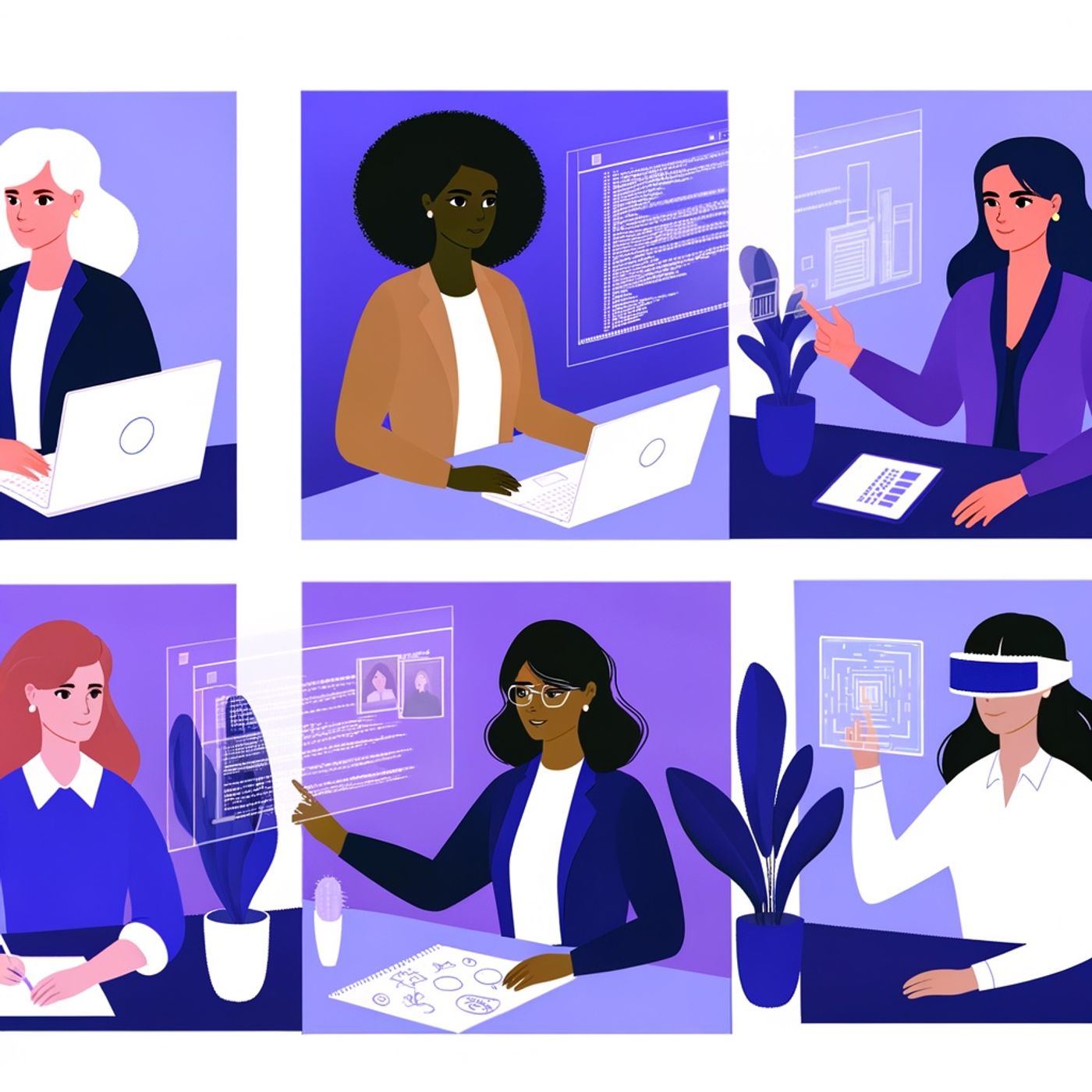
This is your Women in Business podcast. Welcome back to Women in Business, where today’s spotlight is on the women navigating, innovating, and excelling in the fast-changing world of tech. Listeners, let’s jump right in and tackle some of the core realities facing women in the tech industry right now, as we chart both the progress and the ongoing challenges of this digital revolution. Let’s start with the numbers, because the story of women in tech is, at its heart, a story about closing gaps. According to the Women in Tech Report from AIPRM, less than a third of digital sector roles globally are held by women. In the U.S., we're looking at just over a quarter—27 percent—of all tech roles filled by women, which is a marked improvement from just a decade ago, but still far from parity. What’s more, when it comes to leadership roles, the numbers get even slimmer: only about 14 percent of global tech leaders are women; in CEO seats, StrongDM reports this figure is even lower, and fewer than one in five technology companies have a female CEO. Clearly, representation is still an issue. That brings us to the first discussion point: the persistent gender gap in tech. Despite more initiatives, diversity policies, and visible women role models like Reshma Saujani of Girls Who Code and Kimberly Bryant of Black Girls CODE, women continue to be underrepresented. This underrepresentation is not just at entry level but intensifies at mid-career and leadership stages, forming what the 2025 Women in Digital Report calls the “Missing Middle,” where many women encounter stalled progression due to inflexible workplace structures and limited support for caregiving responsibilities. Now, let’s talk about pay and workplace equity—the economic stakes are high. The tech industry boasts a median annual wage of over $100,000 for U.S. workers, offering significant financial opportunity. However, the gender pay gap persists, and compensation for women in tech roles often lags behind their male counterparts. This disadvantage compounds as women ascend to higher positions, with the widest gaps appearing in C-suite levels. Our third point is the double-edged sword of remote work. While flexible arrangements have opened doors for many women, they’ve also amplified burnout, especially during and after the pandemic. According to the Women in Tech Report, many women reported increased stress from balancing work and family responsibilities during remote work periods, sometimes resulting in attrition rather than advancement. Then there’s the rise of artificial intelligence. According to Skillsoft’s Women in Tech 2024 report, learning AI skills is becoming crucial for women to keep up—and get ahead. However, 60 percent of women in tech roles still aren’t using AI in their work. As companies ramp up AI adoption, the risk is that women who aren’t reskilling could be further sidelined or left out of these high-paying, future-proofed jobs. Lastly, let’s talk solutions: mentorship, This content was created in partnership and with the help of Artificial Intelligence AI.
Embed this episode
NOW PLAYING
Bridging the Tech Gap: Women Powering the Digital Revolution
No transcript for this episode yet
Similar Episodes
No similar episodes found.
Similar Podcasts
No similar podcasts found.