
EPISODE · Sep 8, 2026 · 24 MIN
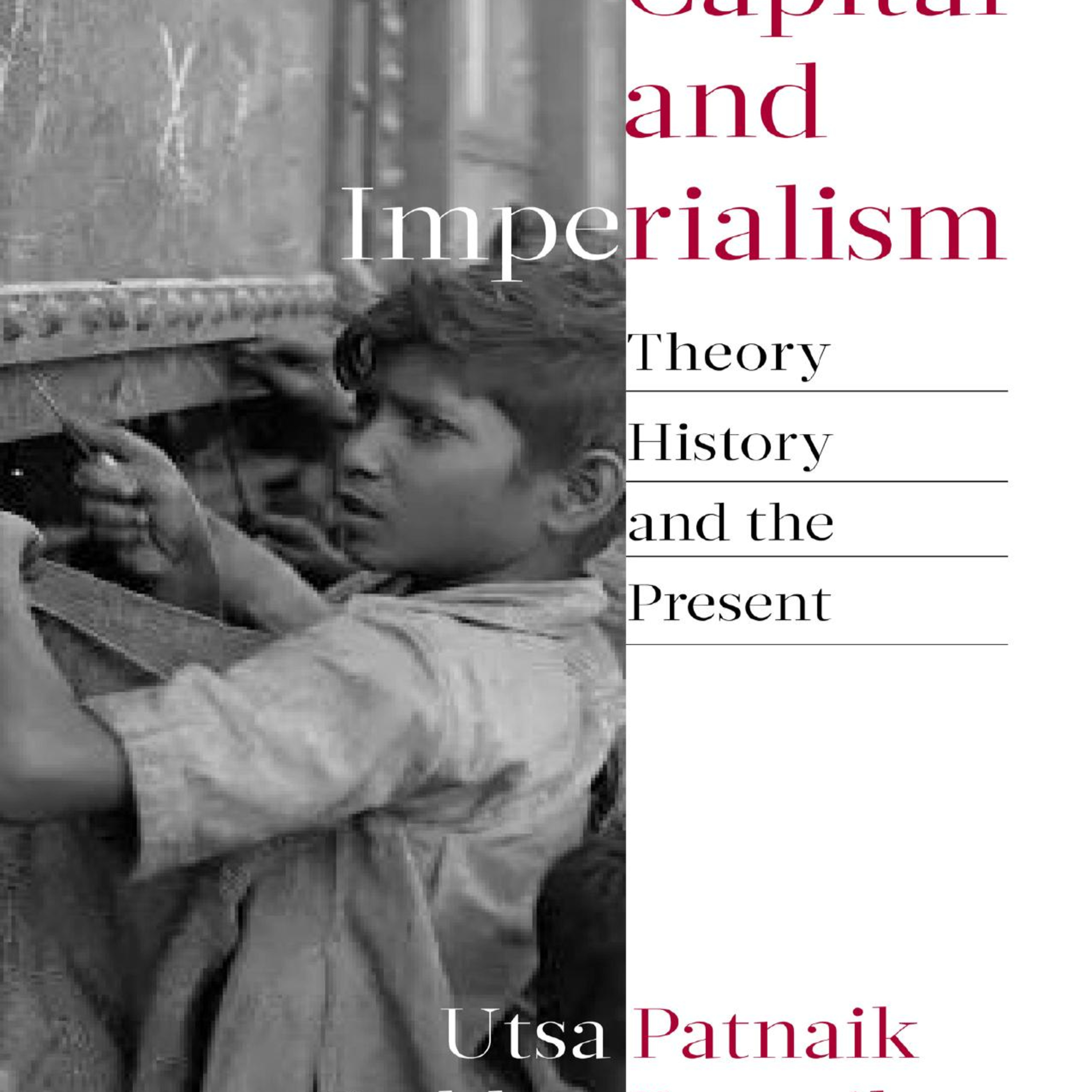
Capital and Imperialism: Theory, History, and the Present — Capitalism Needs an Outside
from Crisis in Perception · host Crisis in Perception
What if capitalism’s apparent ability to sustain itself depends on economic relationships that conventional models leave outside the frame?Welcome to Crisis in Perception, where we examine the systems shaping our world.Using Capital and Imperialism: Theory, History, and the Present by Utsa Patnaik and Prabhat Patnaik as our lens, this Deep Dive investigates the authors’ argument that capitalism cannot be adequately understood as a closed, self-contained economic system.Their analysis begins with money. Because wealth can be held in monetary form rather than immediately spent, they argue that aggregate demand can remain deficient, involuntary unemployment can persist, and falling capacity utilization can discourage further investment. Growth therefore requires stimuli that do not simply arise from growth itself.The Patnaiks connect this theoretical problem to the history of imperialism. Colonial expansion supplied markets and primary commodities while arrangements such as taxation, surplus transfers, and income deflation shifted economic pressures toward peripheral regions. In their framework, these relationships helped capitalism reconcile its need for demand with its need to protect monetary stability.The investigation then follows that system through postwar dirigisme and into neoliberal globalization. State expenditure once supplied a dependable source of demand. Under neoliberalism, the authors argue, global finance constrains that role, while debt and asset-price bubbles increasingly provide unstable substitutes.At the center of the episode is a systems question: when an economy appears self-contained, are the regions, resources, institutions, and populations supporting it really external—or have we simply drawn the boundary in the wrong place?Central mechanisms include the wealth demand for money, demand deficiency, exogenous stimulus, primary-commodity supply, colonial transfers, state demand management, global finance, and asset-price bubbles.📺 Watch on YouTube:https://youtu.be/qxBgzjzh-yY❤️ Support / Episode Post on Patreon:https://www.patreon.com/CrisisinPerception/posts/capital-and-and-168983256?utm_medium=clipboard_copy&utm_source=copyLink&utm_campaign=postshare_creator&utm_content=join_linkIf these ideas resonate, consider reading the work yourself or borrowing it from your local library. Supporting authors and libraries helps keep critical inquiry accessible.If you value systems-level analysis like this, please follow, rate, and share the project.This content was created using AI-assisted tools for research synthesis, structuring, and narration support. All analysis, framing, and editorial decisions are guided by human judgment as part of the Crisis in Perception project.
Embed this episode
Ready to play
Capital and Imperialism: Theory, History, and the Present — Capitalism Needs an Outside
No transcript for this episode yet
Similar Episodes
No similar episodes found.
Similar Podcasts
No similar podcasts found.