Dal Funnel al Brand Ecosystem episode artwork

EPISODE · Jan 15, 2020 · 3 MIN

Dal Funnel al Brand Ecosystem

from Digital Trasformation · host Valerio Maria Murgolo

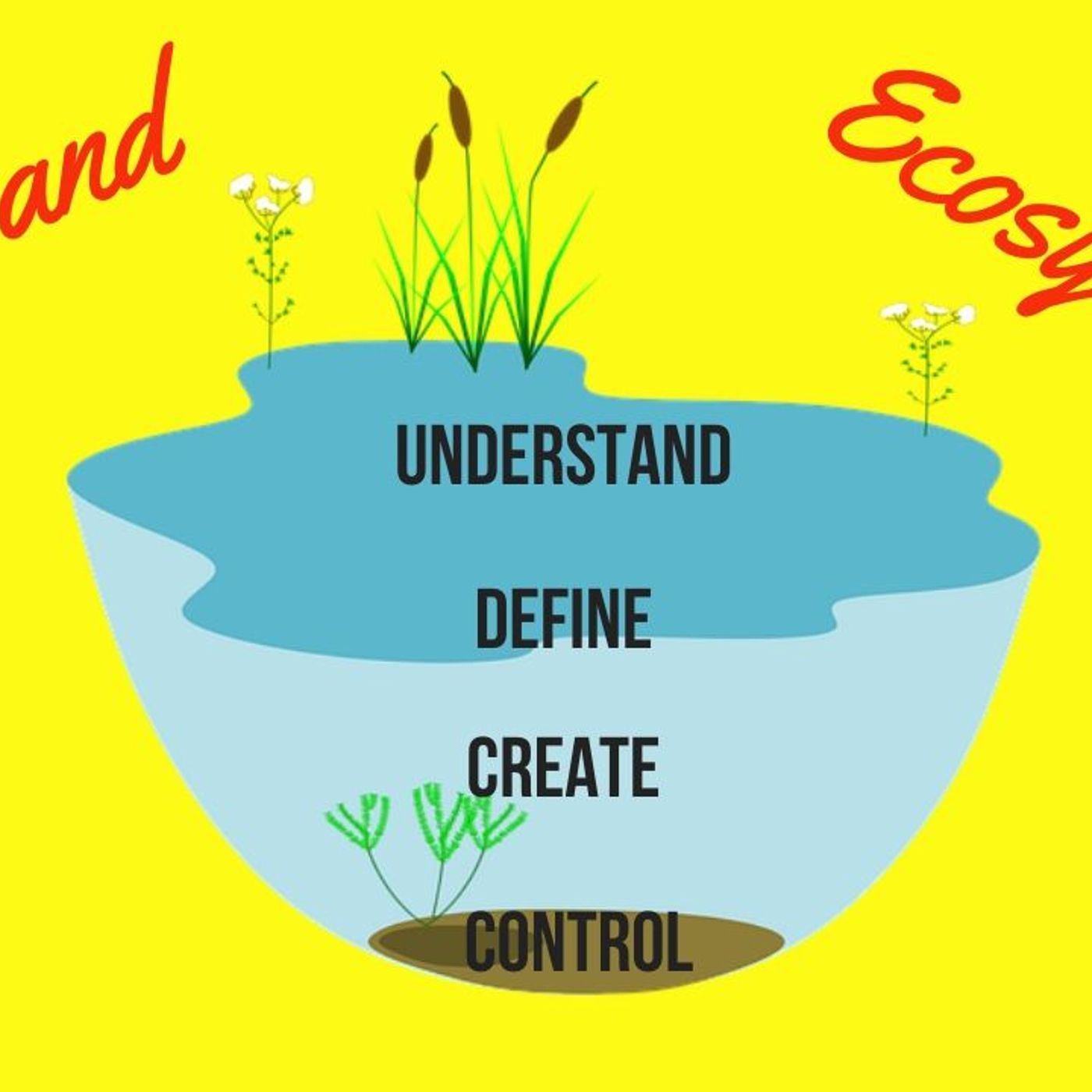
Il processo di acquisto nel tempo si sta evolvendo, il modello tradizionale prevedeva un modello ad imbuto con un “trigger” iniziale, partendo dalla parte alta il processo prevedeva la fase di awareness, poi si passava alla fase interest, esprimendo interessi, per passare alla fase choice, cioè sceglie un brand ed infine la fase action con cui si completa il processo.La fase loyalty e defection dipendeva dal tipo di esperienza vissuta dal consumatore.Il marketing tradizionale, seguendo il suddetto modello, prevedeva investimenti nella parte alta dell’imbuto per creare desiderio e generare ricordo e successivamente prevedeva strumenti tattici, per esempio promozioni, per trasformare il desiderio in scelta. L’obiettivo era quello di accompagnare il consumatore all’interno del funnel, seguendo un modello lineare, affinché alla fine scegliesse un solo brand, il proprio.Ma con il nuovo consumatore, non più passivo nel percorso del funnel ma attivo in tutti gli step desideroso di creare anch’egli una relazione partecipativa, richiede un nuovo modello che tenga presente tutte le variabili, rispetto all’approccio lineare il nuovo processo d’acquisto prevede una deformazione dell’imbuto generando dopo la fase di awareness, con maggiore dispersione di concentrazione perché sono presenti e tiene in considerazione più brand, una fase di “valutazione attiva” in cui l’utente si informa, si confronta e raccoglie informazioni, alla fase di choice, che è più contorta e meno coerente rispetto ai valori del modello tradizionale fino alla fase di action.Nasce una nuova fase, lo sharing, in cui condivide l’esperienza e diventa parte attiva del processo precedente.Quindi si passa da percorso “many to few” ad uno “few to many”, dove il consumatore non è più un ricettore passivo di input ma acquisisce le esperienze altrui, le elabora e le arricchisce con esperienze proprie.Si passa quindi dal consumatore preda al consumatore cacciatore che è in grado di influenzare significativamente i brand.Quindi la sfida dei brand è di trasformarsi e diventare piattaforme: multifunzionali, con anche diversi punti di contatto, integrate, interattive, che creino relazioni e aperte a contributi esterni e alla co-creazione.Bisogna creare un modello di “ecosistema” che integri on-off e unisca modelli tradizionali con modelli più avanzati ed innovativi.Il corretto Brand Ecosystem sta nel creare un sistema adeguato, identificando i touchpoints prioritari e creando opportuni collegamenti verticali e orizzontali tra i diversi touchpoints scelti.Il Brand ecosystem si basa su un modello in 4 fasi:1)Understand, la fase di ascolto, comprensione e analisi del consumatore per decidere quali touchpoints scegliere.2)Define, definizione e progettazione dei punti di contatto prioritari3)Create, vengono sviluppati i contenuti e le storie, lo storytelling4)Control, definizioni delle metriche.La multicanalita’ è una sfida complessa ed importante a cui le aziende non possono sottrarsi.

Il processo di acquisto nel tempo si sta evolvendo, il modello tradizionale prevedeva un modello ad imbuto con un “trigger” iniziale, partendo dalla parte alta il processo prevedeva la fase di awareness, poi si passava alla fase interest, esprimendo interessi, per passare alla fase choice, cioè sceglie un brand ed infine la fase action con cui si completa il processo.La fase loyalty e defection dipendeva dal tipo di esperienza vissuta dal consumatore.Il marketing tradizionale, seguendo il suddetto modello, prevedeva investimenti nella parte alta dell’imbuto per creare desiderio e generare ricordo e successivamente prevedeva strumenti tattici, per esempio promozioni, per trasformare il desiderio in scelta. L’obiettivo era quello di accompagnare il consumatore all’interno del funnel, seguendo un modello lineare, affinché alla fine scegliesse un solo brand, il proprio.Ma con il nuovo consumatore, non più passivo nel percorso del funnel ma attivo in tutti gli step desideroso di creare anch’egli una relazione partecipativa, richiede un nuovo modello che tenga presente tutte le variabili, rispetto all’approccio lineare il nuovo processo d’acquisto prevede una deformazione dell’imbuto generando dopo la fase di awareness, con maggiore dispersione di concentrazione perché sono presenti e tiene in considerazione più brand, una fase di “valutazione attiva” in cui l’utente si informa, si confronta e raccoglie informazioni, alla fase di choice, che è più contorta e meno coerente rispetto ai valori del modello tradizionale fino alla fase di action.Nasce una nuova fase, lo sharing, in cui condivide l’esperienza e diventa parte attiva del processo precedente.Quindi si passa da percorso “many to few” ad uno “few to many”, dove il consumatore non è più un ricettore passivo di input ma acquisisce le esperienze altrui, le elabora e le arricchisce con esperienze proprie.Si passa quindi dal consumatore preda al consumatore cacciatore che è in grado di influenzare significativamente i brand.Quindi la sfida dei brand è di trasformarsi e diventare piattaforme: multifunzionali, con anche diversi punti di contatto, integrate, interattive, che creino relazioni e aperte a contributi esterni e alla co-creazione.Bisogna creare un modello di “ecosistema” che integri on-off e unisca modelli tradizionali con modelli più avanzati ed innovativi.Il corretto Brand Ecosystem sta nel creare un sistema adeguato, identificando i touchpoints prioritari e creando opportuni collegamenti verticali e orizzontali tra i diversi touchpoints scelti.Il Brand ecosystem si basa su un modello in 4 fasi:1)Understand, la fase di ascolto, comprensione e analisi del consumatore per decidere quali touchpoints scegliere.2)Define, definizione e progettazione dei punti di contatto prioritari3)Create, vengono sviluppati i contenuti e le storie, lo storytelling4)Control, definizioni delle metriche.La multicanalita’ è una sfida complessa ed importante a cui le aziende non possono sottrarsi.

NOW PLAYING

Dal Funnel al Brand Ecosystem

0:00 3:56

No transcript for this episode yet

We transcribe on demand. Request one and we'll notify you when it's ready — usually under 10 minutes.

No similar episodes found.

The Hunt Diaz Task Force A hard-hitting, eye-opening podcast that takes you deep into the relentless fight against human and sex trafficking. Each episode explores the dangerous world of traffickers and predators from every angle—street operations, online investigations, and digital warfare. Hear firsthand from law enforcement, federal agents, and prosecutors as they share real stories of sting operations, investigative tactics, and the challenges of bringing traffickers to justice. Follow live sting operations, online predator investigations, and real-time takedowns of trafficking rings, with insights from cybercrime experts, undercover decoys, and live case discussions. We dive deep into how traffickers operate on the dark web, using cryptocurrency and other digital tools to exploit victims. Learn how law enforcement is using cutting-edge technology to track traffickers and disrupt their operations. The Hunt, pulls back the curtain on the digital and real-world fight against trafficking, exposing the p Explicit Digital Tea Party W/ Rebekah and Musa digitalteapartypod Welcome to Digital Tea Party with Rebekah and Musa, where we pour a steaming cup of internet drama and sip on the chaos that comes with being chronically online. From TikTok trends to the latest social media meltdowns, we break it all down with unfiltered commentary, a sprinkle of humor, and way too much time on our hands. Join us as we navigate the digital overload and yap about everything the algorithm throws our way. Catch us on YouTube, Spotify, Apple Podcasts, and TikTok—always under Digital Tea Party. Let’s spill the tea, shall we? Explicit TCAST: The Future of Data & AI TARTLE The Data Intelligence Podcast (TCAST) explores the intersection of AI, data privacy, and ethical technology. Join Alexander McCaig and Jason Rigby as they decode the future of data ownership, artificial intelligence, and digital privacy with industry leaders, researchers, and innovators.Each episode delivers actionable insights on:AI and machine learning developmentsData privacy and ownership strategiesEthical technology implementationReal-world applications of data intelligenceFuture trends in digital identity and data marketplacesPerfect for tech leaders, data scientists, privacy advocates, and forward-thinking professionals looking to understand and shape the future of data and AI.Presented by TARTLE, pioneers in ethical data exchange and AI enhancement. New episodes every week.The show is hosted by Co-Founder and Source Data Pioneer Alexander McCaig and Head of Conscious Marketing Jason Rigby.What's your data worth? Find out at (https://tartle.co/)Watch the podcast on Yo Explicit Techlore Surveillance Report Techlore Techlore Surveillance Report is your weekly deep-dive into the privacy and security news that matters for your digital freedom. Hosted by Henry Fisher, founder of Techlore and long-time digital rights educator, each episode cuts through the noise to bring you carefully selected stories with the context, analysis, and historical perspective you need to truly understand what's happening to protect yourself (and others!) in the digital space.Topics covered include:• Privacy tool updates and vulnerabilities• Data breaches and cybersecurity incidents• Surveillance technology and government overreach• Big Tech privacy policies and practices• Encryption and security standards• Digital rights legislation and court cases• Open-source software developments• Corporate data practices and accountabilityWhether you're a beginner trying to stay informed or a seasoned expert tracking the ecosystem, Surveillance Report has Explicit

Frequently Asked Questions

How long is this episode of Digital Trasformation?

This episode is 3 minutes long.

When was this Digital Trasformation episode published?

This episode was published on January 15, 2020.

What is this episode about?

Il processo di acquisto nel tempo si sta evolvendo, il modello tradizionale prevedeva un modello ad imbuto con un “trigger” iniziale, partendo dalla parte alta il processo prevedeva la fase di awareness, poi si passava alla fase interest, esprimendo...

Can I download this Digital Trasformation episode?

Yes, you can download this episode by clicking the download button on the episode player, or subscribe to the podcast in your preferred podcast app for automatic downloads.
URL copied to clipboard!