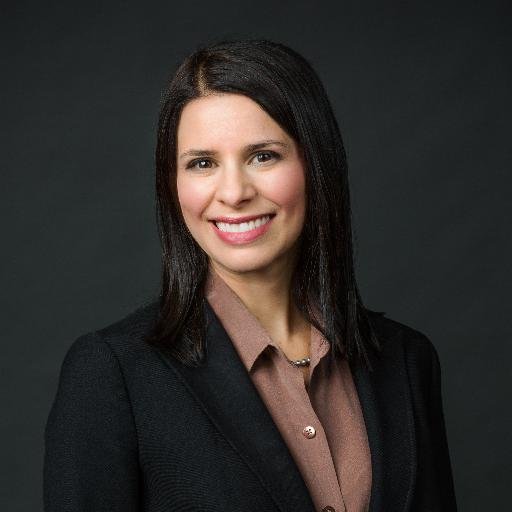
Deborah Small, PhD: Processing Probabilistic Events and Making Donations episode artwork

EPISODE · Mar 29, 2020 · 1H 15M

Deborah Small, PhD: Processing Probabilistic Events and Making Donations

from Behavioral Grooves Podcast · host Kurt Nelson, PhD and Tim Houlihan

Deborah Small, PhD is a professor of marketing in the Wharton School at the University of Pennsylvania. Her research crosses the intersections of psychology and economics, examining fundamental processes that underlie human decision making. In recent years, her work has focused on both altruistic and self-interested motivations for philanthropic behavior. She has examined impediments to effective altruism, bragging about prosocial behavior, and the downsides of conspicuous consumption.  A NOTE TO OUR LISTENERS: We recorded this discussion with Deborah on March 6, 2020, and it was one of the last recordings that Kurt and Tim made in the studio together. On that day, the United States confirmed 311 cases of coronavirus out of roughly 100,000 worldwide. While we were all aware of the virus, the World Health Organization had not labeled it a pandemic, which happened on March 11th. At a little after the 26:00-minute mark, we discuss what was going on as “unfolding,” as it was at that time. Our conversation with Deborah was filled with terrific insights as we pursued inquiries such as how difficult it is for humans to deal with probabilistic events, citing examples of the coronavirus (COVID-19) and the 9/11 tragedies from 2001. She shared highlights from her research on why people give to charities, the effects of availability bias on our behaviors, the influence of social norms in giving, and how we feel when we hear of boasting and bragging from people who make donations. She also asked a really good question that is worth considering: Why do so many people make cash donations to charities that are terribly inefficient with their funds? We hope you enjoy our conversation with Dr. Deborah Small. © 2020 Behavioral Grooves   Links Deborah Small, PhD: https://marketing.wharton.upenn.edu/profile/deborahs/ Peter Singer, PhD: https://en.wikipedia.org/wiki/Peter_Singer The Effective Altruism Movement: https://www.effectivealtruism.org/ Jeremy Bentham: https://en.wikipedia.org/wiki/Jeremy_Bentham “Dread Risk, September 11, and Fatal Traffic Accidents” by Gerg Gigerenzer, PhD: https://journals.sagepub.com/doi/abs/10.1111/j.0956-7976.2004.00668.x Robert Cialdini, PhD on Ego or Altruism: https://www.jstor.org/stable/1449244?seq=1 Susan G. Komen article: https://www.usatoday.com/story/money/personalfinance/2017/10/03/breast-cancer-charity-ratings-julia-louis-dreyfus/714899001/ GiveWell: https://www.givewell.org/charities/top-charities Common Biases & Heuristics: https://docs.google.com/document/d/1XHpBr0VFcaT8wIUpr-9zMIb79dFMgOVFRxIZRybiftI/edit# Neuromarketing World Forum: https://www.neuromarketingworldforum.com/ Roger Dooley: https://behavioralgrooves.com/episode/roger-dooley-friction-and-engagement/   Musical Links Taylor Swift: https://www.youtube.com/watch?v=F3aXpa1rQEY Hamilton: https://www.youtube.com/watch?v=b5VqyCQV1Tg Frozen II: https://www.youtube.com/watch?v=gIOyB9ZXn8s Baby Shark: https://www.youtube.com/watch?v=XqZsoesa55w “We Are The World”: https://en.wikipedia.org/wiki/We_Are_the_World#Humanitarian_aid James Taylor: https://www.youtube.com/watch?v=vbeQqteag_k

Deborah Small, PhD is a professor of marketing in the Wharton School at the University of Pennsylvania. Her research crosses the intersections of psychology and economics, examining fundamental processes that underlie human decision making. In recent years, her work has focused on both altruistic and self-interested motivations for philanthropic behavior. She has examined impediments to effective altruism, bragging about prosocial behavior, and the downsides of conspicuous consumption.  A NOTE TO OUR LISTENERS: We recorded this discussion with Deborah on March 6, 2020, and it was one of the last recordings that Kurt and Tim made in the studio together. On that day, the United States confirmed 311 cases of coronavirus out of roughly 100,000 worldwide. While we were all aware of the virus, the World Health Organization had not labeled it a pandemic, which happened on March 11th. At a little after the 26:00-minute mark, we discuss what was going on as “unfolding,” as it was at that time. Our conversation with Deborah was filled with terrific insights as we pursued inquiries such as how difficult it is for humans to deal with probabilistic events, citing examples of the coronavirus (COVID-19) and the 9/11 tragedies from 2001. She shared highlights from her research on why people give to charities, the effects of availability bias on our behaviors, the influence of social norms in giving, and how we feel when we hear of boasting and bragging from people who make donations. She also asked a really good question that is worth considering: Why do so many people make cash donations to charities that are terribly inefficient with their funds? We hope you enjoy our conversation with Dr. Deborah Small. © 2020 Behavioral Grooves   Links Deborah Small, PhD: https://marketing.wharton.upenn.edu/profile/deborahs/ Peter Singer, PhD: https://en.wikipedia.org/wiki/Peter_Singer The Effective Altruism Movement: https://www.effectivealtruism.org/ Jeremy Bentham: https://en.wikipedia.org/wiki/Jeremy_Bentham “Dread Risk, September 11, and Fatal Traffic Accidents” by Gerg Gigerenzer, PhD: https://journals.sagepub.com/doi/abs/10.1111/j.0956-7976.2004.00668.x Robert Cialdini, PhD on Ego or Altruism: https://www.jstor.org/stable/1449244?seq=1 Susan G. Komen article: https://www.usatoday.com/story/money/personalfinance/2017/10/03/breast-cancer-charity-ratings-julia-louis-dreyfus/714899001/ GiveWell: https://www.givewell.org/charities/top-charities Common Biases & Heuristics: https://docs.google.com/document/d/1XHpBr0VFcaT8wIUpr-9zMIb79dFMgOVFRxIZRybiftI/edit# Neuromarketing World Forum: https://www.neuromarketingworldforum.com/ Roger Dooley: https://behavioralgrooves.com/episode/roger-dooley-friction-and-engagement/   Musical Links Taylor Swift: https://www.youtube.com/watch?v=F3aXpa1rQEY Hamilton: https://www.youtube.com/watch?v=b5VqyCQV1Tg Frozen II: https://www.youtube.com/watch?v=gIOyB9ZXn8s Baby Shark: https://www.youtube.com/watch?v=XqZsoesa55w “We Are The World”: https://en.wikipedia.org/wiki/We_Are_the_World#Humanitarian_aid James Taylor: https://www.youtube.com/watch?v=vbeQqteag_k

NOW PLAYING

Deborah Small, PhD: Processing Probabilistic Events and Making Donations

0:00 1:15:53

No transcript for this episode yet

We transcribe on demand. Request one and we'll notify you when it's ready — usually under 10 minutes.

That Hoarder: Overcome Compulsive Hoarding That Hoarder Hoarding disorder is stigmatised and people who hoard feel vast amounts of shame. This podcast began life as an audio diary, an anonymous outlet for somebody with this weird condition. That Hoarder speaks about her experiences living with compulsive hoarding, she interviews therapists, academics, researchers, children of hoarders, professional organisers and influencers, and she shares insight and tips for others with the problem. Listened to by people who hoard as well as those who love them and those who work with them, Overcome Compulsive Hoarding with That Hoarder aims to shatter the stigma, share the truth and speak openly and honestly to improve lives. The Small Business Startup School – Business Notes | Financial Literacy | Retail Psychology – For Professionals & Entrepreneurs The Small Business Startup School Inc. Starting or buying a small business? While personal circumstances may vary, business patterns remain timeless. On The Small Business Startup School, we explore strategies, insights, and practical solutions to help entrepreneurs confidently navigate their journey.Hosted by Ola Williams—a retail entrepreneur, fintech founder, and financial coach with over two decades of experience—this podcast marries financial awareness and retail psychology with optimism to deliver actionable takeaways.Join us to learn, grow, and connect as we uncover the keys to business success.Let’s continue to learn together and be encouraged to keep on connecting! DIOSA. Carolina Sanper This podcast is a sacred space created by Carolina Sanper where you connect with your inner wisdom and embody your magnetic feminine power.It is the realization that the mystical realm is where you plant the seeds of your desired reality.It is a portal to your true essence: awareness, presence, and receiving with ease. Welcome home, DIOSA. 🖤 XXX Tech by SOVRYN Dr. Brian Sovryn The crossroads between technology, sensuality, and metaphysics - and the longest running anarchist podcast in the world! Brought to you by Dr. Brian Sovryn.

Frequently Asked Questions

How long is this episode of Behavioral Grooves Podcast?

This episode is 1 hour and 15 minutes long.

When was this Behavioral Grooves Podcast episode published?

This episode was published on March 29, 2020.

What is this episode about?

Deborah Small, PhD is a professor of marketing in the Wharton School at the University of Pennsylvania. Her research crosses the intersections of psychology and economics, examining fundamental processes that underlie human decision making. In...

Can I download this Behavioral Grooves Podcast episode?

Yes, you can download this episode by clicking the download button on the episode player, or subscribe to the podcast in your preferred podcast app for automatic downloads.
URL copied to clipboard!