Defining the Progeria Phenome
from Aging-US Hosted by Aging Podcast
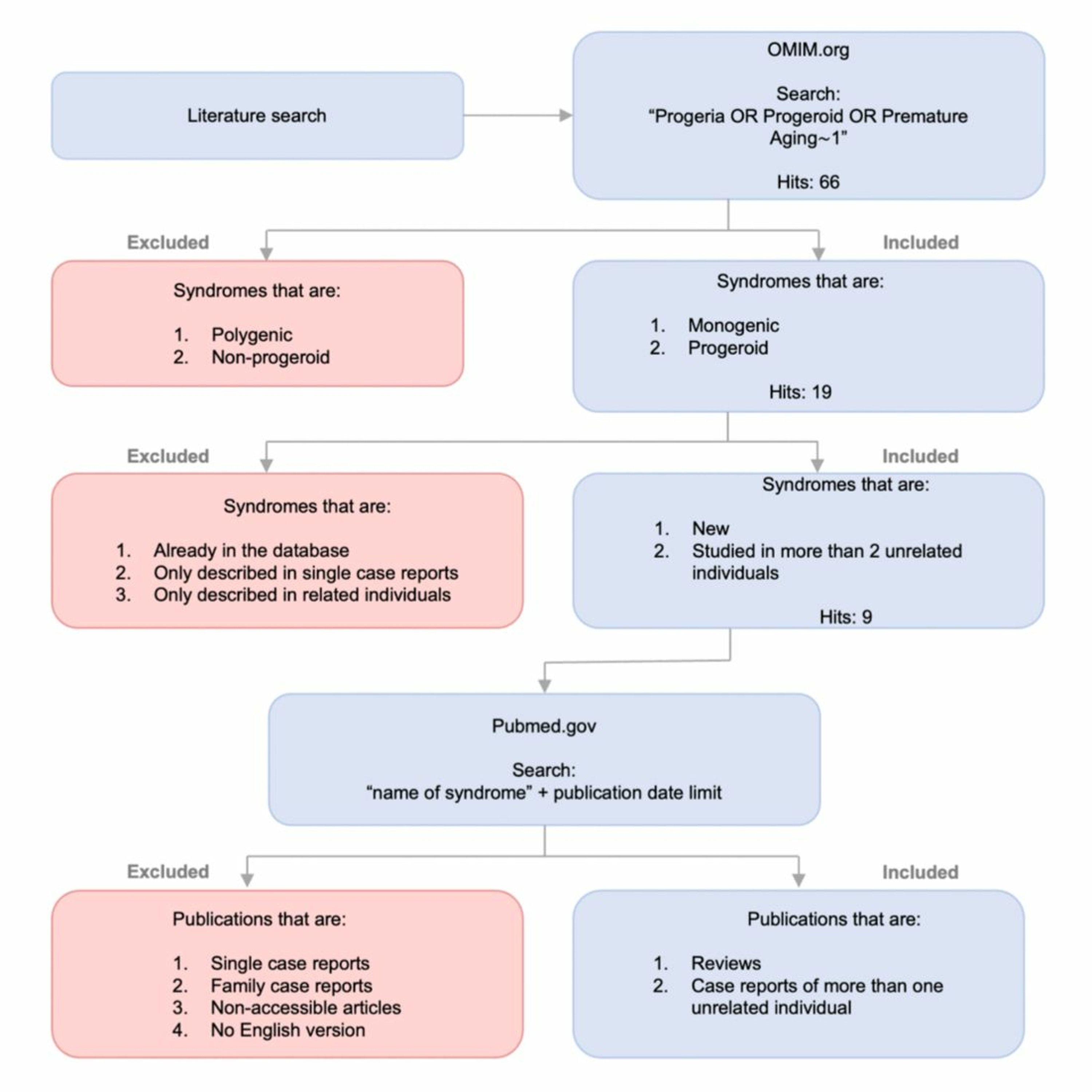
BUFFALO, NY- February 20, 2024 – A new #research paper was #published in Aging (listed by MEDLINE/PubMed as "Aging (Albany NY)" and "Aging-US" by Web of Science) Volume 16, Issue 3, entitled, “Defining the progeria phenome.” Progeroid disorders are a heterogenous group of rare and complex hereditary syndromes presenting with pleiotropic phenotypes associated with normal aging. Due to the large variation in clinical presentation the diseases pose a diagnostic challenge for clinicians which consequently restricts medical research. In this new study, researchers Cecilie Worm, Maya Elena Ramirez Schambye, Garik V. Mkrtchyan, Alexander Veviorskiy, Anastasia Shneyderman, Ivan V. Ozerov, Alex Zhavoronkov, Daniela Bakula, and Morten Scheibye-Knudsen from the University of Copenhagen and Insilico Medicine aimed to accommodate this challenge by compiling a list of known progeroid syndromes and calculating the mean prevalence of their associated phenotypes, defining what they term the ‘progeria phenome’. “In this study, we have utilized phenome explorations to define the phenotypes associated with progerias and to develop tools to diagnose patients and identify new progeroid syndromes.” The data were used to train a support vector machine that is available at https://www.mitodb.com and able to classify progerias based on phenotypes. Furthermore, this allowed the researchers to investigate the correlation of progeroid syndromes and syndromes with various pathogenesis using hierarchical clustering algorithms and disease networks. They detected that ataxia-telangiectasia like disorder 2, spastic paraplegia 49 and Meier-Gorlin syndrome display strong association to progeroid syndromes, thereby implying that the syndromes are previously unrecognized progerias. “In conclusion, our study has provided tools to evaluate the likelihood of a syndrome or patient being progeroid. This is a considerable step forward in our understanding of what constitutes a premature aging disorder and how to diagnose them.” DOI - https://doi.org/10.18632/aging.205537 Corresponding author - Morten Scheibye-Knudsen - [email protected] Sign up for free Altmetric alerts about this article - https://aging.altmetric.com/details/email_updates?id=10.18632%2Faging.205537 Subscribe for free publication alerts from Aging - https://www.aging-us.com/subscribe-to-toc-alerts Keywords - aging, progeria, premature aging, phenome, clinical phenotype About Aging-US Launched in 2009, Aging-US publishes papers of general interest and biological significance in all fields of aging research and age-related diseases, including cancer—and now, with a special focus on COVID-19 vulnerability as an age-dependent syndrome. Topics in Aging-US go beyond traditional gerontology, including, but not limited to, cellular and molecular biology, human age-related diseases, pathology in model organisms, signal transduction pathways (e.g., p53, sirtuins, and PI-3K/AKT/mTOR, among others), and approaches to modulating these signaling pathways. Please visit our website at https://www.Aging-US.com and connect with us: Facebook - https://www.facebook.com/AgingUS/ X - https://twitter.com/AgingJrnl Instagram - https://www.instagram.com/agingjrnl/ YouTube - https://www.youtube.com/@AgingJournal LinkedIn - https://www.linkedin.com/company/aging/ Pinterest - https://www.pinterest.com/AgingUS/ Spotify - https://open.spotify.com/show/1X4HQQgegjReaf6Mozn6Mc Media Contact 18009220957 [email protected]
Embed this episode
No transcript yet.