
EPISODE · Aug 16, 2026 · 45 MIN
Diagnosis helped me understand my child better
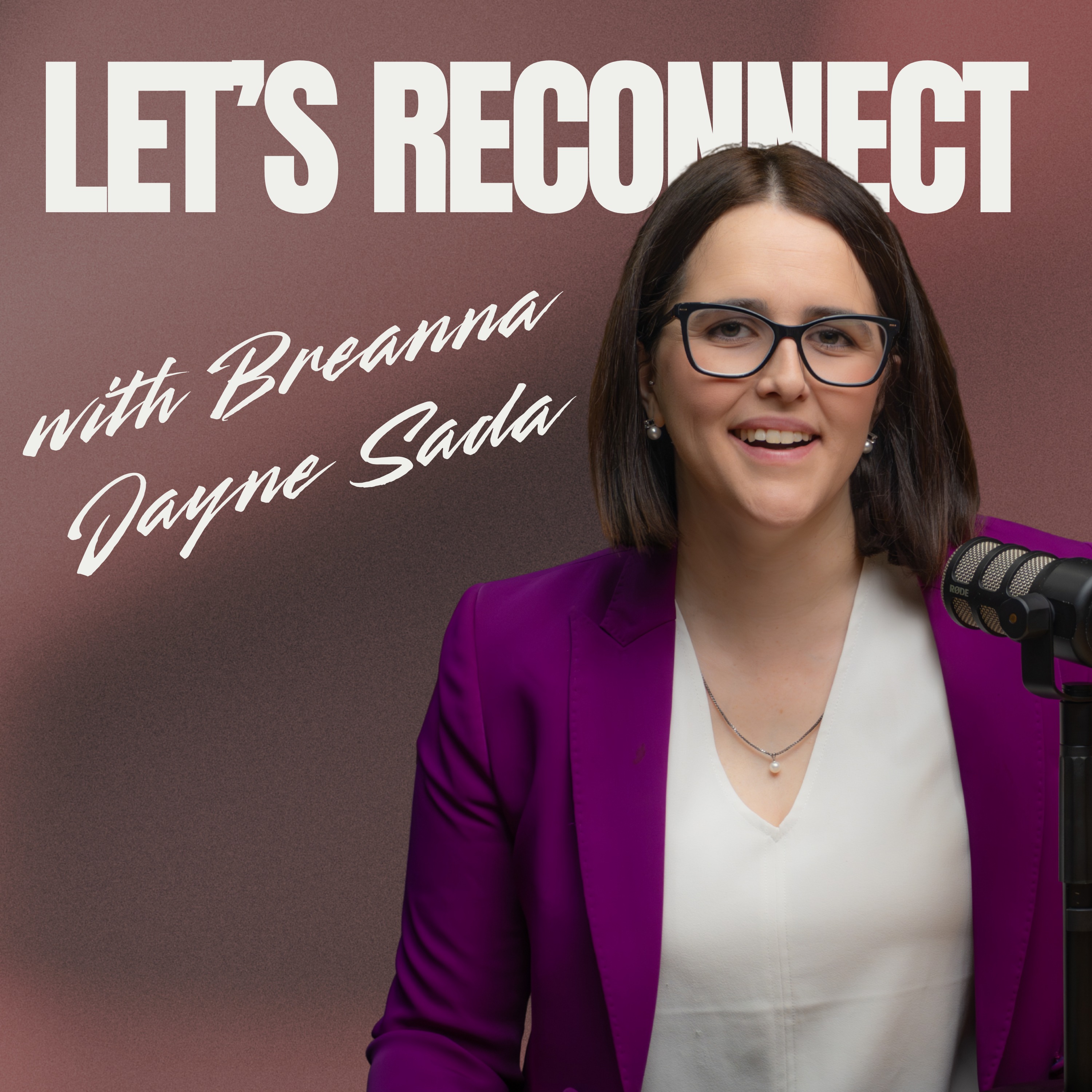
from Let's Reconnect with Breanna Jayne Sada
When a Diagnosis Changes Understanding, Not Your ChildWhat if the behaviour you’ve been worried about isn’t laziness, defiance, rudeness or a child simply being “difficult”? What if there’s something more going on underneath?In this episode of Let’s Reconnect, psychologist Breanna Jayne Sada shares the stories of four families navigating diagnosis with their children and teenagers, including autism spectrum disorder (ASD), ADHD, developmental delay and depression.Each family’s journey is different. One noticed developmental differences in their toddler. Another watched their daughter struggle socially when she entered high school. One initially mistook their teenager’s depression for laziness, while another resisted an ADHD assessment for years because they feared their son being “labelled”.Yet a common theme runs through all four stories: the diagnosis didn’t change their child. It changed their understanding of their child.Breanna explores why parents can understandably feel frightened or hesitant about assessment and diagnosis, including concerns about labels, medication, stigma, blame and what a diagnosis might mean for their child’s future.She also discusses the relief and grief that can exist alongside one another when families finally receive answers.In this episode:Why parents often sense something is going on before they have a name for itAutism and developmental differences in young childrenWhy autism and ADHD may become more noticeable when children reach high schoolHow depression in teenagers can be mistaken for laziness or lack of motivationHow ADHD symptoms can be misinterpreted as defiance or “naughty” behaviourWhy anxiety can sometimes look like avoidanceThe fear that a diagnosis will “label” your childWhy being treated differently isn't necessarily a negativeParental guilt, grief and relief following a diagnosisWhy assessment does not automatically mean medicationHow diagnosis can help families access therapy, school adjustments and other supportsThe importance of early interventionHow going without appropriate support can affect a young person’s self-esteem and self-conceptWhy parents and the wider family may need support tooMoving from “What’s wrong with my child?” to “What’s happening for my child?”A diagnosis is not the end of a child’s story. For many families, it can be the beginning of greater understanding, compassion and access to the support their child needs to thrive.If you have a quiet feeling that your child is struggling or developing differently, you don’t have to work out the answer yourself. Speaking with your GP, paediatrician, psychologist or another appropriately qualified health professional can be a helpful place to begin.Support:Lifeline: 13 11 14Kids Helpline: 1800 55 1800Emergency: Triple Zero (000)The information discussed in Let’s Reconnect is general in nature and does not replace personalised mental health or medical advice.SEO keywords: child diagnosis, autism diagnosis children, ADHD diagnosis children, teenage depression, signs of ADHD in children, autism in teenagers, child mental health, developmental assessment, early intervention, neurodivergent children, parenting ADHD, parenting autistic children, school adjustments, teen mental health, parenting podcast AustraliaLet's Reconnect next episode. In the meantime, subscribe and follow our podcast and socials @breanna.jayne_psych @letsreconnect_pod. If you or your child would like to write in with a question or story, or you’d like to be a guest advocating for the needs of children and young people, please reach out.Disclaimer:The information in this podcast is general and not a substitute for individual clinical advice or treatment. While I am a registered psychologist, I am not providing personalised guidance here. Every child and family is different, and what’s discussed may not suit your situation.If you have concerns, please seek support from a qualified mental health professional. For immediate help, contact Lifeline on 13 11 14, Kids Helpline on 1800 55 1800, or call 000 in an emergency.Views expressed are my own and not those of any organisations I am associated with. Hosted on Acast. See acast.com/privacy for more information.
Embed this episode
Ready to play
Diagnosis helped me understand my child better
No transcript for this episode yet
Similar Episodes
No similar episodes found.
Similar Podcasts
No similar podcasts found.