
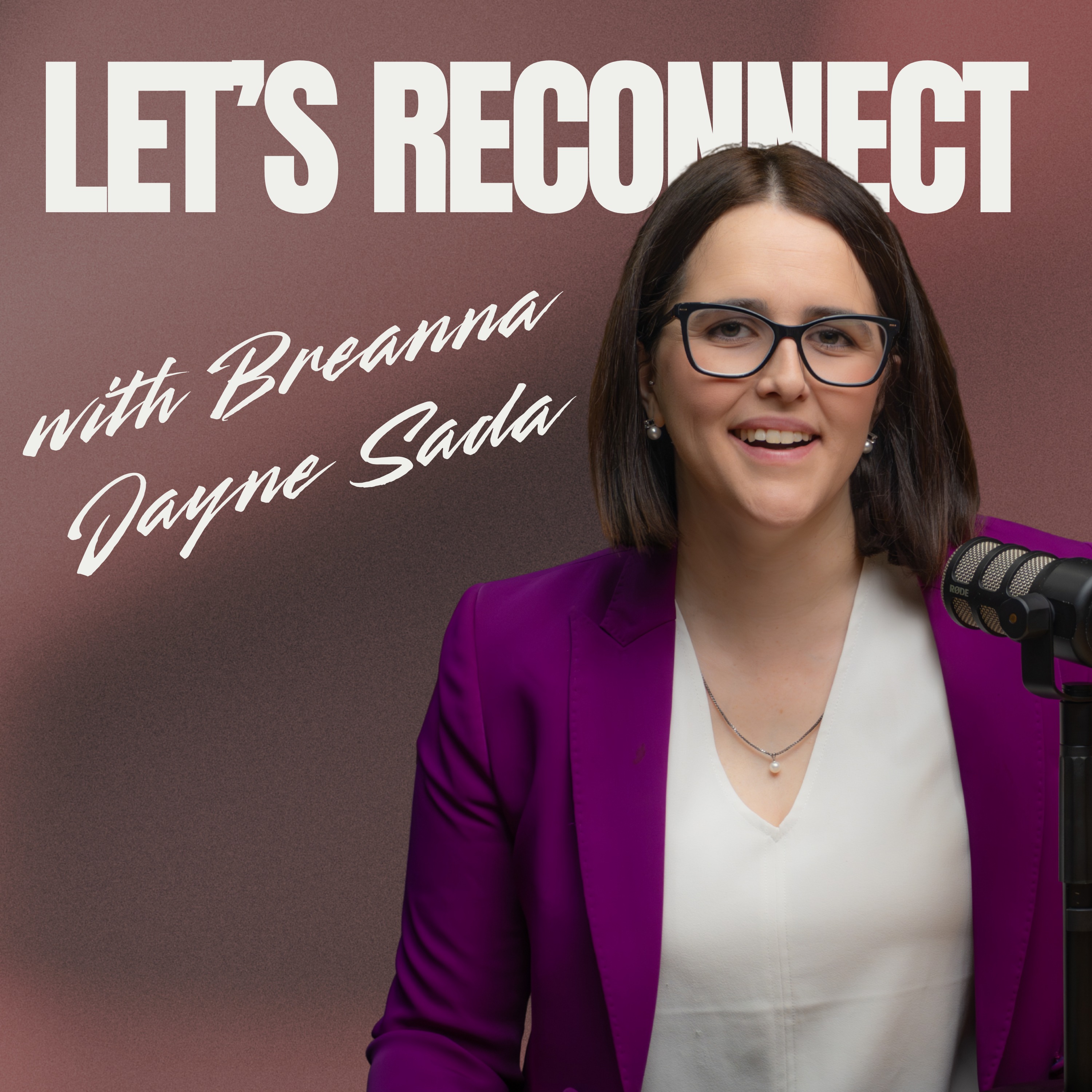
PODCAST · education
Let's Reconnect with Breanna Jayne Sada
by Breanna Jayne Sada
Hosted by Psychologist Breanna Jayne Sada, connect with us weekly for insightful and practical conversations to support parents to reconnect with their children and teens. Hear from kids themselves, experts and parents about hot topics impacting children and teens and their relationships with their parents. Because so often what’s missing from parenting discussions and conversations about kids... is the kids. From how the social media ban is playing out in homes to supporting your child with anxiety and other mental health issues. What age should you give your child a smart phone and how do you discuss porn and drugs? No topic is off limits. Hosted on Acast. See acast.com/privacy for more information.
-
37
Friendship Smart with Michelle Mitchell
Friendships can be one of the greatest sources of joy and belonging for our kids, but they can also cause some of their biggest heartbreaks. So when your tween or teen is struggling with friendship drama, exclusion or bullying, when should you step in and when should you step back?In this episode of Let’s Reconnect, Breanna is joined in the studio by bestselling parenting author, speaker and friend of the show Michelle Mitchell to discuss her new book, Friendship Smart: A Parent’s Guide.Michelle shares her Friendship Smart framework and explains why today’s tweens and teens need us to intentionally teach relationship skills rather than simply expecting them to work friendships out for themselves.Together, Breanna and Michelle explore the three elements Michelle believes underpin strong friendships: safety, chemistry and effort. They discuss how these elements can shift over time and why a healthy friendship doesn’t need to be perfect.They also explore:• The difference between balanced, “stretch” and situational friendships• Why situational friendships can be particularly valuable for neurodivergent young people• How to help kids recognise whether a friendship actually feels safe• Reciprocity and learning how to both give and receive in relationships• Why friendship conflict isn’t always a bad thing• The difference between normal conflict, friendship drama and bullying• When parents should step in and when kids need space to problem-solve• Why repair and a genuine apology are essential friendship skills• Teaching tweens and teens to say “no” and, importantly, how to receive someone else’s “no”• Group chats, online friendships, ghosting and how technology has changed the friendship landscape• Why friendship problems can feel relentless when they follow kids home on their phones• How parents can create opportunities for connection outside of school• What to say when your child tells you, “They don’t want to be my friend anymore”• Why kids need different layers of friendship rather than relying on one best friendMichelle also shares a simple but powerful paper-chain activity that can help kids visually track how a friendship feels over time, creating a starting point for conversations without parents immediately jumping in to fix the problem.This episode is packed with practical language and tools parents can use to help tweens and teens develop friendship skills that will extend far beyond the school playground and into their adult relationships.Connect with Michelle Mitchell:Website: Michelle MitchellBook: Friendship Smart: A Parent’s GuideInstagram: @michellemitchell.authorFacebook: Michelle Mitchellkeywords: tween friendships, teen friendships, friendship drama, teenage friendship problems, bullying, cyberbullying, group chats, toxic friendships, healthy friendships, friendship boundaries, helping teens make friends, neurodivergent friendships, parenting teenagers, parenting tweens, Michelle Mitchell, Friendship Smart, Let’s Reconnect podcastLet's Reconnect next episode. In the meantime, subscribe and follow our podcast and socials @breanna.jayne_psych @letsreconnect_pod. If you or your child would like to write in with a question or story, or you’d like to be a guest advocating for the needs of children and young people, please reach out.Disclaimer:The information in this podcast is general and not a substitute for individual clinical advice or treatment. While I am a registered psychologist, I am not providing personalised guidance here. Every child and family is different, and what’s discussed may not suit your situation.If you have concerns, please seek support from a qualified mental health professional. For immediate help, contact Lifeline on 13 11 14, Kids Helpline on 1800 55 1800, or call 000 in an emergency.Views expressed are my own and not those of any organisations I am associated with. Hosted on Acast. See acast.com/privacy for more information.
-
36
Diagnosis helped me understand my child better
When a Diagnosis Changes Understanding, Not Your ChildWhat if the behaviour you’ve been worried about isn’t laziness, defiance, rudeness or a child simply being “difficult”? What if there’s something more going on underneath?In this episode of Let’s Reconnect, psychologist Breanna Jayne Sada shares the stories of four families navigating diagnosis with their children and teenagers, including autism spectrum disorder (ASD), ADHD, developmental delay and depression.Each family’s journey is different. One noticed developmental differences in their toddler. Another watched their daughter struggle socially when she entered high school. One initially mistook their teenager’s depression for laziness, while another resisted an ADHD assessment for years because they feared their son being “labelled”.Yet a common theme runs through all four stories: the diagnosis didn’t change their child. It changed their understanding of their child.Breanna explores why parents can understandably feel frightened or hesitant about assessment and diagnosis, including concerns about labels, medication, stigma, blame and what a diagnosis might mean for their child’s future.She also discusses the relief and grief that can exist alongside one another when families finally receive answers.In this episode:Why parents often sense something is going on before they have a name for itAutism and developmental differences in young childrenWhy autism and ADHD may become more noticeable when children reach high schoolHow depression in teenagers can be mistaken for laziness or lack of motivationHow ADHD symptoms can be misinterpreted as defiance or “naughty” behaviourWhy anxiety can sometimes look like avoidanceThe fear that a diagnosis will “label” your childWhy being treated differently isn't necessarily a negativeParental guilt, grief and relief following a diagnosisWhy assessment does not automatically mean medicationHow diagnosis can help families access therapy, school adjustments and other supportsThe importance of early interventionHow going without appropriate support can affect a young person’s self-esteem and self-conceptWhy parents and the wider family may need support tooMoving from “What’s wrong with my child?” to “What’s happening for my child?”A diagnosis is not the end of a child’s story. For many families, it can be the beginning of greater understanding, compassion and access to the support their child needs to thrive.If you have a quiet feeling that your child is struggling or developing differently, you don’t have to work out the answer yourself. Speaking with your GP, paediatrician, psychologist or another appropriately qualified health professional can be a helpful place to begin.Support:Lifeline: 13 11 14Kids Helpline: 1800 55 1800Emergency: Triple Zero (000)The information discussed in Let’s Reconnect is general in nature and does not replace personalised mental health or medical advice.SEO keywords: child diagnosis, autism diagnosis children, ADHD diagnosis children, teenage depression, signs of ADHD in children, autism in teenagers, child mental health, developmental assessment, early intervention, neurodivergent children, parenting ADHD, parenting autistic children, school adjustments, teen mental health, parenting podcast AustraliaLet's Reconnect next episode. In the meantime, subscribe and follow our podcast and socials @breanna.jayne_psych @letsreconnect_pod. If you or your child would like to write in with a question or story, or you’d like to be a guest advocating for the needs of children and young people, please reach out.Disclaimer:The information in this podcast is general and not a substitute for individual clinical advice or treatment. While I am a registered psychologist, I am not providing personalised guidance here. Every child and family is different, and what’s discussed may not suit your situation.If you have concerns, please seek support from a qualified mental health professional. For immediate help, contact Lifeline on 13 11 14, Kids Helpline on 1800 55 1800, or call 000 in an emergency.Views expressed are my own and not those of any organisations I am associated with. Hosted on Acast. See acast.com/privacy for more information.
-
35
Why Ariana Grande is trending, how to talk to your kids safely about weight loss
How to Talk to Your Child About Ariana Grande, Celebrity Body Image & Eating Disorders | Let's Reconnect PodcastRecent media coverage surrounding Ariana Grande's appearance has sparked important conversations for parents of tweens and teens. But how do you talk about celebrity body image without causing harm?In this episode of Let's Reconnect, registered psychologist Breanna Jayne Sada discusses how parents can use celebrity conversations to promote healthy body image, critical thinking and open communication, while following Australia's Mindframe guidelines for discussing eating disorders safely.Rather than focusing on one celebrity, this episode explores the bigger picture: unrealistic beauty standards, the influence of social media algorithms, and how parents can help children navigate appearance-based pressures without shame or judgement.In this episode we discuss:Why the recent discussion about Ariana Grande's appearance concerned me as a psychologist.How media reporting can unintentionally increase harm when discussing eating disorders.What Australia's Mindframe guidelines recommend when talking about body image.Why every generation has faced changing beauty ideals, from the 1990s "heroin chic" era to today's social media trends.Practical ways to talk with your tween or teen about celebrity body image.What to say (and what to avoid saying) if your child says they want to look like a celebrity.Why curiosity and connection are more effective than lectures or banning celebrities.How social media algorithms can quickly expose young people to harmful body image content.Why family conversations should focus on health, wellbeing and self-worth rather than weight or appearance.Warning signs that may indicate a young person needs additional support.How teens can support a friend they're worried about while encouraging professional help.This episode is designed to help parents create a safe environment where children feel comfortable discussing body image, appearance and social media pressures without fear of judgement.Resources mentionedButterfly Foundation (Eating disorders support)https://butterfly.org.auMindframe – Reporting and communicating safely about eating disordershttps://mindframe.org.auConversations Matterhttps://www.conversationsmatter.com.auHeadspacehttps://headspace.org.auEmerging Mindshttps://emergingminds.com.auRaising Children Networkhttps://raisingchildren.net.auIf you're concerned about your child, speak with your GP, school wellbeing team or a psychologist experienced in supporting young people.Need immediate support?Lifeline Australiahttps://www.lifeline.org.auPhone: 13 11 14Kids Helplinehttps://kidshelpline.com.auPhone: 1800 55 1800If you or someone else is in immediate danger, call 000.Disclaimer: This podcast provides general psychological education only and is not a substitute for personalised medical or mental health advice. If you are concerned about yourself or someone you care about, please seek support from a qualified health professional.If you found this episode helpful, please follow Let's Reconnect, leave a review, and share it with another parent. These conversations help more families build connection, confidence and healthier relationships with their children.Let's Reconnect next episode. In the meantime, subscribe and follow our podcast and socials @breanna.jayne_psych @letsreconnect_pod. If you or your child would like to write in with a question or story, or you’d like to be a guest advocating for the needs of children and young people, please reach out.Disclaimer:The information in this podcast is general and not a substitute for individual clinical advice or treatment. While I am a registered psychologist, I am not providing personalised guidance here. Every child and family is different, and what’s discussed may not suit your situation.If you have concerns, please seek support from a qualified mental health professional. For immediate help, contact Lifeline on 13 11 14, Kids Helpline on 1800 55 1800, or call 000 in an emergency.Views expressed are my own and not those of any organisations I am associated with. Hosted on Acast. See acast.com/privacy for more information.
-
34
Listener Q&A, Screen Time Guilt, Introducing a new partner to the kids & low cost MH care
When is the right time to introduce a new partner after separation? Is watching TV really as harmful as phones and social media? And what do you do if your teenager needs mental health support but private psychology feels out of reach?In this listener Q&A episode, registered psychologist Breanna Jayne Sada answers three common parenting questions with practical, evidence-based advice designed to help parents make confident decisions while keeping children's wellbeing at the centre.Breanna discusses why there is no "magic timeline" for introducing a new partner after divorce, the importance of prioritising stability and secure attachment, and how parents can support children who may still be grieving family separation.She also explores one of the biggest parenting dilemmas today: screen time guilt. Is television really the same as smartphones, YouTube and TikTok? Learn why not all screen time carries the same risks and how to make balanced decisions without striving for perfection.Finally, Breanna explains the affordable mental health options available for Australian families, including Mental Health Care Plans, Headspace, school wellbeing services, Employee Assistance Programs (EAPs), telehealth and public mental health services.In this episode we discuss:When to introduce a new partner after separation or divorceHelping children adjust to blended familiesWhy stability matters after family breakdownManaging children's grief following separationIs TV as harmful as phones and social media?Healthy screen time habits for primary school childrenReducing parental guilt around screen useAffordable psychology options for teenagersMental Health Care Plans explainedHeadspace, school counselling and EAP servicesSupporting a teenager who is ready to seek helpResources mentionedHeadspace AustraliaKids HelplineLifeline AustraliaMedicare Mental Health Care PlansConnectIf you enjoyed this episode, please subscribe, leave a review and share it with another parent or professional supporting children and families.Have a question you'd like answered on a future episode?Send it through via social media and it may be featured in an upcoming Parenting Q&A episode.Let's Reconnect next episode. In the meantime, subscribe and follow our podcast and socials @breanna.jayne_psych @letsreconnect_pod. If you or your child would like to write in with a question or story, or you’d like to be a guest advocating for the needs of children and young people, please reach out.Disclaimer:The information in this podcast is general and not a substitute for individual clinical advice or treatment. While I am a registered psychologist, I am not providing personalised guidance here. Every child and family is different, and what’s discussed may not suit your situation.If you have concerns, please seek support from a qualified mental health professional. For immediate help, contact Lifeline on 13 11 14, Kids Helpline on 1800 55 1800, or call 000 in an emergency.Views expressed are my own and not those of any organisations I am associated with. Hosted on Acast. See acast.com/privacy for more information.
-
33
Smacking, what is my child really learning if they are smacked?
In this episode of Let’s Reconnect, registered psychologist Breanna Jayne Sada explores the psychology of physical punishment, smacking and discipline, and asks an important question: what lesson is your child actually learning when they are hit?While physical punishment may stop a behaviour in the moment, compliance is not the same as learning. Breanna explains what happens in a child’s brain when their fight, flight, freeze or fawn response is activated, why a frightened brain struggles to learn, and how fear can impact honesty, emotional regulation and the parent-child relationship.This episode also explores attachment theory and the difference between secure, anxious, avoidant and disorganised attachment. Breanna discusses why children need their parents to be a source of safety and security, and how repeated, unpredictable physical punishment can create confusing messages about love, fear and relationships.Drawing on decades of research into corporal punishment and child development, Breanna discusses the evidence linking physical punishment with increased aggression, poorer mental health, antisocial behaviour and poorer parent-child relationships, as well as why research has failed to show improved long-term behaviour from smacking.Importantly, this episode is not about judging parents. Breanna explores why many parents return to the discipline strategies they experienced in childhood, particularly when they are overwhelmed, angry or exhausted, and why breaking generational parenting cycles often requires consciously learning a different way.In this episode:• Does smacking children actually work?• Why fear and compliance are not the same as learning• The fight, flight, freeze and fawn response in children• Why the thinking brain goes “offline” during stress• Dan Siegel’s Hand Model of the Brain• Social Learning Theory and why children copy what we do• Secure, anxious, avoidant and disorganised attachment• How physical punishment can impact the parent-child relationship• The connection between childhood experiences and future relationships• What research says about smacking and corporal punishment• Connection before correction• Logical and natural consequences• Repairing relationships after conflict• Problem solving with children• Emotion coaching and emotional regulation• Positive reinforcement• Why consistent boundaries help children feel safe• How parents can repair after getting discipline wrongChildren don’t need perfect parents, but they do need parents who feel safe.Discipline is about teaching. The goal isn’t simply to stop a behaviour today. It is to help children develop emotional regulation, empathy, accountability, problem-solving skills and resilience for adulthood.References mentioned:Dan Siegel’s Hand Model of the BrainResearch by Elizabeth Gershoff on physical punishment and child outcomes AIFS - What does the evidence tell us about the physical punishment of children If you are worried about yourself or someone you love, please reach out to a qualified mental health professional.Lifeline: 13 11 14Kids Helpline: 1800 55 18001800 RESPECT In an emergency, call Triple Zero (000).Subscribe to Let’s Reconnect for practical, evidence-informed conversations about parenting, children, teenagers, mental health and strengthening the parent-child relationship.Let's Reconnect next episode. In the meantime, subscribe and follow our podcast and socials @breanna.jayne_psych @letsreconnect_pod. If you or your child would like to write in with a question or story, or you’d like to be a guest advocating for the needs of children and young people, please reach out.Disclaimer:The information in this podcast is general and not a substitute for individual clinical advice or treatment. While I am a registered psychologist, I am not providing personalised guidance here. Every child and family is different, and what’s discussed may not suit your situation.If you have concerns, please seek support from a qualified mental health professional. For immediate help, contact Lifeline on 13 11 14, Kids Helpline on 1800 55 1800, or call 000 in an emergency.Views expressed are my own and not those of any organisations I am associated with. Hosted on Acast. See acast.com/privacy for more information.
-
32
Parenting in Rural Australia: Motherland with Steph Trethewey
In this episode of Let's Reconnect, psychologist Breanna Jayne Sada speaks with Stephanie Trethewey, founder and CEO of Motherland Australia, about the unique realities of raising children in regional and rural Australia.Stephanie shares her own journey from city journalist to rural mum and explains why she founded Motherland, a national charity supporting rural mothers experiencing isolation and mental health challenges.Together, they explore the hidden pressures country families face, from limited access to healthcare, childcare and education, to the emotional impact of farming life, succession planning and natural disasters. They also discuss why rural communities demonstrate remarkable strength, while challenging the idea that people should simply be labelled "resilient."The conversation also explores children's education, boarding schools, social media, community connection, parenting in remote Australia and what every Australian can learn from country families about raising connected, capable and resilient children.Whether you live in the city or on the land, this episode offers valuable insights into parenting, mental health and the importance of community.In this episode we discuss:The hidden realities of parenting in rural and regional AustraliaWhy Stephanie founded Motherland AustraliaMaternal isolation and the importance of building a villageAccess to psychologists, childcare and health services in remote communitiesRural mental health and barriers to seeking supportWhy "resilience" isn't always the right wordRaising children with more independence and connection to natureBoarding school, distance education and unique schooling challengesSocial media, technology and connection for country kidsSuccession planning and the pressures facing farming familiesPractical ways all Australians can better support rural communitiesWhy early help-seeking can change mental health outcomesResourcesMotherland AustraliaFatherland Australia - PodcastIf you or someone you know needs support, contact:Lifeline – 13 11 14Kids Helpline – 1800 55 1800In an emergency, call 000.If you enjoyed this episode, please subscribe, leave a review and share it with another parent. Every share helps us continue important conversations that strengthen families and support children's wellbeing.Let's Reconnect next episode. In the meantime, subscribe and follow our podcast and socials @breanna.jayne_psych @letsreconnect_pod. If you or your child would like to write in with a question or story, or you’d like to be a guest advocating for the needs of children and young people, please reach out.Disclaimer:The information in this podcast is general and not a substitute for individual clinical advice or treatment. While I am a registered psychologist, I am not providing personalised guidance here. Every child and family is different, and what’s discussed may not suit your situation.If you have concerns, please seek support from a qualified mental health professional. For immediate help, contact Lifeline on 13 11 14, Kids Helpline on 1800 55 1800, or call 000 in an emergency.Views expressed are my own and not those of any organisations I am associated with. Hosted on Acast. See acast.com/privacy for more information.
-
31
What drugs are teens of today using and how to talk to them about it
Are Australian teenagers really taking more risks than previous generations, or is the story more complicated?With constant headlines about youth crime, vaping and drug use, many parents assume today's teenagers are engaging in more risky behaviour than ever before. But the latest Australian research tells a different story.In this episode of Let's Reconnect, registered psychologist Breanna Jayne Sada explores the latest Australian statistics on teenage alcohol, vaping, smoking and illicit drug use. You'll learn why today's teens are actually drinking less alcohol, delaying substance use for longer, and smoking fewer cigarettes than previous generations, while also unpacking why vaping has emerged as a significant concern.Most importantly, this episode focuses on what parents can do. Rather than relying on lectures or fear, Breanna shares practical strategies to help parents become the trusted adult their child feels safe talking to about drugs, alcohol and peer pressure.Because when it comes to protecting young people, maintaining a strong relationship is one of the most powerful protective factors we have.In this episode you'll learn:• Why Australian teenagers are drinking less than previous generations • The latest research on alcohol, vaping, smoking and cannabis use among young people • Why vaping has become the biggest emerging concern for parents • How adolescent brain development affects risk-taking and substance use • Why curiosity works better than punishment when discussing drugs and alcohol • How to create an environment where your tween or teen feels safe telling you the truth • Conversation starters that encourage openness instead of shutting communication down • Why "a worried parent often looks like an angry parent" and how to avoid this trapWhether your child is 10 or 17, the conversations you have today can shape whether they come to you when the stakes are much higher tomorrow.If you found this episode helpful, please follow Let's Reconnect, leave a review, and share this episode with another parent navigating the tween and teenage years.1. National Drug Strategy Household Survey 2022–2023 (Main Report)This is the overarching report covering alcohol, tobacco, vaping and illicit drugs.Link: National Drug Strategy Household Survey 2022–20232. Alcohol Consumption in AustraliaThis page contains the statistics about:increasing numbers of abstainersrisky drinkingunderage drinkinglong-term trendsLink: AIHW – Alcohol Consumption3. Young People's Alcohol, Tobacco, Vaping and Drug Useteens drinking less than previous generationssmoking trendsvapingillicit drug usehistorical graphsLink: AIHW – Young People's Use of Alcohol, Tobacco, E-cigarettes and Illicit Drugs4. Young People's Use of Vapes and E-cigarettesLink: AIHW – Young People's Use of Vapes and E-cigarettes5. Tobacco & Vaping DataLink: AIHW – Tobacco and E-cigarettes (Vapes)6. AIHW Summary of Key FindingsA nice one-page summary Includes:smoking rates at record lowsvaping tripledcannabis remains the most commonly used illicit drugalcohol trendsLink: AIHW – Key Findings Summaryteen drinking Australia, teenage vaping, parenting teenagers, talking to teens about alcohol, vaping in Australian schools, cannabis and teenagers, adolescent brain development, parenting tweens, drugs and alcohol conversations, raising teenagers, Australian parenting podcast, child psychologist podcast, teen mental health, positive parenting, Let's Reconnect podcast.Let's Reconnect next episode. In the meantime, subscribe and follow our podcast and socials @breanna.jayne_psych @letsreconnect_pod. If you or your child would like to write in with a question or story, or you’d like to be a guest advocating for the needs of children and young people, please reach out.Disclaimer:The information in this podcast is general and not a substitute for individual clinical advice or treatment. While I am a registered psychologist, I am not providing personalised guidance here. Every child and family is different, and what’s discussed may not suit your situation.If you have concerns, please seek support from a qualified mental health professional. For immediate help, contact Lifeline on 13 11 14, Kids Helpline on 1800 55 1800, or call 000 in an emergency.Views expressed are my own and not those of any organisations I am associated with. Hosted on Acast. See acast.com/privacy for more information.
-
30
What music are your kids listening to? With Mitch Tambo: I AM ME out now!
What happens when your child outgrows nursery rhymes but isn't quite ready for mainstream pop music?In this episode of Let's Reconnect, psychologist Breanna Jayne Sada sits down with award-winning Indigenous Australian musician, author and father of four, Mitch Tambo, to explore the powerful role music plays in childhood, identity and family connection. Mitch also shares the inspiration behind his new children's album I Am Me, created to bridge the gap between preschool songs and adult music while promoting confidence, culture and positive messages.From explicit lyrics and age-appropriate music to raising daughters, navigating blended families and encouraging children to embrace who they are, this conversation is packed with parenting insights and heartfelt stories.In this episode, we discuss:• Why the lyrics children hear matter more than many parents realise• How music influences identity, confidence and values• Finding age-appropriate music beyond nursery rhymes• Raising four daughters and navigating the changing stages of childhood• Parenting in a blended family and building strong relationships• Helping children embrace their culture and individuality• Why difficult conversations create stronger family connections• The importance of modelling emotional openness as parents• Mitch's journey through online criticism and staying connected to purpose• Simple ways families can reconnect through music and shared experiencesWhether you're raising toddlers, tweens or teenagers, this episode offers practical advice and a refreshing reminder that connection often starts with the everyday moments we share.If you enjoyed this episode, please subscribe, leave a review and share it with a friend who would enjoy it too.• Listen to Mitch Tambo's children's album I Am Me• Follow Mitch for upcoming music and tours keywords: parenting podcast, children's music, age appropriate music, parenting daughters, blended families, Indigenous culture, Mitch Tambo, raising confident kids, family connection, modern parenting, explicit music for children, parenting tips.Let's Reconnect next episode. In the meantime, subscribe and follow our podcast and socials @breanna.jayne_psych @letsreconnect_pod. If you or your child would like to write in with a question or story, or you’d like to be a guest advocating for the needs of children and young people, please reach out.Disclaimer:The information in this podcast is general and not a substitute for individual clinical advice or treatment. While I am a registered psychologist, I am not providing personalised guidance here. Every child and family is different, and what’s discussed may not suit your situation.If you have concerns, please seek support from a qualified mental health professional. For immediate help, contact Lifeline on 13 11 14, Kids Helpline on 1800 55 1800, or call 000 in an emergency.Views expressed are my own and not those of any organisations I am associated with. Hosted on Acast. See acast.com/privacy for more information.
-
29
Fighting about Food? Talking all things Child Nutrition w/Dr Kyla
Is sugar really responsible for hyperactive behaviour? Should parents be worried about processed foods? And what can you do when mealtimes become a daily battleground?In this episode of Let's Reconnect, psychologist Breanna Jayne Sada sits down with paediatric dietitian and feeding specialist Dr Kyla to unpack some of the biggest myths and misconceptions about children's nutrition.Together they explore the relationship between food, mood, behaviour, anxiety, concentration and family connection. They also discuss the growing pressure many parents feel around feeding their children and why social media, conflicting advice and fear-based messaging may be making things harder than they need to be.If you've ever worried that your child isn't eating enough, struggles with fussy eating, skips breakfast, refuses vegetables, or turns mealtimes into a power struggle, this episode is packed with practical, evidence-informed advice.In This Episode We Discuss:The link between food, mood, behaviour and overall wellbeingWhy so many parents feel anxious about their child's eating habitsThe impact of social media and nutrition misinformation on familiesWhether sugar really causes hyperactivity in childrenWhat the research says about food additives and behaviourThe role of hunger in emotional regulation and concentrationWhy some children naturally skip breakfastUnderstanding intuitive eating and trusting children's hunger cuesHow schools and parents can support healthy relationships with foodWhy mealtime power struggles can damage family connectionPractical strategies for managing fussy eatingFood rewards, bribery and their unintended consequencesSupporting children to develop healthy lifelong eating habitsChildhood weight concerns and how to approach them sensitivelySupporting neurodivergent children with eating challengesWhy reducing mealtime stress can benefit the entire familyKey TakeawaysOne of the strongest messages from this conversation is that parents do not need to be perfect. Children do not need a flawless diet to thrive, and mealtimes should be about more than simply getting food into a child.Dr Kyla explains that parents are responsible for what food is offered, while children are responsible for deciding whether and how much they eat. Taking pressure off children, reducing food-related conflict and focusing on connection can help create healthier long-term relationships with food.The episode also challenges several common parenting myths, including the belief that sugar is the primary cause of challenging behaviour and that children need to clean their plate before dessert.Resources MentionedMealtimes AustraliaDr Kyla InstagramAbout Let's ReconnectLet's Reconnect is the podcast for parents wanting to reconnect with their children and teens. Hosted by psychologist Breanna Jayne Sada, each episode explores practical, evidence-based ways to strengthen family relationships, improve communication and support children's mental health and wellbeing.If you enjoyed this episode, please subscribe, leave a review and share it with another parent who might find it helpful.Keywords: child nutrition, food and behaviour, food and mood, fussy eating, picky eating, kids nutrition, parenting podcast Australia, childhood anxiety, intuitive eating, mealtime battles, healthy eating for kids, neurodivergent children, ADHD and food, sugar and hyperactivity, family mealtimes, parenting advice.Let's Reconnect next episode. In the meantime, subscribe and follow our podcast and socials @breanna.jayne_psych @letsreconnect_pod. If you or your child would like to write in with a question or story, or you’d like to be a guest advocating for the needs of children and young people, please reach out.Disclaimer:The information in this podcast is general and not a substitute for individual clinical advice or treatment. While I am a registered psychologist, I am not providing personalised guidance here. Every child and family is different, and what’s discussed may not suit your situation.If you have concerns, please seek support from a qualified mental health professional. For immediate help, contact Lifeline on 13 11 14, Kids Helpline on 1800 55 1800, or call 000 in an emergency.Views expressed are my own and not those of any organisations I am associated with. Hosted on Acast. See acast.com/privacy for more information.
-
28
Should You Medicate Your Child? Navigating ADHD, Anxiety and Parenting Guilt
Should you medicate your child for ADHD, anxiety, depression or another mental health condition?It is one of the most common and emotionally loaded questions parents ask. In this episode, registered psychologist Breanna Jayne Sada explores the fears, guilt and uncertainty many families experience when medication is suggested as part of their child's treatment plan. Drawing on listener questions and years of experience working with children, teenagers and families, Breanna discusses how parents can make informed decisions while keeping their child's wellbeing at the centre of the conversation.This episode explores the stigma surrounding mental health medication, the impact of untreated ADHD and anxiety, and why treatment decisions should focus on a child's functioning and quality of life rather than fear alone. Breanna also discusses the importance of therapy, parenting strategies, school supports, sleep, exercise and other interventions that form part of a comprehensive treatment approach.Whether you're currently weighing up medication for your child or simply want to better understand the conversation, this episode offers a balanced, compassionate and evidence-informed perspective for parents.In This Episode We DiscussThe guilt, fear and stigma surrounding children's mental health treatmentADHD medication: common concerns and misconceptionsAnxiety medication in children and teenagersThe difference between treating symptoms and changing personalityWhy untreated mental health conditions also have consequencesHow ADHD can impact school performance, friendships and self-esteemThe hidden costs of untreated anxiety and school refusalWhat parents should consider before starting medicationThe importance of therapy, behavioural strategies and family supportWhy medication should be part of a broader toolbox, not the only solutionQuestions every parent should ask their doctor or paediatricianA real parent story about navigating ADHD medicationHow to keep your child's voice at the centre of treatment decisionsKey Takeaways✔ Medication is not about changing who your child is. It is about reducing barriers that may be preventing them from learning, connecting and thriving.✔ Mental health conditions should be viewed through the same lens as physical health conditions. Seeking treatment is not a parenting failure.✔ The decision to medicate should consider both the potential side effects of medication and the impact of leaving symptoms untreated.✔ Effective treatment often includes a combination of therapy, school supports, parenting strategies, emotional regulation skills, sleep, exercise and sometimes medication.✔ Parents deserve to ask questions and feel informed before making treatment decisions.Questions to Ask Your Child's DoctorWhy are you recommending this particular medication?What evidence supports its use for my child's age and diagnosis?What benefits should we expect to see?What side effects should we monitor?How long before we know if it's working?How often should medication be reviewed?What signs would suggest this is not the right medication?If you are concerned about your child's mental health, consider speaking with:Your GPA paediatricianA psychiatristA registered psychologistYour child's school wellbeing teamSEO KeywordsADHD medication children, should I medicate my child, child anxiety treatment, ADHD parenting advice, anxiety medication teenagers, mental health medication children, parenting child with ADHD, school refusal anxiety, child psychologist parenting podcast, ADHD symptoms children, anxiety disorder in teens, child mental health support, parenting podcast Australia, teenage anxiety help, ADHD treatment options, psychologist advice for parents.Let's Reconnect next episode. In the meantime, subscribe and follow our podcast and socials @breanna.jayne_psych @letsreconnect_pod. If you or your child would like to write in with a question or story, or you’d like to be a guest advocating for the needs of children and young people, please reach out.Disclaimer:The information in this podcast is general and not a substitute for individual clinical advice or treatment. While I am a registered psychologist, I am not providing personalised guidance here. Every child and family is different, and what’s discussed may not suit your situation.If you have concerns, please seek support from a qualified mental health professional. For immediate help, contact Lifeline on 13 11 14, Kids Helpline on 1800 55 1800, or call 000 in an emergency.Views expressed are my own and not those of any organisations I am associated with. Hosted on Acast. See acast.com/privacy for more information.
-
27
What do you want to be when you grow up? With Dr Jo Winchester
In this episode of Let's Reconnect, psychologist and host Breanna Jayne Sada sits down with educator, researcher and career mentor Dr Jo Winchester to explore how parents can support their children to discover their strengths, interests and future pathways without adding pressure or anxiety. Together they unpack common myths about ATARs, university pathways, subject selection and the future of work in a rapidly changing world shaped by artificial intelligence.If you've ever worried that your child doesn't know what they want to do with their life, this episode is for you.In This Episode We DiscussWhy career conversations can become a source of anxiety for familiesThe pressure teenagers feel when choosing subjects and future pathwaysWhy ATAR scores are not the predictor of success many people think they areAlternative pathways into university and higher educationCommon myths about subject selection and career planningHow parents can unintentionally project their own fears and expectations onto their childrenWhy joy, interests and strengths matter more than choosing the "perfect" careerThe future of work and what artificial intelligence means for young people entering the workforceWhy part-time work may be one of the best investments in a teenager's futureThe importance of communication, collaboration and real-world social skillsHelping children build resilience when they experience setbacks and rejectionHow parents can support exploration without taking over decision-makingThe value of community, connection and "third spaces" for young peopleWhat employers are really looking for in the next generation of workersKey Takeaways for Parents✔ Your child's ATAR does not define their future.✔ Most career paths today are flexible, with multiple entry points and alternative routes.✔ The best career conversations start with curiosity, not pressure.✔ Part-time work teaches valuable life and employability skills.✔ Following interests and strengths often leads to greater success than chasing prestige.✔ Young people need opportunities to fail, learn and build resilience.✔ Parents don't need all the answers. They simply need to be a safe place for their child to explore possibilities.Resources MentionedDr Jo Winchester Website: https://www.drjowinchester.com.au/ Podcast: What's Next? with Dr Jo WinchesterWhat's Happening in the News?Breanna also discusses concerns around increasing exposure to gambling advertising during major sporting events and why parents should be having conversations with young people about sports betting, gambling risks and help-seeking. Youth gambling rates continue to rise, making early conversations and healthy role modelling more important than ever.About Let's ReconnectLet's Reconnect is the podcast for parents wanting to reconnect with their children and teens. Hosted by psychologist Breanna Jayne Sada, each episode combines practical parenting strategies, psychological insights and expert guests to help strengthen family relationships and support children's wellbeing.Keywords:parenting teenagers, helping teens choose a career, subject selection advice, ATAR stress, university pathways Australia, future of work, AI and careers, career advice for parents, supporting teenagers after school, helping children find their passion, part-time work for teenagers, career planning for high school students, parenting teens Australia, Dr Jo Winchester, future jobs Australia, youth wellbeing, school subject selection, university alternatives, apprenticeships and careers, raising resilient teenagers.Let's Reconnect next episode. In the meantime, subscribe and follow our podcast and socials @breanna.jayne_psych @letsreconnect_pod. If you or your child would like to write in with a question or story, or you’d like to be a guest advocating for the needs of children and young people, please reach out.Disclaimer:The information in this podcast is general and not a substitute for individual clinical advice or treatment. While I am a registered psychologist, I am not providing personalised guidance here. Every child and family is different, and what’s discussed may not suit your situation.If you have concerns, please seek support from a qualified mental health professional. For immediate help, contact Lifeline on 13 11 14, Kids Helpline on 1800 55 1800, or call 000 in an emergency.Views expressed are my own and not those of any organisations I am associated with. Hosted on Acast. See acast.com/privacy for more information.
-
26
Listener Q and A
Parenting rarely comes with a manual, which is why listener questions are such valuable conversations. In this special Q&A episode of Let’s Reconnect, psychologist Breanna Jayne Sada answers three common parenting concerns: staying connected with a tween daughter, navigating a teenager accessing mental health support, and preparing young children for the arrival of a new baby.Drawing on psychological theory, child development and years of experience working with families, Breanna offers practical, compassionate advice to help parents strengthen connection, build trust and support their children through life's transitions.How Do I Stay Connected to My Tween Daughter?A father worries that he is losing connection with his tween daughter as she spends more time with friends and seems closer to her mother. Breanna explains why this shift is a normal part of development and shares practical ways fathers can strengthen their relationship without forcing conversations or competing for attention.Topics include:Why eye rolls don't mean rejectionUnderstanding tween and adolescent developmentThe importance of quality over quantity when spending time togetherHow dads can immerse themselves in their child's worldBuilding connection through curiosity and shared interestsWhy fathers shouldn't shy away from difficult conversationsMy Teen Is Seeing the School Psychologist. Should I Be Worried?A parent discovers their 16-year-old son has been seeing the school psychologist and feels hurt, confused and concerned. Breanna explains how confidentiality works for teenagers in Australia and why seeking support is actually a positive sign.Topics include:Teen confidentiality and privacy rights in AustraliaUnderstanding Gillick CompetenceWhen psychologists must inform parentsWhy teenagers sometimes talk more openly to trusted adults outside the familyCreating emotional safety so teenagers feel comfortable opening upHow parents can respond without pushing their child awayPreparing Children for the Arrival of a New BabyA listener asks how to help their five-year-old and two-year-old adjust to a new sibling. Breanna discusses sibling jealousy, emotional adjustment and practical strategies to help children feel secure, loved and included.Topics include:Why jealousy is normal when a new baby arrivesUnderstanding egocentrism in young childrenHelping children feel safe through predictability and routineValidating difficult emotions rather than dismissing themPreparing siblings before the baby's arrivalMaintaining strong individual connections with each childKey TakeawaysConnection with tweens and teens often changes, but it doesn't disappear.Children need parents who are curious about their interests rather than expecting children to enter the parent's world.A teenager seeking support from a psychologist is often a sign of strength, not crisis.Confidentiality helps young people access support safely while still maintaining safeguards around risk.Young children need reassurance, predictability and validation when adjusting to a new sibling.Quality moments of connection are often more powerful than quantity.Memorable Quotes From This Episode"Eye rolling is not an indicator that they don't need you in their life.""Connection doesn't come from lots and lots of interactions. It comes from quality interactions.""Your teenager talking to another trusted adult is not a competition.""Children cope better with change when their environment and caregivers are predictable."Resources & SupportIf you are concerned about your child's mental health or wellbeing, support is available:Lifeline Australia — 13 11 14Kids Helpline — 1800 55 1800Speak with your GP or a registered mental health professionalwww.breannajayne.com - to book in with BreannaLet’s Reconnect with Breanna Jayne Sada is a parenting and mental health podcast helping parents better understand their children, strengthen relationships and navigate the challenges of raising young people in a rapidly changing world.Let's Reconnect next episode. In the meantime, subscribe and follow our podcast and socials @breanna.jayne_psych @letsreconnect_pod. If you or your child would like to write in with a question or story, or you’d like to be a guest advocating for the needs of children and young people, please reach out.Disclaimer:The information in this podcast is general and not a substitute for individual clinical advice or treatment. While I am a registered psychologist, I am not providing personalised guidance here. Every child and family is different, and what’s discussed may not suit your situation.If you have concerns, please seek support from a qualified mental health professional. For immediate help, contact Lifeline on 13 11 14, Kids Helpline on 1800 55 1800, or call 000 in an emergency.Views expressed are my own and not those of any organisations I am associated with. Hosted on Acast. See acast.com/privacy for more information.
-
25
Should we be posting our kids online?
In this thought-provoking episode of Let’s Reconnect, psychologist and parent Breanna Jayne Sada explores one of the biggest modern parenting dilemmas: should we be posting photos and videos of our children online?From birth announcements and first-day-of-school photos to viral family content and AI-generated risks, this episode dives into the hidden impact of growing up online. Breanna unpacks how social media, technology and rapidly advancing artificial intelligence are changing childhood, privacy and parenting forever.This episode is not about shaming parents. It’s about helping families, schools, sporting organisations and communities become more intentional and informed about what we share online and why.In This EpisodeWhy parents naturally want to share photos and milestones onlineThe psychological need for connection and validation through social mediaHow children are developing digital footprints before they can consentThe impact of AI and facial recognition technology on children’s privacyWhy posting online in 2026 is different to even five years agoThe rise of family influencers and children being monetised onlineConcerns around consent, dignity and children’s autonomyThe psychological impact of growing up constantly photographed and observedWhy schools, sporting clubs and organisations also need to rethink online postingPractical reflective questions every parent should ask before posting a child onlineKey Topics DiscussedChildren & Digital FootprintsToday’s children are the first generation growing up with an online identity created before they can fully understand privacy, consent or long-term consequences.AI & Online Safety RisksBreanna discusses how AI technology can now manipulate images, use facial recognition and even extract personal information from online photos, significantly changing the risks of sharing children’s images online.Consent & Respecting PrivacyThis episode explores how parents can begin age-appropriate conversations about consent, privacy and social media with children and teens.The Psychological Impact of Growing Up OnlineWhat happens when children realise their vulnerable or embarrassing moments have been shared publicly online? Breanna reflects on how social media may influence identity formation, self-worth and validation.Family Influencers & Monetising ChildhoodBreanna discusses themes explored in Like, Follow, Subscribe by Fortesa Latifi, including concerns raised by children who grew up in family vlogging and influencer environments.Questions for Parents to Reflect OnWould my child be comfortable with this photo being online as an adult?Am I sharing this for connection or external validation?Have I considered my child’s dignity and privacy?Could this moment stay within family or close friends instead?Have I asked for my child’s consent where appropriate?Am I teaching my child that every moment needs to be documented?Resources & SupportIf this episode brought up concerns for you or someone you care about, support is available:Lifeline Australia — 13 11 14Kids Helpline — 1800 55 1800In an emergency, call 000About the PodcastLet’s Reconnect with Breanna Jayne Sada is a parenting and mental health podcast helping adults better understand children, teenagers and family relationships through practical, evidence-based conversations.Hosted by Breanna Jayne Sada, episodes explore youth mental health, parenting, technology, relationships, emotional wellbeing and modern family life.Let's Reconnect next episode. In the meantime, subscribe and follow our podcast and socials @breanna.jayne_psych @letsreconnect_pod. If you or your child would like to write in with a question or story, or you’d like to be a guest advocating for the needs of children and young people, please reach out.Disclaimer:The information in this podcast is general and not a substitute for individual clinical advice or treatment. While I am a registered psychologist, I am not providing personalised guidance here. Every child and family is different, and what’s discussed may not suit your situation.If you have concerns, please seek support from a qualified mental health professional. For immediate help, contact Lifeline on 13 11 14, Kids Helpline on 1800 55 1800, or call 000 in an emergency.Views expressed are my own and not those of any organisations I am associated with. Hosted on Acast. See acast.com/privacy for more information.
-
24
Is my child selfish?
In this episode of Let's Reconnect with Breanna Jayne Sada, we explore one of the most common worries parents have about their children and teenagers:“Is my child selfish?”If you’ve ever felt frustrated that your child only talks about themselves, struggles to consider other people’s feelings, or seems unaware of the emotional needs of those around them, this episode will reassure you that what you’re seeing is often not selfishness at all, it’s a normal developmental stage called egocentrism.Drawing on developmental psychology and the work of Jean Piaget, Breanna explains why children and adolescents naturally see the world through their own perspective and how parents can stop fighting against this stage and instead use it to build stronger connection, trust and emotional understanding.This episode explores:What egocentrism in child development actually meansWhy egocentrism is not the same as narcissism or selfishnessWhy children and teens struggle with perspective-takingThe adolescent brain and emotional developmentWhy teens often feel like “everyone is watching them”How unrealistic parental expectations can create conflictThe impact of repeatedly calling children “selfish”How empathy develops over timeWhy connection is more effective than lecturingPractical ways parents can encourage empathy naturallyHow reminiscing, curiosity and conversation build emotional connectionWhy modelling empathy matters more than demanding itBreanna also shares practical parenting strategies to help parents respond differently to behaviours that can otherwise become major sources of conflict in families. Rather than seeing egocentrism as a flaw, this episode encourages parents to view it as an opportunity for connection and emotional growth.If you’re parenting a primary school-aged child, pre-teen or teenager and have ever wondered:“Why does my child only think about themselves?”“Does my teen care about anyone else?”“How do I teach empathy?”“Is this normal child development?”…this episode is for you.In this episode, we discuss:Child development and emotional maturityTeen brain developmentParenting strategies for connectionEmotional intelligence in childrenPerspective-taking skillsEmpathy developmentConflict between parents and childrenHealthy parent-child relationshipsPsychology of adolescenceDevelopmentally appropriate behaviourFor more conversations about parenting, child development, youth mental health and strengthening family relationships, follow Let's Reconnect with Breanna Jayne Sada and share this episode with another parent who may need the reminder:Your child is not selfish. They are still developing.Let's Reconnect next episode. In the meantime, subscribe and follow our podcast and socials @breanna.jayne_psych @letsreconnect_pod. If you or your child would like to write in with a question or story, or you’d like to be a guest advocating for the needs of children and young people, please reach out.Disclaimer:The information in this podcast is general and not a substitute for individual clinical advice or treatment. While I am a registered psychologist, I am not providing personalised guidance here. Every child and family is different, and what’s discussed may not suit your situation.If you have concerns, please seek support from a qualified mental health professional. For immediate help, contact Lifeline on 13 11 14, Kids Helpline on 1800 55 1800, or call 000 in an emergency.Views expressed are my own and not those of any organisations I am associated with. Hosted on Acast. See acast.com/privacy for more information.
-
23
Homeschooling is on the rise in Australia- a deep dive with Alecia Hancock
Why are more Australian families choosing homeschooling and alternative education pathways?In this episode of Let’s Reconnect, psychologist Breanna Jayne Sada explores the rise in homeschooling, school refusal, and “school can’t” among children and teenagers across Australia. Joined by Alecia Hancock, owner of ND Perspectives in Perth, this conversation dives into the emotional and practical realities families face when mainstream school no longer feels safe, sustainable, or appropriate for their child. Together, they discuss neurodiversity, anxiety, school disengagement, sensory overwhelm, and the difficult decisions parents are increasingly making in order to protect their child’s wellbeing. This episode is not about whether mainstream school is “good” or “bad.” It’s about understanding why more families are reconsidering traditional education and what support children may need when school becomes overwhelming.In This Episode We DiscussThe rise in homeschooling registrations across AustraliaWhy more children and teens are disengaging from mainstream schoolThe difference between “school refusal” and “school can’t”How autism, ADHD, anxiety, and sensory overwhelm can impact schoolingThe hidden challenges neurodivergent children face in classroomsAutism burnout and its impact on mental health and attendanceTransitioning from primary school to high schoolThe emotional impact on parents navigating these decisionsWhat homeschooling can actually look like in AustraliaSocialisation myths around homeschoolingThe role of allied health professionals in supporting familiesKey TakeawaysMany families do not feel they are “choosing” homeschooling, but responding to a child in distressSchool environments are often designed for neurotypical learners, which can create ongoing overwhelm for some childrenBurnout in autistic children and teens is real and can significantly affect functioning and wellbeingHomeschooling and alternative education pathways are becoming increasingly common in AustraliaThere is no one-size-fits-all answer when it comes to education and wellbeingProtecting a child’s mental health and sense of self may require flexibility and individualised approachesTopics CoveredWhat is “School Can’t”?A growing term used to describe children who are not simply refusing school, but who genuinely cannot cope with the demands of the environment due to overwhelm, burnout, anxiety, or neurodivergent needs.Neurodiversity and Mainstream SchoolThis episode explores how sensory sensitivities, transitions, social expectations, classroom environments, uniforms, noise, and lack of flexibility can impact autistic and ADHD children.Autism BurnoutAlecia shares how burnout gradually built over time for her son and how stepping away from mainstream schooling helped him reconnect with his personality, humour, and wellbeing.The conversation covers:Registration processesCurriculum requirementsFlexible learning approachesInterest-based learningSocial opportunities for homeschooled childrenThe realities of balancing work and homeschoolingHelpful ResourcesND Perspectives – https://www.ndperspective.com.au/Let’s Reconnect Podcast Instagram – @letsreconnect_podBreanna Jayne Sada – @breanna.jayne_psychologistRaising Children's Network - School Refusal GuideUnderstanding School Can't - Headspace This episode may be helpful for:Parents concerned about school refusal or school can’tFamilies navigating neurodiversity and educationTeachers and school wellbeing staffAllied health professionalsParents considering homeschooling or alternative schooling pathwaysAnyone wanting to better understand the emotional realities behind school disengagementIf this conversation resonated with you, share this episode with another parent, teacher, or professional who may benefit from hearing it.And if your family has experienced homeschooling, school refusal, alternative education, or transitioning back into mainstream school, Breanna would love to hear your story.Let's Reconnect next episode. In the meantime, subscribe and follow our podcast and socials @breanna.jayne_psych @letsreconnect_pod. If you or your child would like to write in with a question or story, or you’d like to be a guest advocating for the needs of children and young people, please reach out.Disclaimer:The information in this podcast is general and not a substitute for individual clinical advice or treatment. While I am a registered psychologist, I am not providing personalised guidance here. Every child and family is different, and what’s discussed may not suit your situation.If you have concerns, please seek support from a qualified mental health professional. For immediate help, contact Lifeline on 13 11 14, Kids Helpline on 1800 55 1800, or call 000 in an emergency.Views expressed are my own and not those of any organisations I am associated with. Hosted on Acast. See acast.com/privacy for more information.
-
22
Are we expecting more of our kids than we do of ourselves?
Are we holding our kids to a higher standard than we do ourselves?In this episode of Let’s Reconnect, psychologist Breanna Jayne Sada explores one of the most common (and often hidden) causes of family conflict: unrealistic expectations.From screen time battles to homework struggles, emotional outbursts to bedtime routines, many parents unknowingly hold their children to standards they wouldn’t meet themselves. This episode breaks down why that happens, what’s going on in a child’s developing brain, and how shifting your expectations can transform your relationship with your child.If you’ve ever felt frustrated, overwhelmed, or stuck in the same arguments with your child or teen, this episode will help you step back, reflect, and reconnect—with more empathy, understanding, and realistic expectations.What You’ll Learn in This EpisodeWhy unrealistic expectations are a major source of conflict in familiesHow children’s brain development impacts behaviour and emotional regulationThe role of dopamine, motivation, and “in-the-moment” thinking in kids and teensHow comparison, social media, and fear-based parenting shape expectationsWhy we often justify our own behaviour but criticise the same behaviour in our childrenPractical ways to model behaviour instead of demanding itHow empathy and timing can improve cooperation (especially with screen time and homework)Why “good enough parenting” is more than enoughKey TakeawaysChildren are not mini adults—they have different neurological capacity and need support, not just expectationsMany behaviours we label as “problematic” in children are actually developmentally normalIf an adult would struggle to meet an expectation, it’s worth questioning whether it’s realistic for a childBehaviour change happens through modelling, consistency, and connection—not lectures or punishmentSmall shifts in awareness can significantly reduce conflict and strengthen relationshipsCommon Parenting Moments This Episode ExploresAsking your child to stop gaming or screen time immediatelyFrustration around homework and motivationToddlers not finishing mealsBabies not sleeping through the nightEmotional outbursts and “tantrums”Family conflict driven by mismatched expectationsPractical Parenting StrategiesGive transitions and warnings before ending preferred activitiesUse empathy before instruction (“I know this is hard to stop…”)Model the behaviour you want to see (screen time, emotional regulation, routines)Narrate your own challenges and how you manage themRepair after conflict—own your part and reset expectationsReflect: Could I meet this expectation myself? What support would I need?Instagram: @breanna.jayne_psychologistPodcast Instagram: @letsreconnect_podWebsite: https://www.breannajayne.com/If you found this episode helpful, follow Let’s Reconnect, leave a rating, and share it with another parent who might need this reminder.Got a question for a future episode? Send it through via Instagram DMs.Let's Reconnect next episode. In the meantime, subscribe and follow our podcast and socials @breanna.jayne_psych @letsreconnect_pod. If you or your child would like to write in with a question or story, or you’d like to be a guest advocating for the needs of children and young people, please reach out.Disclaimer:The information in this podcast is general and not a substitute for individual clinical advice or treatment. While I am a registered psychologist, I am not providing personalised guidance here. Every child and family is different, and what’s discussed may not suit your situation.If you have concerns, please seek support from a qualified mental health professional. For immediate help, contact Lifeline on 13 11 14, Kids Helpline on 1800 55 1800, or call 000 in an emergency.Views expressed are my own and not those of any organisations I am associated with. Hosted on Acast. See acast.com/privacy for more information.
-
21
What is Safe Love? with Lauren Armstrong
How do we teach children what healthy love, self-worth, boundaries and emotional safety look like before harmful relationship patterns begin?In this powerful and deeply important episode of Let’s Reconnect, Breanna Jayne Sada speaks with educator, advocate and founder of the Self Love Safe Love Collective, Lauren Armstrong.Lauren shares her lived experience of domestic violence in both childhood and adulthood, and how that inspired her mission to help children build an internal compass strong enough to guide them toward safe, respectful relationships and away from harm.Together, Breanna and Lauren explore how parents, teachers and trusted adults can start age-appropriate conversations with children about safe love, unhealthy behaviours, self-esteem, boundaries, coercion, emotional safety and family violence prevention.They also discuss why these conversations cannot wait until the teen years, and how teaching children to value themselves may be one of the strongest protective factors we can offer.This episode also includes an important discussion on the rise of teen gambling in Australia, new government restrictions on gambling advertising, and what parents need to know.In This Episode We DiscussWhat “safe love” means for children and teenagersWhy self-love helps protect young people from unhealthy relationshipsHow childhood experiences can shape adult relationship patternsSigns of controlling, coercive or emotionally unsafe relationshipsHow parents and teachers can respond if a child discloses abuseWhy believing children mattersHow to repair after yelling or conflict at homeTeaching children confidence without arroganceAge-appropriate relationship education for tweens and teensThe rise of teenage gambling in AustraliaWhy betting ads during sport matter for childrenKey TakeawaysChildren learn what love looks like early.The relationships they witness and experience can shape what feels normal later in life.Self-worth is protective.Children who value themselves are more likely to notice disrespect, coercion and unhealthy treatment.You don’t need all the answers.Parents, teachers and coaches do not need to “fix” everything. Often being a safe adult who listens is the first step.Repair matters.No parent is perfect. Apologising, owning mistakes and reconnecting after conflict builds trust.It is never too late.Whether your child is 5 or 15, healthy relationship conversations can start now.Resources Mentioned1800RESPECT – 1800 737 732Lifeline Australia – 13 11 14Kids Helpline – 1800 55 1800Lauren Armstrong - Self Love Safe Love CollectiveSelf Love Safe Love Collective Self Love Safe Love on Instagram Purchase the books hereBreanna runs a short 4 hour course for adults called Conversations about Gambling. If you'd like her to run this for your organisation you can get some more information here If you like this episode or see it importance, please subscribe, leave a review, and share it with another parent, teacher or caregiver. These conversations help protect children.Let's Reconnect next episode. In the meantime, subscribe and follow our podcast and socials @breanna.jayne_psych @letsreconnect_pod. If you or your child would like to write in with a question or story, or you’d like to be a guest advocating for the needs of children and young people, please reach out.Disclaimer:The information in this podcast is general and not a substitute for individual clinical advice or treatment. While I am a registered psychologist, I am not providing personalised guidance here. Every child and family is different, and what’s discussed may not suit your situation.If you have concerns, please seek support from a qualified mental health professional. For immediate help, contact Lifeline on 13 11 14, Kids Helpline on 1800 55 1800, or call 000 in an emergency.Views expressed are my own and not those of any organisations I am associated with. Hosted on Acast. See acast.com/privacy for more information.
-
20
What our boys are saying on the Manosphere & more with Daniel Principe
How do we raise kind, emotionally healthy boys in today’s world? Breanna Jayne Sada speaks with Daniel Principe about masculinity, body image, pornography, the manosphere and parenting boys in todays world. In this powerful and thought-provoking episode of Let’s Reconnect, Breanna Jayne Sada speaks with educator and advocate Daniel Principe about the pressures facing boys and young men today.From body image concerns and social media algorithms to pornography exposure, emotional suppression and the rise of harmful online masculinity content, this episode explores how modern influences are shaping boys’ identity, confidence and relationships.Most importantly, this conversation focuses on what parents, schools and trusted adults can do to help boys become emotionally aware, respectful and resilient young men.If you are parenting boys, working with young people, or simply trying to understand the challenges boys face today, this is an important episode.In This Episode We DiscussWhy boys today may feel more pressure than previous generationsBoys and body image concerns in AustraliaWhat the “manosphere” is and why it mattersHow social media algorithms influence young boysExposure to pornography and healthy conversations about consentWhy emotional literacy matters for boys’ mental healthHow shame and peer culture silence boysWhat parents can do if they feel they’ve made mistakesHow to start conversations with boys about masculinity, respect and relationshipsWhy role modelling matters more than lecturesKey Takeaways for ParentsBoys need connection more than correction.Many boys are craving guidance, emotional safety and trusted adults who will listen without shame or panic.Parents do not need to be perfect. What matters most is staying engaged, being curious and continuing the conversation.Healthy masculinity is not about dominance or emotional shutdown. It is about courage, kindness, respect, trust and accountability.Resources & LinksGuest: Daniel PrincipeWebsite: danielprincipe.comSupport Services (Australia)Lifeline Australia – 13 11 14Kids Helpline – 1800 55 1800Emergency: 000Call to ActionIf you found this episode interesting, please subscribe/follow the podcast, leave a review and share it with another parent, teacher or professional supporting boys today.Let's Reconnect next episode. In the meantime, subscribe and follow our podcast and socials @breanna.jayne_psych @letsreconnect_pod. If you or your child would like to write in with a question or story, or you’d like to be a guest advocating for the needs of children and young people, please reach out.Disclaimer:The information in this podcast is general and not a substitute for individual clinical advice or treatment. While I am a registered psychologist, I am not providing personalised guidance here. Every child and family is different, and what’s discussed may not suit your situation.If you have concerns, please seek support from a qualified mental health professional. For immediate help, contact Lifeline on 13 11 14, Kids Helpline on 1800 55 1800, or call 000 in an emergency.Views expressed are my own and not those of any organisations I am associated with. Hosted on Acast. See acast.com/privacy for more information.
-
19
Anxiety Deep Dive with Nancy Sokarno
Anxiety is one of the most common mental health challenges facing both adults and children today — and if you’re a parent, chances are you’ve seen it show up at home.In this episode of Let’s Reconnect, I sit down with psychologist and mum Nancy Sokarno to have an honest, practical conversation about anxiety. Together, we unpack what anxiety actually is, why it shows up, and how parents can better support both themselves and their children through it.With anxiety affecting around 17% of Australians each year, this is a conversation that so many families need .We also answer listener questions and share simple, evidence-based strategies you can start using straight away.What you'll hear about;What anxiety actually is and why it’s a normal human experienceWhy no one is immune to anxiety — including parents and psychologistsThe difference between helpful anxiety and when it becomes overwhelmingHow anxiety can show up differently in children, teens, and adultsWhy understanding your child’s anxiety is more powerful than trying to “fix” itHow generational patterns can shape how we respond to anxietyWhat to say (and not say) when your child is anxiousPractical ways to support your child without reinforcing anxietyKey Takeaways; Anxiety is common and part of being human — it’s not something to eliminate, but something to understandYour child’s anxiety may not look the same as yoursCuriosity builds connection — asking “what does this feel like for you?” can open powerful conversationsParents often carry their own anxiety, which can influence how they respond to their childSupport starts with connection, not controlWe answer listener questions including;“I’ve always been an anxious person — how do I stop passing this onto my children?”“What do I do when my child’s anxiety seems to be getting worse?”“How can I support my child when I don’t fully understand what they’re feeling?”We discussed practical strategies including;Using open, non-judgmental questions to understand your child’s experienceSupporting your child without immediately trying to remove discomfortRecognising your own anxiety triggers as a parentBuilding emotional safety so your child feels comfortable opening upSmall ways to respond in the moment when anxiety shows upIf this conversation helped you better understand anxiety, either in yourself or your child please share it with someone who might need it too.And if you haven’t already, make sure you follow Let’s Reconnect so you don’t miss future episodes. You can also follow Nancy on Instagram @psychwithsokzLet's Reconnect next episode. In the meantime, subscribe and follow our podcast and socials @breanna.jayne_psych @letsreconnect_pod. If you or your child would like to write in with a question or story, or you’d like to be a guest advocating for the needs of children and young people, please reach out.Disclaimer:The information in this podcast is general and not a substitute for individual clinical advice or treatment. While I am a registered psychologist, I am not providing personalised guidance here. Every child and family is different, and what’s discussed may not suit your situation.If you have concerns, please seek support from a qualified mental health professional. For immediate help, contact Lifeline on 13 11 14, Kids Helpline on 1800 55 1800, or call 000 in an emergency.Views expressed are my own and not those of any organisations I am associated with. Hosted on Acast. See acast.com/privacy for more information.
-
18
Q&A supporting kids during divorce, trauma informed teaching and supporting a child who is self harming
In today's episode Breanna answers listeners questions. You can send Breanna a question you'd like answer on the podcast but remember all advice in general in nature and does not substitute personalised professional mental health advice. In todays episode we discuss separation and how to seperate from your parent while making decisions that keep your children at the heart of your decisions. I've linked some resources if you'd like some more information; Emerging Minds have some useful information here The Anchor - a safe space for children and young people We also discuss how teachers can help make their classroom Trauma informed Here is a great PL from ACF - Making Space for Learning. DM me and I can send you some more stuff if you are interested to. If you like our listener you sent in a question are supporting a child or young person who is engaging in self-harm you can check out the ChatSafe resource for parents here rand listen to our episode with Dr Louise La Sala who created these guidelines. You can also look at the Orygen Guidelines for Parents here and watch a helpful video from headsapce here Let's Reconnect next episode. In the meantime, subscribe and follow our podcast and socials @breanna.jayne_psych @letsreconnect_pod. If you or your child would like to write in with a question or story, or you’d like to be a guest advocating for the needs of children and young people, please reach out.Disclaimer:The information in this podcast is general and not a substitute for individual clinical advice or treatment. While I am a registered psychologist, I am not providing personalised guidance here. Every child and family is different, and what’s discussed may not suit your situation.If you have concerns, please seek support from a qualified mental health professional. For immediate help, contact Lifeline on 13 11 14, Kids Helpline on 1800 55 1800, or call 000 in an emergency.Views expressed are my own and not those of any organisations I am associated with. Hosted on Acast. See acast.com/privacy for more information.
-
17
How can Tech Support Young People's Mental Health, wearables, AI and digital tech tools with Dr Frank Iorfino
In this weeks episode of Let's Reconnect Breanna is joined by Frank Iorfino - Associate Professor at the University of Sydney- Brain and Mind Centre Frank discusses how things like our phones, smartwatches, digital health platforms and AI can help support young people's mental health. Frank is also one of the brains behind MIA - AI applied expertise for personalised mental health care and he talks about how AI will help fill the gaps within the Australian Mental Health system, how does the pro's weigh up against the risks of AI for mental health support. We also discuss the new Age Verification Laws now in place in Australia for accessing explicit pornopgraphic content and what this means for young people but also a warning for parents that this isn't a free pass. Frank has a Substack where you can sign up to called Minds and Machines and i encourage you to check out Minding Your Mind to help you find the right support Let's Reconnect next episode. In the meantime, subscribe and follow our podcast and socials @breanna.jayne_psych @letsreconnect_pod. If you or your child would like to write in with a question or story, or you’d like to be a guest advocating for the needs of children and young people, please reach out.Disclaimer:The information in this podcast is general and not a substitute for individual clinical advice or treatment. While I am a registered psychologist, I am not providing personalised guidance here. Every child and family is different, and what’s discussed may not suit your situation.If you have concerns, please seek support from a qualified mental health professional. For immediate help, contact Lifeline on 13 11 14, Kids Helpline on 1800 55 1800, or call 000 in an emergency.Views expressed are my own and not those of any organisations I am associated with. Hosted on Acast. See acast.com/privacy for more information.
-
16
School Readiness, Is my child ready for big school?
In this weeks episode of Let's Reconnect registered Psychologist Breanna Jayne Sada discusses what to consider when asking yourself is my child school ready? She encourages parents to consider beyond ABCs and 123s and start considering their child's; emotional regulation skills, social skills, communication skills, fine and gross motor skills and self care skills as true markers of whether their child is school ready. Breanna gives examples about how you can develop these skills as you prepare your child for Kindergarten.It's never to early to start preparing your child for big school. So whether your preparing for next year or your child has already started and you are concerned they might need some more support. Let's Reconnect next episode. In the meantime, subscribe and follow our podcast and socials @breanna.jayne_psych @letsreconnect_pod. If you or your child would like to write in with a question or story, or you’d like to be a guest advocating for the needs of children and young people, please reach out.Disclaimer:The information in this podcast is general and not a substitute for individual clinical advice or treatment. While I am a registered psychologist, I am not providing personalised guidance here. Every child and family is different, and what’s discussed may not suit your situation.If you have concerns, please seek support from a qualified mental health professional. For immediate help, contact Lifeline on 13 11 14, Kids Helpline on 1800 55 1800, or call 000 in an emergency.Views expressed are my own and not those of any organisations I am associated with. Hosted on Acast. See acast.com/privacy for more information.
-
15
What does neurodiversity mean? With Holly Helprin from AIFS
On this week's episode of Let's Reconnect Breanna Jayne Sada is joined by Australian Institute of Family Studies Research Officer Holly Helprin to answer the questions what does neurodiversity mean? and what does neuro affirming mean?. We explore what research AIFS is doing in this space and what progress is still needed. Supporting neurodivergent children and young people-AIFS have created a set of short, accessible resources that aim to enhance readers’ basic neurodivergence literacy, laying the groundwork for further learning and promoting informed and affirming discussions about neurodiversity. They can be used by anyone involved in supporting neurodivergent children and young people, including practitioners supporting children and families as well as parents and carers. Child Family Community Australia News-Sign up to CFCA News - a fortnightly e-newsletter supporting practitioners working in the child and family services sector. Keep up to date with the latest and upcoming webinars, practice resources and sector-relevant research and events. Neurodiversity-affirming practice (NAP) in community-based mental health guide (to be published shortly)-AIFS have written a framework for family and community services to apply neurodiversity-affirming practice (NAP) to their work with all children, young people and families. This practice guide aims to support practitioners to work in a way that recognises, understands and respects diverse ways of thinking, learning, functioning, and experiencing the world. Neurodiversity-affirming practice (NAP) in community-based mental health course (to be published shortly)-AIFS designed this free, on demand course for practitioners who work with children, young people and families in community-based mental health settings. Whether you're new to NAP or want to deepen your understanding, this course will guide you through practical strategies, reflective activities and real-world examples to help you create a culture that values difference, reduces harm and empowers every child and family to thrive.Let's Reconnect next episode. In the meantime, subscribe and follow our podcast and socials @breanna.jayne_psych @letsreconnect_pod. If you or your child would like to write in with a question or story, or you’d like to be a guest advocating for the needs of children and young people, please reach out.Disclaimer:The information in this podcast is general and not a substitute for individual clinical advice or treatment. While I am a registered psychologist, I am not providing personalised guidance here. Every child and family is different, and what’s discussed may not suit your situation.If you have concerns, please seek support from a qualified mental health professional. For immediate help, contact Lifeline on 13 11 14, Kids Helpline on 1800 55 1800, or call 000 in an emergency.Views expressed are my own and not those of any organisations I am associated with. Hosted on Acast. See acast.com/privacy for more information.
-
14
Talking about suicide & self harm safely with Dr Louise La Sala + What Psychology can tell us about Punch the Monkey
In this weeks episode of Let's Reconnect Breanna is joined by Dr Louise La Sala a Research Fellow at Orygen, the Centre for Youth Mental Health at the University of Melbourne. Louise’s work focuses on youth self-harm and suicide prevention, with a particular emphasis on how young people engage online on social media.Louise and Breanna discuss how parents and professionals working with kids can support children and young people who may be mentally unwell themselves or who may be supporting a friend with suicidal thoughts or engaging in self harm. They discuss the Chatsafe guidelines which have been developed by Louise and her team at Orygen, which you can download yourself here. They also discuss Lousie's PHD research into how young peoples social media use impacts mental health and how young people are using AI for mental health support.Orygen has resources for parents and carers who want to support their children and young people to have safe online conversations and they are available in 31 different languages which you can find here. You can also read up about their research into their resources here. Breanna discusses how Punch the Monkey reminds her of a classic Psychological experiment from the 1950's and how Punch the monkey can remind us as parents what children really need from us.Let's Reconnect next episode. In the meantime, subscribe and follow our podcast and socials @breanna.jayne_psych @letsreconnect_pod. If you or your child would like to write in with a question or story, or you’d like to be a guest advocating for the needs of children and young people, please reach out.Disclaimer:The information in this podcast is general and not a substitute for individual clinical advice or treatment. While I am a registered psychologist, I am not providing personalised guidance here. Every child and family is different, and what’s discussed may not suit your situation.If you have concerns, please seek support from a qualified mental health professional. For immediate help, contact Lifeline on 13 11 14, Kids Helpline on 1800 55 1800, or call 000 in an emergency.Views expressed are my own and not those of any organisations I am associated with. Hosted on Acast. See acast.com/privacy for more information.
-
13
Can sleepovers be safe, preventing child sexual abuse with Victoria from The Safe Kids Project
On this episode Breanna Jayne Sada is joined by Victoria Barendsen from The Safe Kids Project to discuss how to prevent Child Sexual Abuse. We discuss if it is possible for our children to have safe sleep overs and how teaching children about consent and their bodies works in combating child sexual abuse. Please take a moment to follow the podcast, rate us and share this episode with a friend who has children and would be interested. If you are in Australia and worried about yourself or someone else and would like to speak with someone about anything in this episode you can contact 1800 RESPECT If you are in New Zealand and would like to speak to someone you can contact Safe to Talk Let's Reconnect next episode. In the meantime, subscribe and follow our podcast and socials @breanna.jayne_psych @letsreconnect_pod. If you or your child would like to write in with a question or story, or you’d like to be a guest advocating for the needs of children and young people, please reach out.Disclaimer:The information in this podcast is general and not a substitute for individual clinical advice or treatment. While I am a registered psychologist, I am not providing personalised guidance here. Every child and family is different, and what’s discussed may not suit your situation.If you have concerns, please seek support from a qualified mental health professional. For immediate help, contact Lifeline on 13 11 14, Kids Helpline on 1800 55 1800, or call 000 in an emergency.Views expressed are my own and not those of any organisations I am associated with. Hosted on Acast. See acast.com/privacy for more information.
-
12
Dangers of online gaming, screens and Roblox with Dr Brad Marshall
In this weeks Episode of Let's Reconnect Breana is joined by Dr Brad Marshall (AKA The Unplugged Psychologist) Dr Brad is recognised as one of Australia’s leading experts in excessive internet and screen use otherwise known as Internet Addiction or Gaming Disorder. As the Director of The Screen & Gaming Disorder Clinic; Australia’s first established specialty clinic, he is a well-respected presenter and speaker on the topic, frequenting schools, health, and corporate organisations around Australia. He is the author of three best-selling international books. Brad also conducts research with world leading academics at Macquarie University and published Australia’s first ever clinical treatment trials for smartphone addiction and gaming disorder. Brad is an Adjunct Fellow at the School of Psychological Sciences, Macquarie University. In this episode we discuss the dangers of screens and gaming what to look out for that may indicate problematic gaming or screen use. We discuss the social media age delays and how societal perceptions of screen use has change in recent years. We talk about Roblox and other gaming platforms predators are using to gain access to our children. We talk about how to make gaming safer for our children including the problem of relaying on parental controls and what has come out of recent research. Send this to another parent who has a gaming console in their house or who is thinking about introducing one or if you know their child is on Roblox or Discord. You can see Brad's website hereLet's Reconnect next episode. In the meantime, subscribe and follow our podcast and socials @breanna.jayne_psych @letsreconnect_pod. If you or your child would like to write in with a question or story, or you’d like to be a guest advocating for the needs of children and young people, please reach out.Disclaimer:The information in this podcast is general and not a substitute for individual clinical advice or treatment. While I am a registered psychologist, I am not providing personalised guidance here. Every child and family is different, and what’s discussed may not suit your situation.If you have concerns, please seek support from a qualified mental health professional. For immediate help, contact Lifeline on 13 11 14, Kids Helpline on 1800 55 1800, or call 000 in an emergency.Views expressed are my own and not those of any organisations I am associated with. Hosted on Acast. See acast.com/privacy for more information.
-
11
Child is anxious about swimming lessons & neurodivergent friends
In this weeks episode of Let's Reconnect Breanna answers some listener questions and discusses some exciting news including her now regular writing for Kiddipedia you can see her most recent article here about supporting a child who is anxious about going back to school- trying to minimise the risk of school refusal.If you are enjoying the podcast please take a moment to rate, comment and share the podcast on whatever platform you listen and thank-you for your support! Let's Reconnect next episode. In the meantime, subscribe and follow our podcast and socials @breanna.jayne_psych @letsreconnect_pod. If you or your child would like to write in with a question or story, or you’d like to be a guest advocating for the needs of children and young people, please reach out.Disclaimer:The information in this podcast is general and not a substitute for individual clinical advice or treatment. While I am a registered psychologist, I am not providing personalised guidance here. Every child and family is different, and what’s discussed may not suit your situation.If you have concerns, please seek support from a qualified mental health professional. For immediate help, contact Lifeline on 13 11 14, Kids Helpline on 1800 55 1800, or call 000 in an emergency.Views expressed are my own and not those of any organisations I am associated with. Hosted on Acast. See acast.com/privacy for more information.
-
10
Talking to our kids about porn, drugs, sex & puberty etc is so important
On this weeks episode we are discussing why its so important to have uncomfortable conversations with our children. Our children have natural curiosities about lots of things including drugs and alcohol, relationships and all the things that make parents squirm. With exposure to these topics happening at younger and younger ages it has never been more important for parents to present themseleves as a safe calm adult to have these conversations with. Boys as young as 9 are being exposed to porn, children aged 11 and 12 have self reported that they have tried alcohol and drugs. Puberty especially for girls is happening at an increasingly younger age. If our children's natural curiosities are not being addresses and questions not being answered by their parents they will go elsewhere for these answers to their normal questions. In this episode im joined by a parent who recently had an uncomfortable conversation with their child and we discuss what it was how it went what preparation they did and why they felt it was important that the information came from them.During the episode this parent speaks about a great book that I have linked here for you to look at (not sponsored) Michelle Mitchell's A Girl's Guide to Puberty that helped them have a helpful conversation with their child about pubertyWe also discuss the new Chat GPT Health update that has been released Let's Reconnect next episode. In the meantime, subscribe and follow our podcast and socials @breanna.jayne_psych @letsreconnect_pod. If you or your child would like to write in with a question or story, or you’d like to be a guest advocating for the needs of children and young people, please reach out.Disclaimer:The information in this podcast is general and not a substitute for individual clinical advice or treatment. While I am a registered psychologist, I am not providing personalised guidance here. Every child and family is different, and what’s discussed may not suit your situation.If you have concerns, please seek support from a qualified mental health professional. For immediate help, contact Lifeline on 13 11 14, Kids Helpline on 1800 55 1800, or call 000 in an emergency.Views expressed are my own and not those of any organisations I am associated with. Hosted on Acast. See acast.com/privacy for more information.
-
9
Minisode - a Worried Parent Looks like an Angry Parent
In this weeks minisode we discuss that often a parents worry for their child is displayed as anger and how this can impact relationships with our children when we misrepresent our worry. We discuss that anger is actually a secondary emotion and when we deal and display the primary emotion we are less likely to progress to anger. We also discuss the Netflix documentary The Evil Influencer the Jodi Hildebrant story - you can see the Guardians article on it here. I reflect on important learning we can all take away and some warnings about engaging the wrong therapist. Let's Reconnect next episode. In the meantime, subscribe and follow our podcast and socials @breanna.jayne_psych @letsreconnect_pod. If you or your child would like to write in with a question or story, or you’d like to be a guest advocating for the needs of children and young people, please reach out.Disclaimer:The information in this podcast is general and not a substitute for individual clinical advice or treatment. While I am a registered psychologist, I am not providing personalised guidance here. Every child and family is different, and what’s discussed may not suit your situation.If you have concerns, please seek support from a qualified mental health professional. For immediate help, contact Lifeline on 13 11 14, Kids Helpline on 1800 55 1800, or call 000 in an emergency.Views expressed are my own and not those of any organisations I am associated with. Hosted on Acast. See acast.com/privacy for more information.
-
8
Teens have their say on the Social Media Ban 1 month on
The Social Media Age limits came into effect on December 10 2025. The Government released stats on January 15 2026 advising 4.7million accounts have been deactivated or restricted since the ban came into effect. Here is an article from the ABC that discusses the Government report on the first month since the ban came into effect. In today's episode we speak with two Australian teenagers impacted by the social media ban to get their take on what the first month has been like and if the ban has changed how they are socialising or spending time online. Lets just say there seems to have been mixed results! We also discuss some news stories including; Barbies new collaboration with the Autism Self Advocacy Network - with the release of Autistic Barbie The Importance of Family Rituals like Games nights and Family Dinners - Let's Reconnect next episode. In the meantime, subscribe and follow our podcast and socials @breanna.jayne_psych @letsreconnect_pod. If you or your child would like to write in with a question or story, or you’d like to be a guest advocating for the needs of children and young people, please reach out.Disclaimer:The information in this podcast is general and not a substitute for individual clinical advice or treatment. While I am a registered psychologist, I am not providing personalised guidance here. Every child and family is different, and what’s discussed may not suit your situation.If you have concerns, please seek support from a qualified mental health professional. For immediate help, contact Lifeline on 13 11 14, Kids Helpline on 1800 55 1800, or call 000 in an emergency.Views expressed are my own and not those of any organisations I am associated with. Hosted on Acast. See acast.com/privacy for more information.
-
7
Supporting Children who are Grieving with Feel the Magic Co-Founder Kristy Thomas
You can visit the Feel the Magic Organisation via their website to look at their online and in person programs and to make a referral. Thank you again to Kristy Thomas for joining us to discuss how adults can support a child who is greving the loss of a family member. Grief support is also available via GriefLine in Australia from 8am - 8pm on 1300 845 745 Here is the article published by the Guardian about the Grok Statement from X regarding them putting in a Geoblock on users creating sexualised and child pornographic material in counties where it is illegal. Let's Reconnect next episode. In the meantime, subscribe and follow our podcast and socials @breanna.jayne_psych @letsreconnect_pod. If you or your child would like to write in with a question or story, or you’d like to be a guest advocating for the needs of children and young people, please reach out.Disclaimer:The information in this podcast is general and not a substitute for individual clinical advice or treatment. While I am a registered psychologist, I am not providing personalised guidance here. Every child and family is different, and what’s discussed may not suit your situation.If you have concerns, please seek support from a qualified mental health professional. For immediate help, contact Lifeline on 13 11 14, Kids Helpline on 1800 55 1800, or call 000 in an emergency.Views expressed are my own and not those of any organisations I am associated with. Hosted on Acast. See acast.com/privacy for more information.
-
6
Miss Universe to Mother & Self Confidence with Monika Radulovic
On this week's Episode of Let's Reconnect we are joined by former Miss Universe Australia Monika Radulovic. We discuss her unique journey from graduating with an honours degree in psychology to becoming Miss Universe Australia and her time at the Miss Universe International Pageant in Las Vegas. Her challenges on Survivor and her learnings after becoming a mother. Monika helps me answer some listener questions and we reflect on 16 years of friendship! Let's Reconnect next episode. In the meantime, subscribe and follow our podcast and socials @breanna.jayne_psych @letsreconnect_pod. If you or your child would like to write in with a question or story, or you’d like to be a guest advocating for the needs of children and young people, please reach out.Disclaimer:The information in this podcast is general and not a substitute for individual clinical advice or treatment. While I am a registered psychologist, I am not providing personalised guidance here. Every child and family is different, and what’s discussed may not suit your situation.If you have concerns, please seek support from a qualified mental health professional. For immediate help, contact Lifeline on 13 11 14, Kids Helpline on 1800 55 1800, or call 000 in an emergency.Views expressed are my own and not those of any organisations I am associated with. Hosted on Acast. See acast.com/privacy for more information.
-
5
Minisode- The Stages of Behaviour Change
Are you worried about your child's behaviour? Maybe it's their gaming or phone use that's worrying you or maybe its their attitude towards their school, studies or sporting endeavours.In this mini episode "minisode" of Let's Reconnect Breanna takes you through the Stages of Change Model - a therapeutic model professionals use when working with someone who is wanting to change a problematic behaviour. We discuss how parents or people worried about a child's behaviour can tailor their conversations, support and approach to children or teens based on where they are along the 'stages of change'. Let's Reconnect next episode. In the meantime, subscribe and follow our podcast and socials @breanna.jayne_psych @letsreconnect_pod. If you or your child would like to write in with a question or story, or you’d like to be a guest advocating for the needs of children and young people, please reach out.Disclaimer:The information in this podcast is general and not a substitute for individual clinical advice or treatment. While I am a registered psychologist, I am not providing personalised guidance here. Every child and family is different, and what’s discussed may not suit your situation.If you have concerns, please seek support from a qualified mental health professional. For immediate help, contact Lifeline on 13 11 14, Kids Helpline on 1800 55 1800, or call 000 in an emergency.Views expressed are my own and not those of any organisations I am associated with. Hosted on Acast. See acast.com/privacy for more information.
-
4
Spotlight on Male Teachers with Complete Teacher
In this weeks episode we are joined by @completeteacher. We discuss all thing teaching and what challenges are facing our children and teachers today and how parents can work with teachers. We explore some of the topics in the news over the Christmas period and have some laughs about our favourite footy teams. Send this episode to someone with children in primary school or to the teachers in your life and don't forget to subscribe to the podcast and give us a rating. Follow-us on social media @letsreconnect_pod and @breanna.jayne_psychologist so you don't miss any updates.Thanks again to @completeteacher for joining us Let's Reconnect next episode. In the meantime, subscribe and follow our podcast and socials @breanna.jayne_psych @letsreconnect_pod. If you or your child would like to write in with a question or story, or you’d like to be a guest advocating for the needs of children and young people, please reach out.Disclaimer:The information in this podcast is general and not a substitute for individual clinical advice or treatment. While I am a registered psychologist, I am not providing personalised guidance here. Every child and family is different, and what’s discussed may not suit your situation.If you have concerns, please seek support from a qualified mental health professional. For immediate help, contact Lifeline on 13 11 14, Kids Helpline on 1800 55 1800, or call 000 in an emergency.Views expressed are my own and not those of any organisations I am associated with. Hosted on Acast. See acast.com/privacy for more information.
-
3
How to support kids after the Bondi terror attack & Parents discussing when to introduce smartphones to their kids
On this episode of Let's Reconnect we discuss the Bondi Terror Attack and advice on how to support kids who may have been impacted or exposed after Breanna was asked by both parents and the media about what they can do to help.Here is a link to some fact sheets by Emerging Minds and Hedspace on this topic We first take a deep dive with some parents who joined Breanna on location to discuss when they intend to introduce smart phones to their kids and what worries them about their children getting access to a smart phone. We discuss some considerations for Parents if they are introducing a smart phone to their kids this Christams.We will take a break over Christmas and have some exciting episodes coming up for you. Let's Reconnect next episode. In the meantime, subscribe and follow our podcast and socials @breanna.jayne_psychologist @letsreconnect_pod. If you or your child would like to write in with a question or story, or you’d like to be a guest advocating for the needs of children and young people, please reach out.Disclaimer:The information in this podcast is general and not a substitute for individual mental health support or treatment. While I am a registered psychologist, I am not providing personalised guidance here. Every child and family is different, and what’s discussed may not suit your situation.If you have concerns, please seek support from a qualified mental health professional. For immediate help, contact Lifeline on 13 11 14, Kids Helpline on 1800 55 1800, or call 000 in an emergency.Views expressed are my own and not those of any organisations I am associated with.Let's Reconnect next episode. In the meantime, subscribe and follow our podcast and socials @breanna.jayne_psych @letsreconnect_pod. If you or your child would like to write in with a question or story, or you’d like to be a guest advocating for the needs of children and young people, please reach out.Disclaimer:The information in this podcast is general and not a substitute for individual clinical advice or treatment. While I am a registered psychologist, I am not providing personalised guidance here. Every child and family is different, and what’s discussed may not suit your situation.If you have concerns, please seek support from a qualified mental health professional. For immediate help, contact Lifeline on 13 11 14, Kids Helpline on 1800 55 1800, or call 000 in an emergency.Views expressed are my own and not those of any organisations I am associated with. Hosted on Acast. See acast.com/privacy for more information.
-
2
My favourite thing about kids & AI replacing Mental Health Support
Here is a link to an Article by the Black Dog Institute to consider if using AI for Mental Health support Let's Reconnect next episode. In the meantime, subscribe and follow our podcast and socials @breanna.jayne_psychologist @letsreconnect_pod. If you or your child would like to write in with a question or story, or you’d like to be a guest advocating for the needs of children and young people, please reach out.Disclaimer:The information in this podcast is general and not a substitute for individual clinical advice or treatment. While I am a registered psychologist, I am not providing personalised guidance here. Every child and family is different, and what’s discussed may not suit your situation.If you have concerns, please seek support from a qualified mental health professional. For immediate help, contact Lifeline on 13 11 14, Kids Helpline on 1800 55 1800, or call 000 in an emergency.Views expressed are my own and not those of any organisations I am associated with.Let's Reconnect next episode. In the meantime, subscribe and follow our podcast and socials @breanna.jayne_psych @letsreconnect_pod. If you or your child would like to write in with a question or story, or you’d like to be a guest advocating for the needs of children and young people, please reach out.Disclaimer:The information in this podcast is general and not a substitute for individual clinical advice or treatment. While I am a registered psychologist, I am not providing personalised guidance here. Every child and family is different, and what’s discussed may not suit your situation.If you have concerns, please seek support from a qualified mental health professional. For immediate help, contact Lifeline on 13 11 14, Kids Helpline on 1800 55 1800, or call 000 in an emergency.Views expressed are my own and not those of any organisations I am associated with. Hosted on Acast. See acast.com/privacy for more information.
-
1
Ep1 Welcome & Response to the Social Media Ban in Australia
Join as as we dive into topics that impact the lives of Children and Young People while the goal of helping Parent's Reconnect with their kids.This Episode we discuss what the podcast Let's Reconnect is all about and explore the biggest topic in the news at the moment which is the Australians Government Social Media Age restrictions for under 16 years olds. The Social Media Ban as it has been called comes into place on December 10 2025.You can find the esafety commisioner resources here to get accurate information and support about the social media age restrictionsCheck out the news about social media platforms trying to hide the research that showed their platforms were dangerous for Youth Mental HealhTeach Us Consent - Fix our Feeds - campaign for the government to support Australia's to opt in and out of algorithims on social mediaLet's Reconnect next episode. In the meantime, subscribe and follow our podcast and engage with us on socials @breanna.jayne_psych @letsreconnect_pod. If you or your child would like to write in with a question or story, or you’d like to be a guest advocating for the needs of children and young people, please reach out via social media.Let's Reconnect next episode. In the meantime, subscribe and follow our podcast and socials @breanna.jayne_psych @letsreconnect_pod. If you or your child would like to write in with a question or story, or you’d like to be a guest advocating for the needs of children and young people, please reach out.Disclaimer:The information in this podcast is general and not a substitute for individual clinical advice or treatment. While I am a registered psychologist, I am not providing personalised guidance here. Every child and family is different, and what’s discussed may not suit your situation.If you have concerns, please seek support from a qualified mental health professional. For immediate help, contact Lifeline on 13 11 14, Kids Helpline on 1800 55 1800, or call 000 in an emergency.Views expressed are my own and not those of any organisations I am associated with. Hosted on Acast. See acast.com/privacy for more information.
We're indexing this podcast's transcripts for the first time — this can take a minute or two. We'll show results as soon as they're ready.
No matches for "" in this podcast's transcripts.
No topics indexed yet for this podcast.
Loading reviews...
ABOUT THIS SHOW
Hosted by Psychologist Breanna Jayne Sada, connect with us weekly for insightful and practical conversations to support parents to reconnect with their children and teens. Hear from kids themselves, experts and parents about hot topics impacting children and teens and their relationships with their parents. Because so often what’s missing from parenting discussions and conversations about kids... is the kids. From how the social media ban is playing out in homes to supporting your child with anxiety and other mental health issues. What age should you give your child a smart phone and how do you discuss porn and drugs? No topic is off limits. Hosted on Acast. See acast.com/privacy for more information.
HOSTED BY
Breanna Jayne Sada
Loading similar podcasts...
Frequently Asked Questions
How many episodes does Let's Reconnect with Breanna Jayne Sada have?
Let's Reconnect with Breanna Jayne Sada currently has 37 episodes available on PodParley. New episodes are automatically indexed when they're published to the podcast feed.
What is Let's Reconnect with Breanna Jayne Sada about?
Hosted by Psychologist Breanna Jayne Sada, connect with us weekly for insightful and practical conversations to support parents to reconnect with their children and teens. Hear from kids themselves, experts and parents about hot topics impacting children and teens and their relationships with their...
How often does Let's Reconnect with Breanna Jayne Sada release new episodes?
Let's Reconnect with Breanna Jayne Sada has 37 episodes. Check the episode list to see recent publication dates and frequency.
Where can I listen to Let's Reconnect with Breanna Jayne Sada?
You can listen to Let's Reconnect with Breanna Jayne Sada on PodParley by clicking any episode. We provide an embedded audio player for direct listening, and you can also subscribe via your preferred podcast app using the RSS feed.
Who hosts Let's Reconnect with Breanna Jayne Sada?
Let's Reconnect with Breanna Jayne Sada is created and hosted by Breanna Jayne Sada.
URL copied to clipboard!