
EPISODE · May 6, 2021 · 20 MIN
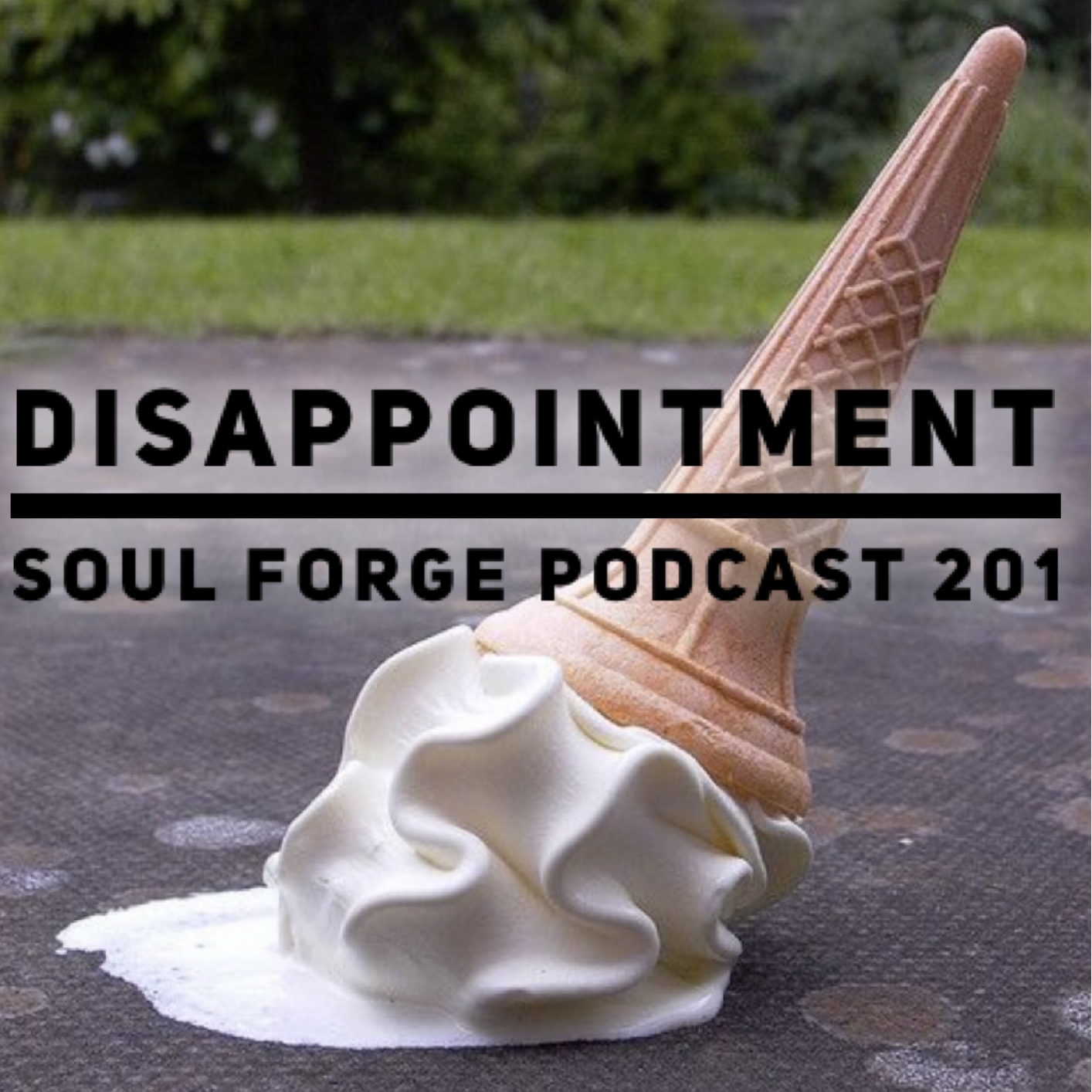
Disappointment - 201
from Soul Forge Podcast · host Shawn Vanderloo
What is disappointment? As an emotion, researchers describe disappointment as a form of sadness—a feeling of loss, an uncomfortable space (or a painful gap) between our expectations and reality. When we believe that there's something we must have to be happy and fulfilled, we can set ourselves up for disappointment. The noun disappointment comes from the Middle French word disappointer, meaning “undo the appointment,” or “remove from office.” It is true that a friend canceling your plans or losing your job is a disappointment, but today disappointment can describe anything that crushes your hopes, ruins your day, or otherwise lets you down. 7 strategies for getting over disappointment: 1. Give yourself a limited time to feel bad. Acknowledge the letdown but don't get mired in it. If you didn’t win the lottery, give yourself an hour to feel bad. If you didn’t get a promotion or if your bonus was less than you hoped for, give yourself a day—but then move on. 2. Don’t ruminate about what might have been. The more you dwell on the disappointment, the more it will hurt and disrupt your ability to focus, concentrate, problem-solve, or be creative. So be careful not to feed the disappointment and deepen your emotional hurt. 3. Avoid self-pity. Self-pity comes with a price—it takes away feelings of empowerment and agency and makes us feel as though we don’t have control over our lives. So indulge it at your peril; it can foster a bad mood and even depression if you get stuck for too long. 4. Use self-compassion. Be sympathetic toward yourself and compassionate about the fact that you hurt. Don’t beat yourself up or become self-critical; doing so will only hurt your confidence, damage your self esteem, and make you feel worse. 5. Put it in perspective. We often feel disappointed about things we are unlikely to remember in a month’s time. How many of us will think back from five years in the future to that day in 2016 when we didn’t win the lottery? Very few. If the disappointment you experienced was significant, try to focus on the larger picture of your life and remind yourself of all the things that are going well and for which you can be grateful. 6. Identify the next opportunity. This is easier to do with lottery tickets, of course, than with more significant events in your life that cause disappointment, but as they say in baseball: There’s always next season. Regardless of what disappointed you, spend a few moments figuring out when and how you can try again. 7. Remember: Success does not equal happiness. Research on lottery winners has found that their level of happiness rises dramatically after they win, but then reverts to the same level of happiness they felt before they won—usually within a year. This week's podcast promo: The Con Guys
What this episode covers
What is disappointment? As an emotion, researchers describe disappointment as a form of sadness—a feeling of loss, an uncomfortable space (or a painful gap) between our expectations and reality. When we believe that there's something we must have to be happy and fulfilled, we can set ourselves up for disappointment. The noun disappointment comes from the Middle French word disappointer, meaning “undo the appointment,” or “remove from office.” It is true that a friend canceling your plans or losing your job is a disappointment, but today disappointment can describe anything that crushes your hopes, ruins your day, or otherwise lets you down. 7 strategies for getting over disappointment: 1. Give yourself a limited time to feel bad. Acknowledge the letdown but don't get mired in it. If you didn’t win the lottery, give yourself an hour to feel bad. If you didn’t get a promotion or if your bonus was less than you hoped for, give yourself a day—but then move on. 2. Don’t ruminate about what might have been. The more you dwell on the disappointment, the more it will hurt and disrupt your ability to focus, concentrate, problem-solve, or be creative. So be careful not to feed the disappointment and deepen your emotional hurt. 3. Avoid self-pity. Self-pity comes with a price—it takes away feelings of empowerment and agency and makes us feel as though we don’t have control over our lives. So indulge it at your peril; it can foster a bad mood and even depression if you get stuck for too long. 4. Use self-compassion. Be sympathetic toward yourself and compassionate about the fact that you hurt. Don’t beat yourself up or become self-critical; doing so will only hurt your confidence, damage your self esteem, and make you feel worse. 5. Put it in perspective. We often feel disappointed about things we are unlikely to remember in a month’s time. How many of us will think back from five years in the future to that day in 2016 when we didn’t win the lottery? Very few. If the disappointment you experienced was significant, try to focus on the larger picture of your life and remind yourself of all the things that are going well and for which you can be grateful. 6. Identify the next opportunity. This is easier to do with lottery tickets, of course, than with more significant events in your life that cause disappointment, but as they say in baseball: There’s always next season. Regardless of what disappointed you, spend a few moments figuring out when and how you can try again. 7. Remember: Success does not equal happiness. Research on lottery winners has found that their level of happiness rises dramatically after they win, but then reverts to the same level of happiness they felt before they won—usually within a year. This week's podcast promo: The Con Guys
NOW PLAYING
Disappointment - 201
No transcript for this episode yet
Similar Episodes
Mar 26, 2026 ·1m
Jan 2, 2026 ·47m
Dec 21, 2025 ·46m