
EPISODE · May 12, 2021 · 1H 2M
Donating Our Money Is Irrational, So Why Do We Do It? Tim Kachuriak Explains Our Motivations
from Behavioral Grooves Podcast · host Kurt Nelson, PhD and Tim Houlihan
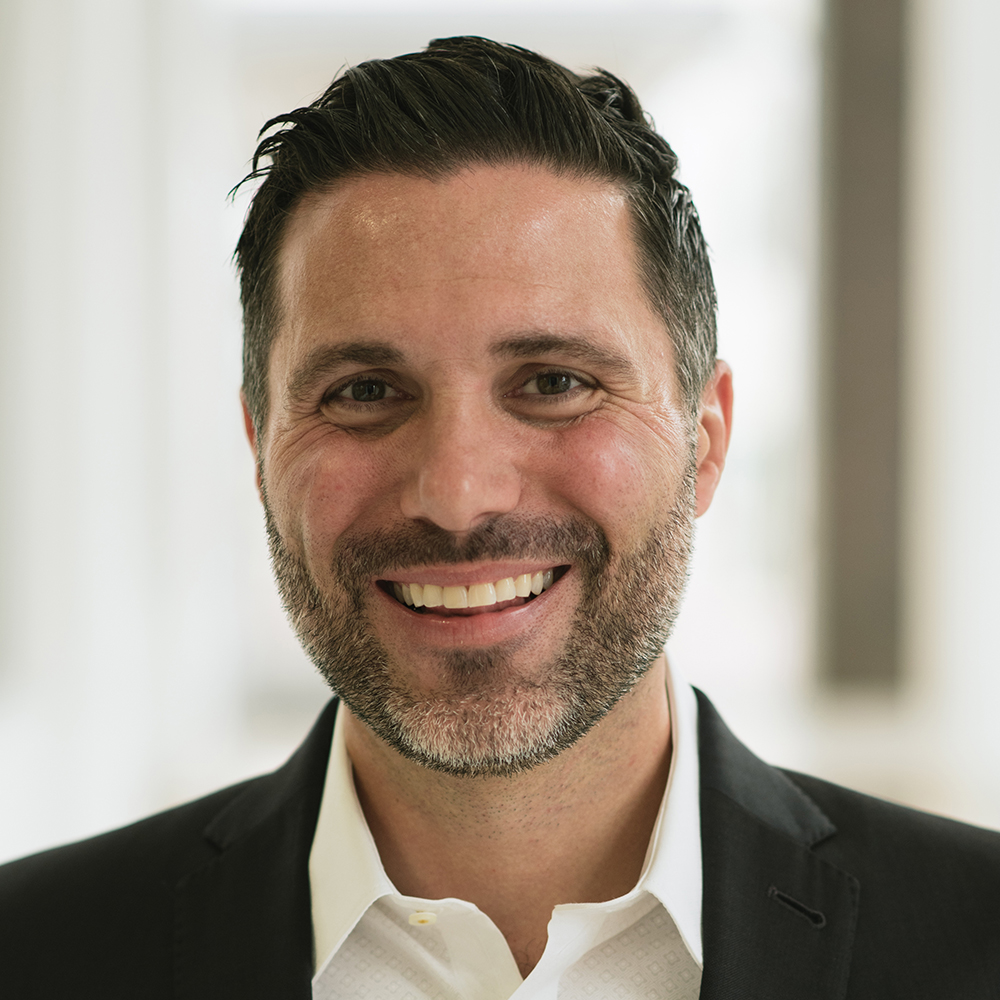
Tim Kachuriak is the founder and Chief Innovation and Optimization Officer for NextAfter (https://www.nextafter.com/), a fundraising research lab and consulting firm that works with businesses, nonprofits, and NGOs to help them grow their resource capacity. By his own admission, Tim is not a behavioral scientist, but what we love about Tim’s work is that he is using knowledge and research from the world of behavioral science and applying it to improve the efficiency of gift giving for nonprofit organizations. And not only does he use behavioral science techniques, he tests the theories in the nonprofit sector and generously publishes the findings on the NextAfter website (https://www.nextafter.com/research/). In our conversation with Tim, he underscores the need for thinking about value proposition, a term widely used in the digital marketing world, but rarely thought of in terms of nonprofit organizations. He argues that potential donors are constantly weighing up the perceived value vs. the perceived cost of donating their money. Tim also brings up the idea of reducing friction for donors: how can the giving experience be improved to make donating money a more seamless transaction. And we couldn’t help but see the parallels with the infamous new behavioral science book NOISE coming out later this month (Noise: A Flaw in Human Judgment (https://amzn.to/3heyr5r) by Kahneman, Sibony and Sunstein, 2021). There are many reasons why we donate to nonprofits; emotional reward, belonging, anger, guilt (or as Tim positively reframes it - gratitude!). Understanding these motivations is a huge part of Tim’s work and why, as behavioral scientists, we are fascinated to understand the research he has conducted around donations. Edit Hey groovers, just wanted to let you know that somehow, at 29:28 mins of the podcast we ended up cutting Tim’s response to the Susan G Komen question and can’t find it on the cutting room floor…sorry about that. What he answered was that it is important to look at the scale that these organizations work at and that sometimes spending 50% on marketing to raise a $100 million is more effective and can drive a larger change than only spending 10% on marketing, but only raising $10 million. We then went in and asked about how the pandemic has impacted giving.* We hope you enjoy our discussion with Tim Kachuriak and if you are a regular Behavioral Grooves listener, perhaps you feel motivated to donate to our work by becoming a Behavioral Grooves Patreon Member (https://www.patreon.com/behavioralgrooves). © 2021 Behavioral Grooves Topics (0:06) Introduction to our guest, Tim Kachuriak (3:50) Speed Round Questions (5:57) Why do People Give? (9:41) The Principle of Reciprocity (12:10) Effective Messaging and Value Proposition (22:25) Reducing Friction (34:48) Music (40:27) Grooving Session (58:44) Bonus Track Links NextAfter (https://www.nextafter.com/) NextAfter Research To Grow Generosity (https://www.nextafter.com/research/) Institute for Sustainable Philanthropy (https://www.philanthropy-institute.org.uk/) Roger Dooley: Friction and Engagement (https://behavioralgrooves.com/episode/roger-dooley-friction-and-engagement/) Susan G. Komen (https://www.komen.org/) Dan Pallotta, TED - The Way We Think About Charity Is Dead Wrong (https://www.ted.com/talks/dan_pallotta_the_way_we_think_about_charity_is_dead_wrong?language=en) John Hopkins University, Coronavirus Resource Centre (https://coronavirus.jhu.edu/) Rotary Club (https://www.rotary.org/) Salvation Army (https://www.salvationarmyusa.org/usn/) Noise: A Flaw in Human Judgment (https://amzn.to/3heyr5r) by Kahneman, Sibony and Sunstein, 2021 Phish, Boardwalk Hall, Atlantic City on 10.30.2010 (https://phish.net/setlists/phish-october-30-2010-boardwalk-hall-atlantic-city-nj-usa.html) Behavioral Grooves Patreon (https://www.patreon.com/behavioralgrooves) Musical Links Billy Joel “Scenes from An Italian Restaurant” (https://www.youtube.com/watch?v=Hxx8IWIvKg0) Phish “Whole lotta love” (https://www.youtube.com/watch?v=x6XcIOGWUhY) Other Episodes We Talk About Robert Cialdini, PhD: Littering, Egoism and Aretha Franklin (https://behavioralgrooves.com/episode/robert-cialdini-phd-littering-egoism-and-aretha-franklin/) Linda Thunstrom: Are Thoughts and Prayers Empty Gestures to Suffering Disaster Victims? (https://behavioralgrooves.com/episode/linda-thunstrom-are-thoughts-and-prayers-empty-gestures-to-suffering-disaster-victims/)
Embed this episode
What this episode covers
Emotional reward, belonging, frustration: we explore the many reasons why we make donations. And how behavioral science is being used in the nonprofit sector.
NOW PLAYING
Donating Our Money Is Irrational, So Why Do We Do It? Tim Kachuriak Explains Our Motivations
No transcript for this episode yet
Similar Episodes
No similar episodes found.
Similar Podcasts
No similar podcasts found.