
EPISODE · Oct 29, 2025 · 1H 10M
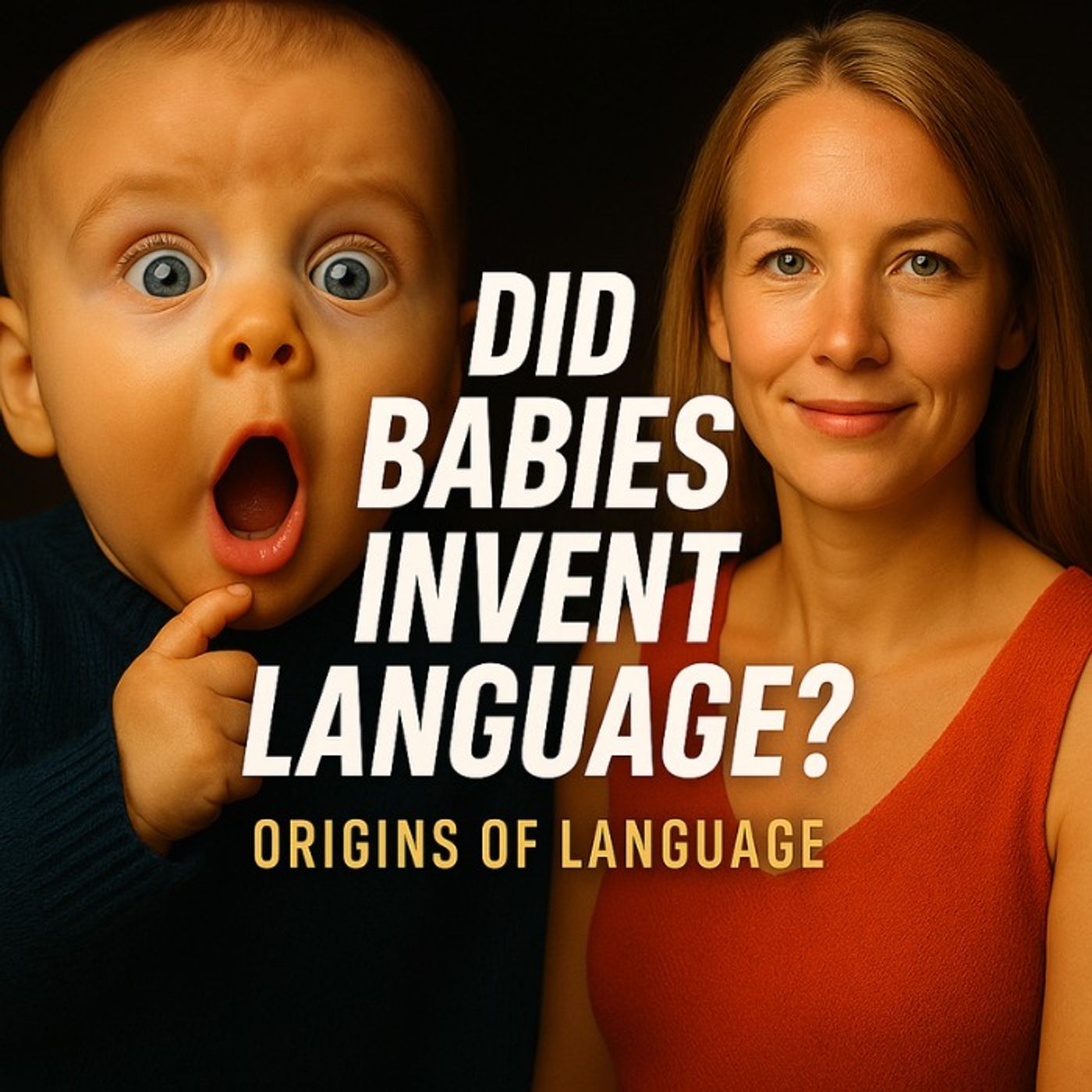
E164: The Real Reason You Can Speak: Explained by Evolutionary Biologist - Dr. Madeleine Beekman
from El Podcast · host Madeleine Beekman, El Podcast Media, El Podcast, Jesse Wright
How human babies, big brains, and social life likely forced Homo sapiens to invent precise speech ~150–200k years ago—and what that means for learning, tech, and today’s kids.Guest Bio:Madeleine Beekman is a professor emerita of evolutionary biology and behavioral ecology at the University of Sydney and author of Origin of Language: How We Learned to Speak and Why. She studies social insects, collective decisions, and the evolution of communication.Topics Discussed:Why soft tissues don’t fossilize; language origins rely on circumstantial evidenceThree clocks for timing (~150–200k years): anatomy; trade/complex tech/art; phoneme “bottleneck”Why Homo sapiens (not Neanderthals) likely had full speechLanguage as a “virus” tuned to children; pidgin → creole via kidsSecond-language learning: immersion over translationBees/ants show precision scales with ecological stakesEvolutionary chain: bipedalism → narrow pelvis + big brains → helpless infants → precise speechOngoing human evolution (archaic DNA, altitude, Inuit lipid adaptations)Flynn effect reversal, screens, AI reliance, anthropomorphism risksReading, early interaction, and the Regent honeyeater “lost song” lessonUniversities, online classes, and “degree over learning”Main Points:Multiple evidence lines converge on speech emerging with anatomically modern humans ~150–200k years ago.Anatomical and epigenetic clues suggest only Homo sapiens achieved full vocal speech.Extremely dependent infants created strong selection for precise, teachable communication.Children’s brains shape languages; kids regularize grammar.Communication precision rises when mistakes are costly (bee-dance analogy).Humans continue to evolve; genomes show selected archaic introgression and local adaptations.Tech-driven habits may erode cognition and language skill; reading matters.AI is a tool that imitates human output; humanizing it can mislead and harm, especially for teens.Start early: talk, read, and interact face-to-face from birth.Top Quotes:“Only Homo sapiens was ever able to speak.”“Language will go extinct if it can’t be transmitted from brain to brain—the best host is a child.”“The precision of communication is shaped by how important it is to be precise.” 🎙 The Pod is hosted by Jesse Wright💬 For guest suggestions, questions, or media inquiries, reach out at https://elpodcast.media/📬 Never miss an episode – subscribe and follow wherever you get your podcasts.⭐️ If you enjoyed this episode, please rate and review the show. It helps others find us. Thanks for listening!
Embed this episode
What this episode covers
Madeleine Beekman, Professor Emerita of Evolutionary Biology and Behavioral Ecology, explains when and why humans first began to speak — arguing that language likely emerged around 150–200,000 years ago because our babies are born extremely helpless and require long-term, cooperative care. That need to work together pushed our ancestors to develop clear, precise communication, and children’s flexible, learning-ready brains helped shape the structure of language as it spread.
NOW PLAYING
E164: The Real Reason You Can Speak: Explained by Evolutionary Biologist - Dr. Madeleine Beekman
No transcript for this episode yet
Similar Episodes
No similar episodes found.
Similar Podcasts
No similar podcasts found.