Economic risks loom larger after the election episode artwork

EPISODE · Jun 3, 2026 · 3 MIN

Economic risks loom larger after the election

from Korea JoongAng Daily - Daily News from Korea

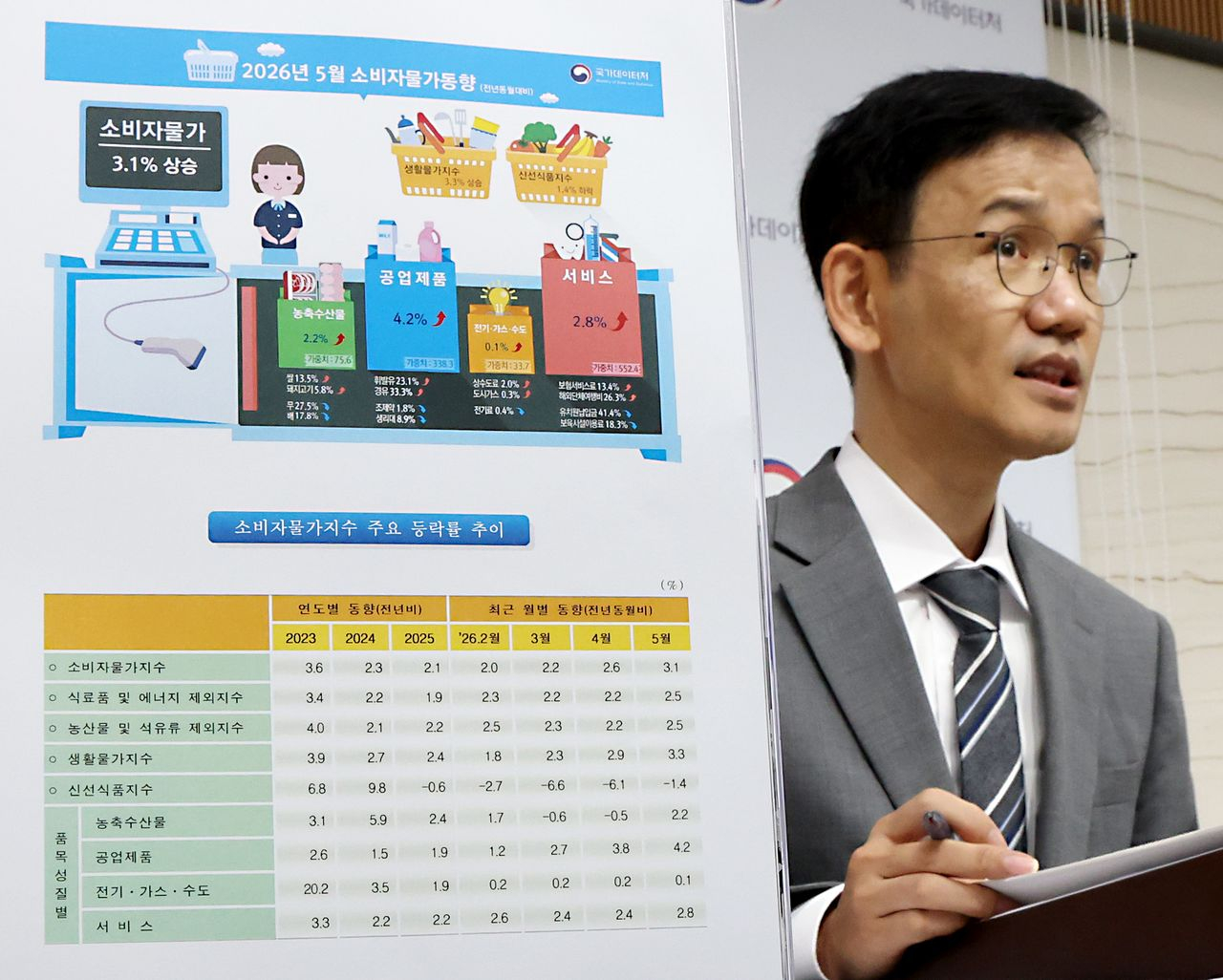
The local government leaders elected Wednesday face difficult challenges. The same is true for the central government, which postponed tough decisions until after the vote. Korea faces the "three highs" of inflation, exchange rates and interest rates, while stock market volatility and housing market risks are also growing. None of these issues can be resolved easily. Inflation remains a major concern. Consumer prices rose 3.1 percent last month, the fastest increase in two years and two months. The government has spent heavily to suppress fuel prices through a petroleum price cap policy. Without that measure, inflation likely would have been even higher. The policy's side effects are becoming clearer. Overseas package tour prices rose 26.3 percent last month, reflecting broader increases in travel-related costs. This suggests the policy weakened consumers' sensitivity to high oil prices and encouraged greater fuel consumption, a consequence critics had warned about. The won remains in the 1,500-per-dollar range. A weak currency does not necessarily signal a crisis, but it reflects the broader condition of the economy. It also raises import costs, increasing production expenses for companies that rely on foreign raw materials and adding pressure to domestic prices. Interest rates present another challenge. The Bank of Korea strongly signaled a policy rate increase in July. The upper end of five-year fixed mortgage rates at commercial banks has already climbed above 7 percent. Higher rates increase debt-servicing burdens and reduce household spending. The stock market also requires caution. Although the Kospi has approached the 9,000-point level, gains have been concentrated in semiconductor-related shares and volatility has increased. Housing risks are equally serious. Seoul apartment prices continue to rise and the rental market remains unstable. Policymakers should prepare for the possibility that profits from soaring semiconductor stocks and large performance bonuses could flow into housing. Recent housing pension data highlight this trend. Between January and April, 927 people terminated their reverse mortgage contracts, up 38 percent from a year earlier. The increase suggests many homeowners expect housing prices to rise further. The combination of a semiconductor boom, a weak currency and elevated inflation is likely to intensify inflationary pressure. Candidates who campaigned on cash-based welfare measures such as local currency programs should recognize these realities and abandon policies that could worsen inflation. The central government should also avoid relying on strong tax revenues to expand spending and instead focus on structural reforms and long-term investments that can strengthen Korea's economic fundamentals. The election is over. The economic concerns are not. This article was originally written in Korean and translated by a bilingual reporter with the help of generative AI tools. It was then edited by a native English-speaking editor. All AI-assisted translations are reviewed and refined by our newsroom.

The local government leaders elected Wednesday face difficult challenges. The same is true for the central government, which postponed tough decisions until after the vote. Korea faces the "three highs" of inflation, exchange rates and interest rates, while stock market volatility and housing market risks are also growing. None of these issues can be resolved easily. Inflation remains a major concern. Consumer prices rose 3.1 percent last month, the fastest increase in two years and two months. The government has spent heavily to suppress fuel prices through a petroleum price cap policy. Without that measure, inflation likely would have been even higher. The policy's side effects are becoming clearer. Overseas package tour prices rose 26.3 percent last month, reflecting broader increases in travel-related costs. This suggests the policy weakened consumers' sensitivity to high oil prices and encouraged greater fuel consumption, a consequence critics had warned about. The won remains in the 1,500-per-dollar range. A weak currency does not necessarily signal a crisis, but it reflects the broader condition of the economy. It also raises import costs, increasing production expenses for companies that rely on foreign raw materials and adding pressure to domestic prices. Interest rates present another challenge. The Bank of Korea strongly signaled a policy rate increase in July. The upper end of five-year fixed mortgage rates at commercial banks has already climbed above 7 percent. Higher rates increase debt-servicing burdens and reduce household spending. The stock market also requires caution. Although the Kospi has approached the 9,000-point level, gains have been concentrated in semiconductor-related shares and volatility has increased. Housing risks are equally serious. Seoul apartment prices continue to rise and the rental market remains unstable. Policymakers should prepare for the possibility that profits from soaring semiconductor stocks and large performance bonuses could flow into housing. Recent housing pension data highlight this trend. Between January and April, 927 people terminated their reverse mortgage contracts, up 38 percent from a year earlier. The increase suggests many homeowners expect housing prices to rise further. The combination of a semiconductor boom, a weak currency and elevated inflation is likely to intensify inflationary pressure. Candidates who campaigned on cash-based welfare measures such as local currency programs should recognize these realities and abandon policies that could worsen inflation. The central government should also avoid relying on strong tax revenues to expand spending and instead focus on structural reforms and long-term investments that can strengthen Korea's economic fundamentals. The election is over. The economic concerns are not. This article was originally written in Korean and translated by a bilingual reporter with the help of generative AI tools. It was then edited by a native English-speaking editor. All AI-assisted translations are reviewed and refined by our newsroom.

NOW PLAYING

Economic risks loom larger after the election

0:00 3:19

No transcript for this episode yet

We transcribe on demand. Request one and we'll notify you when it's ready — usually under 10 minutes.

Breaking News Show | eTurboNews Juergen Thomas Steinmetz News is relevant to the global travel and tourism industry, human rights and global issues.Breaking news when it happens and only from the source. French Your Way Jessica: Native French teacher founder of French Your Way Boost your French listening skills and test your comprehension with this one of a kind series of podcasts. Get the chance to listen to a real conversation between native speakers talking at normal speed AND customise your learning experience through carefully designed sets of questions (2 levels of difficulty) available for download at www.frenchvoicespodcast.com. All interviews also come with the transcript. French teacher Jessica interviews native speakers of French from around the world who share a bit of their life and passion. Where else would you meet in one same place a French yoga teacher based in Melbourne, a soap manufacturer from Provence, or a couple cycling around the world? HOMELAND HOMELAND The Church is a body not a building. It's the bride of Jesus Christ! Jesus is coming back for a mature bride. That means it's time for the church of Jesus Christ to move from milk to meat. This is the hour of maturity!HOMELAND is an announcement that the church is being set free. Only the church has the ability to transform the world. The kingdom's of this world will become the kingdoms of our Lord and Savior!All of creation has been waiting for this moment! Sons and daughters of God are rising up and taking their seat! PodQuesting Dwight J Randolph- WolfShield Media PodQuesting: -By WolfShield Media and Dwight J RandolphJoin us on an exciting journey to master the world of fiction podcasting! At PodQuesting, we document our quest to improve and innovate, sharing valuable insights, strategies, and behind-the-scenes tips along the way. Whether you're an experienced podcaster or just starting your first show, our podcast is your go-to resource for everything podcasting.Discover practical advice, creative techniques, and lessons from our own experiences as we explore the ever-evolving podcasting landscape. Ready to level up your skills and embark on this adventure with us? Tune in and join the quest!Have questions or feedback? Reach out to us at [email protected] and visit our website:WolfShield.Media

Frequently Asked Questions

How long is this episode of Korea JoongAng Daily - Daily News from Korea?

This episode is 3 minutes long.

When was this Korea JoongAng Daily - Daily News from Korea episode published?

This episode was published on June 3, 2026.

What is this episode about?

The local government leaders elected Wednesday face difficult challenges. The same is true for the central government, which postponed tough decisions until after the vote. Korea faces the "three highs" of inflation, exchange rates and interest...

Can I download this Korea JoongAng Daily - Daily News from Korea episode?

Yes, you can download this episode by clicking the download button on the episode player, or subscribe to the podcast in your preferred podcast app for automatic downloads.
URL copied to clipboard!