
EPISODE · Dec 2, 2024 · 47 MIN
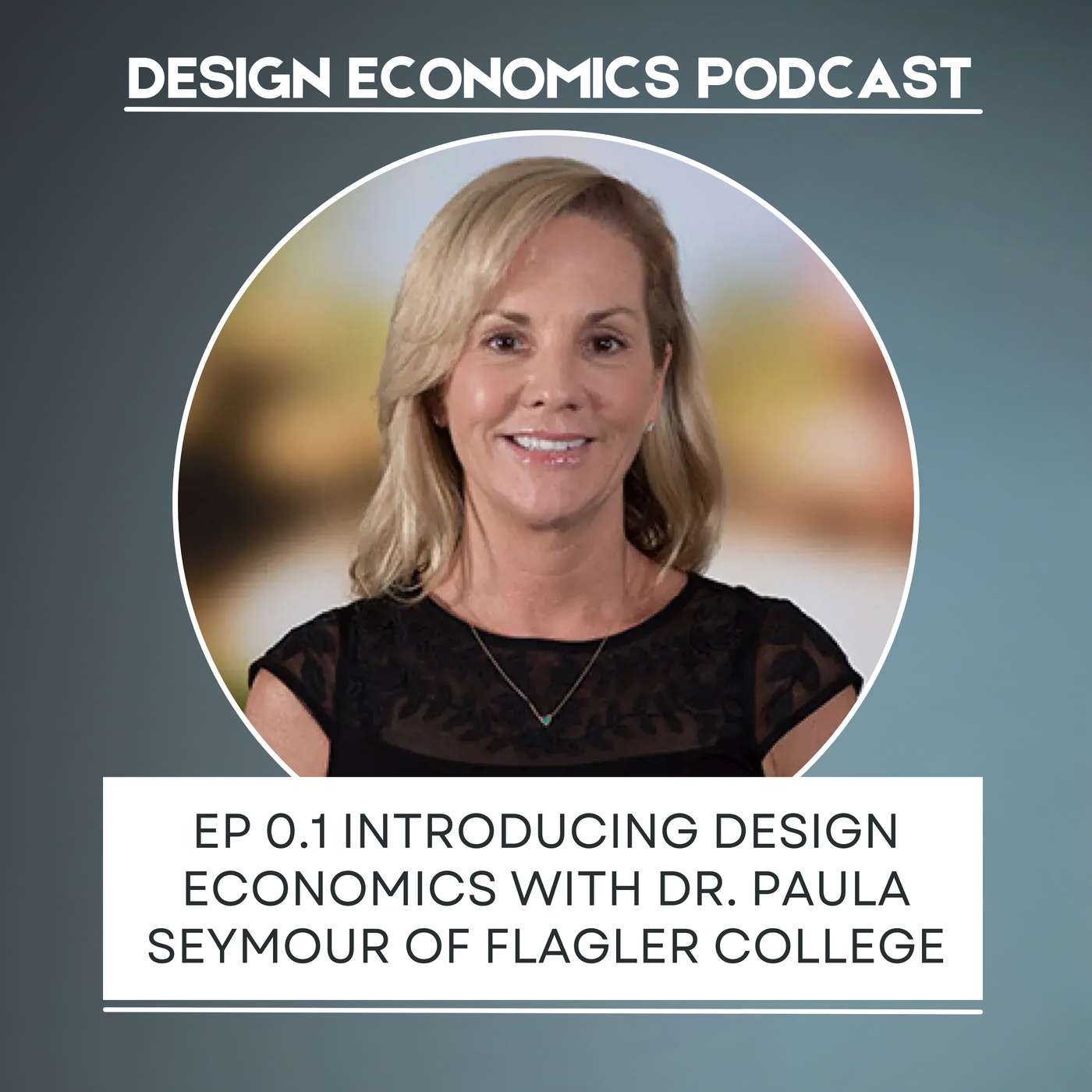
EP 0.1 Introducing Design Economics with Paula Seymour of Flagler College
from Design Economics Podcast with Vinny Tafuro · host Institute for Economic Evolution, Inc.
Join host Vinny Tafuro and guest Dr. Paula Seymour, Assistant Professor and Program Director of Social Entrepreneurship at Flagler College, as they explore how design thinking can revolutionize economics for the 21st century. Learn about the three tenets of design economics and hear how visionary thinkers like Hazel Henderson, Marilyn Waring, Riane Eisler, and Kate Raworth have shaped this approach to creating more sustainable, human-centered economic solutions.Connect with the show:Click here to view the episode transcript. ★ Support this podcast ★ Connection to Design Economics TenetsThe Three Tenets of Design EconomicsAcknowledging Change: Recognition that economic paradigms have lifespans and must evolve with societyEmbracing Creativity: Economics must refrain from punishing creativity and embrace interdisciplinary approachesCultivating Literacy: Economic literacy is essential for a free, equitable, and flourishing societyKey Pioneering Thinkers DiscussedHazel Henderson: Critiqued GDP limitations, advocated for environmental considerations in economicsMarilyn Waring: Developed time-use surveys showing unpaid care work as the largest segment of the economyRiane Eisler: Created partnership vs. domination framework for economic systemsKate Raworth: Developed Doughnut Economics balancing human needs with planetary boundariesPractical ApplicationsB Corporations as a market-based implementation of design economics principlesTransparency and accountability in business as drivers of economic literacyKey Quotes"We find, support and share data-driven and design-centered economic ideas aligned with the three tenets of design economics... our vision is nurturing economic systems that cultivate rather than restrict our human potential." - Vinny Tafuro"Putting the needs of users first and observing how the user interacts with their environment and then generating ideas and prototyping and designing around the human needs is, again, an integral part of being a social entrepreneur and recognizing that we are not just designing to design, we're designing to bring about change for the greater good." - Dr. Paula Seymour"Practical men who believe themselves to be quite exempt from intellectual influence are usually the slaves of some defunct economist." - John Maynard Keynes (quoted by Vinny Tafuro)"We're claiming to be truly sustainable, as businesses, as societies, but we're doing better with the environment... but we can't figure out the people. It's like, how do we measure it? And everybody's so scared to venture into the realm of the social side, what it means to be sustainable." - Dr. Paula Seymour"Economic literacy supports democracy. A well-informed citizenry is essential for a functioning democracy, and economic decisions affect education, healthcare, infrastructure, environmental policies, and citizens need this literacy to be able to hold leaders accountable." - Dr. Paula Seymour"How can you accommodate for two-thirds the largest part of your society if you don't even know it's there?" - Vinny TafuroConnect with the show:Click here to view the episode transcript. ★ Support this podcast ★
What this episode covers
Join host Vinny Tafuro and guest Dr. Paula Seymour, Assistant Professor and Program Director of Social Entrepreneurship at Flagler College, as they explore how design thinking can revolutionize economics for the 21st century. Learn about the three tenets of design economics and hear how visionary thinkers like Hazel Henderson, Marilyn Waring, Riane Eisler, and Kate Raworth have shaped this approach to creating more sustainable, human-centered economic solutions.Connect with the show:Click here to view the episode transcript. ★ Support this podcast ★ Connection to Design Economics TenetsThe Three Tenets of Design EconomicsAcknowledging Change: Recognition that economic paradigms have lifespans and must evolve with societyEmbracing Creativity: Economics must refrain from punishing creativity and embrace interdisciplinary approachesCultivating Literacy: Economic literacy is essential for a free, equitable, and flourishing societyKey Pioneering Thinkers DiscussedHazel Henderson: Critiqued GDP limitations, advocated for environmental considerations in economicsMarilyn Waring: Developed time-use surveys showing unpaid care work as the largest segment of the economyRiane Eisler: Created partnership vs. domination framework for economic systemsKate Raworth: Developed Doughnut Economics balancing human needs with planetary boundariesPractical ApplicationsB Corporations as a market-based implementation of design economics principlesTransparency and accountability in business as drivers of economic literacyKey Quotes"We find, support and share data-driven and design-centered economic ideas aligned with the three tenets of design economics... our vision is nurturing economic systems that cultivate rather than restrict our human potential." - Vinny Tafuro"Putting the needs of users first and observing how the user interacts with their environment and then generating ideas and prototyping and designing around the human needs is, again, an integral part of being a social entrepreneur and recognizing that we are not just designing to design, we're designing to bring about change for the greater good." - Dr. Paula Seymour"Practical men who believe themselves to be quite exempt from intellectual influence are usually the slaves of some defunct economist." - John Maynard Keynes (quoted by Vinny Tafuro)"We're claiming to be truly sustainable, as businesses, as societies, but we're doing better with the environment... but we can't figure out the people. It's like, how do we measure it? And everybody's so scared to venture into the realm of the social side, what it means to be sustainable." - Dr. Paula Seymour"Economic literacy supports democracy. A well-informed citizenry is essential for a functioning democracy, and economic decisions affect education, healthcare, infrastructure, environmental policies, and citizens need this literacy to be able to hold leaders accountable." - Dr. Paula Seymour"How can you accommodate for two-thirds the largest part of your society if you don't even know it's there?" - Vinny TafuroConnect with the show:Click here to view the episode transcript. ★ Support this podcast ★
NOW PLAYING
EP 0.1 Introducing Design Economics with Paula Seymour of Flagler College
No transcript for this episode yet
Similar Episodes
Mar 26, 2026 ·1m
Jan 2, 2026 ·47m
Dec 21, 2025 ·46m