
EPISODE · May 26, 2026 · 1H 1M
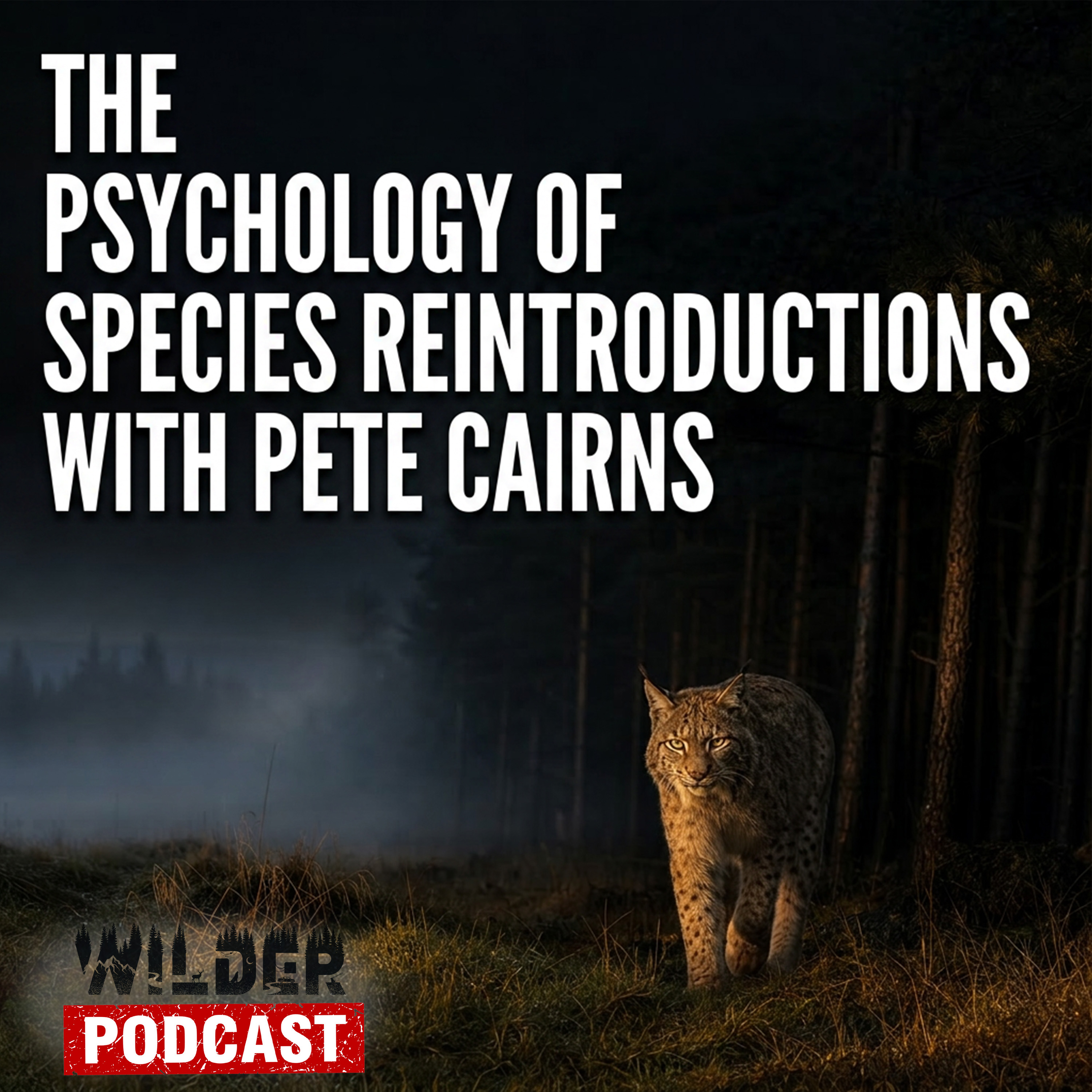
Ep. 054: The Psychology of Species Reintroductions with Pete Cairns
from Wilder Podcast
Episode summaryWe see Pete Cairns as rewilding royalty. Thirty years in the conservation conversation, co-founder and former CEO of SCOTLAND: The Big Picture, and now host of the new podcast At the Edge. In this episode Tom and Chloe sit down with Pete to dig into the one thing every species reintroduction in the UK has in common, and it is not the species.Wildcats, sea eagles, red kites, beavers, lynx. The practical side of bringing animals back is largely solved. What is not solved is the human side. The consultation, the fear, the bureaucracy, the politics, and the deep emotional and economic stakes for the rural communities living on the front line.We talk about the 11 million domestic cats in the UK and the 100 million wild animals they kill each year. The mysterious lynx release in the Cairngorms in January 2025. Whether "beaver bombers" should be celebrated or condemned. And what Pete would do if he had a magic wand to fix the system.The post-interview chat between Tom and Chloe gets properly unpacked on the moral case for reintroductions, the sheep farmer's perspective, and whether logic or culture should lead.About the guestPete Cairns has spent thirty years working on rewilding communications and engagement, with a particular focus on the human-wildlife fault line. He co-founded SCOTLAND: The Big Picture and served as its CEO until 2025. He now works independently and hosts the podcast At the Edge, a deep dive into our relationship with wild nature and each other.Find Pete on LinkedIn: linkedin.com/in/petercairnsphoto Listen to At the Edge: attheedge.org.ukChapters00:00 - Welcome and what is the Wilder Podcast01:55 - Project update: the community day04:22 - Thanks to Katya and Hannah in the market garden05:09 - Pigs escaping again06:38 - Why we're talking to Pete07:10 - Pete's introduction and 30 years in the rewilding conversation10:07 - What is a wildcat, and how did Scotland nearly lose them12:22 - Why the wildcat decline went unnoticed for so long15:00 - The elephant in the room: 11 million domestic cats and 100 million wild animals18:05 - Cats are hardwired, not killing for fun 22:02 - The principles of species reintroduction, from sea eagles to today24:16 - Beavers, wolves and the feeling that reintroductions are "done to" rural communities26:00 - Lynx to Scotland vs The Missing Lynx Project: two regulatory bodies, two processes28:35 - Selling the benefits, hearing the concerns, and the sheep predation reality31:30 - "Just pay the farmer" is a dangerous narrative 32:20 - What does success even look like35:14 - The shortage of skilled navigators in conservation35:54 - The illegal lynx release in the Cairngorms, January 202538:15 - Beaver bombers and the guerrilla rewilding question40:16 - If Pete could redesign the system, what would it look like43:04 - What one listener can actually do: voice, vote, money45:04 - Is wildcat reintroduction a success48:07 - Pete's sign-off and where to find At the Edge48:42 - Tom and Chloe debrief: cats, sheep farmers, and the moral argument59:24 - The ripple effect of wild landscapes on cultureKey takeawaysSpecies reintroduction is no longer a practical problem. The science and the techniques exist. The challenge now is social, cultural and political: how do we live alongside species we have not shared the landscape with for generations.The UK is one of the only countries in Europe with no large carnivores, and one of the only countries anywhere. The question is not whether it is ecologically possible. It is whether we will.The "just pay the farmer" line misses the point. Farmers are motivated by financial considerations, but also by tradition, family history, animal welfare and a sense of place. None of those things have a price tag.Lynx to Scotland is the most comprehensive consultation a reintroduction has ever had in this country. Whether it ultimately leads to a release or not, the process itself has reset the standard.The illegal lynx release in the Cairngorms in January 2025 was, in Pete's words, "plain stupid". But it advanced the conversation. There is a sweet spot somewhere between an illicit release and a process that takes 15 years.Mediating these conversations is a specialist skill, and there is a real shortage of people who can do it well. Most conservation organisations cannot mediate their own debates because they wear a badge.Domestic cats kill an estimated 100 million wild animals in the UK every year. Not a judgement on cat ownership, but a call for informed choice.Resources and links mentionedOrganisationsSCOTLAND: The Big Picture: scotlandbigpicture.comRoyal Zoological Society of Scotland (RZSS): rzss.org.ukSaving Wildcats project: savingwildcats.co.ukHighland Wildlife Park: highlandwildlifepark.org.ukLynx to Scotland: lynxtoscotland.orgTrees for Life: treesforlife.org.ukThe Lifescape Project: lifescapeproject.orgNatureScot: nature.scotNatural England: gov.uk/government/organisations/natural-englandRSPB: rspb.org.ukBuglife: buglife.org.ukRewilding Britain: rewildingbritain.org.ukReferenced in the episodePete's new podcast, At the Edge: attheedge.org.ukThe Scottish Code for Conservation Translocations: nature.scot/professional-advice/safeguarding-protected-areas-and-species/translocationIberian Lynx programme (the model Saving Wildcats is based on)Come and stay with usOur off-grid cabins are open and our guests this weekend told us the same thing many listeners do when they arrive: the photos do not do it justice. If you have been following the podcast and want to experience the Grange Project in person, the cabins are bookable now.Visit grangeproject.co.uk and click "Stay with us" in the top right corner.
NOW PLAYING
Ep. 054: The Psychology of Species Reintroductions with Pete Cairns
No transcript for this episode yet
Similar Episodes
Mar 26, 2026 ·1m
Jan 2, 2026 ·47m
Dec 21, 2025 ·46m