
EPISODE · Mar 3, 2025 · 16 MIN
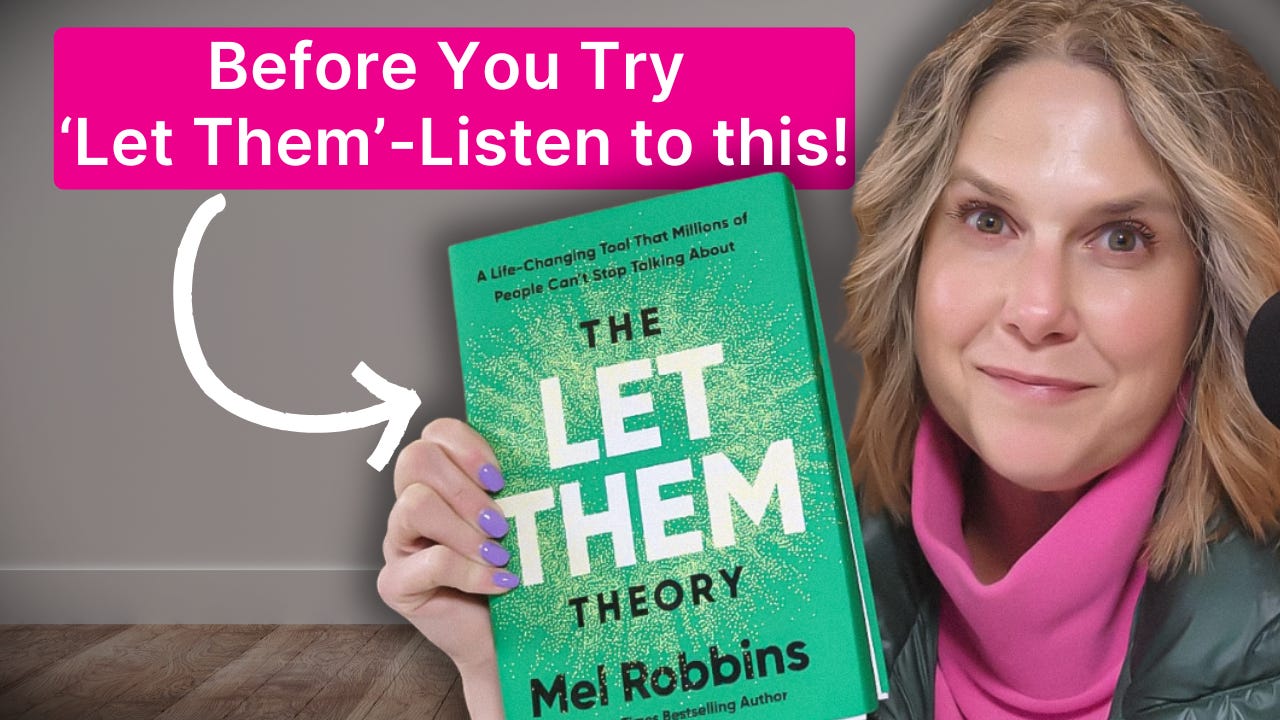
Ep 125: The Hidden Flaws in Mel Robbins’ ‘Let Them’ Theory A Trauma-Informed Critique
from Flip Your Mindset · host Stacey Uhrig
I love a good personal development book. When Mel Robbins released The Let Them Theory, I was eager to dive in. I’ve followed her for years, attended her live events, and always appreciated her practical, no-nonsense approach to personal growth. Her work resonates with me because, like her, I focus on tangible, actionable strategies for self-improvement.But as I read The Let Them Theory, something didn’t sit right with me.The premise is simple: stop trying to control others. If someone cancels plans? Let them. If a partner has bad habits? Let them. If a coworker doesn’t meet expectations? Let them. The book encourages us to shift our focus from external control to internal peace, which is a powerful and liberating concept.And yet, I found myself asking: But what about people with complex trauma?Why ‘Let Them’ Falls Short for Trauma SurvivorsFor people with developmental trauma or complex PTSD, the idea of simply “letting them” isn’t just difficult—it can feel impossible. Many trauma survivors struggle with deep-rooted people-pleasing behaviors, difficulty setting boundaries, and a chronic need for validation. These aren’t just bad habits; they’re survival mechanisms.Telling someone with a history of trauma to “just let them” is like telling someone with a broken leg to “just walk it off.” It ignores the underlying nervous system responses that drive their need for control.People who’ve experienced childhood neglect, abandonment, or emotional abuse are wired to scan for threats. Their nervous systems have been shaped by unpredictability, making it incredibly difficult to relinquish control without first doing deeper healing work. Without addressing these core wounds, trying to “let them” can feel like abandoning oneself rather than setting a healthy boundary.Healing Comes Before ‘Letting Them’In my work as a trauma-informed coach, I use modalities like Internal Family Systems (IFS), Polyvagal Theory, and Rapid Transformational Therapy (RTT) to help clients understand and integrate their protective parts. These are the parts of us that people-please, seek validation, and try to control outcomes in order to feel safe.Healing these patterns isn’t about deciding to think differently—it’s about shifting the nervous system. Before someone with unresolved trauma can let go, they have to address the deep-seated beliefs that make control feel necessary for survival.When real healing takes place, the Let Them mindset becomes possible—because it no longer triggers a survival response. Instead of feeling like rejection or abandonment, it starts to feel like freedom.Key Takeaways from The Let Them TheoryDespite its limitations for trauma survivors, the book does offer some valuable takeaways:* Boundaries Are Essential – Letting others make their own choices means protecting your own emotional well-being.* You’re Not Responsible for Others’ Actions – Releasing control doesn’t mean abandoning relationships; it means respecting autonomy.* ** e** – If letting go feels impossible, it’s likely tied to unresolved wounds. The first step isn’t trying harder; it’s understanding why control feels necessary.Final ThoughtsMel Robbins writes, “Letting them isn’t losing control, it’s gaining freedom.” I agree. But for those with trauma histories, gaining that freedom often requires deeper healing first.So, if you’ve tried applying the Let Them mindset and feel like you’re hitting a wall, don’t be discouraged. It’s not because you’re failing—it’s because your nervous system is still holding onto past wounds. Do the healing work first. Then, and only then, can letting go truly set you free.Have you read The Let Them Theory? What are your thoughts? I’d love to hear from you—drop a comment or reply to this post! This is a public episode. If you'd like to discuss this with other subscribers or get access to bonus episodes, visit flipyourmindset.substack.com/subscribe
Embed this episode
NOW PLAYING
Ep 125: The Hidden Flaws in Mel Robbins’ ‘Let Them’ Theory A Trauma-Informed Critique
No transcript for this episode yet
Similar Episodes
No similar episodes found.
Similar Podcasts
No similar podcasts found.