
EPISODE · Oct 6, 2025 · 6 MIN
EP 153: The ‘Good But...’ Childhood: 5 Signs of an Invisible Wound
from Flip Your Mindset · host Stacey Uhrig
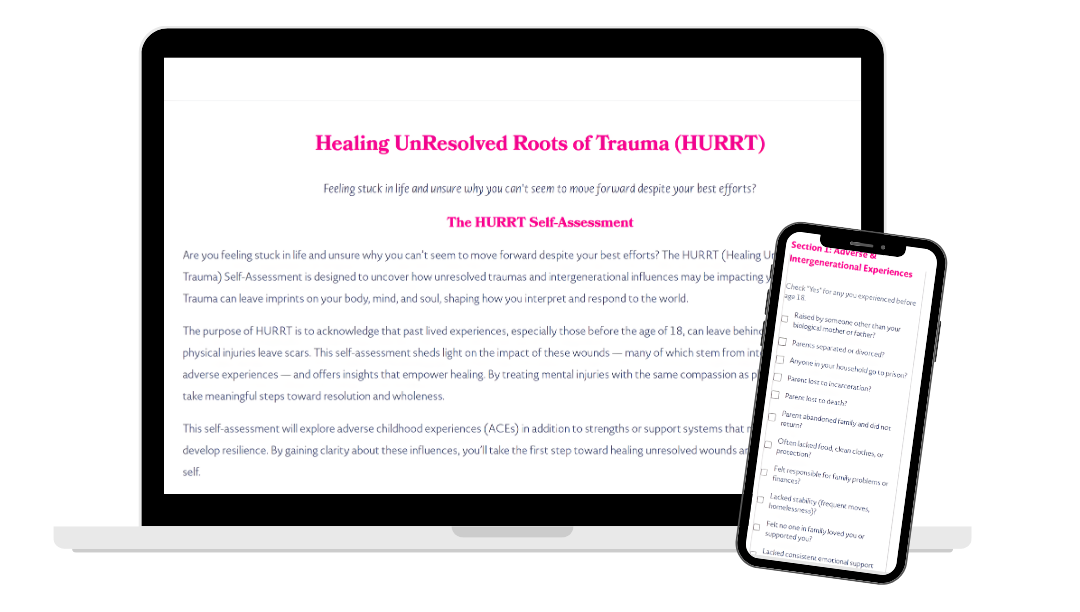
When people ask about your childhood, do you find yourself saying something like, “Oh, it was fine,” or “It was good, I guess. I had everything I needed…”?On the surface, it’s true. There was food on the table, a roof over your head, and no big, overt traumas to point to. Yet, deep down, there’s a part of you that feels like something was missing. You might carry a persistent feeling of emptiness, loneliness, or a sense that you’re somehow fundamentally different from other people.If that resonates, you are in the right place. We’re going to talk about one of the most common but least understood forms of childhood wounding: Emotional Neglect.It’s the invisible wound. And today, we’re going to make it visible.Defining the Wound of OmissionSo, what exactly is emotional neglect?Unlike abuse or physical neglect, which are acts of commission (things that were done to you), emotional neglect is an act of omission.It’s not about what your parents did; it’s about what they failed to do.It is the failure of parents or caregivers to notice, respond to, and validate your emotional needs. They may have loved you, provided for you, and wished the best for you. But they didn’t have the capacity to connect with you on an emotional level. They didn’t help you name your feelings, they didn’t show you that your inner world was important, and they didn’t truly see you for who you were.As a child, you don’t have the words for this experience. You just internalize the consequences. You learn that your feelings don’t matter, that your needs are a burden, and that you are, in a very deep way, on your own. This creates a profound wound, and it shows up in very specific ways in your adult life.Five Signs You Grew Up with Emotional NeglectLet’s look at five of the most common signs that you might be carrying this invisible wound. See which of these feel true for you.* A Persistent Feeling of Emptiness or Numbness.This is the hallmark sign. You might have a good life on the outside—a decent job, friends, a partner—but you feel a chronic emptiness inside, like a piece is missing. This is because the emotional connection and validation you were supposed to receive as a child left a void that material things can’t fill.* You Are Your Own Harshest Critic.When your feelings weren’t validated as a child, you learn not to trust them. You internalize the message that something is inherently wrong with you for having those feelings. This evolves into a loud inner critic that judges you for your emotions, your mistakes, and your very needs. Self-compassion feels foreign and undeserved.* You Have Difficulty Identifying and Expressing Your Feelings.Does your mind go blank when someone asks, “How are you feeling?” Children learn to identify and manage their emotions through their interactions with caregivers. If no one helped you do this, you likely grew into an adult who is disconnected from your own inner world. You might know you feel “bad,” but you can’t pinpoint if it’s anger, sadness, shame, or fear.* You Feel Deeply Uncomfortable Asking for Help or Having Needs.You probably learned very early on that your needs were an inconvenience, a burden, or simply invisible. As an adult, this translates into a fierce, often isolating, independence. You feel guilty, weak, or anxious for needing anything from anyone. You do everything yourself, often to the point of exhaustion and burnout, because it feels safer than relying on others.* You Struggle with Self-Discipline and Nurturing Yourself.This one might seem counterintuitive, but consistent self-discipline is really just an act of self-parenting. If you weren’t shown how to nurture yourself, care for your own needs, or create helpful structure, it can be very difficult to do it for yourself as an adult. You might know what you “should” do to take care of yourself, but you struggle to follow through.Connecting the Dots: Your Story Makes SenseIf you resonated with one, or maybe even all five of those signs, I want you to take a deep breath.You are not broken. You are not overly sensitive. What you are feeling makes perfect sense based on what you didn’t receive.Giving a name to this experience—”Emotional Neglect”—is the first, most powerful step toward healing. The next step is to get a clearer picture of how these patterns fit into your unique story. It’s time to connect the dots between your past and your present.This is exactly why I included a section dedicated entirely to Emotional Neglect in my HURRT Self-Assessment. It’s a free, private tool I created to help you explore these patterns alongside your other life experiences and your incredible strengths. It’s designed to help you see the full picture with clarity, not judgment.It’s a starting point for giving yourself the understanding you may have never received.Take the FREE HURRT Self-Assessment and start connecting the dots.A Simple First Step You Can Take TodayUnderstanding this is one thing, but what can you do right now? Here is one simple practice to begin building the skill of self-validation.Start a ‘Feelings Journal.’A few times a day, simply pause and ask yourself: “What am I feeling in my body right now?”Don’t judge the answer or try to fix it. Just name it. “I feel a tightness in my chest.” “I feel a buzzing in my hands.” “I feel a hollowness in my stomach.” You are simply practicing the act of noticing your own inner experience. This is how you begin to fill that void from the inside out.You Deserve This ClarityHealing from emotional neglect is about learning to give yourself the emotional attention and validation you didn’t receive. It’s a process of coming home to yourself.If you are ready to get clear on your own story and see how these pieces fit together, I warmly invite you to take the free HURRT Self-Assessment. It’s a powerful, illuminating step toward understanding yourself more deeply.Click here to get started with the free HURRT Self-Assessment.You deserve this clarity.With warmth,Stacey Uhrig This is a public episode. If you'd like to discuss this with other subscribers or get access to bonus episodes, visit flipyourmindset.substack.com/subscribe
Embed this episode
NOW PLAYING
EP 153: The ‘Good But...’ Childhood: 5 Signs of an Invisible Wound
No transcript for this episode yet
Similar Episodes
No similar episodes found.
Similar Podcasts
No similar podcasts found.