
EPISODE · Jun 5, 2026 · 1H 28M
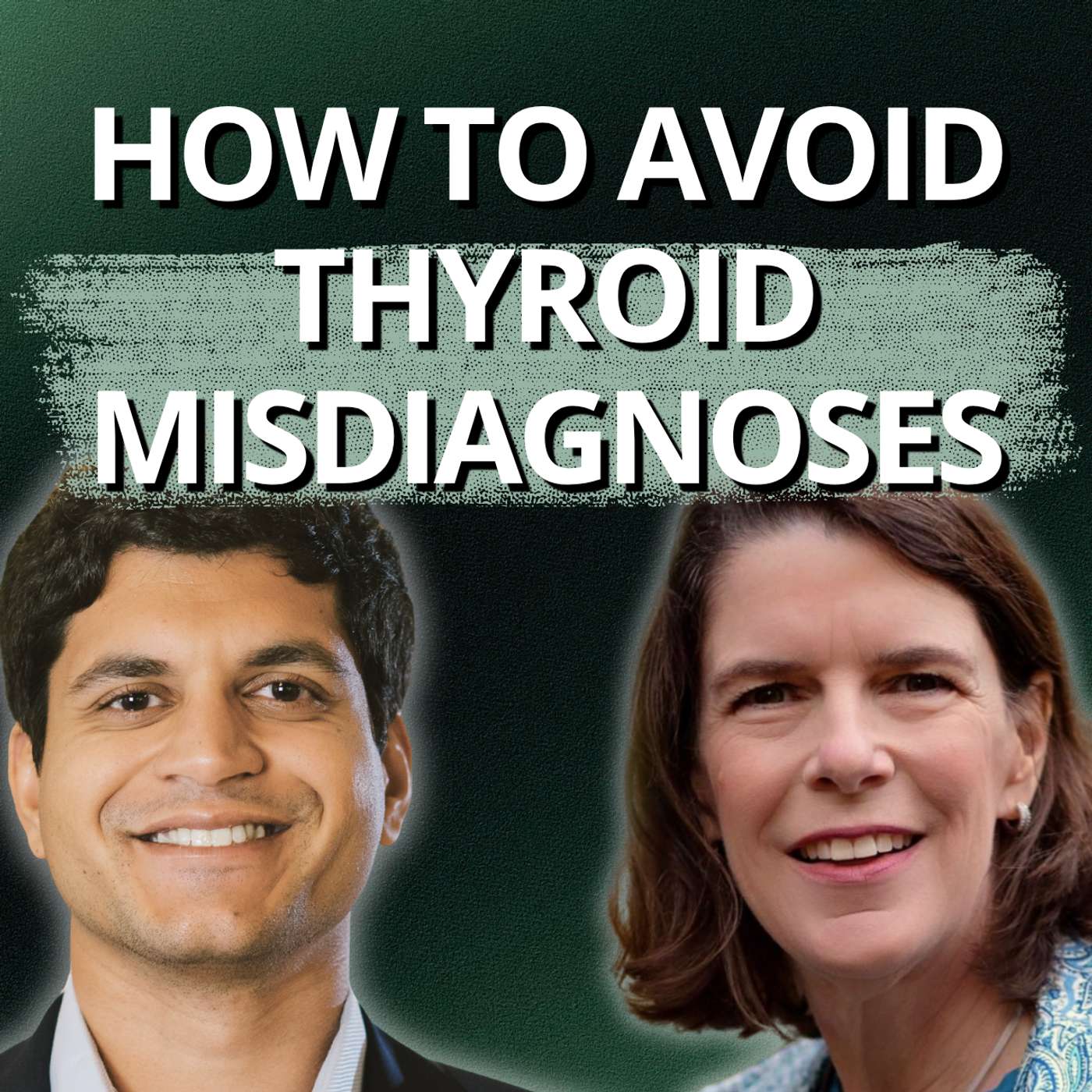
Ep 28 | Advanced Thyroid Health with Dr. Dana Gibbs
from Longevity Now! · host Priyank Sharma
Most people who struggle with hypothyroidism are told the same thing: their TSH is normal, so everything is fine. Dr. Dana Gibbs, board-certified ENT surgeon, thyroid and hormone specialist, makes a compelling case for why that's not good enough, and what patients and physicians should be doing instead. She explains the Total T3 to Reverse T3 ratio, why excess T4 can backfire, how undertreated thyroid dysfunction drives infertility and miscarriage, and what lifestyle factors silently sabotage treatment Where to find our guests:Website - https://danagibbsmd.com/YouTube - https://www.youtube.com/@danagibbsmd8190 Podcast - https://podcasts.apple.com/us/podcast/beyond-the-thyroid/id1756413327 Where to find us:Website | https://vitaveda.healthYoutube | https://www.youtube.com/@vitavedahealthTwitter / X | https://x.com/drprilongevityNewsletter | https://substack.com/@vitavedahealthInstagram | https://www.instagram.com/drprilongevity/Timestamps00:00:00 - Introduction: Dr. Dana Gibbs00:01:17 - Dr. Gibbs' personal thyroid journey00:05:18 - The diagnosis breakthrough00:10:11 - Armour Thyroid vs. Levothyroxine00:13:07 - Hashimoto's Disease: Triggers & prevalence00:20:04 - The thyroid lab panel explained00:36:32 - Thyroid, fertility & miscarriage00:46:54 - Lifestyle factors that disrupt thyroid function00:52:07 - Thyroid management in pregnancy01:02:49 - Thyroid issues in men01:13:01 - Cortisol, sleep & stress management01:22:37 - Finding the right thyroid doctorThe Core Thyroid Lab Panel (5 Tests)Free T4Free T3Total T3Reverse T3TSHIdeal ranges Dr. Gibbs targets:Free T3: 3.4–4.0 (lab reference range is 2.0–4.4, but she considers anything below 3.4 suboptimal in symptomatic patients)TSH: 1.0–2.0 (lower half of normal); below 2.5 if trying to conceiveTotal T3 : Reverse T3 ratio: 10:1 or higher (below 10 indicates the body is breaking down rather than building T3)When to also add antibodies (TPO + Thyroglobulin):Abnormal results on the core 5Trying to conceive or history of miscarriageFamily history of Hashimoto'sSymptomatic male patients with low testosteroneSymptoms That Warrant a Thyroid WorkupDr. Gibbs’s core list includes:Fatigue, especially worse than peers or worsening over timeDifficulty getting out of bed in the morningPoor sleep or frequent wakingBrain fog / difficulty concentrating or memorizingHair loss or thinningLoss of outer third of eyebrowsUnexplained weight gain or difficulty maintaining weightCold hands and feetConstipationRecurrent illness / low immunityLow libido (in men and women)Menstrual irregularities or fertility problemsCommon Triggers for Hashimoto's DiseaseViral illness (e.g., mono, URI)Extreme psychological stressPregnancy or deliveryMenopauseAny event that causes rapid hormonal fluctuationLifestyle Factors That Raise Reverse T3(and suppress thyroid function - fix these first)Over-exercise / overtrained athlete syndrome - body interprets it as chronic stressCaloric restriction below basal metabolic rate - body perceives starvationLow protein intake - even in overweight patientsNutrient deficiencies - especially iron, B vitamins, healthy fatsHigh insulin / insulin resistance - very common in Hashimoto's patients (double the general population rate of ~35%)Chronic psychological stress and elevated cortisolCircadian disruption (e.g., night shift work)Rapid weight loss (including GLP-1 use without proper dietary support)GLP-1 / Weight Loss Considerations for Thyroid PatientsRapid weight loss can raise Reverse T3 by signaling starvationMust maintain adequate protein intake even when appetite is suppressedMust continue resistance/strength training - not just cardioMust maintain B vitamins, minerals, and healthy fatsBest candidates: people with high insulin resistance or uncontrollable sugar cravingsConcern: GLP-1 use in Hashimoto's patients without these safeguards may worsen the T3:rT3 ratioSleep & Cortisol Management StrategiesWhat has worked for Dr. Gibbs personallyGet thyroid optimized first - poor sleep is often a symptom, not the root causeSplit thyroid dose and take the first dose very early in the morning (even at a middle-of-the-night bathroom wake-up) to prime cortisol for proper morning riseAdrenal glandular supplement - taken early morning and a small dose at bedtime to support the natural cortisol curveHot shower immediately before bed - helps with cold extremities and faster sleep onsetYoga nidra meditation - for middle-of-the-night wakefulness; most effective within 15 minutesReferences: Dr. Dana Gibbs’s education website - http://www.thyroidclarity.com Physician integrative hormone management class and discussion group - http://thyroidclarity.com/endo-optin https://wlwt.com/article/doctors-screenings-colorectal-cancer-young-adults/70320212 DisclaimerThis audio and video podcast are for general informational purposes only and does not constitute a practice of medicine, nursing or other professional health care services including the giving of medical advice. No doctor patient relationship is formed. The use of this information and the materials linked to this podcast and video cast are at the user’s own risk. The content on this podcast and video cast are not intended to be a substitute for professional medical advice, diagnosis or treatment. Any listener or watcher of this information should not disregard or delay in obtaining medical advice from any medical condition they have and they should seek assistance of their healthcare professionals for any such conditions. We take all conflicts of interest very seriously. For all disclosures and companies we invest in or advise, please visit our website.
Embed this episode
NOW PLAYING
Ep 28 | Advanced Thyroid Health with Dr. Dana Gibbs
No transcript for this episode yet
Similar Episodes
No similar episodes found.
Similar Podcasts
No similar podcasts found.