
EPISODE · Aug 18, 2026 · 39 MIN
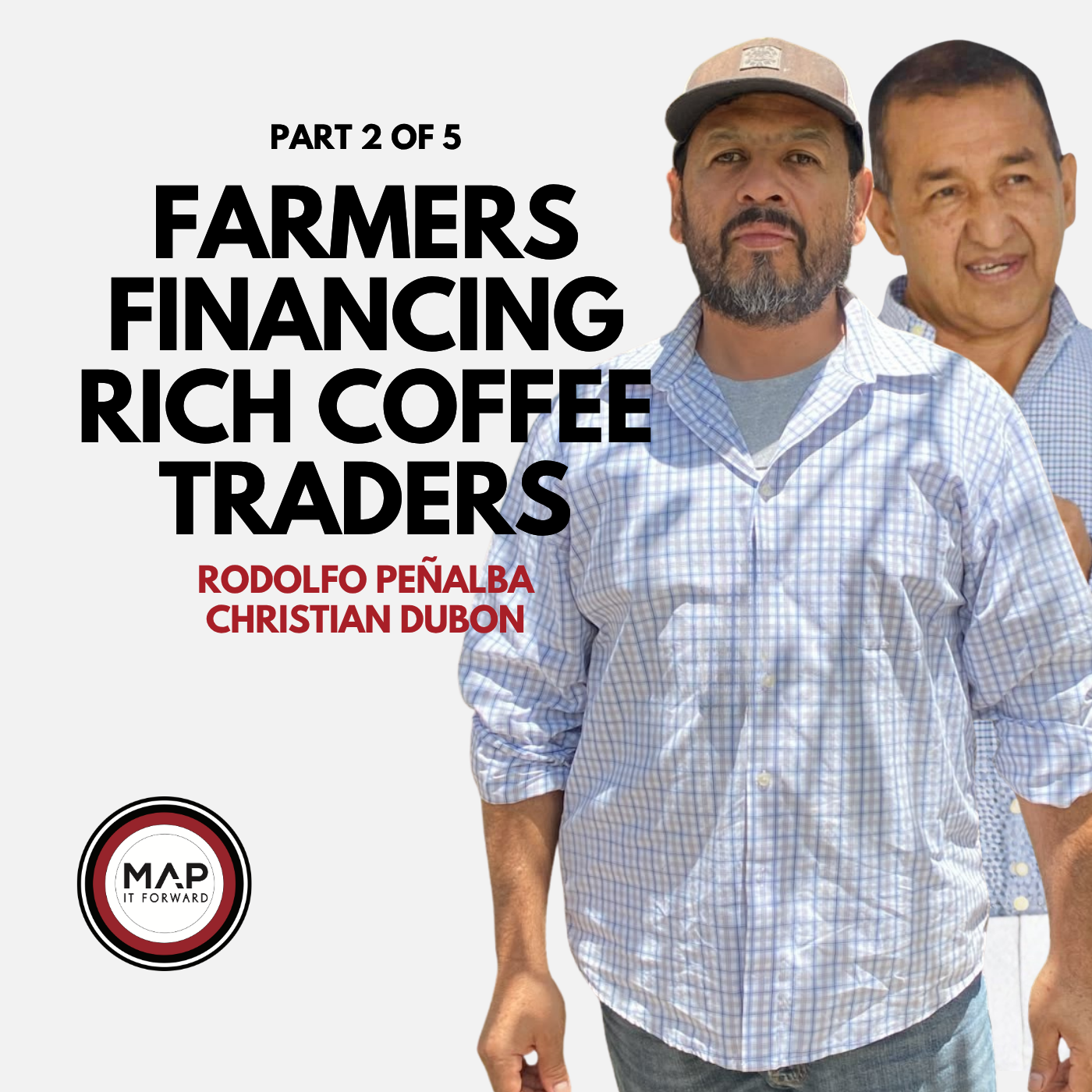
EP1662 Part 2 of 5 | COMSA Financed the Coffee. Benecke Was Supposed to Pay (Benecke and COMSA) | Map It Forward
from The Daily Coffee Pro Podcast by MAP IT FORWARD · host Lee Safar
Advertising SponsorMIF Coffee Business Plan Review Service: AI can write a business plan. We'll help you determine whether it will work in the real world. Email [email protected] or DM @mapitforward.coffee to get started.Episode DescriptionThis is episode 2 of a five-part series on The Daily Coffee Pro podcast by Map It Forward with Rodolfo Peñalba, General Manager of COMSA, and Cristian Dubón, a board member and coffee producer from the cooperative in Marcala, Honduras.In Part 1, we explored how COMSA built a commercial relationship with Benecke Coffee spanning more than two decades.In this episode, we begin looking at how that relationship expanded during the 2024/25 coffee season, and at the financial structure beneath international coffee trading that left COMSA exposed when Benecke later entered insolvency.According to COMSA, J.J. Darboven developed an initiative connected to its Café Intención business in which trees would be planted in coffee-producing communities in connection with coffee sold. COMSA says the project initially involved three Honduran cooperatives supplying a combined 105 containers.When two of the cooperatives reduced the volume they could commit, COMSA says it agreed to take on a much larger share of the program.That opportunity created the potential for significant growth for COMSA and its producers.But it also required significant financing.Rodolfo and Cristian explain that when COMSA signs a coffee contract, it must obtain the money needed to buy coffee from farmers, collect it, process it, prepare it for export, meet quality requirements, pay associated costs and deliver the coffee to port.The importer does not necessarily finance that process.COMSA does.The cooperative therefore relies on loans from banks and other financial institutions to fulfil its contracts, with the expectation that once the coffee is shipped and the required documents are provided, the importer will pay and COMSA can repay those loans.That system depends heavily on trust and contractual performance.According to COMSA, that is where the relationship with Benecke ultimately broke down.Rodolfo says the cooperative fulfilled its obligations and shipped the coffee, but payment did not arrive as expected. He describes the consequences as one of the most serious challenges COMSA has experienced in its history.COMSA says the unpaid exposure ultimately involved 12 containers and that the financial consequences now threaten a substantial portion of the cooperative’s accumulated capital. Rodolfo also discusses the impact this has had on COMSA’s relationships with its banks and its producers.The episode raises a much broader question for the global coffee industry: If producers and cooperatives are required to borrow money to fulfil contracts before importers pay them, who is actually carrying the financial risk in the coffee supply chain?In Part 3, we examine when COMSA says it first began seeing signs that something was wrong with Benecke’s payments, and what happened when COMSA was asked to continue shipping coffee.You can connect with COMSA here:Facebook: https://www.facebook.com/share/1c5tTT89Rw/?mibextid=wwXIfrInstagram: https://www.instagram.com/comsa_oficial/Website: https://www.comsa.hnLinkedIn: https://www.linkedin.com/in/comsa-oficialEditorial Note:This episode forms part of Map It Forward’s ongoing examination of the Benecke Coffee controversy. The statements made by Rodolfo Peñalba and Cristian Dubón represent COMSA’s account of events. Some claims discussed in this series remain disputed or have not yet been independently verified. Map It Forward has sought comment from relevant parties and will continue to update its coverage if additional information or evidence becomes available. Where allegations, interpretations or claims are discussed, they should not be understood as findings of legal liability or wrongdoing.If you found this episode valuable, make sure you’re subscribed to the podcast and follow along for the rest of this 5-part series. ***************************************About Map It Forward The Daily Coffee Pro is produced by Map It Forward, supporting coffee professionals globally across the supply chain.Website: https://mapitforward.coffeeMailing list: https://mapitforward.coffee/mailinglistPatreon: https://www.patreon.com/mapitforward‘The Coffee Report’: https://www.patreon.com/mapitforwardInstagram: https://www.instagram.com/mapitforward.coffee/Contact: [email protected]
Embed this episode
What this episode covers
Part 2 of 5: COMSA explains how cooperatives borrow money to purchase, process and export coffee before importers pay them, and why that financing model became critical when Benecke failed to pay as expected.
Ready to play
EP1662 Part 2 of 5 | COMSA Financed the Coffee. Benecke Was Supposed to Pay (Benecke and COMSA) | Map It Forward
No transcript for this episode yet
Similar Episodes
No similar episodes found.
Similar Podcasts
No similar podcasts found.