
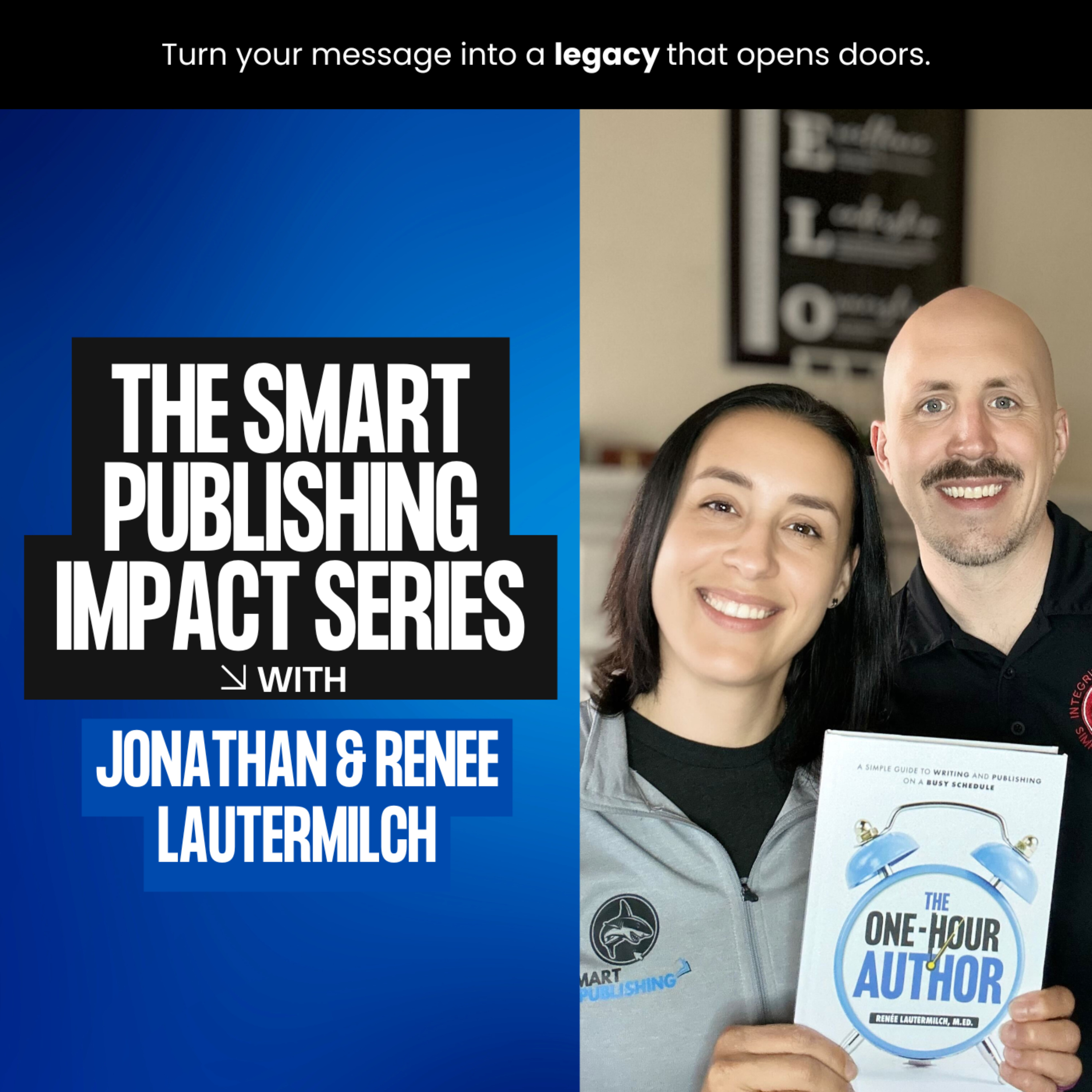
EPISODE · Mar 27, 2025 · 44 MIN
Episode 10 - Intellectual Property Rights and Defamation with Michael Poropat
from The Smart Publishing Impact Series · host Jonathan & Renée Lautermilch
Episode OverviewIn this episode, Renée sits down with legal expert Michael Poropat to discuss key legal issues that authors face, specifically:✅ Understanding Intellectual Property (IP)✅ Key differences between Copyright, Trademark, and Patent laws✅ Protecting your creative work from piracy✅ What to know about defamation when writing a bookKey Takeaways1. Understanding Intellectual Property (IP)Copyright protects artistic creations like books, movies, and music.Trademarks protect business names, logos, and branding elements.Patents protect inventions and product designs.💡 Example: An electric toothbrush's unique head shape may have both a design patent and a trademark to protect its brand identity.2. Copyright Essentials for AuthorsCopyright protection begins the moment your work is in a tangible form.An ISBN does not automatically confer copyright protection — it only provides additional proof of the book’s publication date.Registration with the U.S. Copyright Office strengthens your rights and allows you to sue for statutory damages (up to $150,000 per infringement).💡 Tip: Registering your copyright is crucial for stronger enforcement.3. The Truth About ChatGPT and AI-Generated ContentContent created directly by AI (like ChatGPT) cannot be copyrighted as U.S. law requires human authorship.If you heavily guide AI content with detailed prompts, those prompts themselves might be protected under copyright.AI-created content that’s mistakenly registered for copyright can result in costly lawsuits.4. Trademarking for AuthorsTrademarking is vital for protecting distinctive brand elements like book series titles, character names, or logos.The process takes around 14-16 months and costs $350 per class of goods.Trademark protection is strong in court, and platforms like Amazon and YouTube are more likely to respond favorably to trademark disputes.5. Navigating Defamation RisksDefamation occurs when false statements are made public and harm someone’s reputation.Libel = Written defamation; Slander = Spoken defamation.Authors can reduce risk by:Sticking to factual information.Avoiding identifiable details in fictional characters based on real people.Ensuring controversial statements are either true or presented as satire.💡 Tip: Public figures have less privacy protection, making satire a potential defense.Practical Advice for AuthorsPrioritize Copyright Protection for completed works.Consider Trademarking if your book title, series, or branded content is crucial to your platform.Balance legal costs with the value of your content to avoid unnecessary expenses.Always consult with a legal expert to evaluate your specific risks.Connect with Michael PoropatWebsite: stockmanporopat.comSocial Media: @MichaelJPoropatEmail: [email protected] Resources for WritersCheck out Renee’s book, The One-Hour Author, available on Amazon.Visit smartpublishingservices.com for more resources and information.
Embed this episode
NOW PLAYING
Episode 10 - Intellectual Property Rights and Defamation with Michael Poropat
No transcript for this episode yet
Similar Episodes
No similar episodes found.
Similar Podcasts
No similar podcasts found.