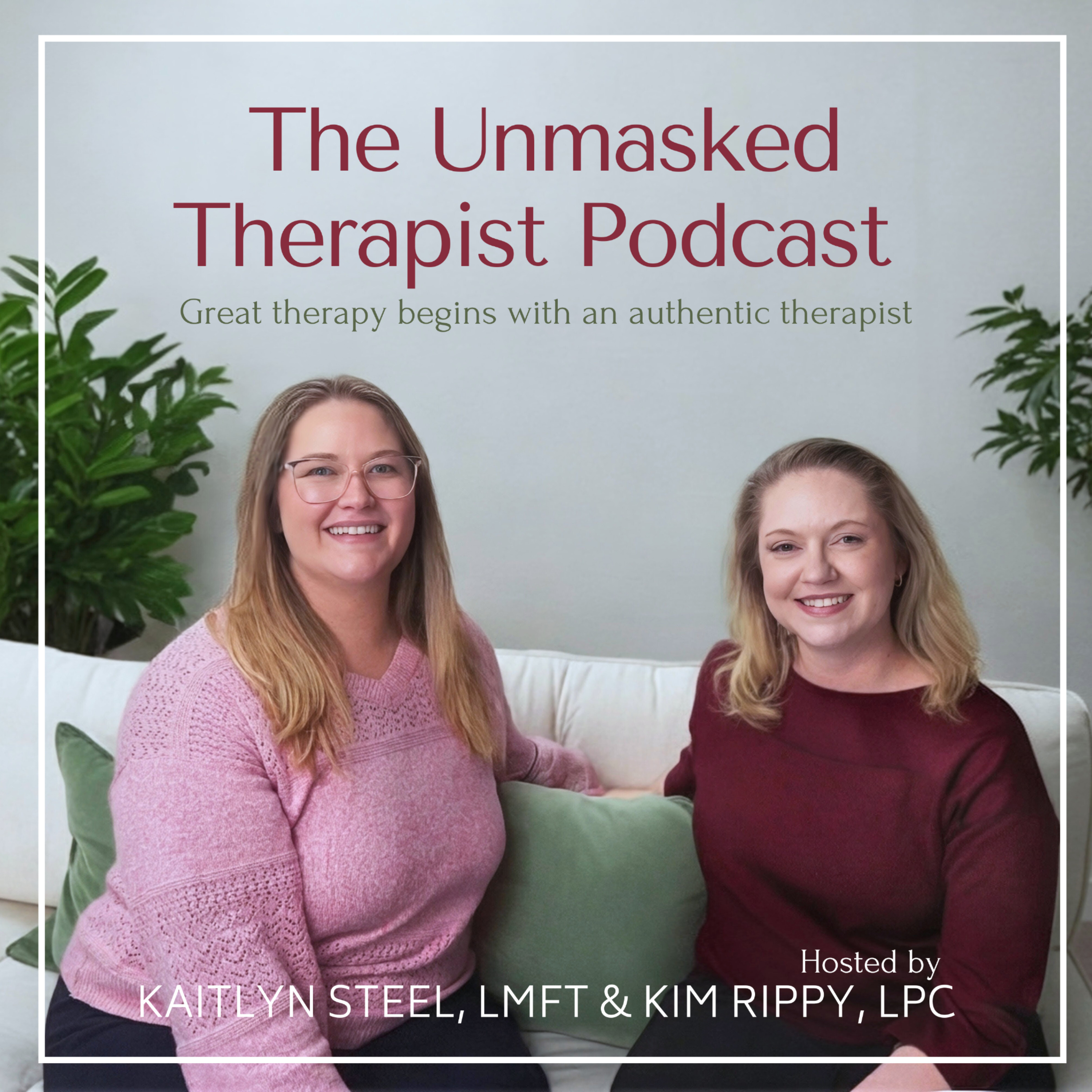
Episode 17: What To Do When You’ve Stepped Outside Your Role episode artwork

EPISODE · Feb 23, 2026 · 29 MIN

Episode 17: What To Do When You’ve Stepped Outside Your Role

from The Unmasked Therapist Podcast · host Keystone Therapy Group

In this follow-up episode of the Unmasked Therapist podcast, Clinical Supervisors Kim Rippy and Kaitlyn Steel move beyond recognizing role drift to explore the next essential question: What do you do once you notice it?Building on their previous discussion about the distinction between stepping outside your role and practicing outside your scope, Kim and Kaitlyn focus on the process of repair, reflection, and re-alignment. They examine how supervision can serve as a grounding first step, offering space to slow down, explore emotional reactions, and reconnect with clinical intention rather than urgency.Through thoughtful dialogue and practical examples, this episode highlights the reality that role drift is not a failure but a moment of information. Kim and Kaitlyn discuss how clinicians can approach these moments with curiosity rather than shame, navigate conversations with clients transparently, and model flexibility without abandoning professional boundaries.Together, they emphasize that ethical practice is not defined by perfection but by responsiveness — the willingness to pause, seek support, acknowledge missteps, and thoughtfully move forward. This conversation invites clinicians to view course correction as an integral part of authentic therapeutic work rather than something to avoid.• Why noticing role drift is an opportunity for reflection rather than self-criticism• How clinical supervision supports ethical realignment and perspective-taking• Practical considerations for addressing role shifts with clients• The importance of transparency, humility, and modeling repair in therapy• Reframing course correction as a core clinical skill• How flexibility and boundaries can coexist in authentic therapeutic relationshipsConnect with us:Supervision: www.keystonetherapygroup.com/supervision/Instagram: @TheUnmaskedTherapistEmail: [email protected] this episode resonated with you, leave a five-star review and subscribe for more conversations about authentic, grounded, human-centered therapy.Disclaimer:This podcast is for educational purposes only and is not a substitute for clinical supervision. All information shared represents our own opinions and should not be taken as legal or clinical direction.#TheUnmaskedTherapist #UnmaskedTherapist #TherapistPodcast #MentalHealthPodcast #TherapistConversations

In this follow-up episode of the Unmasked Therapist podcast, Clinical Supervisors Kim Rippy and Kaitlyn Steel move beyond recognizing role drift to explore the next essential question: What do you do once you notice it?Building on their previous discussion about the distinction between stepping outside your role and practicing outside your scope, Kim and Kaitlyn focus on the process of repair, reflection, and re-alignment. They examine how supervision can serve as a grounding first step, offering space to slow down, explore emotional reactions, and reconnect with clinical intention rather than urgency.Through thoughtful dialogue and practical examples, this episode highlights the reality that role drift is not a failure but a moment of information. Kim and Kaitlyn discuss how clinicians can approach these moments with curiosity rather than shame, navigate conversations with clients transparently, and model flexibility without abandoning professional boundaries.Together, they emphasize that ethical practice is not defined by perfection but by responsiveness — the willingness to pause, seek support, acknowledge missteps, and thoughtfully move forward. This conversation invites clinicians to view course correction as an integral part of authentic therapeutic work rather than something to avoid.• Why noticing role drift is an opportunity for reflection rather than self-criticism• How clinical supervision supports ethical realignment and perspective-taking• Practical considerations for addressing role shifts with clients• The importance of transparency, humility, and modeling repair in therapy• Reframing course correction as a core clinical skill• How flexibility and boundaries can coexist in authentic therapeutic relationshipsConnect with us:Supervision: www.keystonetherapygroup.com/supervision/Instagram: @TheUnmaskedTherapistEmail: [email protected] this episode resonated with you, leave a five-star review and subscribe for more conversations about authentic, grounded, human-centered therapy.Disclaimer:This podcast is for educational purposes only and is not a substitute for clinical supervision. All information shared represents our own opinions and should not be taken as legal or clinical direction.#TheUnmaskedTherapist #UnmaskedTherapist #TherapistPodcast #MentalHealthPodcast #TherapistConversations

NOW PLAYING

Episode 17: What To Do When You’ve Stepped Outside Your Role

0:00 29:54

No transcript for this episode yet

We transcribe on demand. Request one and we'll notify you when it's ready — usually under 10 minutes.

Frequently Asked Questions

How long is this episode of The Unmasked Therapist Podcast?

This episode is 29 minutes long.

When was this The Unmasked Therapist Podcast episode published?

This episode was published on February 23, 2026.

What is this episode about?

In this follow-up episode of the Unmasked Therapist podcast, Clinical Supervisors Kim Rippy and Kaitlyn Steel move beyond recognizing role drift to explore the next essential question: What do you do once you notice it?Building on their previous...

Can I download this The Unmasked Therapist Podcast episode?

Yes, you can download this episode by clicking the download button on the episode player, or subscribe to the podcast in your preferred podcast app for automatic downloads.
URL copied to clipboard!