
PODCAST · health
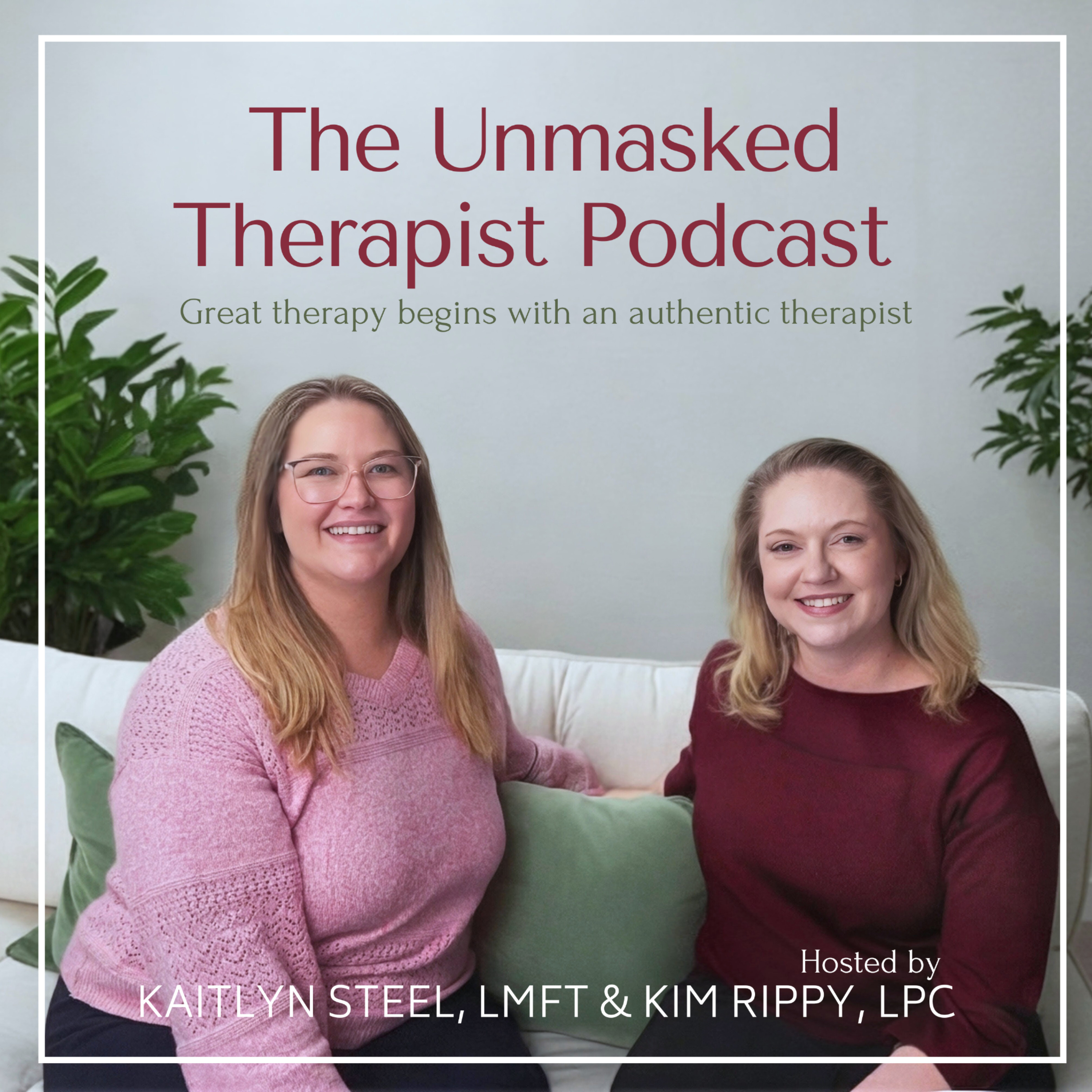
The Unmasked Therapist Podcast
by Keystone Therapy Group
Hosted by Kim Rippy, LPC, and Kaitlyn Steel, LMFT, of Keystone Therapy Group, The Unmasked Therapist explores how authenticity transforms the therapeutic relationship. Each episode offers clinical insight, real-world reflection, and practical takeaways for therapists at every stage of their journey. New episodes drop every Monday morning. Learn more at keystonetherapygroup.com/supervision or email [email protected].#TheUnmaskedTherapist #TherapistLife #AuthenticTherapy #ClinicalSupervision #ResidentTherapist #SupervisionMatters
-
33
Episode 32: Listening to Your Body as a Therapist
In this episode of The Unmasked Therapist Podcast, Clinical Supervisors Kim Rippy, LPC, and Kaitlyn Steel, LMFT, explore the role of body awareness, attunement, and therapist self-awareness in the therapy room. Building on their ongoing conversations about authenticity and the Person of the Therapist model, they discuss how therapists can learn to distinguish between a genuine attunement to a client's experience, their own body memories, and countertransference.Drawing from personal and professional experiences, Kim and Kaitlyn examine how therapists' bodies often provide valuable information about what is happening in a session. They discuss how noticing physical sensations, emotional reactions, and internal shifts can deepen connection with clients when approached thoughtfully and ethically. At the same time, they explore the importance of recognizing when a therapist's own unresolved experiences may be influencing the therapeutic process.Throughout the conversation, they highlight the value of ongoing self-reflection, supervision, and personal growth, emphasizing that therapists do not need to be blank slates to be effective. Instead, meaningful therapeutic work often emerges when clinicians learn to honor their own experiences while remaining grounded in the client's reality.In this episode, we discuss:• What therapists mean when they talk about attunement and limbic system reactions• How body awareness can strengthen therapeutic connection• The difference between attunement, empathy, body memory, and countertransference• Why therapists often experience emotions before clients consciously recognize them• The role of the Person of the Therapist model in clinical work• Staying with emotion instead of moving too quickly into psychoeducation• How personal experiences can both support and interfere with therapeutic attunement• Recognizing when unresolved experiences may be impacting clinical work• Ethical considerations when therapists encounter emotionally activating client material• Using supervision and self-reflection to grow as a clinicianConnect with us:Supervision: www.keystonetherapygroup.com/supervision/Instagram: @TheUnmaskedTherapistEmail: [email protected] this episode resonated with you, leave a five-star review and subscribe for more conversations about authentic, grounded, human-centered therapy.Disclaimer:This podcast is for educational purposes only and is not a substitute for clinical supervision. All information shared represents our own opinions and should not be taken as legal or clinical direction.#TheUnmaskedTherapist #UnmaskedTherapist #TherapistPodcast #MentalHealthPodcast #ClinicalSupervision #TherapistIdentity #PersonOfTheTherapist #Countertransference #TherapistGrowth #BodyAwareness #Attunement #EFTTherapy #ClinicalDevelopment #TherapeuticRelationship #Authenticity
-
32
Episode 31: When Your Client's Story Isn't Your Story
In this episode of The Unmasked Therapist Podcast, Clinical Supervisors Kim Rippy, LPC, and Kaitlyn Steel, LMFT, continue the conversation around imposter syndrome by exploring what happens when therapists work with experiences they have never personally lived.Whether it's supporting clients through parenting teenagers, retirement, religious experiences, political differences, or relationship dynamics that differ from our own, therapists regularly encounter situations where they don't have a personal frame of reference. Kim and Kaitlyn discuss how these moments can trigger self-doubt and uncertainty, especially for newer clinicians, while also creating opportunities for deeper authenticity and connection.Drawing from their own clinical experiences, they explore how curiosity, empathy, and attunement allow therapists to show up effectively even when they cannot directly relate to a client's lived experience. The conversation highlights the importance of distinguishing between understanding a client's emotions and sharing their exact circumstances, while emphasizing that meaningful therapeutic connection does not require identical life experiences.Throughout the episode, Kim and Kaitlyn encourage therapists to lean into authenticity rather than perfection, using curiosity and self-awareness as guides when navigating unfamiliar territory in the therapy room.In this episode, we discuss:• Why not sharing a client's lived experience can trigger imposter syndrome• The difference between understanding a client's emotions and sharing their circumstances• How curiosity can strengthen therapeutic connection• Working with clients whose identities, beliefs, or life stages differ from your own• Using vulnerability appropriately in the therapeutic relationship• The role of empathy when working across differences• How EFT concepts can help therapists attune to experiences that don't come naturally to them• Finding connection through underlying needs rather than surface-level similarities• Using body awareness to improve attunement and clinical effectiveness• Why authenticity often matters more than having the "right" personal experienceConnect with us:Supervision: www.keystonetherapygroup.com/supervision/Instagram: @TheUnmaskedTherapistEmail: [email protected] this episode resonated with you, leave a five-star review and subscribe for more conversations about authentic, grounded, human-centered therapy.Disclaimer:This podcast is for educational purposes only and is not a substitute for clinical supervision. All information shared represents our own opinions and should not be taken as legal or clinical direction.#TheUnmaskedTherapist #UnmaskedTherapist #TherapistPodcast #MentalHealthPodcast #ClinicalSupervision #TherapistIdentity #ImposterSyndrome #TherapistGrowth #TherapeuticRelationship #Empathy #Curiosity #PersonOfTheTherapist #EFTTherapy #ClinicalDevelopment
-
31
Episode 30: Imposter Syndrome and the Developing Therapist
In this episode of The Unmasked Therapist Podcast, Clinical Supervisors Kim Rippy, LPC, and Kaitlyn Steel, LMFT, continue their therapist identity development series by exploring one of the most common challenges clinicians face at every stage of their careers: imposter syndrome.From graduate school and residency to licensure and private practice, Kim and Kaitlyn discuss how self-doubt often emerges whenever therapists step into a new level of responsibility, visibility, or growth. Drawing from their own experiences, they unpack the difference between healthy self-reflection and the self-judgment that keeps clinicians feeling stuck, inadequate, or afraid of making mistakes.The conversation explores how imposter syndrome is often less about competence and more about identity, highlighting the tension between professional credentials and personally feeling qualified. Through stories about supervision, ADHD, learning new models, and developing clinical confidence, Kim and Kaitlyn offer a compassionate framework for understanding and working through these experiences.Throughout the episode, they encourage therapists to replace judgment with curiosity, embrace lifelong learning, and remember that growth happens through practice—not perfection.In this episode, we discuss:• What imposter syndrome looks like for therapists at different career stages• Why self-doubt often increases during periods of growth and transition• The difference between curiosity and self-judgment• How ADHD and different learning styles can impact clinical confidence• Why competence and confidence do not always develop at the same pace• Using supervision and consultation to navigate uncertainty• Learning new models without expecting perfection• Reframing imposter syndrome through self-compassion and curiosity• Why being a therapist is part of your identity, not your entire identityConnect with us:Supervision: www.keystonetherapygroup.com/supervision/Instagram: @TheUnmaskedTherapistEmail: [email protected] this episode resonated with you, leave a five-star review and subscribe for more conversations about authentic, grounded, human-centered therapy.Disclaimer:This podcast is for educational purposes only and is not a substitute for clinical supervision. All information shared represents our own opinions and should not be taken as legal or clinical direction.#TheUnmaskedTherapist #UnmaskedTherapist #TherapistPodcast #MentalHealthPodcast #ClinicalSupervision #TherapistIdentity #ImposterSyndrome #NewTherapist #TherapistGrowth #TherapistDevelopment
-
30
Episode 29: Motherhood, Mental Health, and the Therapist Identity
In this episode of The Unmasked Therapist Podcast, Clinical Supervisors Kim Rippy, LPC, and Kaitlyn Steel, LMFT, take a step away from their therapist identity development series to have an honest conversation about maternal mental health, motherhood, and the realities of showing up as both therapists and parents.Drawing from both personal and professional experience, Kim and Kaitlyn explore how becoming a mother fundamentally shifts identity, perspective, values, and clinical work. They discuss the emotional, relational, and biological changes that come with parenthood, while also acknowledging the unique pressures therapists face when balancing caregiving, supervision, licensure, burnout, and client care.The conversation highlights the importance of slowing down, accepting help, building community, and giving yourself permission to not “do it all.” Kim and Kaitlyn also discuss postpartum depression, anxiety, and rage, the importance of safety planning and support systems, and why therapists are not immune to the very struggles they help clients navigate every day.Throughout the episode, they encourage clinicians, supervisees, and parents alike to approach themselves with more realism, humility, and compassion during major life transitions.In this episode, we discuss:• How motherhood impacts therapist identity and clinical work• The emotional and biological shifts that happen during parenthood• Navigating residency, supervision, and burnout while parenting• Why therapists are not immune to postpartum struggles• Postpartum depression, anxiety, and rage• The importance of community, support systems, and asking for help• Giving yourself permission to slow down and do less• Integrating personal growth and life transitions into authentic clinical practiceConnect with us:Supervision: www.keystonetherapygroup.com/supervision/Instagram: @TheUnmaskedTherapistEmail: [email protected] this episode resonated with you, leave a five-star review and subscribe for more conversations about authentic, grounded, human-centered therapy.Disclaimer:This podcast is for educational purposes only and is not a substitute for clinical supervision. All information shared represents our own opinions and should not be taken as legal or clinical direction.#TheUnmaskedTherapist #UnmaskedTherapist #TherapistPodcast #MentalHealthPodcast #MaternalMentalHealth #PostpartumMentalHealth #TherapistMom #ClinicalSupervision
-
29
Episode 28: Understanding the “Why” Behind Your Clinical Work
In this episode of The Unmasked Therapist Podcast, Clinical Supervisors Kim Rippy, LPC, and Kaitlyn Steel, LMFT continue their series on therapist identity development by moving from “What is my model?” into the next critical step: understanding how to actually use it in practice.Building on the previous conversation about exploring and “dating” different therapeutic models, this episode clarifies the distinction between theory and model—and why that difference matters for clinical work. Kim and Caitlin break down how a therapist’s theory reflects the “why” behind their work, while models represent the more structured “how,” including specific interventions, steps, and frameworks used in session.They explore why early clinicians often get stuck in skills-based work without understanding the underlying theory, and how this can limit depth, flexibility, and clinical confidence. Through relatable examples and supervision insights, they highlight how moving from intervention-driven therapy to theory-informed practice helps clinicians make more intentional, effective decisions in the room.The conversation also begins to unpack the role of imposter syndrome in therapist development, reframing it as a normal part of learning new models rather than a sign of incompetence. Kim and Caitlin emphasize how curiosity, supervision, and reflection help clinicians stay grounded as they experiment with new approaches.This episode invites therapists to slow down, stay curious, and begin integrating both theory and model in a way that supports authentic, flexible, and intentional clinical work.In this episode, we discuss:• The difference between theory and model in psychotherapy• Why theory represents the “why” and model represents the “how”• How clinicians get stuck in skills-based thinking• Why understanding theory improves intervention choice and depth• The role of supervision in developing clinical conceptualization• How imposter syndrome shows up when learning new models• Why doubt doesn’t always mean you’re doing something wrong• Moving toward more intentional, theory-informed practiceConnect with us:Supervision: www.keystonetherapygroup.com/supervision/Instagram: @TheUnmaskedTherapistEmail: [email protected] this episode resonated with you, leave a five-star review and subscribe for more conversations about authentic, grounded, human-centered therapy.Disclaimer:This podcast is for educational purposes only and is not a substitute for clinical supervision. All information shared represents our own opinions and should not be taken as legal or clinical direction.#TheUnmaskedTherapist #UnmaskedTherapist #TherapistPodcast #MentalHealthPodcast #TherapistConversations
-
28
Episode 27: How to Discover Your Theoretical Orientation
In this episode of The Unmasked Therapist Podcast, Clinical Supervisors Kim Rippy and Kaitlyn Steel continue their series on therapist identity development by exploring one of the biggest questions early clinicians face: “What is my model?”Rather than encouraging therapists to rush into choosing a theoretical orientation based on popularity, supervision expectations, or graduate school pressure, Kim and Kaitlyn unpack how a therapist’s model often develops through deeper self-awareness, lived experience, and clinical curiosity. They discuss how understanding your own values, emotional responses, relational patterns, and clinical instincts can guide you toward approaches that genuinely align with who you are as a therapist.Through conversations about EFT, CBT, trauma work, attachment, supervision, and the process of “dating” different therapeutic models, this episode examines how clinicians can begin identifying the theories and interventions that feel authentic rather than performative. Kim and Kaitlyn also explore the importance of hypothesis-building, clinical curiosity, and using supervision as a space to intentionally reflect on what naturally stands out to you in the therapy room.This episode invites therapists to move away from trying to force themselves into a model and instead begin discovering the approaches that already reflect how they naturally conceptualize and connect with clients.In this episode, we discuss:• Why many early clinicians feel pressure to “pick a model”• How therapist identity influences theoretical orientation• The difference between learning skills and developing clinical authenticity• Why self-awareness helps therapists recognize aligned approaches• How attachment, values, trauma, and relationships shape conceptualization• The process of exploring and “dating” therapeutic models• Using curiosity and supervision to clarify your clinical direction• Why confidence grows when interventions align with who you are as a therapistConnect with us:Supervision: www.keystonetherapygroup.com/supervision/Instagram: @TheUnmaskedTherapistEmail: [email protected]If this episode resonated with you, leave a five-star review and subscribe for more conversations about authentic, grounded, human-centered therapy.Disclaimer:This podcast is for educational purposes only and is not a substitute for clinical supervision. All information shared represents our own opinions and should not be taken as legal or clinical direction.#TheUnmaskedTherapist #UnmaskedTherapist #TherapistPodcast #MentalHealthPodcast #TherapistConversations
-
27
Episode: 26: Finding your Therapist Identity
In this episode of The Unmasked Therapist Podcast, Clinical Supervisors Kim Rippy and Kaitlyn Steel introduce the first part of a new series focused on one of the most underdeveloped but essential aspects of becoming a clinician: developing your therapist identity.They explore the “person of the therapist” model and why supervision in the early stages of training often overemphasizes skills while leaving little room for deeper reflection on who the therapist actually is. Kim and Kaitlyn discuss how understanding yourself as a person—your values, emotional patterns, life experiences, and internal world—directly shapes how you show up in the therapy room.Through honest reflection and real clinical insight, they unpack the idea that therapists cannot separate personal growth from professional development. They also discuss how experiential awareness, supervision, and self-reflection help clinicians move beyond scripted interventions and into more grounded, authentic clinical presence.This episode sets the foundation for the series by inviting therapists to begin examining how their own lived experience informs their work, and why this integration is key to long-term clinical effectiveness and sustainability.In this episode, we discuss:• What the “person of the therapist” model is in clinical supervision• Why therapist identity development is often missing in early training• The limits of skill-based supervision without self-reflection• How personal experience shapes clinical perception and intervention• The connection between therapist authenticity and nervous system regulation• Why ongoing self-awareness is essential for effective therapy• How experiential understanding deepens clinical workConnect with us:Supervision: www.keystonetherapygroup.com/supervision/Instagram: @TheUnmaskedTherapistEmail: [email protected] this episode resonated with you, leave a five-star review and subscribe for more conversations about authentic, grounded, human-centered therapy.Disclaimer:This podcast is for educational purposes only and is not a substitute for clinical supervision. All information shared represents our own opinions and should not be taken as legal or clinical direction.#TheUnmaskedTherapist #UnmaskedTherapist #TherapistPodcast #MentalHealthPodcast #TherapistConversations
-
26
Episode 25: Attachment, DBR, and Clinical Insight
In this episode of the Unmasked Therapist Podcast, Kaitlyn Steel, LMFT, continues her conversation with Michelle Vaughn, LPC—practice owner of Truth and Grace Counseling in Arizona—for part two of this two-part series.Picking up where they left off, Kaitlyn and Michelle dive deeper into Michelle’s clinical work, with a focus on trauma and the modalities that shape her approach. Michelle shares how working from an attachment-focused lens informs her understanding of clients, emphasizing the importance of looking beyond presenting symptoms to uncover the deeper roots of distress.The conversation explores the integration of EMDR and Michelle’s growing use of Deep Brain Reorienting (DBR), a newer trauma modality that works at a lower level of brain processing. Michelle explains how DBR can be especially helpful for clients with complex trauma or dissociative tendencies, offering a slower, more accessible way to process experiences without becoming overwhelmed.As the episode continues, the discussion shifts into the importance of consultation and community in clinical work. Kaitlyn and Michelle highlight how seeking support from other clinicians can expand perspective, improve client care, and introduce therapists to new approaches they may not have otherwise considered.The final portion of the conversation focuses on Michelle’s journey as a supervisor and private practice owner. She shares insights on building a practice rooted in autonomy, flexibility, and client-centered values, while also encouraging early career clinicians to think intentionally about their own needs, boundaries, and long-term sustainability in the field.Grounded in both clinical insight and real-world experience, this episode offers a thoughtful look at trauma work, professional growth, and what it means to show up authentically—not just for clients, but for yourself as a therapist.In this episode, we discuss:• Using an attachment-focused lens in trauma work• How EMDR and Deep Brain Reorienting (DBR) are used in practice• Working with complex trauma and dissociation• The importance of consultation and building a professional network• Lessons from supervision and transitioning into private practice• Balancing clinician needs with client careThis is part two of a two-part conversation. Be sure to check out last week’s episode for the beginning of this discussion.Connect with us:Supervision: www.keystonetherapygroup.com/supervision/Instagram: @TheUnmaskedTherapistEmail: [email protected]If this episode resonated with you, leave a five-star review and subscribe for more conversations about authentic, grounded, human-centered therapy.Disclaimer:This podcast is for educational purposes only and is not a substitute for clinical supervision. All information shared represents our own opinions and should not be taken as legal or clinical direction.#TheUnmaskedTherapist #UnmaskedTherapist #TherapistPodcast #MentalHealthPodcast #TherapistConversations
-
25
Episode 24: What No One Tells You About Becoming a Therapist
In this episode of the Unmasked Therapist Podcast, Kaitlyn Steel, LMFT, is joined by special guest Michelle Vaughn, LPC—practice owner of Truth and Grace Counseling in Arizona and a seasoned clinician with a unique path into the field.Kaitlyn begins by sharing her long-standing personal connection with Michelle, who has been a meaningful presence in her life for decades. From there, the conversation shifts into Michelle’s journey of returning to school later in life and building a career in counseling, offering a perspective that challenges the idea of a “traditional” path into the field.Together, they explore the realities of licensure across states, unpacking the differences in supervision requirements, diagnostic privileges, and the often frustrating barriers clinicians face when trying to maintain continuity of care with clients who move. Through their discussion, they highlight how these systemic differences impact both therapists and the clients they serve.As the episode unfolds, the conversation turns toward clinical work and one of the most important lessons for new therapists: the value of authenticity in the therapy room. Michelle shares powerful examples of how showing up as a genuine, real person can deepen connection and create a sense of safety for clients—often more than any specific modality or technique.Drawing from their own experiences in practice and supervision, this episode offers both practical insight and honest reflection on what it means to grow as a clinician while navigating the complexities of the field.In this episode, we discuss:• Michelle’s nontraditional path into becoming a therapist• Key differences in licensure requirements across states• Challenges with client continuity when clients move• The impact of COVID on early clinical experiences and telehealth• What new therapists are taught vs. what is actually useful in practice• The importance of authenticity in building therapeutic relationshipsThis is part one of a two-part conversation. Be sure to tune in next week as Michelle shares more about her trauma-focused work and the modalities she uses in practice.Connect with us:Supervision: www.keystonetherapygroup.com/supervision/Instagram: @TheUnmaskedTherapistEmail: [email protected]If this episode resonated with you, leave a five-star review and subscribe for more conversations about authentic, grounded, human-centered therapy.Disclaimer:This podcast is for educational purposes only and is not a substitute for clinical supervision. All information shared represents our own opinions and should not be taken as legal or clinical direction.#TheUnmaskedTherapist #UnmaskedTherapist #TherapistPodcast #MentalHealthPodcast #TherapistConversations
-
24
Re-release: Episode 4 – When Self-Disclosure Helps: Authenticity That Supports the Client
In this re-release of Episode 4, Clinical Supervisors Kim Rippy, LPC and Kaitlyn Steel, LMFT revisit one of the most nuanced topics in therapy: self-disclosure. When does it help, when does it harm, and how can therapists use authenticity in a way that truly supports the client?Together, they explore authenticity from the client’s perspective and how showing up as a real human can deepen trust, safety, and connection in the therapy room. They unpack the tension many clinicians feel—especially early in their careers—between being taught to avoid self-disclosure and recognizing the moments when it can be clinically meaningful.Kim and Kaitlyn reflect on their own experiences navigating this balance, highlighting the difference between intentional, client-centered sharing and oversharing that shifts the focus away from the client. They also discuss how supervision serves as a parallel process, modeling how therapists can thoughtfully respond to client vulnerability and authenticity.Whether you’re a new clinician or a seasoned therapist, this episode offers grounded, practical insight into using authenticity with purpose.Key Takeaways:• How authentic presence strengthens client safety and trust• Understanding self-disclosure without centering yourself• When to share, when to hold back, and how to repair if you overshare• Why supervision mirrors the therapeutic relationship• Using authenticity to create deeper therapeutic connectionConnect with us:Supervision: www.keystonetherapygroup.com/supervision/Instagram: @TheUnmaskedTherapistEmail: [email protected] this episode was helpful, leave a five-star review and subscribe for more conversations about authentic, grounded, human-centered therapy.Disclaimer:This podcast is for educational purposes only and is not a substitute for clinical supervision. All information shared represents our own opinions and should not be taken as legal or clinical direction. All therapy skills discussed should be used within the scope of your experience and with appropriate clinical supervision.Hashtags: #AuthenticTherapist #TherapyConnection #SelfDisclosure #TherapistBoundaries #ClinicalSupervision #TherapyTraining #TherapistLife #MentalHealthProfessionals #AuthenticityInTherapy #HumanCenteredTherapy
-
23
Episode 23: The Role of an Admin in Private Practice | Part 2
In this episode of the Unmasked Therapist Podcast, Clinical Supervisors Kim Rippy, LPC and Kaitlyn Steel, LMFT continue their conversation with Keystone Therapy Group’s admin, Maeve Englehart, for Part 2 of this behind-the-scenes look at the role that keeps a practice running smoothly.Building on Part 1, this episode dives deeper into the relational and operational impact of having administrative support within a therapy practice. The conversation shifts from what admins do to why their role is so essential—not just for efficiency, but for protecting the therapeutic relationship and creating a seamless client experience.Kim shares her philosophy on separating billing from clinical work, highlighting how this boundary preserves both the integrity of the therapist-client relationship and the sustainability of the business. Maeve offers her perspective from the admin side, reflecting on how managing communication, billing, and first client contact shapes how supported and understood clients feel from the very beginning.Together, they explore how responsiveness, consistency, and authenticity extend beyond the therapy room—and how even small interactions can significantly impact whether a client follows through with care.In Part 2, we discuss:• Why separating billing from clinical work protects the therapeutic relationship• The role of admin support in maintaining ethical and sustainable business practices• How first impressions and responsiveness impact client follow-through• What clients are really looking for when they first reach out for therapy• The importance of consistency and communication across a practice• Common ways therapists unintentionally impact client experience outside of sessions• How authenticity and connection start from the very first point of contactConnect with us:Supervision: www.keystonetherapygroup.com/supervision/Instagram: @TheUnmaskedTherapistEmail: [email protected]If this episode resonated with you, leave a five-star review and subscribe for more conversations about authentic, grounded, human-centered therapy.Disclaimer:This podcast is for educational purposes only and is not a substitute for clinical supervision. All information shared represents our own opinions and should not be taken as legal or clinical direction.#TheUnmaskedTherapist #UnmaskedTherapist #TherapistPodcast #MentalHealthPodcast #TherapistConversations
-
22
Episode 22: The Role of an Admin in Private Practice | Part 1
In this episode of the Unmasked Therapist Podcast, Clinical Supervisors Kim Rippy, LPC and Kaitlyn Steel, LMFT are joined by Keystone Therapy Group’s admin, Maeve Englehart, for a behind-the-scenes look at the role that keeps a practice running smoothly.This is Part 1 of a two-part conversation, with Part 2 releasing next Monday.Together, they explore the often unseen but essential work of administrative support in a therapy practice. Kim and Kaitlyn share their experiences building Keystone from the ground up, including the moment when managing everything alone became unsustainable and the decision to bring on an admin became necessary for both client care and clinician well-being.Maeve offers insight into her unique path into the role, from her background in psychology and inpatient psychiatric work to her current experience supporting both clients and clinicians. She reflects on how working behind the scenes in a collaborative practice has deepened her understanding of therapy and reinforced the importance of connection at every level of care.Through candid and engaging conversation, this episode highlights how administrative roles are not just logistical, but relational—shaping first impressions, supporting therapeutic relationships, and allowing clinicians to focus more fully on their clients.In Part 1, we discuss:• The transition from solo practice to a growing group practice• How burnout can signal the need for additional support• What to look for when hiring an admin beyond just technical skills• Maeve’s background and journey into the role• The value of curiosity, adaptability, and collaboration in a clinical setting• Why admin work is a crucial part of client care, not just operationsConnect with us:Supervision: www.keystonetherapygroup.com/supervision/Instagram: @TheUnmaskedTherapistEmail: [email protected]If this episode resonated with you, leave a five-star review and subscribe for more conversations about authentic, grounded, human-centered therapy.Disclaimer:This podcast is for educational purposes only and is not a substitute for clinical supervision. All information shared represents our own opinions and should not be taken as legal or clinical direction.#TheUnmaskedTherapist #UnmaskedTherapist #TherapistPodcast #MentalHealthPodcast #TherapistConversations
-
21
Episode 21: How Your Physical Environment Shapes You as a Therapist
In this episode of the Unmasked Therapist Podcast, Clinical Supervisors Kim Rippy and Kaitlyn Steel explore an often overlooked but deeply impactful part of clinical work: the physical and psychological space therapists practice in—especially in virtual and hybrid settings.They reflect on how a therapist’s environment influences not only client perception, but also the clinician’s own mindset, presence, and emotional boundaries. From working in shared spaces during COVID to building more intentional home offices, Kim and Kaitlyn share their evolving experiences and the small but meaningful changes that help them shift into “therapist mode.”Through candid conversation, they highlight the importance of creating rituals that signal the transition into work, whether that’s getting dressed for the day, adjusting lighting and background, or simply closing a door. They also explore how therapists can adapt their environment to fit their real lives, rather than striving for perfection.Drawing from their own clinical work and supervision conversations, this episode offers practical and relatable ways therapists can create spaces that support both effective therapy and personal well-being.In this episode, we discuss:• How your physical environment impacts your clinical presence• Navigating virtual therapy while working from home• Creating psychological separation between work and personal life• Simple rituals that help shift into “therapist mode”• Adapting your space to fit your real life, not an ideal standard• The role of intentionality in maintaining boundaries and focusConnect with us:Supervision: www.keystonetherapygroup.com/supervision/Instagram: @TheUnmaskedTherapistEmail: [email protected] this episode resonated with you, leave a five-star review and subscribe for more conversations about authentic, grounded, human-centered therapy.Disclaimer:This podcast is for educational purposes only and is not a substitute for clinical supervision. All information shared represents our own opinions and should not be taken as legal or clinical direction.#TheUnmaskedTherapist #UnmaskedTherapist #TherapistPodcast #MentalHealthPodcast #TherapistConversations
-
20
Episode 20: When Therapists Disagree With Their Clients
In this episode of the Unmasked Therapist Podcast, Clinical Supervisors Kim Rippy and Kaitlyn Steel explore one of the most nuanced challenges therapists face: working with clients whose beliefs, relationships, or life choices appear harmful from the outside.They unpack the tension between clinical insight and client autonomy, reflecting on the moments when therapists recognize patterns that may be contributing to a client’s distress—but must navigate how and whether to address them. Through honest conversation, Kim and Kaitlyn discuss the importance of approaching these situations with curiosity rather than judgment, trusting the therapeutic process, and respecting each client’s capacity to arrive at their own understanding.Together, they explore how treatment goals, relational dynamics, and therapist self-awareness can guide clinicians when deciding how much to challenge, when to step back, and how to avoid imposing personal beliefs in the therapy room.Through clinical examples and reflections from their supervision work, this episode offers therapists a thoughtful framework for balancing compassion, curiosity, and ethical responsibility when navigating difficult or potentially harmful client dynamics.In this episode, we discuss:• Recognizing when a client’s beliefs or relationships may be contributing to distress• The tension between therapist insight and client autonomy• Using curiosity instead of criticism when exploring harmful dynamics• How treatment goals can guide when and how to challenge clients• Trusting the therapeutic process when clients aren’t ready for change• Navigating therapist bias, judgment, and self-awareness in the therapy roomConnect with us:Supervision: www.keystonetherapygroup.com/supervision/Instagram: @TheUnmaskedTherapistEmail: [email protected] this episode resonated with you, leave a five-star review and subscribe for more conversations about authentic, grounded, human-centered therapy.Disclaimer:This podcast is for educational purposes only and is not a substitute for clinical supervision. All information shared represents our own opinions and should not be taken as legal or clinical direction.#TheUnmaskedTherapist #UnmaskedTherapist #TherapistPodcast #MentalHealthPodcast #TherapistConversations
-
19
Episode 19: Navigating Clinical Match
In this episode of the Unmasked Therapist podcast, Clinical Supervisors Kim Rippy and Kaitlyn Steel explore what it really means to be a “good fit” as a therapist and why personality isn’t the measure. They dive into the nuances of clinical fit, examining how scope, experience, and theoretical approach shape whether a therapist can effectively meet a client’s needs.Kim and Kaitlyn discuss early indicators that a therapeutic match may not be ideal, and how to navigate those moments with curiosity, authenticity, and professional integrity. They emphasize that being a good fit isn’t about changing who you are, it’s about showing up with your training, your approach, and your relational skills, while maintaining boundaries and self-awareness.Through honest reflection and practical examples, this episode offers guidance for therapists seeking to define their niche, recognize when to refer a client, and cultivate authentic, effective therapeutic relationships. Listeners are invited to consider how being grounded in their own truth allows therapists to support clients without losing themselves in the process.• Understanding “good fit” versus “best fit” in therapy• How clinical approach, scope, and experience shape fit• Early signs that a therapeutic match may need adjustment• Maintaining authenticity without compromising effectiveness• When and how to have conversations about fit with clients• Using self-awareness and supervision to navigate challenging matchesConnect with us:Supervision: www.keystonetherapygroup.com/supervision/Instagram: @TheUnmaskedTherapistEmail: [email protected]If this episode resonated with you, leave a five-star review and subscribe for more conversations about authentic, grounded, human-centered therapy.Disclaimer:This podcast is for educational purposes only and is not a substitute for clinical supervision. All information shared represents our own opinions and should not be taken as legal or clinical direction.#TheUnmaskedTherapist #UnmaskedTherapist #TherapistPodcast #MentalHealthPodcast #TherapistConversations
-
18
Episode 18: The Chameleon Effect: People-Pleasing, Identity, and Clinical Authenticity
In this episode of the Unmasked Therapist podcast, Clinical Supervisors Kim Rippy and Kaitlyn Steel explore what happens when adaptability turns into self-abandonment. Using the metaphor of the “chameleon,” they examine how people-pleasing often develops as a protective strategy and how it can quietly shape both personal identity and clinical presence.Together, Kim and Kaitlyn unpack the difference between attunement and over-accommodation, reflecting on how many clinicians learned early on that adjusting, softening, and blending in kept them safe and connected. They discuss how this survival strategy can follow therapists into the therapy room, influencing everything from boundaries to niche development to the fear of not being liked.Through honest dialogue and clinical reflection, this episode invites listeners to consider the role of discomfort in therapeutic work. Kim and Kaitlyn explore why therapists must learn to tolerate their own internal reactions in order to become a steady anchor for clients rather than an ever-shifting mirror. They also address the tension between authenticity and marketability, especially for clinicians building a practice and defining their professional identity.This conversation reframes people-pleasing not as a flaw, but as information. When understood with curiosity rather than shame, it can become a doorway to deeper self-awareness and more grounded clinical work.• How people-pleasing develops as a protective response• The difference between attunement and over-accommodation• Why discomfort tolerance is essential for clinical presence• The concept of being an “anchor” rather than a mirror in therapy• How chameleon tendencies influence niche-building and private practice decisions• Moving from fear of rejection toward authentic therapeutic identityConnect with us:Supervision: www.keystonetherapygroup.com/supervision/Instagram: @TheUnmaskedTherapistEmail: [email protected]If this episode resonated with you, leave a five-star review and subscribe for more conversations about authentic, grounded, human-centered therapy.Disclaimer:This podcast is for educational purposes only and is not a substitute for clinical supervision. All information shared represents our own opinions and should not be taken as legal or clinical direction.#TheUnmaskedTherapist #UnmaskedTherapist #TherapistPodcast #MentalHealthPodcast #TherapistConversations
-
17
Episode 17: What To Do When You’ve Stepped Outside Your Role
In this follow-up episode of the Unmasked Therapist podcast, Clinical Supervisors Kim Rippy and Kaitlyn Steel move beyond recognizing role drift to explore the next essential question: What do you do once you notice it?Building on their previous discussion about the distinction between stepping outside your role and practicing outside your scope, Kim and Kaitlyn focus on the process of repair, reflection, and re-alignment. They examine how supervision can serve as a grounding first step, offering space to slow down, explore emotional reactions, and reconnect with clinical intention rather than urgency.Through thoughtful dialogue and practical examples, this episode highlights the reality that role drift is not a failure but a moment of information. Kim and Kaitlyn discuss how clinicians can approach these moments with curiosity rather than shame, navigate conversations with clients transparently, and model flexibility without abandoning professional boundaries.Together, they emphasize that ethical practice is not defined by perfection but by responsiveness — the willingness to pause, seek support, acknowledge missteps, and thoughtfully move forward. This conversation invites clinicians to view course correction as an integral part of authentic therapeutic work rather than something to avoid.• Why noticing role drift is an opportunity for reflection rather than self-criticism• How clinical supervision supports ethical realignment and perspective-taking• Practical considerations for addressing role shifts with clients• The importance of transparency, humility, and modeling repair in therapy• Reframing course correction as a core clinical skill• How flexibility and boundaries can coexist in authentic therapeutic relationshipsConnect with us:Supervision: www.keystonetherapygroup.com/supervision/Instagram: @TheUnmaskedTherapistEmail: [email protected] this episode resonated with you, leave a five-star review and subscribe for more conversations about authentic, grounded, human-centered therapy.Disclaimer:This podcast is for educational purposes only and is not a substitute for clinical supervision. All information shared represents our own opinions and should not be taken as legal or clinical direction.#TheUnmaskedTherapist #UnmaskedTherapist #TherapistPodcast #MentalHealthPodcast #TherapistConversations
-
16
Episode 16: When Therapists Start Over-Functioning
In this episode, Clinical Supervisors Kim Rippy, LPC and Kaitlyn Steel, LMFT explore one of the most subtle and challenging dynamics in clinical work: the difference between being pulled outside of your role as a therapist and practicing outside of your scope of competence. While these can appear similar on the surface, they stem from very different places — and recognizing the distinction is essential for ethical, sustainable care.Sparked by a powerful conversation in their clinical supervision group, Kim and Kaitlyn unpack the emotional cues that often signal role drift: confusion, over-functioning, stress, and the urge to “do more” for a client. They reflect on the protector instinct that can emerge when we see pain coming before our clients do, and the discomfort clinicians feel when sitting with suffering without trying to fix it.Together, they examine how over-identifying with the outcome, predicting consequences, or stepping into action too quickly can quietly shift the therapeutic relationship. Through practical examples and honest reflection, this episode invites clinicians to reconsider the role of discomfort in growth — for both therapist and client.This conversation is a reminder that we are not here to rescue, predict, or protect clients from their lives — we are here to help them build the capacity to navigate it themselves.Key Takeaways:• The difference between acting outside your role vs. outside your scope of practice• Emotional signs you may be over-functioning for a client• Why the urge to “do more” can signal role confusion• Understanding the therapist’s protector instinct• How discomfort supports growth rather than undermines it• Why sustainable therapy means resisting the urge to rescueConnect with us:Supervision: www.keystonetherapygroup.com/supervision/Instagram: @TheUnmaskedTherapistEmail: [email protected]If this episode resonated with you, leave a five-star review and subscribe for more conversations about authentic, grounded, human-centered therapy.Disclaimer:This podcast is for educational purposes only and is not a substitute for clinical supervision. All information shared represents our own opinions and should not be taken as legal or clinical direction.#AuthenticTherapist #ClinicalSupervision #TherapistGrowth #TherapistIdentity #ScopeOfPractice #EthicalPractice #TherapistSupport #MentalHealthProfessionals #TherapistLife #HumanCenteredTherapy
-
15
Episode 15: Showing Up When Life is Hard
In this episode, Clinical Supervisors Kim Rippy, LPC and Kaitlyn Steel, LMFT return to the mic for a more personal, reflective conversation about what it really means to show up as therapists when life feels heavy. After a difficult season and time away, Kim and Kaitlyn talk candidly about leaning on their support systems, giving themselves permission to step back, and navigating the emotional fatigue that can come from caring deeply for both clients and loved ones.Together, they explore the difference between using work as avoidance versus engaging in therapy as a grounding, purpose-driven identity. They discuss how connection, community, and authenticity protect against burnout, and how subtle signs like fatigue, reduced attunement, or low capacity can signal the need for recalibration rather than retreat. Through honest storytelling and clinical reflection, this episode highlights the power of letting others show up for you and learning how to show up “good enough,” not perfectly.This conversation is a reminder that therapists are human first—and that support, not self-sacrifice, sustains meaningful work.Key Takeaways:• Recognizing the difference between avoidance and purpose-driven engagement at work• Understanding emotional fatigue vs. burnout• Allowing yourself permission to step back without guilt• The importance of community, team support, and your “village”• Showing up authentically for clients while honoring your own limits• Reframing “good enough” care as ethical, sustainable careConnect with us:Supervision: www.keystonetherapygroup.com/supervision/Instagram: @TheUnmaskedTherapistEmail: [email protected]If this episode resonated with you, leave a five-star review and subscribe for more conversations about authentic, grounded, human-centered therapy.Disclaimer:This podcast is for educational purposes only and is not a substitute for clinical supervision. All information shared represents our own opinions and should not be taken as legal or clinical direction.#AuthenticTherapist #TherapistWellness #TherapistBurnout #ClinicalSupervision #HumanCenteredTherapy #TherapistSupport #MentalHealthProfessionals #TherapistLife #TherapistCommunity #SelfCompassion
-
14
Episode 14: Becoming the Therapist You Are
In this episode, Clinical Supervisor Kaitlyn Steel, LMFT is joined by Essie Bent, MEd, a resident therapist at Keystone Therapy Group who specializes in working with LGBTQ+ and BIPOC clients across Virginia. Together, they explore the journey of residency, balancing multiple professional roles, and what it truly means to show up authentically as both a therapist and a human.Essie shares her path into the field, her passion for breaking mental health stigma within marginalized communities, and how she navigates holding both strength and softness in the therapy room. Kaitlyn and Essie discuss embracing vulnerability, giving yourself grace while learning, integrating personal identity into clinical work, and how supportive supervision helps therapists grow with confidence and authenticity. Through honest reflection and lived experience, this conversation highlights the beauty of becoming—not just being—a therapist.Listeners will gain insight into balancing life and residency, practicing self-compassion while developing skills, and bringing your full, authentic self into the therapy space.Key Takeaways:• Navigating residency while balancing multiple professional roles• Showing up authentically in the therapy room• Integrating cultural identity and lived experience into clinical work• Supporting LGBTQ+ and BIPOC clients with intention and care• Embracing vulnerability and self-compassion as a therapist• The power of supervision and community in professional growthConnect with us:Supervision: www.keystonetherapygroup.com/supervision/Instagram: @TheUnmaskedTherapistEmail: [email protected]If this episode was helpful, leave a five-star review and subscribe for more conversations about authentic, grounded, human-centered therapy.Disclaimer:This podcast is for educational purposes only and is not a substitute for clinical supervision. All information shared represents our own opinions and should not be taken as legal or clinical direction.#AuthenticTherapist #TherapistResidency #LGBTQTherapist #BIPOCTherapist #ClinicalSupervision #HumanCenteredTherapy #TherapistGrowth #AuthenticityInTherapy #MentalHealthProfessionals
-
13
Episode 13: Authenticity, Early Career Growth, and Becoming a Confident Therapist
In this episode, Clinical Supervisor Kaitlyn Steel, LMFT is joined by Rhiannon Vergundia, LPC for a grounded conversation about authenticity, therapist identity, and the journey from residency to licensed practice. Together, they explore how early career therapists can navigate imposter syndrome, build confidence, and integrate their authentic selves into clinical work.Kaitlyn and Rhiannon discuss trusting your clinical instincts, turning personal traits like shyness into therapeutic strengths, leaning into uncomfortable skills while maintaining authenticity, and the role of supervision in fostering growth. Through personal reflection and clinical insight, they emphasize self-awareness, authenticity, and reflective practice as essential for professional development and client connection. Listeners will gain insight into integrating their authentic self in sessions, learning from supervision, and managing early career anxiety.Key Takeaways:• Navigating imposter syndrome as an early career therapist• Trusting your clinical instincts while maintaining authenticity• Using personal traits as therapeutic strengths• Learning uncomfortable skills in a way that aligns with your authentic self• The role of supervision in growth and reflective practice• Integrating authenticity in sessions to deepen client connectionConnect with us:Supervision: www.keystonetherapygroup.com/supervision/Instagram: @TheUnmaskedTherapistEmail: [email protected] this episode was helpful, leave a five-star review and subscribe for more conversations about authentic, grounded, human-centered therapy.Disclaimer:This podcast is for educational purposes only and is not a substitute for clinical supervision. All information shared represents our own opinions and should not be taken as legal or clinical direction.#AuthenticTherapist #TherapistIdentity #EarlyCareerTherapist #ClinicalSupervision #HumanCenteredTherapy #TherapistGrowth #AuthenticityInTherapy #MentalHealthProfessionals
-
12
Episode 12: Authenticity, Burnout, and the Evolving Therapist Self
In this episode, Clinical Supervisor Kaitlyn Steel, LMFT is joined by Brianna Folkl, LPC for a grounded conversation about authenticity, therapist identity, and navigating burnout in sustainable ways. Together, they explore how therapists can better understand their own patterns, values, and energy demands in order to create work that feels aligned rather than depleting.Kaitlyn and Brianna discuss how different therapeutic styles and client presentations require different types of emotional labor, the impact of people-pleasing and internal fears on burnout, and the importance of allowing your therapist identity to evolve over time. Through personal reflection and clinical insight, they emphasize permission, flexibility, and self-awareness as key components of long-term sustainability in the field. Listeners will gain insight into recognizing early signs of misalignment, navigating discomfort, and building practices that support both therapist well-being and effective client care.Key Takeaways:• Understanding burnout through the lens of therapist identity• Recognizing how different client presentations impact energy• Aligning your work with your authentic therapist self• How people-pleasing and internal fears contribute to burnout• Giving yourself permission to evolve professionally• Creating sustainable, values-driven therapy practicesConnect with us:Supervision: www.keystonetherapygroup.com/supervision/Instagram: @TheUnmaskedTherapistEmail: [email protected]If this episode was helpful, leave a five-star review and subscribe for more conversations about authentic, grounded, human-centered therapy.Disclaimer:This podcast is for educational purposes only and is not a substitute for clinical supervision. All information shared represents our own opinions and should not be taken as legal or clinical direction.#AuthenticTherapist #TherapistBurnout #TherapistIdentity #TherapistSelfCare #HumanCenteredTherapy #TherapistTraining #ClinicalSupervision #SustainableTherapy #MentalHealthProfessionals
-
11
Episode 11: Understanding Therapist Burnout - Part II
In this episode, Clinical Supervisors Kim Rippy, LPC and Kaitlyn Steel, LMFT continue their two-part series on therapist burnout. Picking up where Part 1 left off, they dive into what to do once you’ve identified your personal patterns of burnout, how to interpret what these patterns mean for your work and values, and strategies for responding before burnout escalates.Kim and Kaitlyn explore the energy demands of different client presentations, the importance of aligning your work with your authentic therapist self, and how core beliefs and internal fears can intensify burnout if left unchecked. They offer actionable steps for adjusting schedules, communicating with supervisors, and incorporating self-care alongside deep self-reflection. Listeners will gain insight into recognizing early signs, navigating discomfort, and creating sustainable, healthy practices that support both therapist and client.Key Takeaways:How to identify patterns of burnout and what they reveal• Understanding the energy demands of different client presentations• Aligning your work with your values and authentic therapist self• Addressing internal fears and core beliefs that amplify burnout• Actionable strategies for schedule management and self-care• Reflective practices for sustainable, grounded therapyConnect with us:Supervision: www.keystonetherapygroup.com/supervision/Instagram: @TheUnmaskedTherapistEmail: [email protected] this episode was helpful, leave a five-star review and subscribe for more conversations about authentic, grounded, human-centered therapy.Disclaimer:This podcast is for educational purposes only and is not a substitute for clinical supervision. All information shared represents our own opinions and should not be taken as legal or clinical direction.#AuthenticTherapist #TherapistBurnout #TherapistSelfCare #TherapistAuthenticity #HumanCenteredTherapy #TherapistTraining #NewTherapistSupport #ClinicalSupervision #SustainableTherapy #MentalHealthProfessionals
-
10
Episode 10: Understanding Therapist Burnout – Part 1
In this episode, Clinical Supervisors Kim Rippy, LPC and Kaitlyn Steel, LMFT dive into the complex topic of therapist burnout in the first part of a two-part series. They explore what burnout really looks like, how to recognize early warning signs, and how it can show up differently for each clinician. Kim and Kaitlyn discuss the spectrum of burnout, the “opposite of burnout,” and how external stressors—like parenting or life outside of work—interact with professional responsibilities. Listeners are invited to reflect on their own patterns of burnout and consider it as a fluid experience rather than a binary state.Kim and Kaitlyn share practical reflections and metaphors, such as comparing emotional energy to a tank or a computer battery, to help therapists understand when their own resources are running low. They emphasize the importance of recognizing apathy, disengagement, and shifts in motivation, and highlight how even small moments of awareness can guide more intentional self-care and professional growth.Key Takeaways:• Understanding burnout as a spectrum, not a binary state• Identifying personal warning signs and patterns of burnout• Exploring the “opposite of burnout”: feeling inspired, safe, and energized• Recognizing the influence of external stressors on professional energy• Reflecting on emotional energy and capacity for authentic engagement• Preparing to apply these insights in Part 2 with practical strategiesConnect with us:Supervision: www.keystonetherapygroup.com/supervision/Instagram: @TheUnmaskedTherapistEmail: [email protected] this episode was helpful, leave a five-star review and subscribe for more conversations about authentic, grounded, human-centered therapy.Disclaimer:This podcast is for educational purposes only and is not a substitute for clinical supervision. All information shared represents our own opinions and should not be taken as legal or clinical direction.#AuthenticTherapist #TherapistBurnout #TherapistSelfCare #ClinicalSupervision #HumanCenteredTherapy #TherapistTraining #NewTherapistSupport #TherapistReflection #TherapistGrowth #MentalHealthProfessionals
-
9
Episode 9: Navigating Client Discomfort with Authenticity
In this episode, Clinical Supervisors Kim Rippy, LPC and Kaitlyn Steel, LMFT dive into the delicate balance of helping clients sit with discomfort in therapy. They explore how to recognize when a client is experiencing healthy versus unhealthy discomfort, how to gauge your own role as a therapist in these moments, and how authenticity and attunement can serve as anchors for both therapist and client.Kim and Kaitlyn share practical strategies for identifying nonverbal cues, checking in with clients, and pacing sessions to encourage growth without overstepping boundaries. They also discuss the importance of trust, co-regulation, and guiding clients to confront challenges safely, even when it feels uncomfortable for the therapist. Listeners will gain insight into using their authentic self to create a safe, supportive space where meaningful growth can happen.Key Takeaways:• How to identify healthy vs. unhealthy client discomfort• Using authenticity and attunement as anchors• Recognizing verbal and nonverbal signs of discomfort• Balancing client-led vs. therapist-led exploration• Strategies for supporting clients through challenging topics• Preparing for repair when discomfort leads to minor rupturesConnect with us:Supervision: www.keystonetherapygroup.com/supervision/Instagram: @TheUnmaskedTherapistEmail: [email protected] this episode was helpful, leave a five-star review and subscribe for more conversations about authentic, grounded, human-centered therapy.Disclaimer:This podcast is for educational purposes only and is not a substitute for clinical supervision. All information shared represents our own opinions and should not be taken as legal or clinical direction.#AuthenticTherapist #TherapistBoundaries #ClientDiscomfort #Attunement #TherapistAuthenticity #ClinicalSupervision #HumanCenteredTherapy #TherapistTraining #NewTherapistSupport #TherapistSelfCare
-
8
Episode 8: Navigating Vulnerability Hangovers as a Therapist
In this episode, Clinical Supervisors Kim Rippy, LPC and Kaitlyn Steel, LMFT explore the concept of a “vulnerability hangover” - the emotional aftermath therapists can experience after self-disclosing personal experiences with clients. They discuss why these feelings of self-doubt, overanalyzing, and heightened emotional reactions happen, how to recognize them, and strategies to process them without guilt.Kaitlyn and Kim share practical guidance on reflecting on your own experiences, using supervision to navigate complex moments, and maintaining healthy boundaries while staying authentic and connected with clients. Listeners will learn how to honor their emotional responses, integrate lessons into future sessions, and continue showing up as grounded, human-centered therapists.Key Takeaways:• What a vulnerability hangover is and why it happens• How to recognize and process self-doubt and anxious reactions• Reflecting on disclosure: what surprised you and why• Using supervision and peer support to navigate challenging emotions• Maintaining boundaries while staying authentic and empathetic• Practicing self-compassion and forgiveness as a therapistConnect with us:Supervision: www.keystonetherapygroup.com/supervision/Instagram: @TheUnmaskedTherapistEmail: [email protected] this episode was helpful, leave a five-star review and subscribe for more conversations about authentic, grounded, human-centered therapy.Disclaimer:This podcast is for educational purposes only and is not a substitute for clinical supervision. All information shared represents our own opinions and should not be taken as legal or clinical direction. All therapy skills discussed should be used within the scope of your experience and with appropriate clinical supervision.#AuthenticTherapist #TherapistBoundaries #SelfDisclosure #VulnerabilityHangover #ClinicalSupervision #HumanCenteredTherapy #TherapistTraining #NewTherapistSupport #TherapistSelfCare #AuthenticityInTherapy
-
7
Episode 7: Holding Boundaries with Late Cancels and Frequent Reschedules
In this episode, Clinical Supervisors Kim Rippy, LPC and Kaitlyn Steel, LMFT continue their series on authentically showing up as a therapist, focusing on the challenges of late cancellations, frequent reschedules, and repeated no-shows. They explore how to hold boundaries while staying compassionate, clinically effective, and human.Kaitlyn and Kim share strategies for navigating these situations, including how to balance flexibility with accountability, when and how to apply fees, and how to approach conversations with clients in ways that are respectful, empathic, and professional. They discuss how patterns of missed sessions can communicate important clinical information and why maintaining consistency supports therapeutic progress for both clients and therapists.Key Takeaways:• How to differentiate between late cancellations, frequent reschedules, and no-shows• Understanding when flexibility is appropriate and when to hold boundaries• Communicating scheduling expectations clearly from the first session• Using missed sessions as an opportunity to explore client needs and engagement• Balancing therapist self-care and empathy while maintaining professional structure• How supervision can support boundary-setting, accountability, and clinical reasoningConnect with us: Supervision: www.keystonetherapygroup.com/supervision/Instagram: @TheUnmaskedTherapistEmail: [email protected] this episode was helpful, leave a five-star review and subscribe for more conversations about authentic, grounded, human-centered therapy.Disclaimer:This podcast is for educational purposes only and is not a substitute for clinical supervision. All information shared represents our own opinions and should not be taken as legal or clinical direction. All therapy skills discussed should be used within the scope of your experience and with appropriate clinical supervision.#AuthenticTherapist #TherapistBoundaries #LateCancels #NoShows #TherapyBusiness #ClinicalSupervision #TherapistTraining #HumanCenteredTherapy #ClientEngagement #NewTherapistSupport
-
6
Episode 6: Why Clients Cancel: Boundaries, No-Shows, and Real-World Clinical Work
In this episode, Clinical Supervisors Kim Rippy, LPC and Kaitlyn Steel, LMFT talk about one of the most challenging and confusing parts of early clinical work: cancellations, no-shows, and inconsistent attendance. These moments bring up questions about boundaries, financial policies, client investment, and the balance between being human and being a clinician. We break down the differences between each type of missed session, how they impact the therapeutic relationship, and why your approach matters both clinically and ethically.Kaitlyn and Kim share how these situations show up in real sessions, why new clinicians often feel guilty or unsure about charging fees, and how to understand the clinical meaning behind patterns of missed appointments. They discuss the tension between being flexible and maintaining structure, how to navigate conversations about attendance with authenticity, and why consistency is foundational to therapeutic progress. You will also hear how supervision can support you in handling these moments without slipping into performance mode or abandoning your boundaries.Key Takeaways:• The clinical differences between no-shows, late cancellations, and inconsistent attendance• Why charging for missed sessions exists and how to understand client investment• How to hold boundaries without losing authenticity or compassion• What missed appointments can communicate clinically• The role of supervision in navigating guilt, uncertainty, and boundary-setting• How consistency and structure support safety in the therapeutic relationshipConnect with us:Supervision: www.keystonetherapygroup.com/supervision/Instagram: @TheUnmaskedTherapistEmail: [email protected] this episode was helpful, leave a five-star review and subscribe for more conversations about authentic, grounded, human-centered therapy.Disclaimer: This podcast is for educational purposes only and is not a substitute for clinical supervision. All information shared represents our own opinions and should not be taken as legal or clinical direction. All therapy skills discussed should be used within the scope of your experience and with appropriate clinical supervision.#AuthenticTherapist #TherapistBoundaries #NoShows #TherapyBusiness #ClinicalSupervision #TherapistTraining #HumanCenteredTherapy #ClientEngagement #NewTherapistSupport
-
5
Episode 5: Presence, Limits, and Staying With Your Client
In this episode, Clinical Supervisors Kim Rippy, LPC and Kaitlyn Steel, LMFT talk about the moments in therapy when there is not a clear intervention, resource, or solution. The system falls short, your options are limited, and the client still needs you to show up. We explore how presence becomes the intervention, why it can feel uncomfortable for therapists who want to do more, and how to sit with clients through pain that cannot be immediately resolved.Kaitlyn and Kim share the internal struggle of wanting to fix what is unfixable, how to avoid slipping into performance mode, and why genuine connection matters more than perfect technique. They discuss the tension between professional responsibility and human compassion, what it means to love your clients well in session, and how emotional attunement creates safety even when circumstances cannot change. You will also hear why supervision is essential in navigating these moments, especially when it mirrors the same stuck places you experience with clients.Key Takeaways:• Why presence is a legitimate and powerful therapeutic intervention• What to do when a client’s needs exceed available resources• How to stay regulated when you cannot offer a concrete solution• The role of supervision in processing shared feelings of stuckness• How authenticity and attunement build safety when nothing can be fixedConnect with us:Supervision: www.keystonetherapygroup.com/supervision/Instagram: @TheUnmaskedTherapistEmail: [email protected] this episode was helpful, leave a five-star review and subscribe for more conversations about authentic, grounded, human-centered therapy.Disclaimer:This podcast is for educational purposes only and is not a substitute for clinical supervision. All information shared represents our own opinions and should not be taken as legal or clinical direction. All therapy skills discussed should be used within the scope of your experience and with appropriate clinical supervision.#AuthenticTherapist #TherapistPresence #HoldingSpace #TherapistSupport #ClinicalSupervision #TherapyTraining #TherapistLife #HumanCenteredTherapy #ClientConnection #MentalHealthProfessionals
-
4
Episode 4: When Self-Disclosure Helps: Authenticity That Supports the Client
In this episode, Clinical Supervisors Kim Rippy, LPC and Kaitlyn Steel, LMFT explore authenticity from the client’s perspective, how showing up as a real human as a therapist deepens trust, safety, and connection. We unpack the role of self-disclosure, why grad school often teaches clinicians to avoid it, and how to use it responsibly without shifting the focus away from the client.Kaitlyn and Kim share personal reflections on finding the right balance, including the difference between connecting through lived experience versus oversharing. They discuss how authenticity helps clients feel seen, why details matter, and how boundaries protect both the therapeutic relationship and the therapist’s presence in the room. You’ll also hear how supervision becomes a parallel process that models how you respond to client authenticity.Key Takeaways:• How authentic presence strengthens client safety and trust• Understanding self-disclosure without centering yourself• When to share, when to hold back, and how to repair if you overshare• Why supervision mirrors the therapeutic relationship• Using authenticity to create deeper therapeutic connectionConnect with us:Supervision: www.keystonetherapygroup.com/supervision/Instagram: @TheUnmaskedTherapistEmail: [email protected] this episode was helpful, leave a five-star review and subscribe for more conversations about authentic, grounded, human-centered therapy.Disclaimer: This podcast is for educational purposes only and is not a substitute for clinical supervision. All information shared represents our own opinions and should not be taken as legal or clinical direction. All therapy skills discussed should be used within the scope of your experience and with appropriate clinical supervision.Hashtags: #AuthenticTherapist #TherapyConnection #SelfDisclosure #TherapistBoundaries #ClinicalSupervision #TherapyTraining #TherapistLife #MentalHealthProfessionals #AuthenticityInTherapy #HumanCenteredTherapy
-
3
Episode 3: The Therapist Mask: What Grad School Taught vs. What Clients Really Need
In this episode, Clinical Supervisors Kim Rippy, LPC and Kaitlyn Steel, LMFT dive into the “blank slate” approach taught in graduate school and why strictly following it can create disconnection between therapists and clients. We unpack how countertransference is often misunderstood as a “dirty word,” how ethics and liability shape early clinician training, and why showing up authentically is essential for real therapeutic connection.Kaitlyn and Kim share personal stories, including navigating sensitive topics like miscarriage, to illustrate how bringing your humanity, and not just your professional skills, into the therapy room helps clients truly feel seen and supported. Learn why empathy, co-regulation, and genuine presence are more impactful than rigidly adhering to the blank slate model.Key Takeaways:Why the blank slate approach can limit authentic connectionUnderstanding countertransference and its role in therapyHow showing up as a human improves client outcomesBalancing professional boundaries with authentic presenceConnect with us:Supervision: www.keystonetherapygroup.com/supervision/Instagram: @TheUnmaskedTherapistEmail: [email protected] this episode helped you, leave a five-star review and subscribe so you never miss new insights for therapists and mental health professionals.Disclaimer:This podcast is for educational purposes only and is not a substitute for clinical supervision. All information shared represents our own opinions and should not be taken as legal or clinical direction. All therapy skills discussed should be used within the scope of your experience and with appropriate clinical supervision. #TherapistMask #TherapyTraining #BlankSlate #Countertransference #AuthenticTherapist #TherapistLife #MentalHealthProfessionals #TherapyTips #GraduateSchoolTherapy #EmpathyInTherapy
-
2
Episode 2: Showing Up Authentically: Bringing Your True Self Into the Therapy Room
In this episode, Clinical Supervisors Kim Rippy, LPC and Kaitlyn Steel, LMFT explore what it really means for therapists to show up authentically in the therapy room. They break down the long-held “blank slate” myth, discuss the difference between authenticity and oversharing, and talk through real clinical moments where being genuine strengthened the therapeutic relationship.From countertransference awareness to value differences with clients, they share practical insights on how to remain human, ethical, and attuned without making the session about you. Whether you're a new therapist or a seasoned clinician, this conversation offers grounding guidance for navigating your inner world while holding space for your clients.We will release new episodes every week!Connect with us:Supervision: www.keystonetherapygroup.com/supervision/Instagram: @TheUnmaskedTherapistEmail: [email protected] you found this episode helpful, please like, share, and rate us 5 stars so we can reach more therapists growing into their authentic selves.Disclaimer:This podcast is for educational purposes only and is not a substitute for clinical supervision. All information shared represents our own opinions and should not be taken as legal or clinical direction. All therapy skills discussed should be used within the scope of your experience and with appropriate clinical supervision.#therapy #clinicalsupport #therapists #supervision #mentalhealth #authenticity #newtherapists #counseling #mft #lpc
-
1
Episode 1: The Blank Slate Myth: Why Therapists Don’t Have to Hide Their Humanity
Welcome to the very first episode of The Unmasked Therapist Podcast!In this episode, Clinical Supervisors Kim Rippy, LPC and Kaitlyn Steel, LMFT dive into the heart of what it really means to show up authentically in the therapy room. Together, they unpack their early experiences in agency settings, the pressure to be a “blank slate,” and how embracing humanity, emotion, and vulnerability strengthens the therapeutic relationship.We explore:• Why authenticity is clinically powerful• How to ethically bring your full self into the room• The difference between centering the client vs. taking up space• How new clinicians can navigate countertransference, self-disclosure, and imposter syndrome• The shift from rigid agency work to the clinical freedom of private practice• Why healthy therapists = healthy clientsWhether you're a brand-new resident or a seasoned therapist looking to reconnect with your passion, this conversation sets the tone for the entire series: real, grounded, and deeply human.Connect with us:Supervision: www.keystonetherapygroup.com/supervision/Instagram: @TheUnmaskedTherapistEmail: [email protected] episodes drop every Monday morning.If you enjoyed today’s conversation, please like, subscribe, rate us 5 stars, and share so we can reach more therapists who are ready to step into their authenticity.Disclaimer:This podcast is for educational purposes only and is not a substitute for clinical supervision. All information shared represents our own opinions and should not be taken as legal or clinical direction. All therapy skills discussed should be used within the scope of your experience and with appropriate clinical supervision.#UnmaskedTherapist #TherapistPodcast #ClinicalSupervision #TherapistLife #AuthenticTherapy #NewTherapists #CounselingResidents #KeystoneTherapyGroup
-
0
Trailer: Welcome to The Unmasked Therapist Podcast
We’re taking off the therapist mask! We are your hosts: Clinical Supervisors Kim Rippy, LPC and Kaitlyn Steel, LMFT from Keystone Therapy Group, a private practice providing therapy and supervision in Burke & Fairfax, Virginia. This is The Unmasked Therapist, a podcast for early-career therapists to ethically step into their authenticity and lean into vulnerability to create real growth for their clients in the therapy room. Make sure you subscribe/follow so you don't miss an episode! We'll release a new episode every week. Connect with us:Supervision: www.keystonetherapygroup.com/supervision/Instagram: @TheUnmaskedTherapistEmail: [email protected]Disclaimer:This podcast is for educational purposes only and is not a substitute for clinical supervision. All information shared represents our own opinions and should not be taken as legal or clinical direction.#AuthenticTherapist #TherapistBoundaries #ClientDiscomfort #Attunement #TherapistAuthenticity #ClinicalSupervision #HumanCenteredTherapy #TherapistTraining #NewTherapistSupport #TherapistSelfCare
We're indexing this podcast's transcripts for the first time — this can take a minute or two. We'll show results as soon as they're ready.
No matches for "" in this podcast's transcripts.
No topics indexed yet for this podcast.
Loading reviews...
ABOUT THIS SHOW
Hosted by Kim Rippy, LPC, and Kaitlyn Steel, LMFT, of Keystone Therapy Group, The Unmasked Therapist explores how authenticity transforms the therapeutic relationship. Each episode offers clinical insight, real-world reflection, and practical takeaways for therapists at every stage of their journey. New episodes drop every Monday morning. Learn more at keystonetherapygroup.com/supervision or email [email protected].#TheUnmaskedTherapist #TherapistLife #AuthenticTherapy #ClinicalSupervision #ResidentTherapist #SupervisionMatters
HOSTED BY
Keystone Therapy Group
Loading similar podcasts...
Frequently Asked Questions
How many episodes does The Unmasked Therapist Podcast have?
The Unmasked Therapist Podcast currently has 34 episodes available on PodParley. New episodes are automatically indexed when they're published to the podcast feed.
What is The Unmasked Therapist Podcast about?
Hosted by Kim Rippy, LPC, and Kaitlyn Steel, LMFT, of Keystone Therapy Group, The Unmasked Therapist explores how authenticity transforms the therapeutic relationship. Each episode offers clinical insight, real-world reflection, and practical takeaways for therapists at every stage of their...
How often does The Unmasked Therapist Podcast release new episodes?
The Unmasked Therapist Podcast has 34 episodes. Check the episode list to see recent publication dates and frequency.
Where can I listen to The Unmasked Therapist Podcast?
You can listen to The Unmasked Therapist Podcast on PodParley by clicking any episode. We provide an embedded audio player for direct listening, and you can also subscribe via your preferred podcast app using the RSS feed.
Who hosts The Unmasked Therapist Podcast?
The Unmasked Therapist Podcast is created and hosted by Keystone Therapy Group.
URL copied to clipboard!