
Welcome to the Career Pivot Podcast. I'm Bex Sands and I help people pivot into careers or businesses that they love. This podcast is an interview series with people that have successfully pivoted their careers so that you can feel inspired to do the same. I believe that everyone deserves to do work that they love and to feel fulfilled, driven and know that they're making a positive impact on the world.
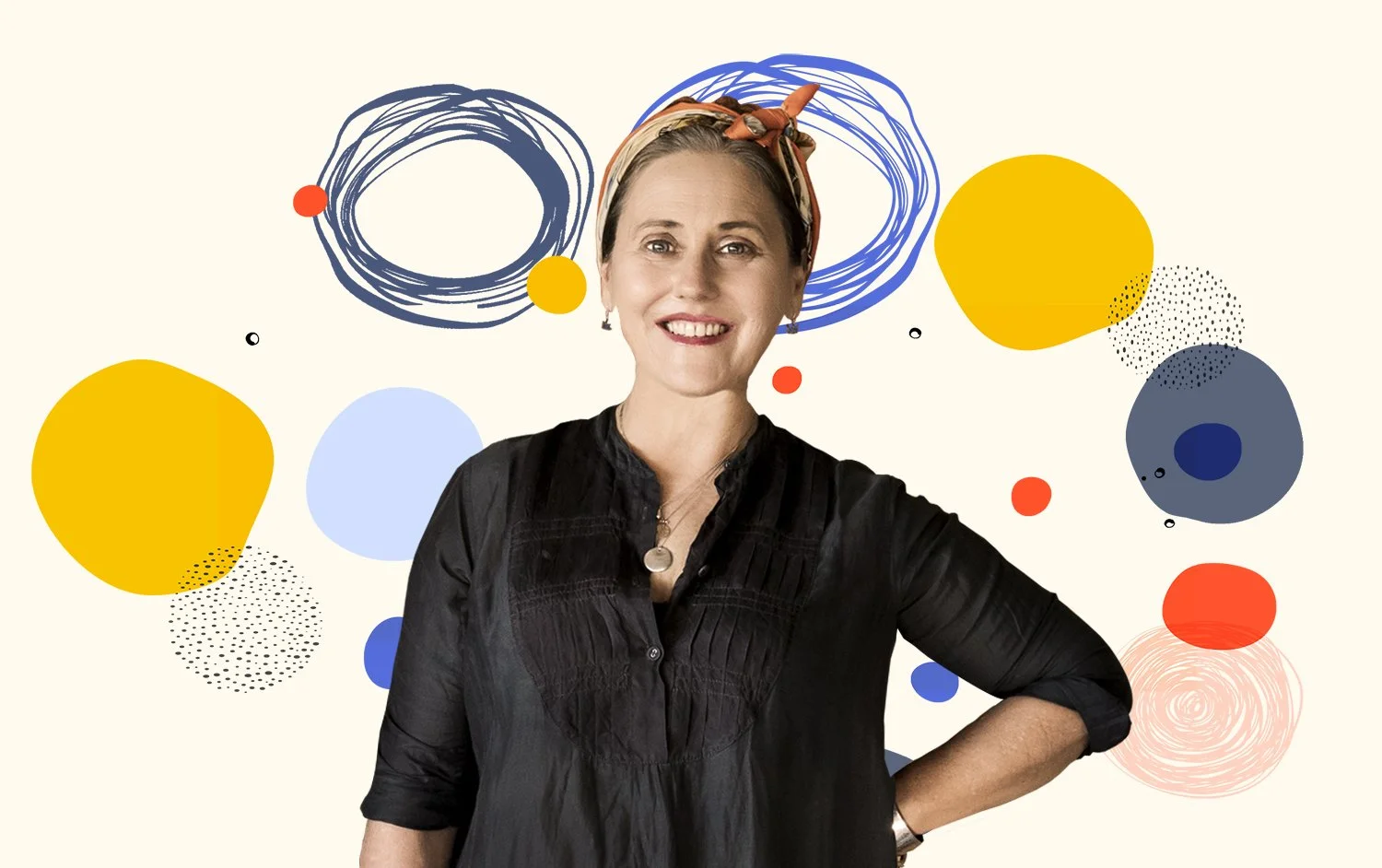
Now let's get into the episode. Today I'm interviewing Jude Love, a graphic designer and web developer with a superpower for helping people sell their services through business, e-commerce and personal brand websites. Jude began her career as a photo editor for media mass heads across Australia and the UK before pivoting her career to build her web development agency Love Communications, supporting a diverse array of clients. Now let's dive into the interview.
Jude, thank you so much for being on. It is so wonderful to have you here today on the Career Pivot Podcast. Thanks so much Bex. Thanks very much for having me.
My pleasure. Tell us a little bit about where you were at in your career before you pivoted and what the catalyst was that made you want to pivot. I was working in pretty much a dream job. I was photo editor of Good Weekend magazine and what really crystallized the pivot for me, although looking back on it now I understand that I was actually looking for where my next step might be, but what really crystallized it was that I was made redundant in one of the many rounds of redundancies at Fairfax as you know five ten years ago print publishing was experiencing just massive eruptions and extreme revenue loss and audience changes as the world was transitioning to use online.
So Fairfax had a massive shedding of staff but I suppose while I really loved my job what I was saying was I felt as though I was sort of looking around for another pathway anyway because the job was immensely all-encompassing and to be honest that didn't really suit the way I am. I was a mother of two middle-aged children. I like to do a lot of different things rather than having one all-encompassing job that was almost 24-7. It was before the efficiencies of a lot of what we know of the online world now were really in place so I was having to put in late night phone calls and you know do late night negotiations struggling sick kids.
So I'd already started I was doing a master's of design at UTS and I was taking sort of as many website courses within that as I could and that I realized that that was really starting to interest me. The more I was using really terrible websites in my job I was thinking I could do this so much better. So while the redundancy was a bit of a shock and it took me a while to settle down after that and I suppose overcome some grief which came from shock and which came from really sort of someone else making up my mind for me. But I think I had a fairly soft landing with it because I could see a future that was different.
Yeah and almost like sometimes I think it can be a blessing in disguise when something like that happens. It's like you know it kind of propels you into that new direction that maybe you weren't sort of thinking that you'd take just yet and it's almost like the universe kind of shifts for you. Yes I remember um you know just after I'd heard that um I was being made redundant. I got home late um I was out in the backyard trying to get in the washing that was already damp from the night air and I looked up into the house and there was my oldest son making dinner for my youngest son and I thought oh actually it's going to allow me the space and the time to slow my life down for them and for me.
So while it was quite devastating on me on some levels it was it was really a gift in other ways. Yeah it's funny that um you know with myself as well and a lot of my clients and speaking with you as well it's interesting um that you know identities become so intertwined with the roles that we do and particularly when we have big roles that are kind of all encompassing like what you were talking about um with your um role as was it photo editor? Yeah I think we can too. Yeah yeah and I can imagine like that's a huge job right like and that would have become like so much part of your identity and like you know like you were saying you were working in the night and it's like we can almost start to um become one with the role and so it is like what you were saying it is like a grief when you um when you let go or when something happens that you that you um you know have to step out of it and that can be like like that can be an all-encompassing feeling.
How did you sort of get get through that that period or get you know move past that kind of um that grief if you like of losing that old identity? I have a fairly steep learning curve um so what I did after I left um Good Weekend I kept doing um freelance photo editing for some time and I was also dipping my toe into building out a business that my husband and I intended to transition to full-time and we called it Love Communications and he was going to do video work I was going to do graphic design and website um and so I was I had one foot still in what I knew which was doing freelance work but I really wanted to explore owning a business I didn't I didn't want to just replicate a job I wanted to own a business I being a business owner was part of what my intention was so that I had control of what I was doing what my income and managing a new life for myself that was beyond just being the person that someone calls when they need a when they need someone to come in at the last minute you know freelancing is really great but it is sort of replicating your your job for another job but without the um without the holiday pay without the sick pay and without the safety and security of a full-time job so for me it was important to transition into being a business owner where I was building inefficiencies I was replicating my income and more um my husband we decided that he would stay in his full-time role rather than transitioning into our business and that was another safety net for us but to be honest it was a really steep learning curve I had that ambition in my mind that I would be a business owner and an agency owner and I would build Love Communications out as an agency so I I used the redundancy payout to upskill and upskill wasn't just learning how to be a website builder upskilling was learning how to be a business owner and I joined lots and lots of online groups and um so I was able what I knew that I would really miss when I left with weekend was the stimulation of other people and also the stimulation of everything that comes into that office or any office there are conversations there are cultural references that that you can miss out on just being a single entity in your home office so I knew that I a I wanted to prioritize building my own brand building my own business and be I still needed the stimulation of the external um and that's why I joined I've joined a whole load of online groups of other um web agency owners uh digital marketing um professionals and um lead generation builders so there's lots I'm involved with lots of international input of people who are going through the same thing as me and we share business development information we help each other with strategy and planning we help each other with um technical issues we help each other with client issues and that I think I think I needed to know that I would be okay without the input and the support of a larger entity which is your employer your office your friendships and relationships that you've built in a job that you know in a salaried position so I think I really made it a priority to find those things and replicate it in this business that I was building yeah there's so much there that um that I resonated with as well and it's really interesting to me uh including so you know that desire to be able to control your own income and have a business um like and as opposed to just freelancing where you feel like you're replicating your job I feel like um that can be true I think uh the good thing about it though is it does provide the flexibility um that you don't have in a full-time job that you can then continue to build a business or whatever you want in addition to potentially freelancing so that you can scale your income more than you could in employment yes and freelancing works for so many people and freelancing I mean there's a lot involved in as you know in building business there's I've got I've got done a team that I have to pay and you know all of those other things that are involved in building business so freelancing I'm not saying that freelancing is not a great thing to do freelancing I still I still take on freelance jobs but I just wanted I knew that I wanted more and I I really set about learning how to get that and making it what my pivot was yes yes and I think also like just on that freelance point I think it can be an amazing stepping stone into something new if you are wanting to pivot um like if you know let's say you want to completely change careers or you want to start a business taking some time out and freelance consulting can be a really good break to do that as well or it can just be like a safety net so you can continue to earn income while you create something else or find that clarity or whatever it might be if you want or need to step out of full-time employment completely and it provides you with testimonials it provides you with proof of what you do it provides you with an improved network and all of that information is really important when you go to present yourself as the business owner if that's what you want to transition into and you're trying to get people on board to be your clients social proof and testimonials and proof of what you do and what you can what what solutions you can provide are really important and all of that comes from that lovely broad range of experience that you get in your salary job in your freelancing in your networking so it's all really important yeah yeah and for me um it's provided like you know you're talking about the business skills which I completely agree with it is a huge learning curve and and it's a whole new way of living and thinking and um for me you know doing the freelance work was a way of it was almost like a softly softly approach into building a business so that I had that like safety net and also the almost like um continued to have that identity so I didn't completely cut it off you know it was like it created a transition for me yeah yeah yes and that's what that's what we want I mean and also that's what our brains are making us do every day they're making our brains are hardwired to stay in our comfort zone and that's a really good thing because not everyone has a golden parachute you know you've got to we all know that life is expensive and we've got to we've got to pay the rent we've got to pay the mortgage we've got to pay the car you have to do what you have to do and extend a career pivot can be so very rewarding and taking steps towards it is a really great way to get there I could not agree more I couldn't agree more um when you started out in your business um firstly how long ago was that and then and what was some of the biggest challenges you faced um so it was about 10 years ago and I've been really full-time in love communications uh for about eight years um the biggest challenges well I think it was um to be to be honest I I had a lot of imposter syndrome and I think as we all know that's that's really a gender issue and but it's also um I was still filtering what had happened in you know during the redundancy and so um I was a little bit shaken generally but um I also was thinking oh my goodness I'm I'm not a geek there's so much that I don't know about website building when will I ever know it all and um it was also just as um content management systems were starting and so I was exploring the various content management systems and that's the um the framework that we all know now like WordPress and Squarespace and Wix um those were just starting up I was dipping my toe into quite a technical content management system called Drupal and I was trying to go to regular meetups and learn how to use that it was absolutely they were really full-on gatekeepers in the Drupal community and here I was turning up you know an older woman with kids you know asking looking back on it now you know pretty rudimentary questions and I just thought oh this is not my tribe that sort of I'm sure my confidence a bit as well but then I found WordPress and what what I can hear myself talking about here is resilience that I think that I didn't know how resilient I was I think the challenges that I've had I've always managed to sort of think my way out of it and plan my way out of it and learn my way out of it I no longer have imposter syndrome I um there's a lovely TED talk by a psychologist um called Amy Cuddy she's the woman who first spoke about power poses and she does this great talk about um faking it till you become it and I think that's that was my mantra without even knowing it I just kept building websites I kept you know talking people into using me as their website developer and I just kept going and kept learning and now there's I just know that there's nothing that I can't do I think I've even just realized that I no longer have any imposter syndrome about anything I mean that's also part of the world that we live in we can literally find out about anything but it's also a measure of problem solving for clients for so many years and also being part as I referenced earlier these really great networking groups where at any hour of the day I can put in a request any of the groups that I'm in and pretty much you know five to ten really great solutions will come back to me online so I think I've built I've built fortifications in my business that have helped me build out my resilience and my strength in my business which is that was a challenge I think I learned I forced myself to learn how to do that yeah I think you've really hit the nail on the head there um because for me that that is it too um in terms of career or business success the one thing is knowing that I can handle whatever comes my way and I think once you have that um because we're never going to know everything right so we're always going to keep learning there's always going to be a new trend to know there's always something new and but it's not about knowing everything um or being like the number one expert on everything it's just about having that self-belief that no matter what comes up I can I can work through it and I can handle and i can figure it out yeah absolutely and being the number one expert in you that's really important because as you were saying you can't be number one expert in everything but you can know people who are number one i know people who are fantastic seo copywriters wonderful social media hashtag experts great google ads experts and that's also really an essential part of what i do i know what i do which is build beautiful websites for people to sell their service i'm not your google ads person but i can certainly put you in touch with someone who is and i'm absolutely happy to perfect my lane and build my network out so that i'm sharing a lot around and when those google ads experts need someone whose client needs a website expert they come back to me so there's give and take and the energy and the love is moving around love it absolutely love it thank you so much for sharing that um so what are your top three recommendations dude for people that are in a in a career that they're not feeling aligned with anymore um in terms of what they could start to do next to pivot there's a lot of change around at the moment and there's a lot of writing around you know the great resignation boom and all of the change that's come out of covid and i think the first thing to do is to really interrogate that internal voice that's telling you something listen to it i mean you can ignore it for as long as you can but for a lot of us you know in the way that i do i speak to a lot of women who are transitioning away from really successful careers really successful businesses they've had they've entered those careers and businesses often uh because there are a few you know options open for them at the time they're making those critical decisions at school or there was you know duty involved and you get to a point where you've had success but that internal voice is still saying what about this what about this remember remember this so i think make peace with it and listen to it and get to the number of it and define what it is that you want to pivot into as clearly as you can that refers back to what i was saying about being expert in my lane you know if you can be as clear and defined as you can about what you want to do you're more able to make a good plan to get there and even if that plan is circuitous you've got that thought on the horizon to which you're sailing yes and i think i think on that i love your top three points there it's like interrogate then get clear and defined and then create a plan and i think that um the one thing that you know that we can all always know despite feeling like there's a lot of change happening is that nothing is permanent like if you pivot into something new and then you're not feeling aligned with that then you can continue to pivot you know it's like yes exactly you can explore like and this is where i think like the the curriculum is a journey it's not just like you know you step into something new and it's all good and that's it like and i think that you know take the leap in that kind of language um it belies the fact that it is a journey because you know it's not just a straightforward often you know usually as like okay this is what i want to do next and that's it i'm gonna do it and i think sometimes yeah like we're not like that we're like oh my god is there something wrong with me like why don't i know what i want to do and but it's like we've never had as many options before either yeah exactly exactly and it's like you know i you know i always say you know throughout all of my client sessions and like to my clients and throughout all my content that i talk about it's like you know it's a journey and it's you know the first thing you can do is just you know really get clear on how you want to feel every day and what it is that makes you feel like that like you want to feel creative do you want to feel um you know do you want to feel expert do you want to feel like you're helping other people like what and what other things that actually support you to do that and how can you draw them towards you even if you are still in a job that you're not feeling aligned with start to draw those things that make you feel how you want to feel into your life and if you can into your work but if not into your life and then you'll start to um you know become used to that feeling again and draw more of it and then you can you can take further steps towards it so it's like it's a bit of a journey and the other thing is you don't want to get to the point of burnout where where you can't you can't draw joy out of out of things burnout is really sort of flattening and a motivating and it's you know your life pretty much is reduced to task rather than experiencing the joy and that's that's where you don't want to get get to it's much more difficult to get out of that state it's always yeah what i'm suggesting is interrogate it first before you sort of tip over into that burnout yeah because that happens when we're just pushing through regardless of how we feel right like yeah it's what can do yeah there's lots of it is it's a big problem it is and i definitely have experienced burnout before and i think um i think once you've been there you know you start to know your limitations and you know that like i don't want to go back there um because you do have to make changes to get out of it um and you do have to start listening to your own voice and you know listening to how you feel and taking appropriate action like i remember um when i worked in pr agency years ago um i really burnt out i completely burnt out because i was working all the hours and um you know i had so many different clients and that kind of thing and i just i just hit a wall and i was like i can't do this anymore and i had no boundaries i was like i literally would just do whatever it talked to get the job done and that's kind of what it did take and you know like i'm all for hard work but it just became not worth it anymore it was like the payoff is not worth what i'm putting in and and like well what i'm getting out of it is not worth what i'm putting in and i really felt like um yeah i just hit a wall and i was like i need to do something i was completely different but in a way that's been a good experience for me because it taught me that i needed to have boundaries yes absolutely yes i mean your work will take as much as you give oh yeah to put in those boundaries that's a really good point yeah and now in my business i like i feel like you know yes it can be challenging like and yes you know you do have to work hard at times but it's like i know though you know i know that i still need to have boundaries and how important that is because i want to avoid going to that burnout place again yeah and so your clients your clients shouldn't be working on the weekend they should be having downtime as well oh absolutely absolutely um awesome so what is one book that has made a massive impact for you in relation to your career or pursuing your passion or your business well pretty much anything by brene brown i mean i cannot get enough of brene brown yes but boringly well actually not boringly because it's written really well my business bible is profit first by mike mccullowicz it's a really easy way of understanding where your money's going it's it's it was the most important part for me um to be contributing to my family and to be contributing long term to my family so profit first teaches you how to pay yourself um make profit in your business how to pay yourself pay your taxes on time and have more than enough money to pay any bills that are coming your way and it just is a really it's pretty much the you know the simple guide to getting money right i love it i'm gonna check that out i haven't heard about one before so it's brilliant yeah thank you for the recommendation i think finances particularly when you're starting a business is um you know very very key to get right i from the get-go i was like i need an accountant and i need a financial advisor and i was like i'm just gonna prioritize that because that will support me when it comes to tax time when it comes to paying quarterly bass and when it comes to sorting out my finances so i mean also i think there are there are so many self-help and you know dream your way to change type of books i i think i've i've sort of exhausted that that phase in my life i think i just i for me it's it's all how to how to do these things practically if you're if you're wanting to make change interrogate that change see if there's oh there's another really great book called will it fly and i can't remember the author of that but i could get that for you for the show notes um it's a it's a really simple read and it sort of helps you identify we all have great ideas and we think oh that's going to make a really great business i'm going to make my millions and this book sort of teaches you how to look look at that really practically i mean will someone you know buy your bedazzled iphone cases will you really be able to make a business out of out of that so i think for me at the moment in my you know where i am now in my business it's practical reads love it i will definitely include those two um in the show notes i think that's that's definitely um a couple of good read reading recommendations for people particularly if you're starting out in business um amazing jude what are you currently working on and where can people go to find out more about you well i've got two sites jude love.com.au is um is my personal brand site and love communications is where my client work lives and that's how i get my lovely small business and solopreneurs work and what i've been really interrogating and it refers back to what we were talking about earlier is really becoming expert in your field um i've got a team of people who take care of my client work and now i'm looking at really helping women who want to pivot in their career to build up personal brand sites so that they can really message and get clear on what they want to do in one central location and that has been a really great journey for me and i've had the great good fortune to talk to you know women who are internationally renowned architects and um ceos of businesses and just friends in my network and really help them find and articulate and define what it is that they want to do what gives them joy and what they want to stop and all of those things i mean your stop list is one of the most important things when you're considering what to do what don't you want to do is a really good place if you're confused about what you do want to do making a stop list can really prompt you about what you don't want to do anymore and i think um joy is one of my absolute guiding guiding words i want to help people find their joy and i've um been working on helping people identify that helping people understand what they could say on a website about themselves and helping people give themselves permission to interrogate and explore that and so it's a website build and also copywriting and assistance for generating leads and finding your audience really online that's great that's such important work i think um and you know particularly if you've been in a career for a really long time you don't necessarily know yeah how to create a website or how to create copy that sells and you know presents you in the best light so yeah amazing really yeah it can really be a struggling book i could do that if you know and i think um small breaking things down into smaller steps is really important for us when we're thinking of pivoting we were saying this before it's it's not it's not a big leap it's a small step and it's incremental forward motions absolutely absolutely jude thank you so much for coming on i've absolutely loved our conversation thank you for the work that you do in the world and supporting other women and other small businesses and yeah all of the incredible work that you do um thank you for the work that you do thank you for the work that you're doing talking to people and encouraging people and giving them the time and the airspace and shining a light on them and i think that you really reflect that things are possible things things are more than possible things you should be prioritizing yourself i think that's really what you are giving the world and i really appreciate that oh thank you jude that's so lovely to be here thank you so much for being on it has been so wonderful speaking with you you're very welcome thanks for your time beck thanks so much for listening and if you love this episode please share it with your friends and leave a review you'll find a link to this episode and all of the show notes at becksands.com forward slash podcast while you're there make sure you sign up for my free weekly email newsletter where i share loads of practical advice for making your career pivot remember you deserve to do work in the world that you love until next time have an awesome day