
EPISODE · Jan 20, 2015 · 24 MIN
Episode #29 Enzymes- Are You Getting Enough?
from Structural Performance Podcast
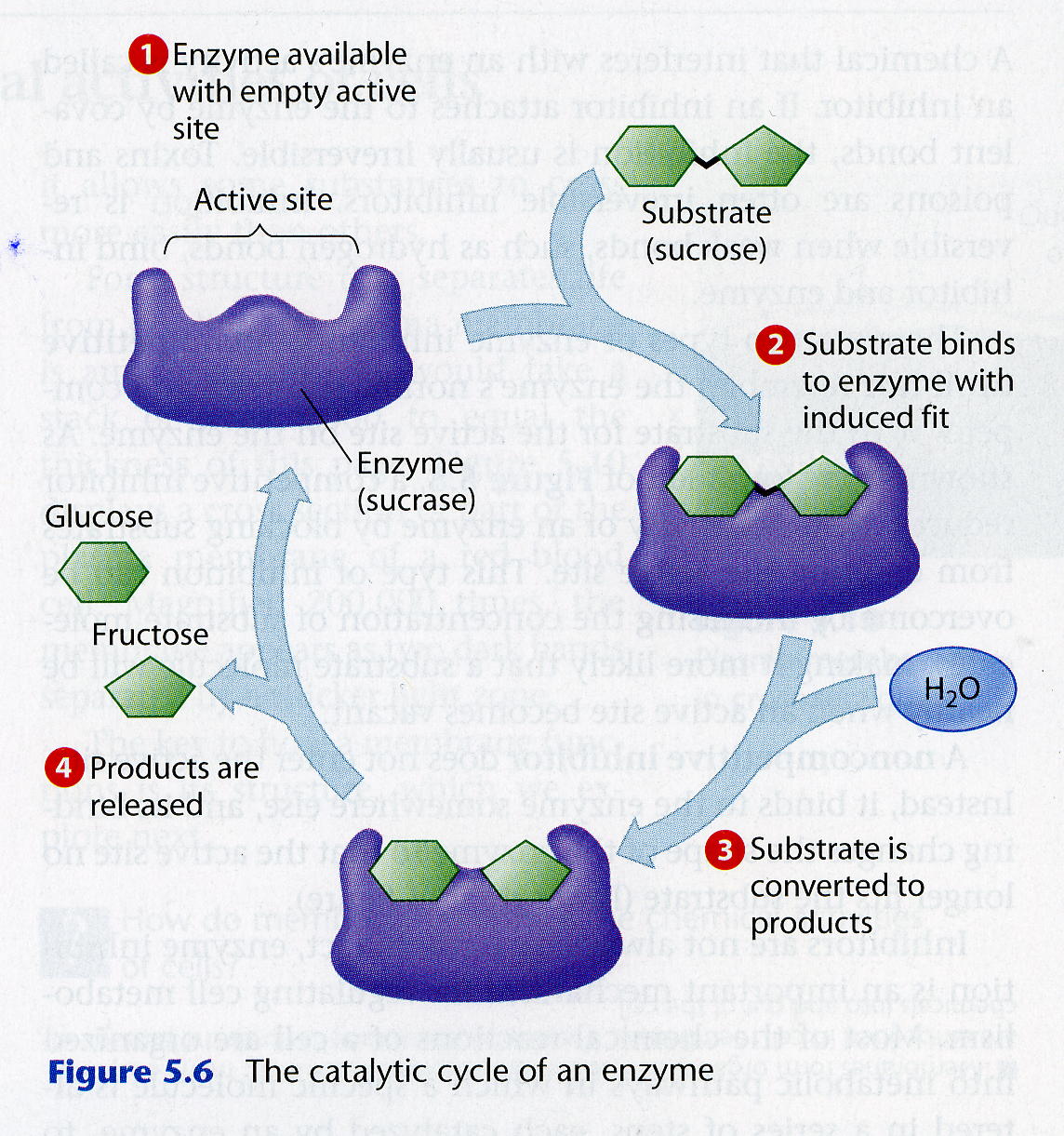
· “Discovered in the late 1930’s- 80 initially identified- today we have discovered over 5,000 different enzymes. · Enzymes are complex proteins that act as catalysts in almost every biochemical process that takes place in the body. · Their activity is dependent on the presence of adequate vitamins and minerals, particularly magnesium. · Many enzymes incorporate a single molecule of a trace mineral, such as manganese, copper, iron, or zinc- without which the enzyme cannot function Three types: · Biggest group is metabolic enzymes- play a role in all bodily functions like breathing, talking, moving, thinking, behavior, maintenance of the immune system. 1. Poison neutralizers – poisons and carcinogens like DDT and tobacco smoke- changing them into less toxic forms that can be excreted. 2. Digestive enzymes – about 22 total- most of which are manufactured by the pancreas- secreted in the duodenum- upper small intestine- and help to break down the bulk of partially digested food leaving the stomach. 3. Food enzymes- cooked and processed foods are devoid of these active enzymes- need to supplement and eat raw foods to get them- proteases for digesting protein ,lipases for digesting fat, amylases for carbs. Amylases in saliva start to break down carbs while chewing- make sure you are chewing properly and enough (30-50 times per bite) to break down the food and mix the Amylases in- will cut down on intestinal gas- stomach churning helps to distribute and mix enzymes in with food. Research: · Enzyme research has revealed that raw and fermented foods are needed to supply certain enzymes- these foods reduce the body’s need to produce digestive enzymes- a strain of the pancreas, stomach, and other glands that produce and distribute enzymes in the body. · Enzymes are deactivated at temperatures over 118 F wet heat and 150 F dry heat. · A good measure is that foods at 117 F can be touched without pain but liquids over 118 F will burn. This is a built in mechanism to help us not overcook foods (low and slow…) and kill the activity of the enzyme content. · Much more in the podcast. Source: Nourishing Traditions by Sally Fallon
Embed this episode
NOW PLAYING
Episode #29 Enzymes- Are You Getting Enough?
No transcript for this episode yet
Similar Episodes
No similar episodes found.
Similar Podcasts
No similar podcasts found.