
EPISODE · Jan 22, 2026 · 5 MIN
Episode 428 - Cosmic Conundrums
from Kevin McFarlane's podcast · host Kevin McFarlane
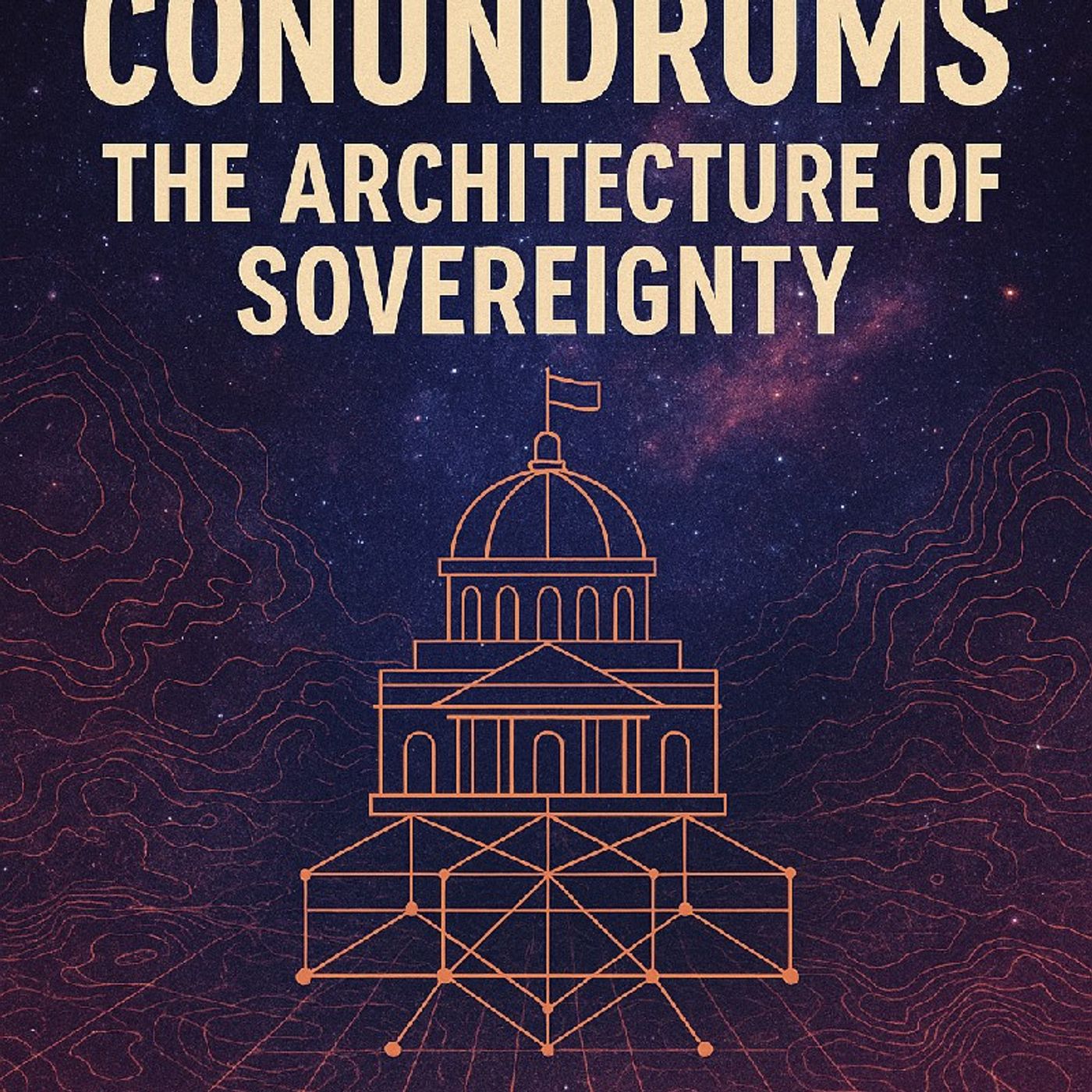
The historical emergence of kingship and centralized governance has frequently been characterized as a logical, perhaps even biological, progression of human social complexity. Within this narrative, the transition from egalitarian foraging bands to hierarchical states is presented as a trade-off where personal sovereignty was exchanged for the logistical benefits of large-scale coordination, irrigation management, and collective defense. However, a rigorous examination of the archaeological and anthropological record reveals that this transition was neither smooth nor inevitable. Rather, kingship often appeared as an engineered "power grab" disguised through divine mythology, emerging from the specific ecological constraints of agricultural dependence. The history of human governance is better understood not as a linear march toward the state, but as a persistent tension between centralized ego and distributed resonance—a field of collective stewardship where sovereignty is woven into social fabric rather than surrendered to a monarch. By mapping the traditions of resistance—from the deliberate abandonment of proto-states in Mesopotamia to the sophisticated confederacies of the Great Lakes and the autonomous Maroon societies of the Atlantic—one can discern a recurring pattern of refusal. These societies did not simply lack the state; they actively rejected it. This rejection provides the empirical basis for building a 4D resonance model scaffold for distributed stewardship. Such a model reframes leadership as a ceremonial and functional role within a "living constitution" that prioritizes mobility, revocability, and reciprocity over vertical command.
Embed this episode
NOW PLAYING
Episode 428 - Cosmic Conundrums
No transcript for this episode yet
Similar Episodes
No similar episodes found.
Similar Podcasts
No similar podcasts found.