
EPISODE · Feb 5, 2026 · 5 MIN
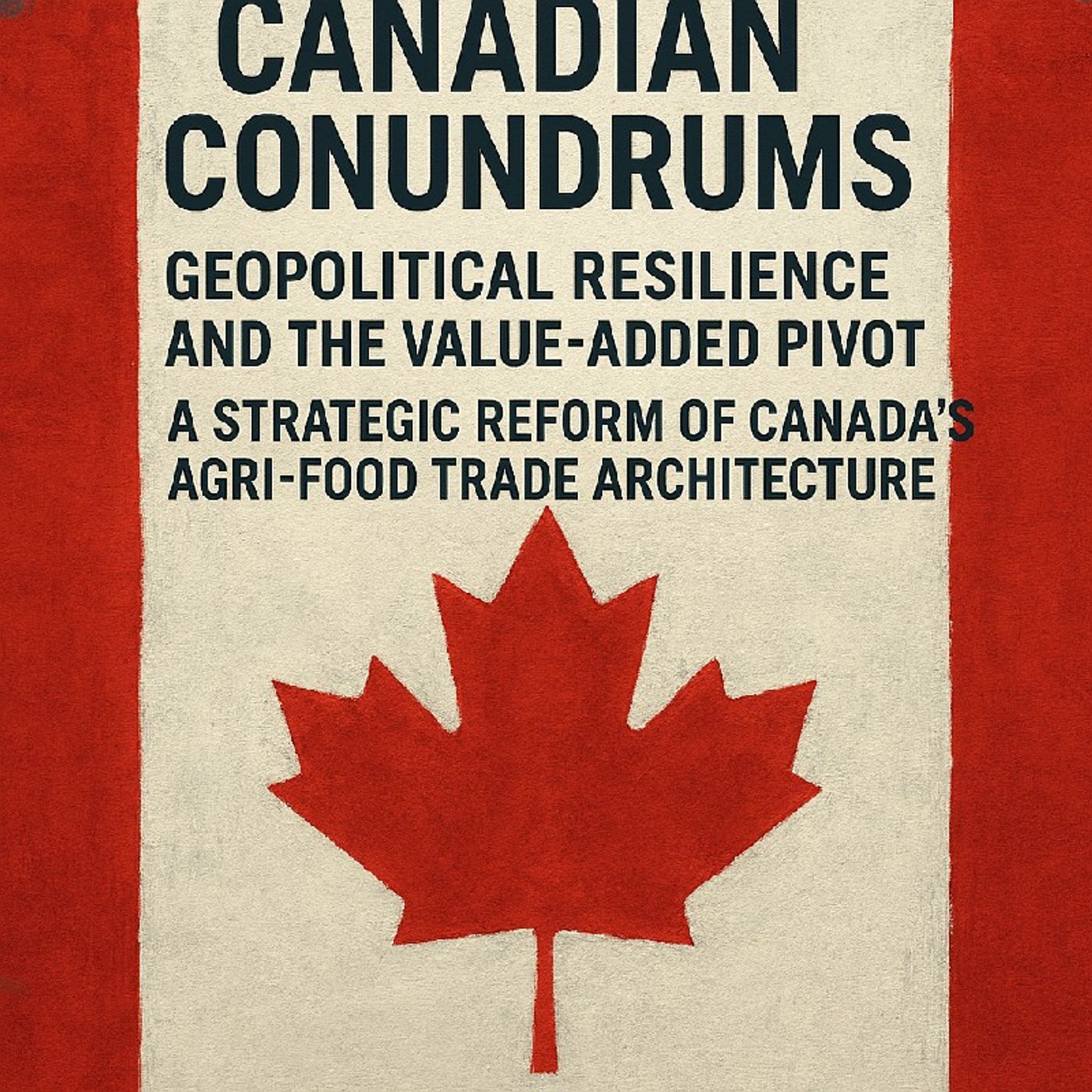
Episode 514 - Canadian Conundrums
from Kevin McFarlane's podcast · host Kevin McFarlane
The structural integrity of the Canadian trade relationship with the People’s Republic of China (PRC) has transitioned from a state of managed cooperation to one of acute strategic vulnerability. For decades, the prevailing economic orthodoxy in Ottawa rested on the assumption that trade and politics could be maintained in "separate lanes," allowing for deep commercial integration despite divergent geopolitical values. However, the systemic weaponization of trade by the Chinese Communist Party (CCP) throughout 2024 and 2025 has effectively dismantled this premise, exposing a fundamental flaw in Canada’s reliance on an authoritarian state for its economic prosperity. The current trade model, characterized by the high-volume export of raw commodities—predominantly canola, wheat, and soy—leaves the Canadian agricultural sector and the broader national economy exposed to political coercion and price volatility. This report provides an exhaustive analysis of the arguments against the current trade architecture, articulates a robust policy argument for strategic autonomy, outlines a comprehensive diversification plan focused on value-added domestic industrialization, and proposes a narrative framework to shift the national discourse.
Embed this episode
NOW PLAYING
Episode 514 - Canadian Conundrums
No transcript for this episode yet
Similar Episodes
Oct 3, 2025 ·19m
Similar Podcasts
No similar podcasts found.