
EPISODE · Sep 10, 2026 · 51 MIN
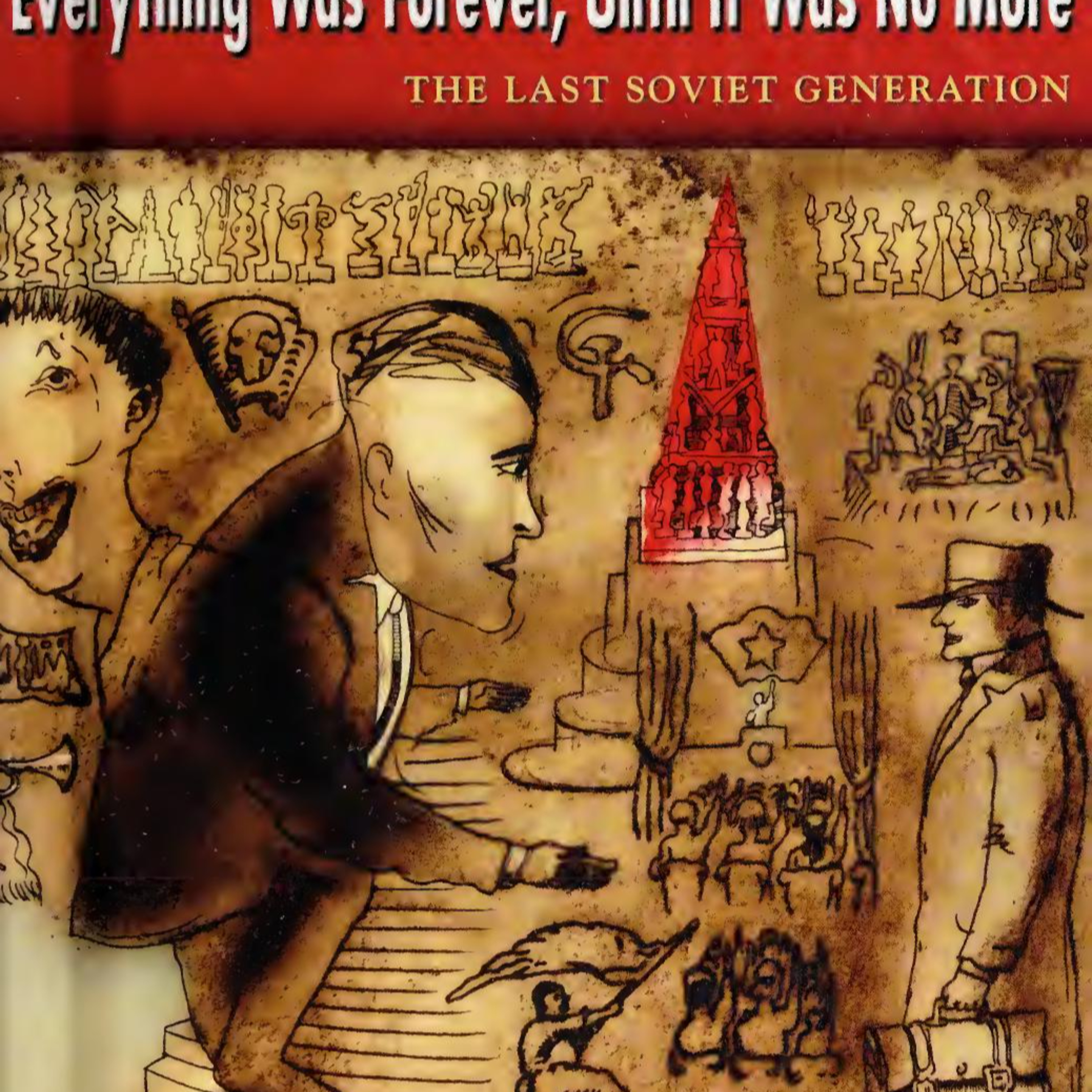
Everything Was Forever, Until It Was No More: The Last Soviet Generation — Stable Forms, Changing Meaning
from Crisis in Perception · host Crisis in Perception
How can a political system appear permanent while the meanings people attach to it are quietly changing?Welcome to Crisis in Perception, where we examine the systems shaping our world.Using Everything Was Forever, Until It Was No More: The Last Soviet Generation by Alexei Yurchak as our lens, this Deep Dive investigates one of the defining paradoxes of late Soviet socialism: why the system could seem essentially immutable before perestroika, yet become surprisingly easy to reinterpret once transformation began.Yurchak challenges the familiar picture of Soviet life as a simple opposition between true believers and hidden dissidents. Many people participated in official institutions, rituals, meetings, elections, and ideological language while simultaneously developing relationships, cultural worlds, ethical commitments, and identities that were not fully determined by official doctrine.At the center of the investigation is Yurchak’s concept of the performative shift. As Soviet ideological discourse became increasingly standardized, reproducing the proper form of speeches, reports, votes, slogans, and rituals often became more important than preserving one fixed literal meaning. Those forms continued to reproduce institutions and the appearance of stability while creating room for new and sometimes unpredictable interpretations of everyday life.The central tension is therefore not simply conformity versus resistance. It is the relationship between institutional continuity and semantic change: how stable forms can preserve a system while simultaneously creating conditions in which that system is being reinterpreted from within.The episode traces authoritative discourse, Lefort’s paradox, performative ritual, Komsomol participation, cultural milieus, the Imaginary West, and the feedback loop connecting apparent permanence with internal transformation.📺 Watch on YouTube:https://youtu.be/gkKxNarWdIs❤️ Support / Episode Post on Patreon:https://www.patreon.com/CrisisinPerception/posts/everything-was-169123979?utm_medium=clipboard_copy&utm_source=copyLink&utm_campaign=postshare_creator&utm_content=join_linkIf these ideas resonate, consider reading the work yourself or borrowing it from your local library. Supporting authors and libraries helps keep critical inquiry accessible.If you value systems-level analysis like this, please follow, rate, and share the project.This content was created using AI-assisted tools for research synthesis, structuring, and narration support. All analysis, framing, and editorial decisions are guided by human judgment as part of the Crisis in Perception project.
Embed this episode
Ready to play
Everything Was Forever, Until It Was No More: The Last Soviet Generation — Stable Forms, Changing Meaning
No transcript for this episode yet
Similar Episodes
No similar episodes found.
Similar Podcasts
No similar podcasts found.