
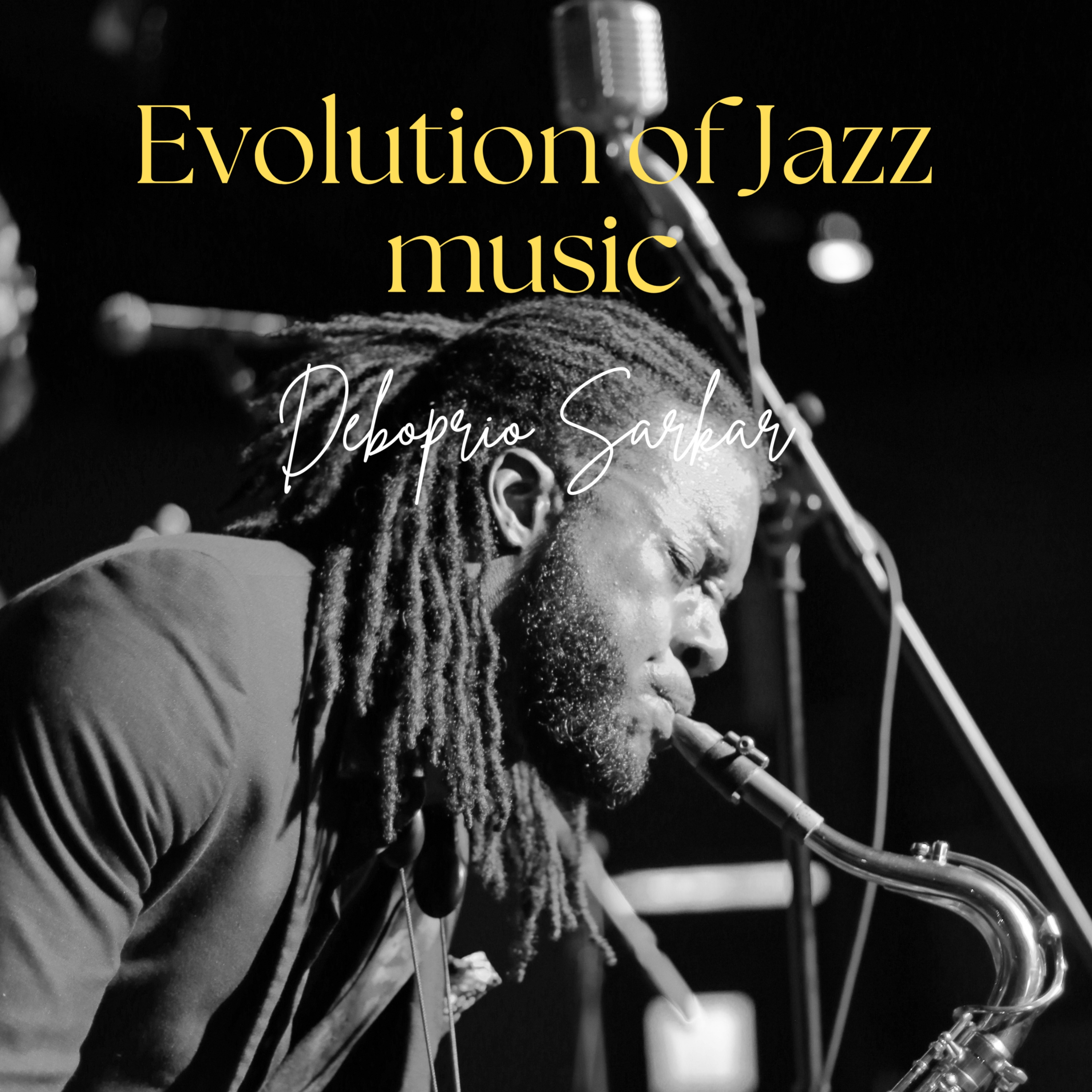
EPISODE · Feb 24, 2025 · 3 MIN
Evolution of Jazz Music
from Deboprio Sarkar Podcast · host Deboprio Sarkar
Jazz music, born in the early 20th century in the culturally rich environment of New Orleans, Louisiana, has developed into one of the most significant and enduring genres of music. Its roots lie in the convergence of African American musical traditions, European harmonic structures, and an inherent spirit of improvisation. Jazz's early years saw the emergence of iconic figures like Louis Armstrong and Jelly Roll Morton, who helped shape the genre's distinctive sound.Jazz quickly spread beyond New Orleans, finding a new home in cities like Chicago and New York during the Great Migration. The Harlem Renaissance of the 1920s was a key period in jazz history, as it intertwined with a broader cultural awakening of African American identity and pride. Jazz clubs became spaces where diverse audiences could come together, breaking down social barriers through the universal language of music.The genre evolved through various phases, from the Swing Era of the 1930s and 40s, characterized by big bands and danceable rhythms, to the bebop revolution of the 1940s, which emphasized improvisation and complexity. The cool jazz of the 1950s and the avant-garde movements of the 1960s further expanded jazz's boundaries, incorporating new influences and pushing the genre into new artistic territories.Jazz's cultural impact extends beyond music. It has influenced literature, visual arts, and film, and has been a platform for social and political expression, particularly during the Civil Rights Movement. Jazz festivals, educational programs, and institutions like Jazz at Lincoln Center ensure that jazz's legacy remains vibrant and relevant.Today, jazz continues to evolve, incorporating elements from various musical traditions around the world and embracing new technologies. Jazz artists today, like Kamasi Washington and Esperanza Spalding, are pushing the genre in new directions, ensuring that jazz remains a dynamic and powerful force in the global musical landscape.In conclusion, jazz music's rich history of innovation, cultural significance, and adaptability makes it not just a genre of music but a powerful symbol of creativity, freedom, and unity. Its enduring legacy and influence continue to inspire and connect people across generations and cultures.
What this episode covers
Jazz music, born in the early 20th century in the culturally rich environment of New Orleans, Louisiana, has developed into one of the most significant and enduring genres of music. Its roots lie in the convergence of African American musical traditions, European harmonic structures, and an inherent spirit of improvisation. Jazz's early years saw the emergence of iconic figures like Louis Armstrong and Jelly Roll Morton, who helped shape the genre's distinctive sound.Jazz quickly spread beyond New Orleans, finding a new home in cities like Chicago and New York during the Great Migration. The Harlem Renaissance of the 1920s was a key period in jazz history, as it intertwined with a broader cultural awakening of African American identity and pride. Jazz clubs became spaces where diverse audiences could come together, breaking down social barriers through the universal language of music.The genre evolved through various phases, from the Swing Era of the 1930s and 40s, characterized by big bands and danceable rhythms, to the bebop revolution of the 1940s, which emphasized improvisation and complexity. The cool jazz of the 1950s and the avant-garde movements of the 1960s further expanded jazz's boundaries, incorporating new influences and pushing the genre into new artistic territories.Jazz's cultural impact extends beyond music. It has influenced literature, visual arts, and film, and has been a platform for social and political expression, particularly during the Civil Rights Movement. Jazz festivals, educational programs, and institutions like Jazz at Lincoln Center ensure that jazz's legacy remains vibrant and relevant.Today, jazz continues to evolve, incorporating elements from various musical traditions around the world and embracing new technologies. Jazz artists today, like Kamasi Washington and Esperanza Spalding, are pushing the genre in new directions, ensuring that jazz remains a dynamic and powerful force in the global musical landscape.In conclusion, jazz music's rich history of innovation, cultural significance, and adaptability makes it not just a genre of music but a powerful symbol of creativity, freedom, and unity. Its enduring legacy and influence continue to inspire and connect people across generations and cultures.
NOW PLAYING
Evolution of Jazz Music
No transcript for this episode yet
Similar Episodes
Mar 26, 2026 ·1m
Jan 2, 2026 ·47m
Dec 21, 2025 ·46m