
EPISODE · Aug 5, 2026 · 24 MIN
Faith & Finance - Budgeting Tips for Faithful Stewardship
from WKJA Podcasts
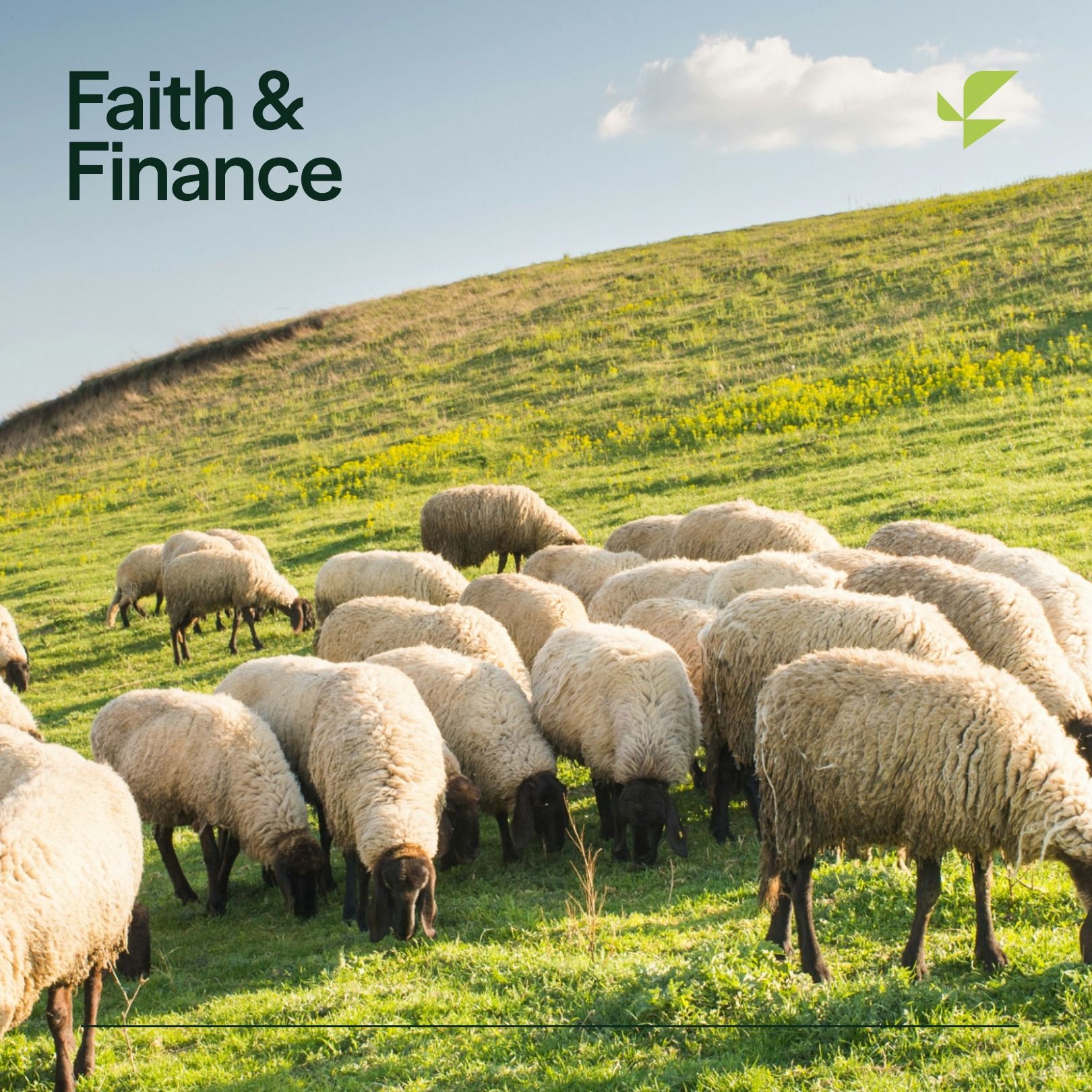
“Know well the condition of your flocks, and give attention to your herds.” - Proverbs 27:23 Most of us no longer measure our wealth in flocks and herds, but the wisdom of Proverbs 27:23 remains just as relevant today: faithful stewardship requires attention. When we do not know what we have, where it is going, or what it is accomplishing, we cannot manage it wisely. That is where a budget can help. A budget is simply a plan for managing what God has entrusted to us. It is not intended to be a burden, a source of shame, or a rigid set of restrictions. It is a practical tool that helps us practice faithfulness. Begin With the Heart Biblical budgeting starts with the recognition that everything belongs to God. Our income, possessions, savings, spending, and giving have all been entrusted to our care. That means budgeting begins with a spiritual question before it becomes a financial exercise: Lord, how would You have me manage what You have provided? That question changes the purpose of a budget. We are not merely trying to make the numbers balance. We are asking whether our financial decisions reflect what we truly value. A budget can reveal where our money is drifting. Are our resources being absorbed by impulse, comfort, comparison, and accumulation? Or are they being directed toward generosity, provision, responsibility, and contentment? The goal is not simply greater financial control. It is greater faithfulness. Make Generosity Intentional Scripture never treats generosity as an afterthought. 2 Corinthians 9:7 says, “Each one must give as he has decided in his heart, not reluctantly or under compulsion, for God loves a cheerful giver.” A budget allows us to give intentionally rather than reactively. Instead of waiting to see whether anything remains at the end of the month, we can prayerfully decide in advance how we want to support our church, ministries, neighbors, and others in need. Generosity should not be driven by guilt or compulsion. It should flow from gratitude for God’s provision and a desire to participate in His work. Know Your True Income For those who receive a predictable paycheck, identifying monthly income may be relatively simple. A spending plan can be built around regular take-home pay. Variable income requires a little more care. Business owners, commission-based workers, freelancers, seasonal employees, and hourly workers may see their income fluctuate from month to month. In that situation, it is usually wise to build a budget around a conservative baseline. Review the previous six to 12 months and identify the lower-income periods. Then build your essential expenses around a realistic minimum—not your best month. When income is higher, decide beforehand how those additional dollars will be used. They might help you: Build savings Pay down debt Prepare for upcoming expenses Increase your generosity Without a plan, additional income can easily disappear into increased spending. With a plan, it can strengthen your financial foundation and expand your ability to serve others. Give Every Dollar a Job Giving every dollar a job does not mean spending every dollar. Saving is a job. Giving is a job. Paying bills is a job. Preparing for future expenses is a job. Your budget might include money for: Housing and utilities Food and transportation Debt repayment Emergency savings Retirement Insurance premiums Medical needs Car and home repairs School expenses Holidays and gifts The purpose is not unnecessary restriction. It is intentional direction. When every dollar has a purpose, your money is less likely to be consumed by whatever feels most ur
Embed this episode
Ready to play
Faith & Finance - Budgeting Tips for Faithful Stewardship
No transcript for this episode yet
Similar Episodes
No similar episodes found.
Similar Podcasts
No similar podcasts found.