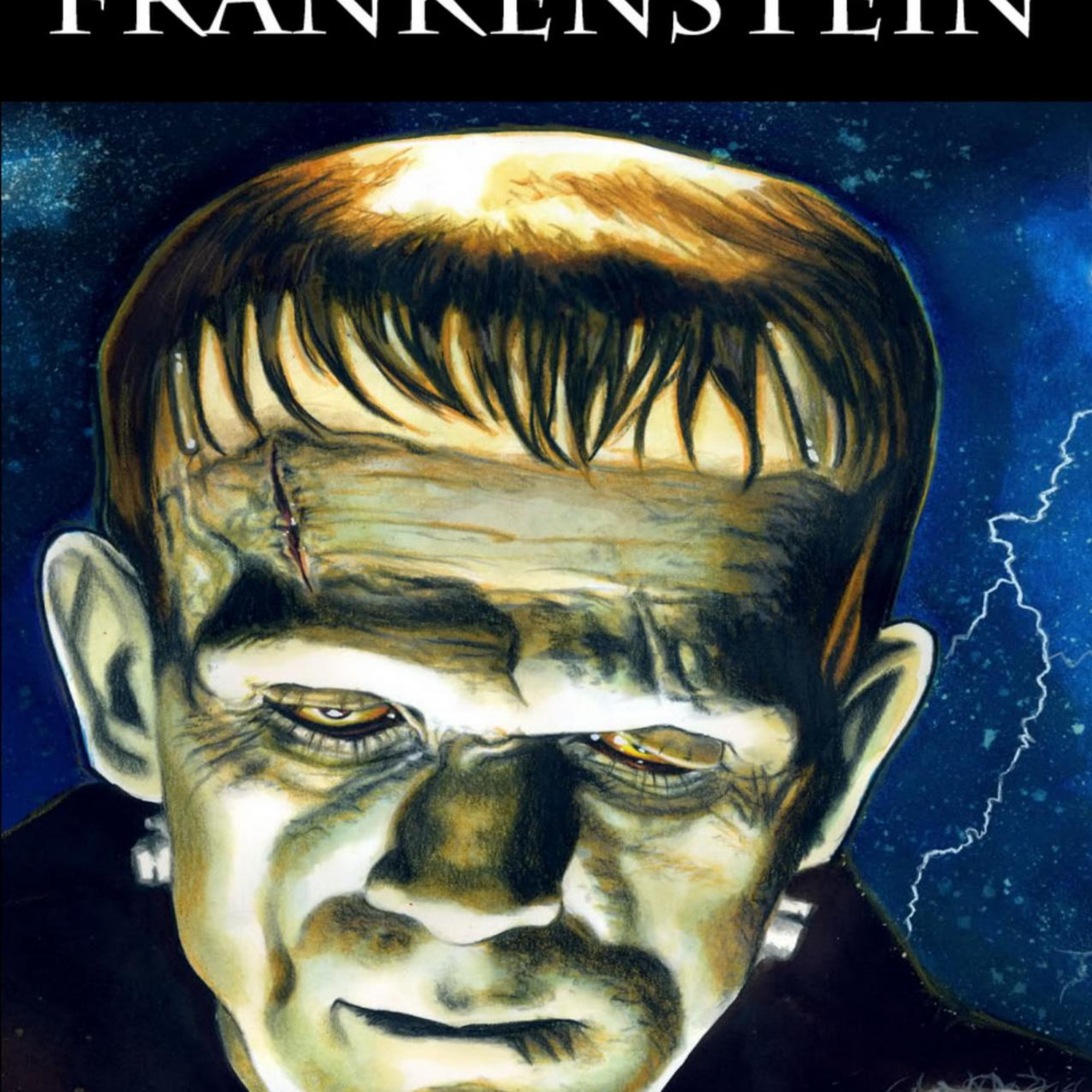
Frankenstein — When Creation Outruns Responsibility
from Crisis in Perception Hosted by Crisis in Perception
What if the real tragedy of Frankenstein is not the creation of a monster, but the failure to understand the responsibilities that come with creating life? This episode presents AI-narrated educational analysis based on published sources. The voices are synthetic and do not represent real conversations, interviews with the authors, or human experts. AI-assisted tools support research synthesis, production, and narration. Source selection, editorial framing, and final editorial decisions are guided by human judgment as part of the Crisis in Perception project. Welcome to Crisis in Perception, where we examine the systems shaping our world. Using Frankenstein by Mary W. Shelley as our lens, this Deep Dive investigates the consequences of scientific ambition, abandoned responsibility, and the social conditions that can transform isolation into destructive behavior. Victor Frankenstein succeeds in creating life but immediately rejects the being he has brought into existence. Left without guidance or companionship, the creature struggles to understand a world that responds to his appearance with fear. Through observation and experience, he develops compassion and a desire for belonging, but repeated rejection contributes to a growing cycle of resentment and violence. Shelley's novel presents a complex relationship between creator and creation. Victor's pursuit of knowledge, the creature's increasingly destructive choices, and society's reaction to the unfamiliar interact to produce a tragedy that neither individual ambition nor personal cruelty can fully explain. The investigation follows the mechanisms connecting abandonment, social exclusion, distorted judgment, and escalating harm. It also considers how Victor's secrecy contributes to the wrongful conviction of Justine Moritz and how Robert Walton's parallel ambitions illuminate the responsibilities accompanying discovery. These questions remain relevant as modern societies develop increasingly powerful technologies whose consequences may extend beyond their creators' original intentions. The deeper question is not simply what humanity can create, but what responsibilities follow when creation becomes possible. 📺 Watch on YouTube: https://youtu.be/fmSNGT_FT6A ❤️ Support / Episode Post on Patreon: https://www.patreon.com/CrisisinPerception/posts/frankenstein-173987128?utm_medium=clipboard_copy&utm_source=copyLink&utm_campaign=postshare_creator&utm_content=join_link This episode discusses key plot outcomes from the referenced fictional work in order to analyze its underlying social, economic, and systemic themes. If these ideas resonate, consider reading the work yourself or borrowing it from your local library. Supporting authors and libraries helps keep critical inquiry accessible. If you value systems-level analysis like this, please follow, rate, and share the project.
Embed this episode
No transcript yet.