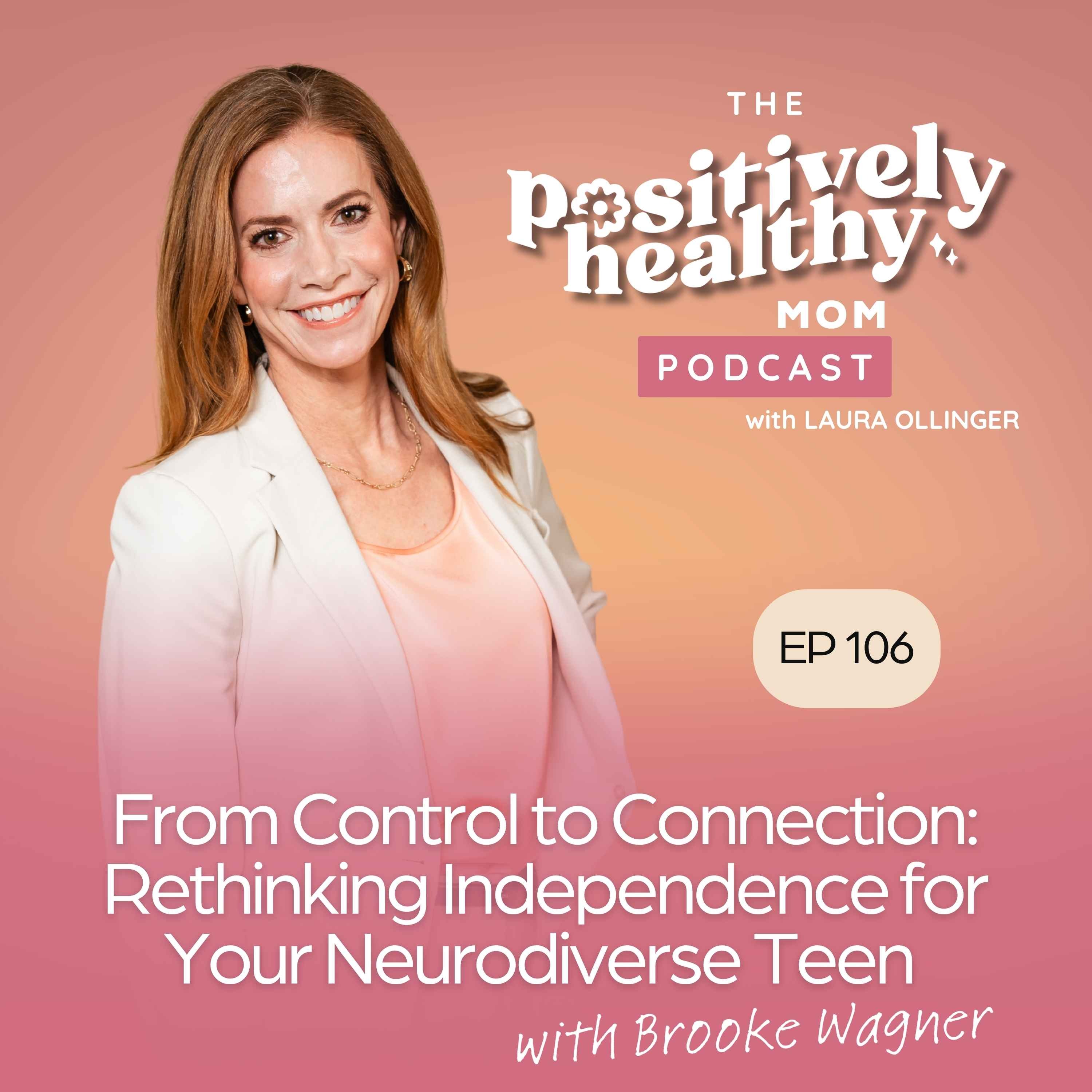
From Control to Connection: Rethinking Independence for Your Neurodiverse Teen episode artwork

EPISODE · May 13, 2026 · 29 MIN

From Control to Connection: Rethinking Independence for Your Neurodiverse Teen

from The Positively Healthy Mom · host The Positively Healthy Mom

How can Relationship Development Intervention (RDI) help neurodiverse young adults become more independent?In this episode of The Healthy Mom, we sit down with Brooke Wagner. As the host of the Finding Hope on the Spectrum podcast, Brooke specializes in helping families navigate the complexities of autism and neurodiversity.This episode dives deep into Relationship Development Intervention (RDI) and how shifting from "static" rules to "dynamic" thinking can transform a teen's ability to navigate the real world. This conversation is essential for moms of neurodiverse teens and young adults who feel like they are "tiptoeing" around their child and are ready to rebuild a connection based on guided participation rather than constant power struggles.Key Conversations in This Episode: The Shift to Dynamic Intelligence: Why teaching neurodiverse teens to manage uncertainty is more important than teaching them to follow rigid rules. Restoring the Parent-Guide Role: How to move away from a "controlling" household dynamic and back into a healthy leadership position as a parent. Declarative Communication: The power of using "I notice" or "I wonder" statements to invite your teen into the thinking process instead of just giving commands. Redefining Success: Shifting the focus from behavioral compliance to long-term quality-of-life markers like meaningful employment and self-regulation.Common Questions About Moms Of Teens and Autism/Independence:Question: Why does my neurodiverse teen struggle so much with changes in their routine? Answer: Most traditional approaches teach "static" thinking—if X happens, do Y. However, the real world is "dynamic" and messy. By focusing on dynamic intelligence, we help teens learn to process uncertainty and non-verbal cues so they can adjust to changes in real-time rather than feeling overwhelmed by them.Question: How do I stop my teen from "ruling the roost" without causing a total meltdown? Answer: It starts with "righting the ship" of the parent-child relationship. Through guided participation, you move away from being a "manager" who dictates every move and toward being a "guide." This helps the teen feel safe and competent, which naturally reduces their need to use controlling behaviors as a defense mechanism.Meet Our Expert, Brooke Wagner:Brooke Wagner is an RDI® Program Certified Consultant, the founder and owner of Therapeutic Approach to Growth (TAG), and the host of the podcast Finding Hope on the Spectrum. With over 20 years of experience, Brooke is dedicated to empowering parents of individuals with autism and other neurodevelopmental challenges. Her approach focuses on the Relationship Development Intervention (RDI) model, which emphasizes building the foundation of a guided relationship to foster emotional connection, flexible thinking, and long-term independence. Connect with Brooke on Instagram: @jessturner.coaching And on Facebook: Therapeutic Approach To Growth www.findinghopeonthespectrum.com www.tagforgrowth.comResources From Laura Ollinger Coaching: Let’s Work It Out! Connect On Instagram: @positivelyhealthycoaching Rate This Podcast!

How can Relationship Development Intervention (RDI) help neurodiverse young adults become more independent? In this episode of The Healthy Mom, we sit down with Brooke Wagner. As the host of the Finding Hope on the Spectrum podcast, Brooke specializes in helping families navigate the complexities of autism and neurodiversity. This episode dives deep into Relationship Development Intervention (RDI) and how shifting from "static" rules to "dynamic" thinking can transform a teen's ability to navigate the real world. This conversation is essential for moms of neurodiverse teens and young adults who feel like they are "tiptoeing" around their child and are ready to rebuild a connection based on guided participation rather than constant power struggles. Key Conversations in This Episode: * The Shift to Dynamic Intelligence: Why teaching neurodiverse teens to manage uncertainty is more important than teaching them to follow rigid rules. * Restoring the Parent-Guide Role: How to move away from a "controlling" household dynamic and back into a healthy leadership position as a parent. * Declarative Communication: The power of using "I notice" or "I wonder" statements to invite your teen into the thinking process instead of just giving commands. * Redefining Success: Shifting the focus from behavioral compliance to long-term quality-of-life markers like meaningful employment and self-regulation. Common Questions About Moms Of Teens and Autism/Independence: Question: Why does my neurodiverse teen struggle so much with changes in their routine? Answer: Most traditional approaches teach "static" thinking—if X happens, do Y. However, the real world is "dynamic" and messy. By focusing on dynamic intelligence, we help teens learn to process uncertainty and non-verbal cues so they can adjust to changes in real-time rather than feeling overwhelmed by them. Question: How do I stop my teen from "ruling the roost" without causing a total meltdown? Answer: It starts with "righting the ship" of the parent-child relationship. Through guided participation, you move away from being a "manager" who dictates every move and toward being a "guide." This helps the teen feel safe and competent, which naturally reduces their need to use controlling behaviors as a defense mechanism. Meet Our Expert, Brooke Wagner: Brooke Wagner is an RDI® Program Certified Consultant, the founder and owner of Therapeutic Approach to Growth (TAG), and the host of the podcast Finding Hope on the Spectrum. With over 20 years of experience, Brooke is dedicated to empowering parents of individuals with autism and other neurodevelopmental challenges. Her approach focuses on the Relationship Development Intervention (RDI) model, which emphasizes building the foundation of a guided relationship to foster emotional connection, flexible thinking, and long-term independence. * Connect with Brooke on Instagram: @jessturner.coaching [https://www.instagram.com/jessturner.coaching/] * And on Facebook: Therapeutic Approach To Growth [https://www.facebook.com/TherapeuticApproachToGrowth/] * www.findinghopeonthespectrum.com [https://www.findinghopeonthespectrum.com/] * www.tagforgrowth.com [https://www.tagforgrowth.com/] Resources From Laura Ollinger * Coaching: Let's Work It Out! [https://www.positivelyhealthycoaching.com/booking] * Connect On Instagram: @positivelyhealthycoaching [https://www.instagram.com/positivelyhealthycoaching] * Rate This Podcast! [https://ratethispodcast.com/tphmom]

NOW PLAYING

From Control to Connection: Rethinking Independence for Your Neurodiverse Teen

0:00 29:44

No transcript for this episode yet

We transcribe on demand. Request one and we'll notify you when it's ready — usually under 10 minutes.

No similar episodes found.

No similar podcasts found.

Frequently Asked Questions

How long is this episode of The Positively Healthy Mom?

This episode is 29 minutes long.

When was this The Positively Healthy Mom episode published?

This episode was published on May 13, 2026.

What is this episode about?

How can Relationship Development Intervention (RDI) help neurodiverse young adults become more independent?In this episode of The Healthy Mom, we sit down with Brooke Wagner. As the host of the Finding Hope on the Spectrum podcast, Brooke...

Can I download this The Positively Healthy Mom episode?

Yes, you can download this episode by clicking the download button on the episode player, or subscribe to the podcast in your preferred podcast app for automatic downloads.
URL copied to clipboard!