
PODCAST · education
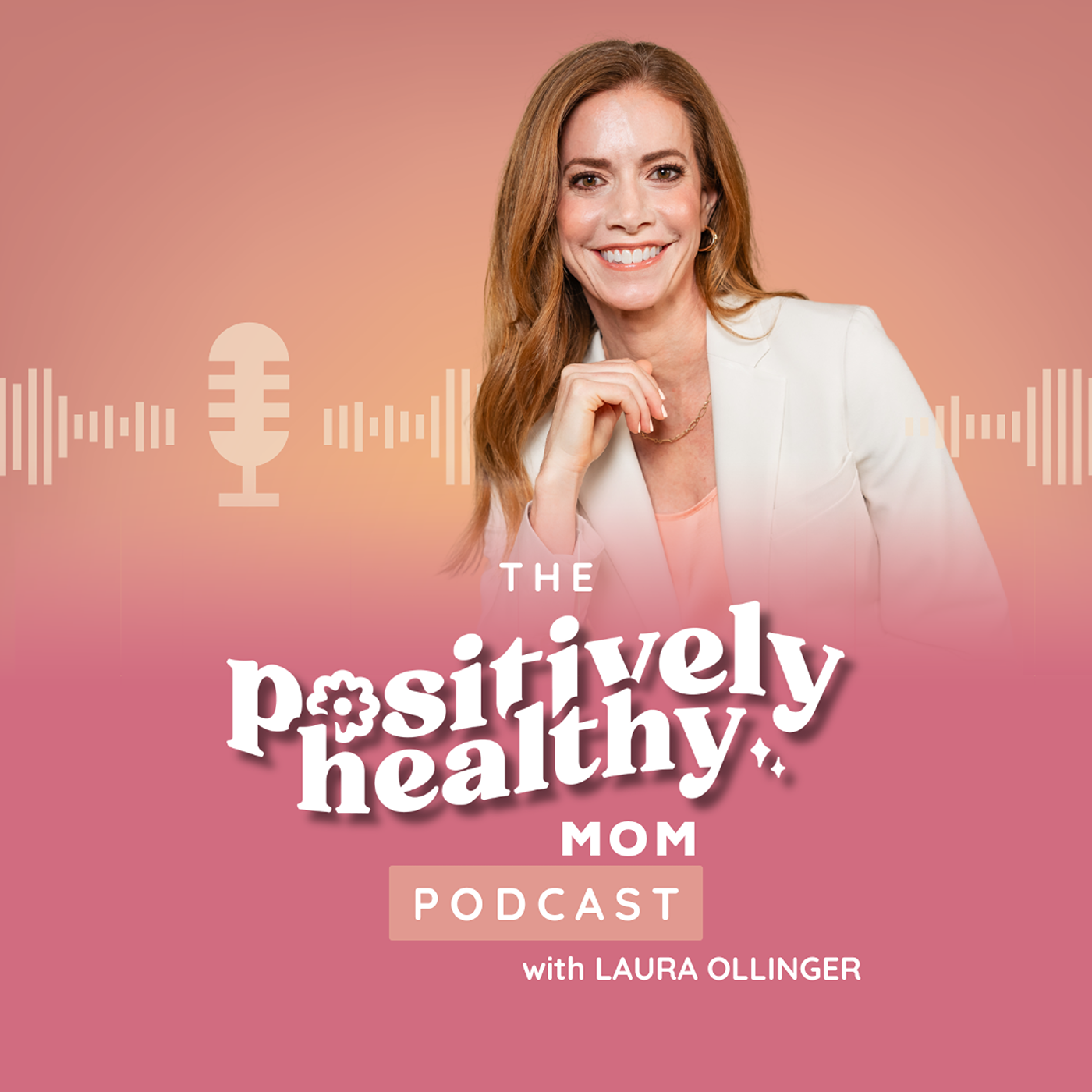
The Positively Healthy Mom
by Laura Ollinger, M.Ed. in Health & Wellness | Teen & Parent Well-Being Coach
Mastering Parenting Teenagers with Confidence & ConnectionStop nagging and start connecting. The Positively Healthy Mom is the essential resource for moms of teens and preteens who want to navigate the "messy middle" of adolescence without losing themselves. Hosted by Teen & Young Adult Well-Being Coach Laura Ollinger, this podcast is built on a singular truth: a healthy, regulated mother is the secret to a thriving home.Do you find yourself asking: * How do I connect with my teen without them shutting down or exploding? * How do I support my teen’s mental health and anxiety without making it worse? * What do I need to know about the teen brain to communicate better?Every Wednesday, Laura brings you deep-dive conversations with neuroscientists, child therapists, coaches and academic strategists to provide real-time answers to the complex issues families face today.What We Solve Together: * Teen Mental Health & Resilience: Research-backed strategies for raising resilient teenage
-
121
College Freshman Loneliness: How Parents Can Help Without Taking Control
How Do I Help My College Freshman Who Is Lonely and Struggling to Adjust?In this episode of The Positively Healthy Mom, Laura is here for a rare solo episode. This episode dives into navigating the social adjustment period of college, helping parents learn how to validate their freshman's feelings and lend them confidence without taking over or micromanaging.Laura Ollinger is giving moms of freshman college students the advice and encouragement they need right now in this short 18-minute episode. For personalized coaching with your teen or young adult, don’t hesitate to reach out.Key Conversations in This Episode Reminder that curated social media feeds create a false perception of how fast everyone else is fitting in Why stepping back and allowing your student to experience discomfort builds essential autonomy How micromanaging from a distance accidentally sends a message that you do not believe they are capable Simple ways to help your freshman challenge extreme, black-and-white thinking about their college experience How sharing your own unwavering belief in your child serves as a safety net during hard momentsQuestion & Answer For Moms of College FreshmenQ. What should I do when my college freshman calls me complaining that they are lonely or struggling to make friends?A. Validate their feelings instead of trying to fix the situation. Remind them that social media highlights are curated and fitting in takes time. Avoid doing the work for them, such as sending club lists, as taking control can signal a lack of confidence in their ability. Instead, offer gentle support to take small baby steps together and show them that you fully believe in their capability to navigate hard things.Connect With Your Host, Laura Ollinger Instagram: @positivelyhealthycoaching Looking For A Speaker For You’re Next Event, Let’s Chat! Rate this podcast! If this episode gave you a glimmer of hope or a new path forward for your family, please take 60 seconds to leave us a 5-star review on Apple Podcasts or Spotify. Your review helps other tired, searching moms find our community!
-
120
Healing Teen Sports Injuries Naturally: Peptides, Stem Cells & Sleep Science
Are peptides and stem cells safe for high-achieving teen athletes recovering from injuries?In this episode of The Positively Healthy Mom, I sit down with Dr. Jeff Gross, a board-certified neurological surgeon and founder of ReCELLebrate, who specializes in non-surgical regenerative medicine and spine health.If you are a mom navigating the high-pressure world of competitive sports and trying to help your teen athlete recover from an injury without resorting to invasive surgeries or heavy pharmaceuticals, this episode is packed with essential guidance.Key Conversations in This Episode: Exploring natural regenerative alternatives like BPC-157 and stem cell-derived exosomes to speed up injury recovery Understanding how moms can evaluate social media peptide trends with proper clinical guidance Implementing red light therapy, hydration, and long-hold stretching to maintain flexibility and muscle recovery Optimizing sleep hygiene and reducing screen time to lower brain stimulation and maximize natural healingQuestions & Answers For Moms of Teens & Young AdultsHow can teen athletes speed up recovery without invasive surgery or prescription pain medications?Natural cellular signaling tools—such as targeted peptide therapies (like BPC-157 and TB-500) and stem cell-derived biologics—can help target the root cause of muscle, tendon, or ligament tears, allowing young athletes to heal naturally and avoid unnecessary surgeries.Why is restorative sleep so critical for preventing burnout and athletic injury in teenagers?Teen brains and bodies undergo neurological repair during deep sleep. Turning off screens an hour before bed, reducing electromagnetic fields (EMFs), and using red light therapy help calm the nervous system so the body's natural cellular restoration process can work effectively.Meet Our Expert, Dr. Jeff Gross:Dr. Jeff Gross is a board-certified neurological surgeon with degrees from UC Berkeley and the George Washington University School of Medicine. With over two decades of experience treating spine and athletic injuries, he founded ReCELLebrate to focus on anti-aging and regenerative medicine, emphasizing modern biochemical treatments so surgery becomes a last resort.Guest Links: Website: https://recellebrate.com/ Instagram: https://www.instagram.com/recellebrate/ YouTube: https://www.youtube.com/@stemcellwhisperer LinkedIn: http://linkedin.com/in/Jeffrey-gross-md-5605605/Connect With Your Host, Laura Ollinger on Instagram @positivelyhealthycoachingRate this podcast! Please take 60 seconds to leave me a 5-star review on Apple Podcasts or Spotify. Your review helps other tired, searching moms find our community!
-
119
Letting Go Gracefully: Finding Your New Rhythm After College Drop-Off
How do parents adjust during the college freshman transition and support their teen during college drop-off?In this episode of The Positively Healthy Mom, host Laura Ollinger, teen life coach and founder of Positively Healthy Coaching, opens up about the emotional and practical realities of dropping off her daughter at college.This episode is for any parent navigating the messy transition of letting go, setting healthy boundaries with their college student, and adjusting to home life without their teen.Key Conversations in This Episode: Giving grace through the messy first two weeks while establishing mutually agreed communication rhythms Prioritizing belonging by guiding students to take healthy risks and find their people Managing parent grief without putting emotional burden or pressure on your college student Emphasizing physical safety and practical awareness as students transition into campus independenceQuestions & Answers For Moms of Teens & Young AdultsHow often should parents communicate with their college freshman during the first few weeks?Set up a mutual agreement ahead of time—such as a scheduled weekly phone call—and allow your student to have a say in when communication happens so they can build their own routine without feeling hovered over.How can I help my college student adjust and make friends on campus?Encourage them to step out of their comfort zone, walk through club lists step-by-step to put meetings on their calendar, and try new activities until they find their community.Connect With Your Host, Laura Ollinger Instagram: @positivelyhealthycoaching Rate this podcast! If this episode gave you a glimmer of hope or a new path forward for your family, please take 60 seconds to leave me a 5-star review on Apple Podcasts or Spotify. Your review helps other searching moms find our community!
-
118
Will Your Teen Quit When College Gets Hard? How to Build Academic Resilience Before They Leave with Jewellyn Forrest
How can parents build academic resilience in teens so they don't quit when college gets hard?In this episode of The Positively Healthy Mom, I sit down with Jewellyn Forrest, an educational consultant and academic strategist who helps students master learning habits, emotional regulation, and self-coaching skills.If you are a mother of a middle schooler, high schooler, or young adult who wants to help your student transition from relying on parental micromanagement to developing independent learning confidence, this episode is for you.Key Conversations in This Episode Why traditional K–12 study habits collapse under college-level academic pressure Navigating the “Learning Mountain” to overcome feelings of failure and frustration Simple self-coaching techniques teens can use when facing difficult course material Moving parents from homework enforcers to supportive life coachesQuestions & Answers For Moms of Teens & Young AdultsWhy do good high school students often freeze or want to quit when they get to college? Most high school environments teach kids what to learn rather than how to learn. When bright students reach college and encounter complex material that requires real struggle, they mistake normal academic friction for personal failure. Without built-in emotional regulation and active study strategies, they feel overwhelmed, freeze, and want to quit instead of working through the challenge.Meet Our ExpertJewellyn Forrest is an educational consultant, academic strategist, and creator of The Learning Mountain. With over 30 years of classroom experience teaching students from pre-K to college (currently teaching at UT Austin) , Jewellyn specializes in helping students understand how they learn. She makes the learning process visible so academic challenges become a pathway to growth and self-efficacy rather than a signal to give up.Guest Links Website: autonomylearning.com Instagram: @autonomylearning LinkedIn: Jewellyn ForrestConnect With Your Host, Laura Ollinger Instagram: @positivelyhealthycoaching Rate this podcast! If this episode gave you a glimmer of hope or a new path forward for your family, please take 60 seconds to leave us a 5-star review on Apple Podcasts or Spotify. Your review helps other tired, searching moms find our community! Work with me!
-
117
Why Everyone Is Talking About Dysregulation: Real Talk on Teen Stress and Device Usage
What is nervous system dysregulation in teens, and how does screen time affect teen stress?In this episode of The Positively Healthy Mom, we sit down with Dr. Roseann Capanna-Hodge, a therapist, school psychologist, leading expert in emotional regulation, and founder of Regulation First Parenting®.This episode explores how nervous system health directly impacts teen behavior, stress levels, and device habits, providing essential guidance for parents navigating emotional overload in adolescents and young adults.Key Conversations in This Episode: Understanding the root cause of nervous system dysregulation in adolescents How screen time and device overuse overstimulate the brain Why traditional coping strategies fail when a teen's nervous system is dysregulated The vital role of parent co-regulation and micro-moments in restoring household calmQuestions & Answers For Moms of Teens & Young AdultsWhat does nervous system dysregulation actually look like in teens, and why do normal coping strategies stop working when they're stressed?When a teen’s stress cup overflows, dysregulation shows up in very real ways—like being unusually crabby, shutting down, having big emotional meltdowns, or turning to constant screen scrolling to cope. It can even show up physically through sleep issues, gut problems, or skin flare-ups.When their system is overloaded, the frontal lobe—the part of the brain responsible for logic, self-control, and decision-making—literally goes offline. That’s why traditional discipline or relying on standard coping tools fails in the moment. It’s not that your teen doesn't want to calm down; their brain literally can't process or access those strategies until their nervous system feels safe and regulated.Meet Our Expert:Dr. Roseann Capanna-Hodge is a trusted expert in emotional and behavioral dysregulation, known for helping families calm the brain and create lasting change. She’s the creator of Regulation First Parenting® and the CALMS Dysregulation Protocol®, author of the upcoming book The Dysregulated Kid, and host of a top 1% podcast, Dysregulated Kids, with her work featured in The New York Times, Forbes, and Parents Magazine.Guest Links Website: drroseann.com Book: The Dysregulated Kid Podcast: Dysregulated Kids Podcast Instagram: @drroseann CALM PEMF the FDA Approved mobile port: Calming DeviceConnect With Your Host, Laura Ollinger Instagram: @positivelyhealthycoaching Rate this podcast! If this episode gave you a glimmer of hope or a new path forward for your family, please take 60 seconds to leave us a 5-star review on Apple Podcasts or Spotify. Your review helps other tired, searching moms find our community!
-
116
Building an Emotionally Safe Home for Your Teen: Breaking Generational Cycles
How can parents build self-awareness and break generational patterns to create an emotionally safe home for their teenagers?In this episode of The Positively Healthy Mom, Laura Ollinger continues the conversation with Stacey Greer, an ICF Professional Certified Coach, Master NLP Practitioner, relationship repair coach, and founder of The Upstream Method and the Family Peace Project.This episode dives into how parents can cultivate real-time self-awareness, reframe childhood memories, and extend self-compassion as they navigate the unpredictable choices of their teenagers.Moms of teens and young adults who want to stop passing on past generational wounds, handle teen decisions without judgment or panic, and create a calm, emotionally safe household will benefit greatly from this episode.Key Conversations in This Episode: How to respond with curiosity and support rather than panic or judgment when teens make unusual life or career announcements. Recognizing how our own unhealed childhood experiences affect our parenting and learning how to avoid passing old patterns down to our children. Using self-awareness and grace to recognize that as we evolve, our capacity and truth as parents continue to deepen. Understanding our own parents' limitations so we can let go of old resentment and show up with more grace for ourselves and our teens.Meet Our Expert:Stacey Greer is a relationship repair coach, speaker, bestselling author, ICF Professional Certified Coach, Master NLP Practitioner, and founder of The Upstream Method and the Family Peace Project. For over 15 years, she has guided parents and families through conflict, communication struggles, and emotional reactivity. Her mission is to help parents understand their inner process so they can create emotionally safe homes where love is stronger than fear, with a goal of impacting one million families through the Family Peace Project.Guest Links: Website: Stacey Greer Coaching (go visit the Family Peace Project tab on her site) Instagram: @staceynicolegreer LinkedIn: Stacey N. GreerConnect With Your Host, Laura Ollinger Join The upcoming FREE Webinar: How To Go Back To School Without Freaking Out (for Teens) Instagram: @positivelyhealthycoaching Rate this podcast! If this episode gave you a glimmer of hope or a new path forward for your family, please take 60 seconds to leave Laura a 5-star review on Apple Podcasts or Spotify. Your review helps other tired, searching moms find our community!
-
115
Fear vs. Love in Parenting: How to Regulate Your Emotions During Family Conflict
How can parents stay calm and regulate their emotions when reacting to teen conflict?In this episode of The Positively Healthy Mom, we sit down with Stacey Greer, an ICF Professional Certified Coach, Master NLP Practitioner, relationship repair expert, and founder of The Upstream Method and the Family Peace Project.This episode explores how parents can understand their own emotional triggers and nervous system baselines so they can move away from fear-based reactions and respond with love during teenage conflict. Moms of teens and young adults who want to de-escalate household arguments and build safer, more trusting relationships with their kids will benefit greatly from this conversation.Key Conversations in This Episode: How unhealed childhood wounds and past experiences cause parents to overreact to teen behaviors like eye-rolling and door slamming. Identifying whether your reaction comes from a need to regain control out of fear or a desire to offer guidance out of love. Understanding the internal process that happens—from emotional triggers to nervous system reactions—before shouting or conflict escalates. Stacey introduces her mission to create safer, more compassionate homes and empower parents to become "peace builders".Question Moms Of Teens Are Asking: How can I create an environment where my teenager feels comfortable telling me the truth?Answer Discussed In This Episode: Teenagers feel safe being honest when parents regulate their own emotional reactions and refrain from withdrawing love or reacting with intense judgment when mistakes happen. By staying grounded in your nervous system baseline, you show your teen that love and connection are not at risk during tough conversations.Meet Our Expert:Stacey Greer is a relationship repair coach, speaker, bestselling author, ICF Professional Certified Coach, Master NLP Practitioner, and founder of The Upstream Method and the Family Peace Project. For over 15 years, she has guided parents and families through conflict, communication struggles, and emotional reactivity. Her mission is to help parents understand their inner process so they can create emotionally safe homes where love is stronger than fear, with a goal of impacting one million families through the Family Peace Project.Guest Links:Website: Stacey Greer Coaching (go visit the Family Peace Project tab on her site)Instagram: @staceynicolegreer LinkedIn: Stacey N. GreerConnect With Your Host, Laura Ollinger Join my FREE Webinar: How To Go Back To School Without Freaking Out (for Teens) Instagram: @positivelyhealthycoaching Rate this podcast!
-
114
Tired of Medication Side Effects? Discover TMS: A Drug-Free Option for Teen Depression, OCD, & Autism
Is there a drug-free alternative to ADHD, depression, and OCD medication for my teenager?In this episode of The Positively Healthy Mom, we sit down with Kelley Jensen, a dedicated brain health advocate, co-host of the Refrigerator Moms podcast, and representative of Brain Performance Technologies.This episode delves into the cutting-edge worlds of Transcranial Magnetic Stimulation (TMS) and Magnetic e-Resonance Therapy (MeRT)—offering a literal lifeline to moms of neurodivergent teens and young adults who are tired of managing severe medication side effects or dealing with treatment-resistant conditions.Key Conversations in This Episode: Why so many neurodivergent youth experience severe side effects or zero progress from traditional antidepressants and stimulants, and how neuro-modulation offers a non-invasive reset. Real-world insights into how targeting specific brain regions can dramatically improve sleep, regulate circadian rhythms, reduce intrusive thoughts, and unlock "autistic joy." Demystifying the in-office experience for highly sensitive or anxious teenagers and children so parents can feel confident exploring this safe, drug-free therapy. The core differences between TMS and MeRTQuestions Moms Of Teens Are Asking And This Episode is Answering:Question: My teen has tried multiple medications for depression and OCD, but nothing is working. Is it safe to try something like brain stimulation?Answer: Yes. Standard TMS is fully FDA-cleared for Major Depressive Disorder and OCD. Because it is completely non-invasive and requires no anesthesia or sedation, it avoids the systemic, exhausting side effects (like emotional blunting, weight changes, or sleep disruptions) common with heavy psychiatric "medication cocktails."Question: How can MeRT therapy specifically help an autistic teenager who struggles with anxiety and poor sleep?Answer: MeRT doesn't try to "cure" autism; instead, it uses a personalized brain map to locate areas of neurological dysregulation. By delivering targeted magnetic pulses to optimize alpha waves, it helps smooth out the nervous system, which naturally improves sleep quality, balances circadian rhythms, and makes daily anxiety much more manageable.Meet Our Expert:Kelley Jensen is an expert in interventional psychiatry solutions and a prominent voice at Brain Performance Technologies. As a co-host of the popular Refrigerator Moms podcast, she dedicates her time to helping families navigate neurodiversity, shedding light on evidence-based, drug-free alternatives that significantly improve quality of life for autistic and neurodivergent individuals.Connect With Your Host, Laura Ollinger Join The upcoming FREE Webinar: How To Go Back To School Without Freaking Out (for Teens) Instagram: @positivelyhealthycoaching Rate this podcast! If this episode gave you a glimmer of hope or a new path forward for your family, please take 60 seconds to leave us a 5-star review on Apple Podcasts or Spotify. Your review helps other tired, searching moms find our community!
-
113
The Non-Restrictive Home: Building Strong Body Image and Resilient College Students
How to stop demonizing food, fix picky eating habits, and help your teenager build a healthy relationship with their body before leaving the nest.In this episode of The Positively Healthy Mom, we sit down with Lisa Moskovitz, a registered dietitian, founder of the New York Nutrition Group, and author of The Core 3 Healthy Eating Plan. Navigating the high-stakes pressure of teen body image, kitchen control battles, and social media comparison can leave any parent feeling overwhelmed.This episode dives into the liberating concept of "nutrition by addition," shifting the focus away from strict restriction toward fueling real resilience. Moms of teenagers and young adults preparing for the college transition will benefit deeply from this practical, stress-free approach to family eating habits.Key Conversations in This Episode: Shifting your household language from restrictive dieting to "nutrition by addition" to lower family food anxiety Ditching the trap of kitchen perfectionism and adopting the "80% rule" for real-world parenting success How over-controlling your teen’s intake of sweets backfires and how to neutralize intense sugar cravings Practical nutrition tools to help older teens navigate college dining halls and sustain brain energy independentlyQuestions Moms Are Asking and The Positively Healthy Mom Podcast is Answering:Question: How can I help my teenage daughter build a healthy body image when she is constantly exposed to toxic diet culture and social media comparisons?Answer: The most powerful defense starts at home by shifting our focus away from the scale or physical appearance and onto true nourishment. By neutralizing "good vs. bad" food language and protecting our children from restrictive diet rules, we teach them to listen to their own bodies rather than an algorithm.Question: What should I do if my teenager comes home and binges on sweets, or if I feel like I constantly need to hide the junk food?Answer: Hiding food or treating sugar like a forbidden fruit creates an artificial "scarcity mindset" that causes kids to overeat out of survival instinct. Moving toward a place of permission—where treats are a standard, relaxed part of life—takes away the taboo power of cravings and stops the pantry battles.Meet Our Expert:Lisa Moskovitz, is a certified registered dietitian, the CEO of the New York Nutrition Group. With over a decade of experience in private practice, she is passionate about helping individuals form healthier relationships with their bodies.Guest Links: Website: nynutritiongroup.com Instagram: @lisamnutrition Book: The Core 3 Healthy Eating PlanConnect With Laura OllingerLet’s Work Together To Make Your Connection With Your Teen or Young Adult Joyful!Register For How To Go Back To School Without Freaking Out (for Teens) FREE WebinarRate This Podcast!Follow @positivelyhealthycoaching on Instagram!
-
112
Parenting Teens in the Digital Age: Replacing Time Management with Attention Management
How do I get my teenager to put down their phone?In this episode of The Positively Healthy Mom, I sit down with Maura Thomas, an award-winning international speaker, trainer, and the world's most widely cited authority on attention management whose work has been embraced by NASA, Google, and Dyson. Together, we explore how moms of teens can reframe the traditional time management trap, beat screen addiction, and parent teens while modeling strategies that reclaim their family's focus in a heavily distracted world.Key Conversations in This Episode: Why traditional time management fails in the digital age and what to use instead The dark reality of the attention economy and how it targets our children's brains Empowering tech habits to help your family reap the benefits of technology without losing your presence Simple, actionable lifestyle changes to reduce mental fatigue and build real connectionQuestions Moms Are Asking and Maura Thomas is Answering: Question: My teen is constantly distracted by their phone—how can I fix this?Answer: Stop trying to manage their time and start helping them manage their attention. Distraction is an environment, not a personal failure, and teaching them to control their attention is the most critical 21st-century skill they need. Question: How can I model good digital habits when I’m also glued to my devices for work and life?Answer: Create deliberate friction between you and your tech. Put physical distance between yourself and your phone during family hours, and transition from constant multitasking to intentional single-tasking.Meet Our Expert, Maura Thomas:An award-winning international speaker, productivity trainer, and author of six best-selling books, including Attention Management. Named a Top Leadership Speaker by Inc. Magazine, she is a regular contributor to Harvard Business Review and Forbes, and the founder of Regain Your Time. Guest Links: Website | LinkedIn | YouTube | Attention Management BookConnect With Your Host, Laura Ollinger Let’s Work Together To Make Your Connection With Your Teen or Young Adult Joyful! Instagram: @positivelyhealthycoaching Rate this podcast! How To Go Back To School Without Freaking Out Free Webinar For Teens
-
111
How to Balance Midlife Hormones, Boost Energy, and Clean Up Your Family's Diet with ZuZu Armes
How can busy moms balance midlife hormones naturally and protect their teenager's brain focus?In this episode of The Positively Healthy Mom, we sit down with Karen "ZuZu" Armes, a holistic health educator, speaker, and author who has given more than 2,500 health seminars globally.In this conversation, we dive into how moms in midlife can completely balance their hormones, regain lost energy, and implement a "primary care" wellness baseline to protect their teen’s nervous system, focus, and overall long-term wellness. This episode is specifically curated for moms of teens and young adults looking to confidently ditch the chronic exhaustion, clear up family diets, and understand what their bodies truly need to thrive.Key Conversations in This Episode: Shifting from standard pharmaceutical dependencies to foundational primary care through real foods, Peruvian maca root, and traditional holistic healing practices. A simple look at why so many moms in perimenopause are chronically iodine, DHEA, or GABA deficient—and how to naturally bring your endocrine and nervous systems back into harmony. How common kitchen choices like refined sugars and processed seed oils are fraying the crucial myelin sheaths protecting your teenager’s brain and nervous system. Why your daily cup of coffee might be causing hidden health issues, and how switching to organic, mycotoxin-free, low-acid options can restore your energy.Questions Moms of Teens Are Asking and Zuzu is Answering:Question: Why am I so exhausted all the time in my late 40s/50s?Answer: Chronic midlife exhaustion is frequently linked to a sluggish thyroid caused by an iodine deficiency. Iodine is essential for the thyroid to produce T4, which converts into T3—the direct source of your physical energy. It can also be influenced by an unchecked nervous system over-depleting your GABA and DHEA reserves.Question: How do I know if my teenager's diet is actually harming their focus or causing ADHD symptoms?Answer: Studies have shown that an overwhelming majority of children see drastic improvements in ADD/ADHD focus simply by eating completely organic. Standard non-organic foods are sprayed with pesticides and herbicides explicitly designed to disrupt and kill living nervous systems. Eliminating these alongside seed oils and high sugars protects the fatty myelin sheath surrounding your teen's nerves.Connect With Our Expert, Karen “Zuzu” Armes: https://www.zuzuunleashed.com/ https://www.instagram.com/zuzu_unleashed/ https://www.lillyfieldscenter.com/Connect with your host and coach, Laura Ollinger: Let’s Work Together To Make Your Connection With Your Teen or Young Adult Joyful! Instagram: @positivelyhealthycoaching Rate this podcast!
-
110
What is the Best Way for Parents to Teach Teens Resilience?
How can parents teach teenagers mental resilience against anxiety and stress?In this episode of The Positively Healthy Mom, we sit down with Dr. Jerry Weichman, a clinical psychologist, adolescent specialist, and parenting expert with nearly three decades of experience.If you are a mom feeling like you are constantly overthinking things and just not being present with your kids, or if you are watching your teenager struggle with future anxiety and just not being in control of their reactions, this episode is just what you need. Dr. Jerry Weichman shares actionable mental health tools and frameworks designed to help parents effectively model resilience and quiet confidence for their kids.Key Conversations in This Episode: Life is the "Guy in the Van": Utilizing Dr. Jerry's powerful visual analogy to instill an unshakeable fighting spirit and resilience in your teen. Thoughts Create Problems, Actions Fix Them: Breaking the vicious cycle of teen and parent overthinking and learning how to pivot to actionable solutions. The Here and Now Protective Bubble: Practical grounding tools to pull anxious teens out of future-based fear-mongering (like AI and career stress) and back into the present moment. The Weichman Clinic Team Approach: Why treating a teenager in isolation fails, and how evaluating the entire holistic family system creates lasting mental wellness.Questions And Answers For Moms Of Teens About Resilience Building: How do I help my teen handle future anxiety about college and careers? Answer: Help them shift focus away from variables they cannot control (like shifting job markets or AI technology) and anchor them in their actions, reactions, and the tangible characteristics they bring to the table right now. What is the true definition of bullying, and how should my teen respond? Answer: Bullying is a repeated, power-imbalanced event meant to degrade. Dr. Jerry notes that “mean” kids act out of unresolved pain. Teaching your teen to recognize this lets them rise above the situation with pity rather than matching the anger. Meet Our Expert: Dr. Jerry Weichman, Ph.D., is the founder of The Weichman Clinic and its Teen Brain Program in Costa Mesa, CA, as well as the creator of the Raising Families podcast and resource hub. Website: raisingfamiliespodcast.com & theweichmanclinic.com Instagram: @drjerryweichman YouTube: @RaisingFamilieswithDrJWResources From Your Host, Laura Ollinger Instagram: @positivelyhealthycoaching Emotional College Prep for Teen Girls: Register for Positively Healthy University Support the Show: Rate the Positively Healthy Mom podcast here!
-
109
Parenting a Rose in a Garden of Tulips: Intense, High-Risk Teen Behaviors with Katie May
What should parents do when a highly sensitive teenager exhibits intense, high-risk emotional behaviors?In this episode of The Positively Healthy Mom, we sit down with Katie May, a licensed therapist, author, speaker, and the founder of Creative Healing—a multi-location teen support center in the Philadelphia area to discuss strategies for parenting teens with self-destructive behaviors.This episode is a must-listen for moms of deeply feeling, highly sensitive teenagers who experience extreme emotional dysregulation and high-risk behaviors, offering practical strategies to move your household from a state of constant crisis into a place of calm and connection.Key Conversations in This Episode: Understanding why some teenagers are genetically hardwired to experience the world with raw, intense emotions, and why traditional parenting advice fails them. A clear breakdown of Dialectical Behavior Therapy (DBT), how it differs from traditional CBT, and why it is the gold standard for treating severe emotional reactivity and self-harm in teenagers. How a teen's emotional baseline can get trapped in an ongoing cycle of stress, and how parents can use environmental changes to help them "zero out" and calm down. Concrete advice on how parents can navigate the emotional grief of letting go of the parenting journey they expected so they can show up for the teen they have.Episode 111 Q&A: Why does my teenager explode over seemingly minor issues that shouldn't be a big deal?Highly sensitive teens often experience an accumulation of nervous system stress that never fully returns to baseline. Because they are easily triggered, they get re-activated before they can fully calm down, making minor incidents feel like major crises.Meet Our Expert:Katie May is a Licensed Professional Counselor (LPC), author, speaker, and group practice owner who founded Creative Healing, a specialized center dedicated to supporting teenagers and their families. She specializes in Dialectical Behavior Therapy (DBT) and is passionate about giving parents the practical toolkits they need to understand their teen's intense inner world and foster long-term resilience.Connect With Katie May Katiekmay.com @katiekmay on IG Purchase Katie’s Book - You’re On Fire, It’s FineResources From Your Host, Laura Ollinger Instagram: @positivelyhealthycoaching Emotional College Prep for Teen Girls on July 14th, 2026: Register for Positively Healthy University Support the Show: Rate the Positively Healthy Mom podcast here!
-
108
Before Your Teen Leaves: Dorm Packing & College Prep Tips
Are you overwhelmed by social media dorm trends and giant retail packing checklists? You are not alone.In this episode of The Positively Healthy Mom, we are breaking down the ultimate guide to college transition prep. We sit down with Lara Becker, founder of The Dorm Guide and author of The Dorm Room Guide, to cut through the consumer noise and focus on what your rising college freshman actually needs for a happy, healthy, realistic and budget-friendly move-in day.Lara shares her expert, practical advice on navigating the emotional "senior summer" rollercoaster, stepping back to let your teen take the lead, and avoiding the over-shopping trap fueled by viral TikTok and Instagram dorm reveals.What You’ll Learn in This Episode: Why you should throw out standard retail packing lists and what the true essentials are. How to avoid the "Ritz-Carlton" dorm trend and style a functional, comfortable space without overspending. Understanding your teen's complex emotions and back-and-forth behavior before they leave. Practical ways to give your rising college student real responsibility before move-in day. Why a simple measuring tape is your best friend during college visits.Whether you are feeling the emotional weight of letting go or just trying to figure out how to fit your life into an extra-long twin bed setup, this episode is the perfect antidote to back-to-school anxiety. Tune in for an honest, grounded conversation that balances the logistics of packing with the heart of parenting.Support from Host Laura Ollinger: Positively Healthy University - Right now she can handle her schedule, her grades, her responsibilities. What she's still building is the emotional toolkit she'll need when she's on her own. Enroll her in Positively Healthy University today! Connect On Instagram: @positivelyhealthycoaching Let’s Work Together To Make Your Connection With Your Teen or Young Adult Joyful! Rate this podcast!
-
107
The Neuroscience of Teen Tantrums: How Your Calm Can Regulate Their Chaos
How do mirror neurons and parent co-regulation help de-escalate emotional outbursts and stress in teenagers?In this episode of The Positively Healthy Mom, we dive deep into the science of nervous system regulation, exploring how parents can use their own energetic presence to calm a dysregulated teen, while also providing practical mind-body tools to support competitive teen athletes through injury prevention and intense physical stress.It is a must-listen for moms navigating high-stress seasons with their teenagers, academic or performance pressures, and the daily chaotic bursts of teen hormones.Listen in as we sit down with Lisa Danahy, an MS in Yoga Therapy, BA in Psychology, and founder of the non-profit Create Calm, who specializes in evidence-based behavioral and emotional regulation.Key Conversations in This Episode: Why telling an upset teenager to "just calm down" backfires, and how to help them access actual nervous system resources instead. Understanding the neuroscience behind why emotions are contagious and how an adult's steady presence serves as a physical reflection for a teen's emotional reset. A breakdown of a 30-second somatic tool involving movement, body-shaking, and breathwork to instantly exit the primitive stress response. How teaching "intense sensation" practices builds physical endurance, prevents joint/bone wear-and-tear, and fosters deep peer communication in competitive sports.Common Question About Moms Of Teens and Emotional Regulation:Question: Why do big conversations with my teenager always seem to turn into explosive arguments when we are in the car?Answer: When parents and teens pile into a car, they are bringing all the bottled-up stress of their respective days into a highly contained space. Because you are physically confined and unable to move or discharge that physical energy, trying to navigate heavy topics relies entirely on words and breath to force the stress out, making the environment literal kindling for an explosive interaction. It is much better to use the car as a low-stakes space for rambling, and save big topics for after you have physically moved and reset.Meet Our Expert:Lisa Danahy (C-IAYT, YACEP, MS) is a powerful educator, entrepreneur, and Hay House featured author. With an MS in Yoga Therapy, a BA in Psychology, and over 30 years as a school administrator and social-emotional learning (SEL) curriculum developer, she is highly skilled at creating accessible, evidence-based training for emotional regulation and resilience. Her non-profit, Create Calm, has facilitated deep healing and mindful programming for thousands of students, teachers, and families across the country since 2016.Connect with Lisa and Create Calm: Website: createcalm.org LinkedIn: linkedin.com/in/lisadanahy Facebook: Create Calm Page Instagram: @create_calm_yoga & @yogalinilisaResources From Your Host, Laura Ollinger Emotional College Prep Session For Girls: Positively Healthy University Book A Coaching Call: Let’s Work It Out! Instagram: @positivelyhealthycoaching
-
106
How to Support Your Daughter Through Teen Girl Drama Without Taking Over
Is your daughter struggling with friendship drama, and are you finding it hard not to jump in and "fix" it for her?In this episode of The Positively Healthy Mom, we sit down with Sheri Gazitt, a global friendship expert and founder of Teen Wise. Sheri brings over 30 years of experience in counseling psychology to help us deconstruct the "mean girl" narrative and understand the developmental roots of social conflict.This episode is a must-listen for moms of teens and young adults who want to move from being a "White Knight" to a supportive consultant, fostering true independence and resilience in their daughters.Key Conversations in This Episode: The "White Knight" Trap: Understanding how stepping in to solve social problems can inadvertently rob your daughter of her independence and confidence. Deconstructing the "Mean Girl" Myth: Why most hurtful actions are rooted in a lack of social skills or curiosity rather than malice, and how to reframe this for your teen. Managing your "Emotional Backpack": How our own past social traumas can trigger overreactions to our teen’s struggles, and how to stay grounded. Scaffolding vs. Fixing: Practical strategies for supporting your daughter through conflict by setting boundaries and teaching communication skills rather than taking the wheel.Common Question About Moms Of Teen Girls and Social Conflict:Question: How can I tell if I'm helping or "over-parenting" during a friendship dispute?Answer: If you are contacting other parents or school officials before your daughter has tried to handle it herself, you might be in "fixer" mode. Helping means listening, validating her feelings, and brainstorming ways she can address the situation, rather than doing it for her.Meet Our Expert:Sheri Gazitt is a global friendship expert, speaker, and founder of Teen Wise. With a background in counseling psychology, she has supported thousands of girls and their families in navigating friendship struggles, social anxiety, and the emotional world of growing up. She is the author of Girl Drama Decoded, and her work helps parents understand what’s really happening beneath the surface of teen social dynamics. On a personal note, Sheri has been married for over 30 years and has three children in their 20s.Connect with Sheri: Website: Teen Wise Instagram: @beteenwise Facebook: Be Teen Wise YouTube: Teen Wise LinkedIn: Sheri GazittResources From Laura Ollinger Book A Coaching Call: Let’s Work It Out! Instagram: @positivelyhealthycoaching Rate this podcast!
-
105
How to Help Your College Student Gain Independence and Executive Function Skills
In this episode of The Positively Healthy Mom, we sit down with Shannon Weisblatt, a College Executive Function Coach with over 20 years of experience in education and special education. Shannon specializes in helping students master the "hidden curriculum" of college—time management, organization, and self-advocacy.This episode is essential for moms of high school juniors and seniors who want to prepare their kids for independence, as well as parents of current college students who are struggling to keep their heads above water academically.Key Conversations in This Episode: The Shift from Manager to Consultant: Why parents should begin "putting on the brakes" during junior year of high school to allow teens to practice autonomy before they leave home. Overcoming the Procrastination Loop: Practical strategies for students who are "stuck," including brainstorming sessions to reduce overwhelm and the power of starting an assignment for just five minutes. The Role of Natural Consequences: How to reframe a failed assignment or a poor grade as a "beautiful learning opportunity" rather than a catastrophe. Outsourcing the Prefrontal Cortex: Understanding the balance between supporting a student’s developing brain and accidentally "hovering" too much.Common Questions About Moms Of Young Adults and Executive FunctioningQuestion: When should parents start transitioning their role from "manager" to "consultant"?Answer: Parents should ideally begin this transition during their child's junior year of high school to help them build independence before leaving for college.Question: What are the best ways to help a college student who struggles with procrastination?Answer: Effective strategies include breaking assignments into small steps (like a five-minute start rule), brainstorming paper ideas together to reduce overwhelm, and creating a visible plan for the week.Question: How can parents help their teens learn from failure without being negative?Answer: Instead of making critical statements, parents can ask open-ended questions such as "How does this make you feel?" or "What could you do differently next time?" to allow the teen to find their own solutions.Meet Our Expert:Shannon Weisblatt is a College Executive Function Coach and mom of two teenage boys. For the past eight years, she has worked one-on-one with college students to build the systems—like time management and planning—that allow them to move from academic probation to the dean’s list.Guest Links: efcollegecoach.comFind Shannon On FacebookFind Shannon On LinkedInResources From Laura Ollinger Book A Coaching Call: Let’s Work It Out! Instagram: @positivelyhealthycoaching Rate this podcast!
-
104
From Control to Connection: Rethinking Independence for Your Neurodiverse Teen
How can Relationship Development Intervention (RDI) help neurodiverse young adults become more independent?In this episode of The Healthy Mom, we sit down with Brooke Wagner. As the host of the Finding Hope on the Spectrum podcast, Brooke specializes in helping families navigate the complexities of autism and neurodiversity.This episode dives deep into Relationship Development Intervention (RDI) and how shifting from "static" rules to "dynamic" thinking can transform a teen's ability to navigate the real world. This conversation is essential for moms of neurodiverse teens and young adults who feel like they are "tiptoeing" around their child and are ready to rebuild a connection based on guided participation rather than constant power struggles.Key Conversations in This Episode: The Shift to Dynamic Intelligence: Why teaching neurodiverse teens to manage uncertainty is more important than teaching them to follow rigid rules. Restoring the Parent-Guide Role: How to move away from a "controlling" household dynamic and back into a healthy leadership position as a parent. Declarative Communication: The power of using "I notice" or "I wonder" statements to invite your teen into the thinking process instead of just giving commands. Redefining Success: Shifting the focus from behavioral compliance to long-term quality-of-life markers like meaningful employment and self-regulation.Common Questions About Moms Of Teens and Autism/Independence:Question: Why does my neurodiverse teen struggle so much with changes in their routine? Answer: Most traditional approaches teach "static" thinking—if X happens, do Y. However, the real world is "dynamic" and messy. By focusing on dynamic intelligence, we help teens learn to process uncertainty and non-verbal cues so they can adjust to changes in real-time rather than feeling overwhelmed by them.Question: How do I stop my teen from "ruling the roost" without causing a total meltdown? Answer: It starts with "righting the ship" of the parent-child relationship. Through guided participation, you move away from being a "manager" who dictates every move and toward being a "guide." This helps the teen feel safe and competent, which naturally reduces their need to use controlling behaviors as a defense mechanism.Meet Our Expert, Brooke Wagner:Brooke Wagner is an RDI® Program Certified Consultant, the founder and owner of Therapeutic Approach to Growth (TAG), and the host of the podcast Finding Hope on the Spectrum. With over 20 years of experience, Brooke is dedicated to empowering parents of individuals with autism and other neurodevelopmental challenges. Her approach focuses on the Relationship Development Intervention (RDI) model, which emphasizes building the foundation of a guided relationship to foster emotional connection, flexible thinking, and long-term independence. Connect with Brooke on Instagram: @jessturner.coaching And on Facebook: Therapeutic Approach To Growth www.findinghopeonthespectrum.com www.tagforgrowth.comResources From Laura Ollinger Coaching: Let’s Work It Out! Connect On Instagram: @positivelyhealthycoaching Rate This Podcast!
-
103
The Most Courageous Question You Can Ask Your Teenager Today
How can I be closer to my high-achieving teenager and improve our connection?In this episode of The Positively Healthy Mom, we sit down with Jess Turner, a burnout and sustainable performance coach who helps high-achieving women stop running on pressure and start building sustainable lives. This conversation is essential for moms of high-achieving teens who want to break generational burnout loops and foster a deeper, more vulnerable connection with their children through radical self-awareness.Key Conversations in This Episode: The Subconscious Parenting Audit: Learn how to ask your teen the "courageous question"—"How would you describe my beliefs?"—to uncover the hidden stories you may be accidentally passing down. Lighthouse vs. Tugboat Parenting: Discover why forcing your teen toward "shore" drains your battery and how standing stable as a "lighthouse" naturally attracts them to your regulated energy. The "Open Spaces" Mindset: A powerful metaphor for stress management for busy parents, shifting focus from the "poles" (problems) to the "open spaces" (solutions) to change your neurological results. Escaping the Time Scarcity Loop: How replacing "I have no time" with "I have an abundance of time" regulates your nervous system and stops energy-draining "doom scrolling".Common Questions About Moms Of Teens and Connection:What is the best way to have a difficult conversation with my teenager?The most effective way to handle intense topics is to talk while walking side-by-side. This "shared pack mentality" removes the ego-clash of face-to-face confrontation, and being in nature scientifically helps both the parent and teen feel calmer and more open-minded.How do I manage the pressure of parenting high-achieving teenagers without burning out?Burnout often stems from a dysregulated nervous system that burns through energy twice as fast. By practicing "sustainable performance" and viewing time as "luxurious" or "abundant," you maintain the calm needed to be present when your teen actually wants to talk.Meet Our Expert, Jess Turner:Jess Turner is a high-performance and burnout coach who helps high-achieving women stop running on pressure and start building lives that actually feel sustainable. Her work focuses on changing the way people relate to success—shifting away from constant “doing” and toward clarity, energy, and systems that support real life. Originally from the UK and now based in the US, Jess is passionate about helping women model healthier definitions of success for the people watching them.Connect with Jess on Instagram: @jessturner.coachingResources From Your Host, Laura Ollinger: Coaching: Let’s Work It Out! Instagram: @positivelyhealthycoaching Rate this podcast!
-
102
Stop the Overwhelm: Practical Strategies for Busy Moms to Reclaim Calm
How can busy moms of teens manage stress and stop feeling overwhelmed?In this episode of The Positively Healthy Mom, we sit down with Michelle Gauthier, a professional life coach and host of the Overwhelmed Working Woman podcast who helps women transition from chaos to intentional living. This episode is a must-listen for high-achieving moms who feel buried by the "mental load" of managing careers, households, and the unique demands of raising teenagers.Key Conversations in This Episode: Stress vs. Overwhelm: Understanding why you lose the ability to think clearly when stressors become unmanageable. The "Recovering People Pleaser": Why high-achieving women struggle to say no and how to begin setting essential boundaries. Over-Functioning for Teens: How stepping back from managing your teenager's life builds their adult competence and restores your identity. The Love and Fit Test: A simple two-question framework to decide what earns a spot on your calendar and what stays off.Common Questions About Moms Of Teens and Overwhelm:Why do I feel like I've lost my own identity now that my kids are older? Many moms tie their "enoughness" to helping their children function, often adopting their kids' hobbies and friends’ parents as their own friends. Reclaiming your identity starts with small, daily neuroplasticity exercises—focusing on things you enjoy (a smell, a song, a color) regardless of whether your family likes them.How do I find "White Space" when my schedule is already packed? Creating white space isn't about finding extra hours; it's about shifting from "doing more" to intentional outsourcing and automation. By automating finances or hiring help for chores like laundry, you create the calm necessary to be truly present when your teen finally steps out of their room to talk at 10:00 PM.Meet Our Expert:Michelle Gauthier is a professional life coach who helps busy, overwhelmed women create a more calm and intentional life. A former corporate executive and current single mom of two, she walked away from a 20-year career to help hundreds of women navigate home and work life with ease. In her spare time, she enjoys the gym, reading self-improvement books, and watching her kids' sporting events.Guest Links: Website: michellegauthier.com Instagram: @michellegauthiercoaching Podcast: Overwhelmed Working Woman Free Resource: What's Causing Your Overwhelm? QuizResources From Your Host, Laura OllingerConnect with Laura: Free Webinar: Get Through May Without Losing Your Joy, Your Mind, Or Yourself Instagram: @positivelyhealthycoaching Rate this podcast!
We're indexing this podcast's transcripts for the first time — this can take a minute or two. We'll show results as soon as they're ready.
No matches for "" in this podcast's transcripts.
No topics indexed yet for this podcast.
Loading reviews...
ABOUT THIS SHOW
Mastering Parenting Teenagers with Confidence & ConnectionStop nagging and start connecting. The Positively Healthy Mom is the essential resource for moms of teens and preteens who want to navigate the "messy middle" of adolescence without losing themselves. Hosted by Teen & Young Adult Well-Being Coach Laura Ollinger, this podcast is built on a singular truth: a healthy, regulated mother is the secret to a thriving home.Do you find yourself asking: * How do I connect with my teen without them shutting down or exploding? * How do I support my teen’s mental health and anxiety without making it worse? * What do I need to know about the teen brain to communicate better?Every Wednesday, Laura brings you deep-dive conversations with neuroscientists, child therapists, coaches and academic strategists to provide real-time answers to the complex issues families face today.What We Solve Together: * Teen Mental Health & Resilience: Research-backed strategies for raising resilient teenage
HOSTED BY
Laura Ollinger, M.Ed. in Health & Wellness | Teen & Parent Well-Being Coach
Loading similar podcasts...
Frequently Asked Questions
How many episodes does The Positively Healthy Mom have?
The Positively Healthy Mom currently has 20 episodes available on PodParley. New episodes are automatically indexed when they're published to the podcast feed.
What is The Positively Healthy Mom about?
Mastering Parenting Teenagers with Confidence & ConnectionStop nagging and start connecting. The Positively Healthy Mom is the essential resource for moms of teens and preteens who want to navigate the "messy middle" of adolescence without losing themselves. Hosted by Teen & Young Adult Well-Being...
How often does The Positively Healthy Mom release new episodes?
The Positively Healthy Mom has 20 episodes. Check the episode list to see recent publication dates and frequency.
Where can I listen to The Positively Healthy Mom?
You can listen to The Positively Healthy Mom on PodParley by clicking any episode. We provide an embedded audio player for direct listening, and you can also subscribe via your preferred podcast app using the RSS feed.
Who hosts The Positively Healthy Mom?
The Positively Healthy Mom is created and hosted by Laura Ollinger, M.Ed. in Health & Wellness | Teen & Parent Well-Being Coach.
URL copied to clipboard!