
EPISODE · Apr 10, 2026 · 56 MIN
From labels to layers how fiction helped me see my brain
from The Neurodivergent Connection / The Curious Storyteller · host Reid
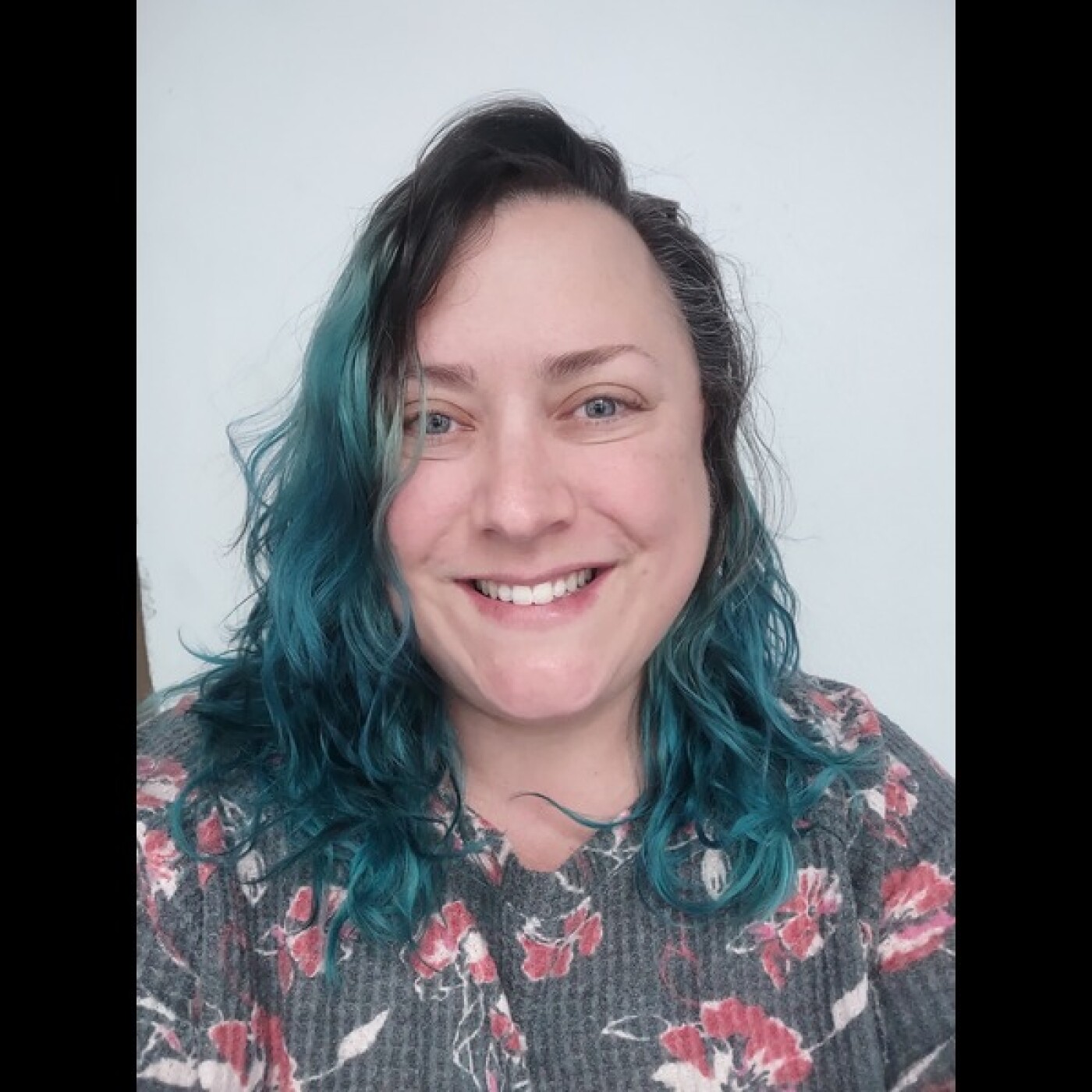
Seeing Ourselves in Fiction: Neurodivergent Characters That Actually Feel Real with Author Luna WestishRepresentation isn’t just about labels—it’s about feeling seen. Today, I sit down with debut author Luna Westish to explore how fiction can shift how we understand Autism, ADHD, anxiety, and ourselves.You’ll hear how Luna wrote a character readers either relate to deeply or find frustrating and why both reactions matter. I reveal the surprising moments that made me rethink labels, we compare “token” characters to fully human ones, and you’ll discover how inner monologue, sensory detail, and own voices storytelling can change empathy without turning pain into plot armor.We also talk about growth that doesn’t erase struggle, the lines between honest depiction and drama, and why reading outside our comfort zones prepares us for real life at home, in classrooms, and in community.If you’ve never seen yourself on the page, this conversation offers a starting point and a few questions that might change what you pick up nextAbout the GuestLuna Westish is the author of Meet Me at the Ruins, a character-driven novel that threads anxiety, relationships, and messy growth with care. She’s also taught business to kids and adults, worked in federal policy, and made jewelry because one lane was never going to cut it.Key Timestamps0:03 – Why fiction can change how we see our own minds2:06 – The first time a character felt “too familiar”6:49 – What representation gets wrong (and what’s finally improving)10:01 – Sensory layers that make characters believable11:22 – Real vs. tokenized: the role of inner life13:07 – Do labels help—or do subtleties matter more?15:19 – Writing Meet Me at the Ruins: when representation found her19:10 – Writing as healing (and why it can feel like therapy)24:27 – Honoring struggle without exploiting it29:04 – Showing growth without minimizing the hard stuff32:50 – Why “just a story” isn’t just a story44:14 – Readers who felt seen—and why that matters51:46 – Where to find Luna’s book and connectResources: lunawestish.com • bookshop.org • Available via libraries on Hoopla and LibbyIf this episode resonated, subscribe, rate, and share it with a parent, educator, caregiver, or friend. Your support helps our community grow.#Neurodiversity #Fiction #MentalHealth #Autism #ADHDHosted by Reid Miles.Conversations unfold naturally — no scripts, no rush.🎧 Subscribe wherever you listen to podcasts🌐 More about the show and past episodes: https://podcast.ausha.co/neurodivergantconnection-thecuriousstroyteller📩 Guest inquiries & media: [email protected] on Ausha. See ausha.co/privacy-policy for more information.
Embed this episode
Ready to play
From labels to layers how fiction helped me see my brain
No transcript for this episode yet
Similar Episodes
Similar Podcasts
No similar podcasts found.