
EPISODE · Sep 30, 2021 · 54 MIN
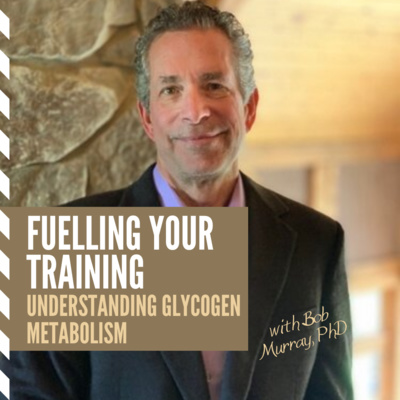
Fuelling your Training | Understanding glycogen metabolism with Bob Murray PhD
from Fix My Running · host Matthew Boyd
Hitting the wall is an experience most runners and triathletes are familiar with. Sometimes it's mild. Your energy feels totally drained and you want to stop. You may be able to continue but you have to slow your pace down drastically. Other times it can be a complete disaster. You crumple to the ground and wait for death. Sometime later, you seem to regain enough composure to stagger home or call someone to come get you. So what's going on when we "hit the wall"? How come some days you can run 20km at 5:30 pace and feel on top of the world, whereas other days you get to 10km and feel like you're going to pass out? The question is: Why do we run out of energy? In order to help us answer this question, we need to understand where our body gets the energy we use to run. For the most part, we burn glucose and fatty acids to produce the energy required for muscular contractions. We discussed that in detail in our episode on energy systems. In order to get the glucose and fatty acids to the muscles, we need to eat. Essentially, this is fuelling our training. Most of us are familiar with some aspects of fuelling. We eat gels and sports drinks and sometimes force-feed ourselves excessive amounts of pasta in the days prior to a race. However, if we're honest, we're not exactly sure what we're doing. We don't really know why we eat certain foods, how many gels we need for a race, how much sports drink to gulp down on a training run. We are in luck though, my guest today is an expert in this area and he's going to make it really simple for us. Dr. Bob Murray is an Exercise Physiologist and the founder of Sports Science Insights. After beginning his career as a University Professor he went on to become the director of the Gatorade Sports Science Institute, a position he held for 23 years. Dr. Murray recently published a review in Nutrition Reviews entitled Fundamentals of glycogen metabolism for coaches and athletes. This gives an excellent overview of the science behind an athletes diet and the fuelling strategies required to optimize training. In this episode, we will answer the questions... What is glycogen? How do we use glycogen during exercise? How do we replenish glycogen stores? What is glycogen super-compensation? Is low muscle glycogen the cause of "hitting the wall"? How much carbohydrate does a sedentary person need, compared with a recreational athlete and compared with a professional athlete, in order to maintain their glycogen stores during training? If you are trying to lose weight, how do you reconcile the restoration of glycogen stores with maintaining a caloric deficit? What does “sleep low train low” mean? How many gels or sports drinks do we need for a race? How does this differ for a marathon vs a 5k? How should we approach fuelling our training sessions? Click here to read the full show notes Follow Dr. Murray Sports Science Insights Twitter: @bobmurrayssi Cool stuff discussed in the show Dr. Murray's review article: Fundamentals of glycogen metabolism for coaches and athletes Episode of That Triathlon Show with Dr. Murray: Glycogen metabolism and optimising glycogen resynthesis with Bob Murray, PhD | EP#252
Embed this episode
NOW PLAYING
Fuelling your Training | Understanding glycogen metabolism with Bob Murray PhD
No transcript for this episode yet
Similar Episodes
No similar episodes found.
Similar Podcasts
No similar podcasts found.