
EPISODE · May 25, 2026 · 53 MIN
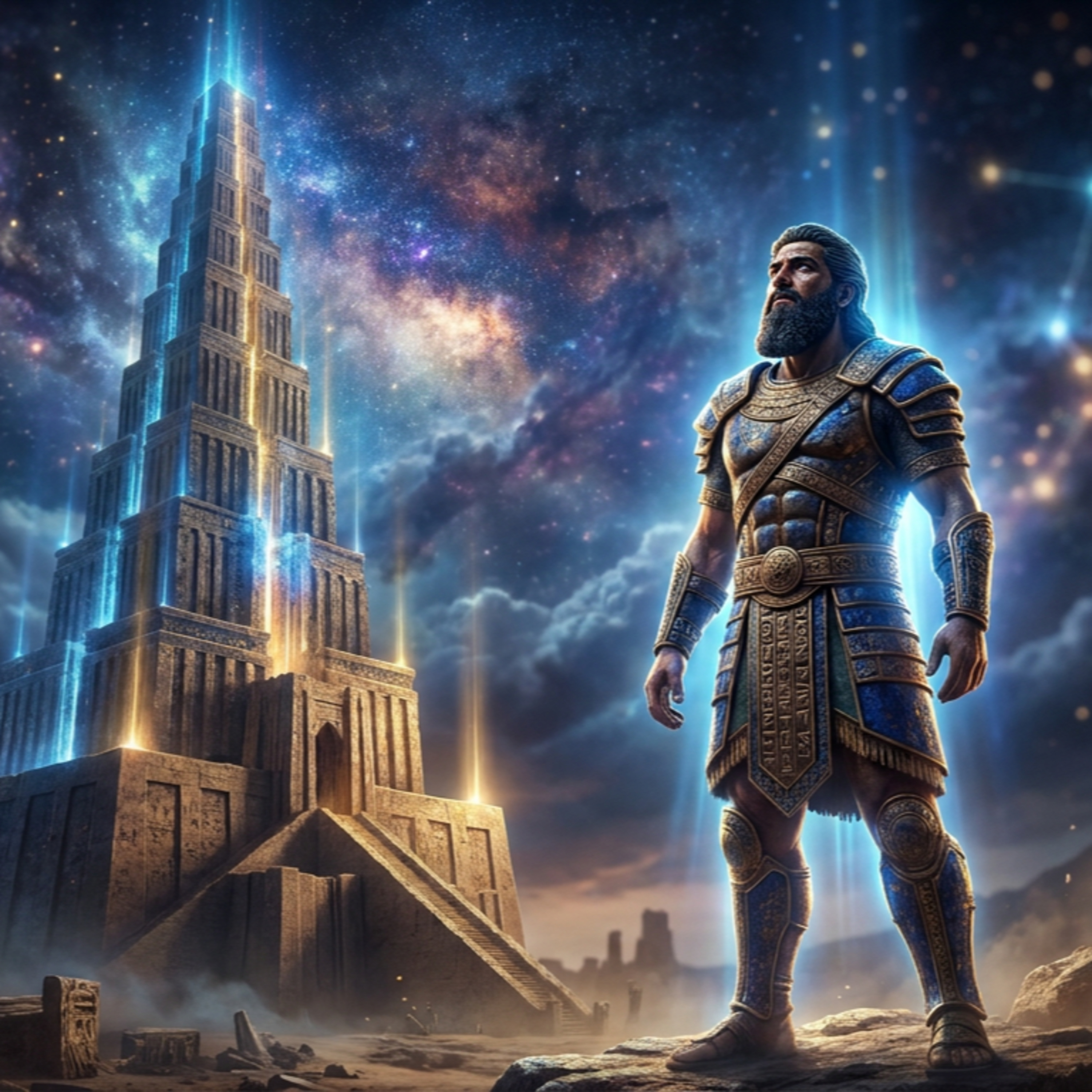
Gilgamesh and Mesopotamia's Quest for Immortality
from Professor Jiang · host Predictive History
Professor vJiang Xueqin explains why Mesopotamia became the cradle of civilization. He explains that geography determined the destinies and mythologies of Egypt and Mesopotamia. Protected by natural boundaries and nurtured by the bountiful Nile, Egypt believed in benevolent Gods. Mesopotamia had no natural boundaries and its two rivers -- the Euphrates and Tigris -- were mercurial and chaotic, which led people to believe that the Gods demanded their servitude and struggle. This belief is expressed in the two major mythologies of Mesopotamia -- "Enuma Elish" as well as "The Epic of Gilgamesh." This belief, as well as the fact that Mesopotamia was the center of the Bronze Age world, led the Sumerians to create the innovations that would form the basis of civilization.Please consider making a small donation here: https://buymeacoffee.com/jiangprofessor
Embed this episode
NOW PLAYING
Gilgamesh and Mesopotamia's Quest for Immortality
No transcript for this episode yet
Similar Episodes
No similar episodes found.
Similar Podcasts
No similar podcasts found.