
EPISODE · Aug 30, 2021 · 25 MIN
Harvest and Postharvest Considerations with Dale Risula and John Ippolito
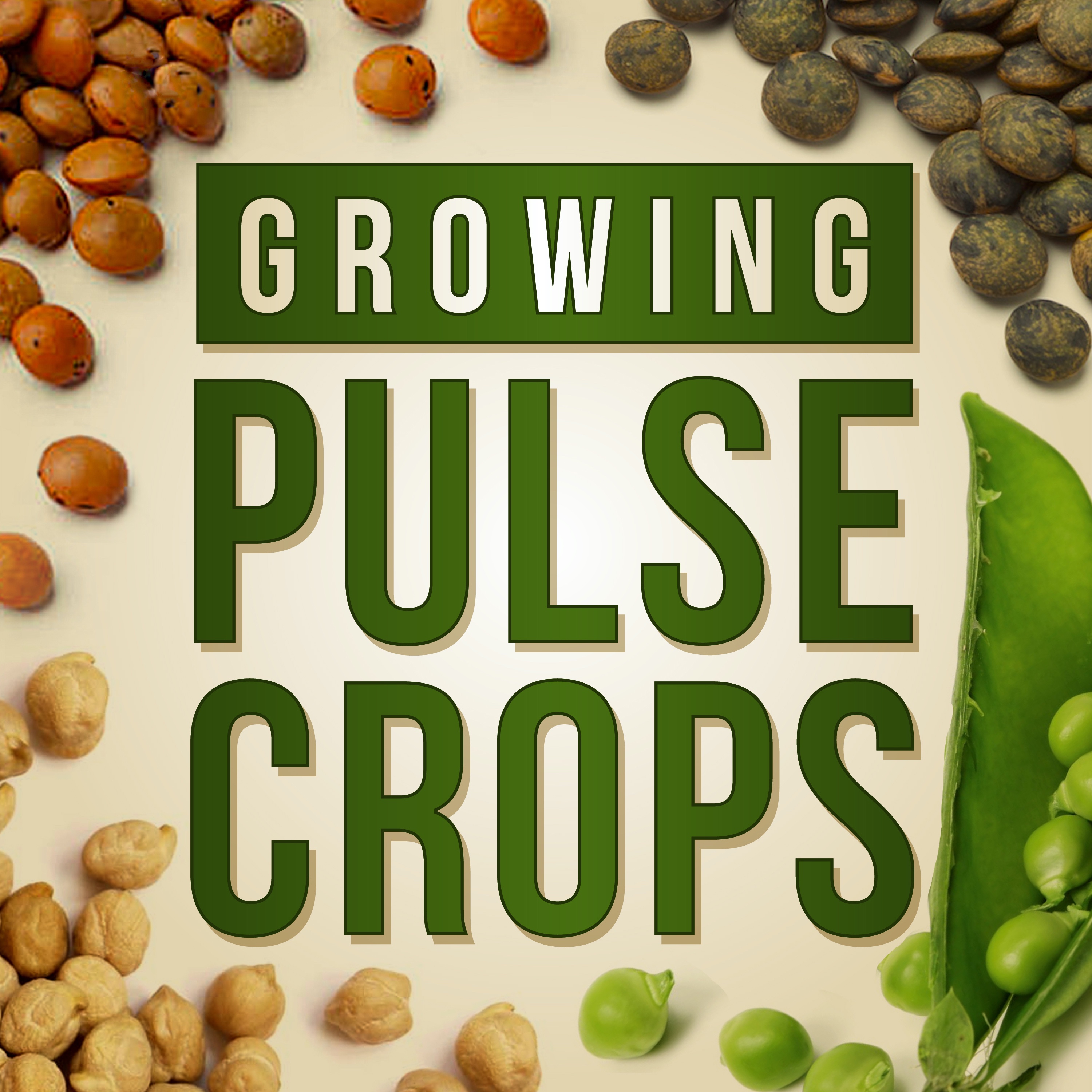
from Growing Pulse Crops
**Take our audience survey: https://bit.ly/GPCsurvey2021In this episode, we’ll talk about some of the unique challenges pulse growers are facing this year with the hot and dry weather, how these conditions could impact yield and quality, what tools Canadian pulse growers are using for harvest aids, and information on some alternative harvest approaches like using swathing and stripper headers.We’re joined by Dale Risula and John Ippolito, both with the Ministry of Agriculture in Saskatchewan, Canada. Dale Risula you may remember from episode nine of last season talking about Canadian pulses. He’s the provincial specialist for pulse crops and special crops, and has been with the ministry since 1982. John Ippolito is a crops extension specialist in west central Saskatchewan, which is a large pulse growing area including lentils, chickpeas, and field peas. John spends most of his time working directly with growers on management practices. Dale starts our conversation off with a very timely and relevant topic for a lot of pulse growers throughout North America: the dryness and heat of this season, and how that will impact yield and quality. “I think first and foremost, the biggest impact that this is going to have is the effect on yield. Yield is likely to be down from the average for much of the province. We're not sure exactly where quality might end up just yet. Some of the grains themselves might be slightly lower than the average per bushel weight. They're also going to be subject to chipping in the dryer during harvest as they're handled with various equipment.” - Dale RisulaBeyond quality and yield deficits, Dale recommends extra attention be paid to dust control and fire hazards to create a safe working environment for producers. He also suggests extra precautions be taken post-harvest in regards to handling in order to prevent over drying and seed coat crackage. Elevated temperatures in the grains also may result in sweating that creates moisture pockets and leads to spoilage. Targeted cutting times, adjusting equipment and regulating the grain temperature are all measures that can be taken to mitigate these effects. John offers help to manage grain storage with proper handling, cooling and drying.“Our recommendation to them would be to get it into a natural air bin. Col it down as quickly as possible to 15 degrees Celsius or probably about 60 degrees Fahrenheit because storage at those kinds of temperatures, even if they're dry is not going to go well.” - John IppolitoHarvest aids and desiccants can and have been used to promote uniform dry down. There are area specific regulations for these products that all producers need to be aware of. To learn more about MRLs around the world, listen to episode 11 of this season with Todd Scholz. John added that although diquat is still the primary tool, there have in fact been a few new options for harvest aids that have also hit the market. This Week on Growing Pulse Crops:Meet Dale Risula and John Ippolito, both with the Ministry of Agriculture in Saskatchewan, CanadaDiscover the best practices for pulse crop handling during a particularly hot and dry yearExplore the different considerations and options available to producers by way of harvest aid and desiccants as well as options for organic operationsWe want to hear from you! Take our audience survey!Growing Pulse Crops Podcast is hosted by Tim Hammerich of the Future of Agriculture Podcast.
Embed this episode
NOW PLAYING
Harvest and Postharvest Considerations with Dale Risula and John Ippolito
No transcript for this episode yet
Similar Episodes
No similar episodes found.
Similar Podcasts
No similar podcasts found.