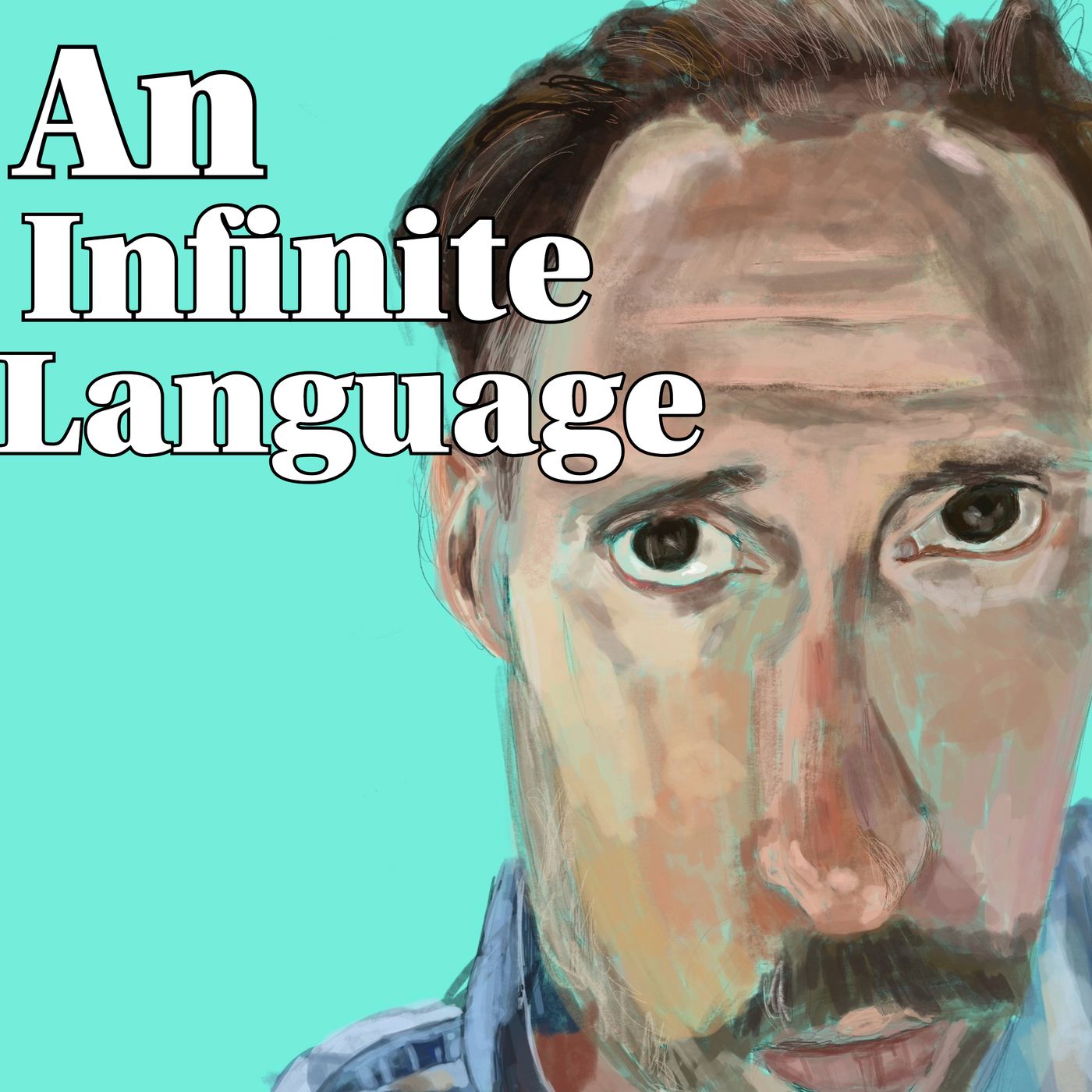
How do we value art? episode artwork

EPISODE · Aug 26, 2025 · 44 MIN

How do we value art?

from An Infinite Language · host Adam Tramantano

How do we derive value for a work of art? Monetary value Meaning value Pattern in these inquiries: Understanding how the question and supposed answers are built rather than chiseling out one defined answer. The question is always: when considering such a question, what can be taken into account, and how so? This show is like interpreting maps and discussing the terrains of a region. The inquiries being regions. How do we declare that art has value? Two value systems are proposed for the purposes of illustration: classical period and post-classical period in terms of value systems   Why do we make a dividing line in the history of art which we call “modern” art? Is it a distinct line or a period of transition? Stylistic concerns, representational approaches, conceptual work Modern art can mean many things: in addition to the above, it can be about when the artists are the ones steering and deciding the subject matter, scale, format, etc, of art. Difference: artist is now deciding what the subject matter is. When painting was the only way to make large color pictures. The older value system: resembles valuing approaches that we still use today. This involves recognizable and externalized things that have value that have nothing to do with expectations and not stylistics and can be easily understood in terms of time. Work as certain levels of precision, volume, time where none of it is variable in terms of voice or style. This classical system of valuing is clear cut and has been around a long time. It was at play in the art world for a long time.   Side road: the lens from now applied to then.   Once artists define the subject, they begin to steer the stylistic approach. The subject matter and the style are now within the artist’s control. What are the parameters of the question? What does it mean to pose the question? Is modern art more about stylistic or subject matter declaration? It need not be “more about,” but intentionally pitting them against positions the inquiry.   Post classical value system doesn’t play by rules that can be clarified at all times. It could be about sentiment, or about who else thinks it has value. It might be worth something because of reasons beyond what can be understood systematically and consistently. Post classical model of valuing art doesn’t have an outside visible hallmark to it. The foundation of this system is originally steered by there not being an outside valuing system in the first place. It doesn’t have an architecture to it.   Is the valuing of meaning separate or different from monetary value in terms of art? In the classic value system? In the post-classic system? Is there a clear articulation to the reasoning of a meaning valuing system?

How do we derive value for a work of art? Monetary value Meaning value Pattern in these inquiries: Understanding how the question and supposed answers are built rather than chiseling out one defined answer. The question is always: when considering such a question, what can be taken into account, and how so? This show is like interpreting maps and discussing the terrains of a region. The inquiries being regions. How do we declare that art has value? Two value systems are proposed for the purposes of illustration: classical period and post-classical period in terms of value systems   Why do we make a dividing line in the history of art which we call “modern” art? Is it a distinct line or a period of transition? Stylistic concerns, representational approaches, conceptual work Modern art can mean many things: in addition to the above, it can be about when the artists are the ones steering and deciding the subject matter, scale, format, etc, of art. Difference: artist is now deciding what the subject matter is. When painting was the only way to make large color pictures. The older value system: resembles valuing approaches that we still use today. This involves recognizable and externalized things that have value that have nothing to do with expectations and not stylistics and can be easily understood in terms of time. Work as certain levels of precision, volume, time where none of it is variable in terms of voice or style. This classical system of valuing is clear cut and has been around a long time. It was at play in the art world for a long time.   Side road: the lens from now applied to then.   Once artists define the subject, they begin to steer the stylistic approach. The subject matter and the style are now within the artist’s control. What are the parameters of the question? What does it mean to pose the question? Is modern art more about stylistic or subject matter declaration? It need not be “more about,” but intentionally pitting them against positions the inquiry.   Post classical value system doesn’t play by rules that can be clarified at all times. It could be about sentiment, or about who else thinks it has value. It might be worth something because of reasons beyond what can be understood systematically and consistently. Post classical model of valuing art doesn’t have an outside visible hallmark to it. The foundation of this system is originally steered by there not being an outside valuing system in the first place. It doesn’t have an architecture to it.   Is the valuing of meaning separate or different from monetary value in terms of art? In the classic value system? In the post-classic system? Is there a clear articulation to the reasoning of a meaning valuing system?

NOW PLAYING

How do we value art?

0:00 44:32

No transcript for this episode yet

We transcribe on demand. Request one and we'll notify you when it's ready — usually under 10 minutes.

That Hoarder: Overcome Compulsive Hoarding That Hoarder Hoarding disorder is stigmatised and people who hoard feel vast amounts of shame. This podcast began life as an audio diary, an anonymous outlet for somebody with this weird condition. That Hoarder speaks about her experiences living with compulsive hoarding, she interviews therapists, academics, researchers, children of hoarders, professional organisers and influencers, and she shares insight and tips for others with the problem. Listened to by people who hoard as well as those who love them and those who work with them, Overcome Compulsive Hoarding with That Hoarder aims to shatter the stigma, share the truth and speak openly and honestly to improve lives. HOMELAND HOMELAND The Church is a body not a building. It's the bride of Jesus Christ! Jesus is coming back for a mature bride. That means it's time for the church of Jesus Christ to move from milk to meat. This is the hour of maturity!HOMELAND is an announcement that the church is being set free. Only the church has the ability to transform the world. The kingdom's of this world will become the kingdoms of our Lord and Savior!All of creation has been waiting for this moment! Sons and daughters of God are rising up and taking their seat! PodQuesting Dwight J Randolph- WolfShield Media PodQuesting: -By WolfShield Media and Dwight J RandolphJoin us on an exciting journey to master the world of fiction podcasting! At PodQuesting, we document our quest to improve and innovate, sharing valuable insights, strategies, and behind-the-scenes tips along the way. Whether you're an experienced podcaster or just starting your first show, our podcast is your go-to resource for everything podcasting.Discover practical advice, creative techniques, and lessons from our own experiences as we explore the ever-evolving podcasting landscape. Ready to level up your skills and embark on this adventure with us? Tune in and join the quest!Have questions or feedback? Reach out to us at [email protected] and visit our website:WolfShield.Media LIGHTS, CAMERA, SMILE! Creatives Club Media Lights, Camera, Smile, is a podcast for anyone with a dream to share something with the world, out of the overflow of themselves - be it their mind, their heart, their personalities, and much more. Each of us are alive in this moment in time, with an innate ability to have ideas and create various things to benefit both ourselves and the people around us for a reason, and here, you will find the encouragement, the inspiration, and the motivation to do just that. Hosted by Cicily, founder of Creatives Club, she dives into various topics surrounding creativity and business. Exploring entrepreneurship for creatives in a corporate reality, sharing tips and tricks in a media centered company, answering questions regarding what a creative actually is are just a few of the things discussed on this podcast. Be encouraged to create for yourself as Cicily gets vulnerable by pivoting the camera to herself for the first time.To submit questions for Cicily to answer, or have her address certain t

Frequently Asked Questions

How long is this episode of An Infinite Language?

This episode is 44 minutes long.

When was this An Infinite Language episode published?

This episode was published on August 26, 2025.

What is this episode about?

How do we derive value for a work of art? Monetary value Meaning value Pattern in these inquiries: Understanding how the question and supposed answers are built rather than chiseling out one defined answer. The question is always: when considering...

Can I download this An Infinite Language episode?

Yes, you can download this episode by clicking the download button on the episode player, or subscribe to the podcast in your preferred podcast app for automatic downloads.
URL copied to clipboard!