
EPISODE · Apr 12, 2019 · 24 MIN
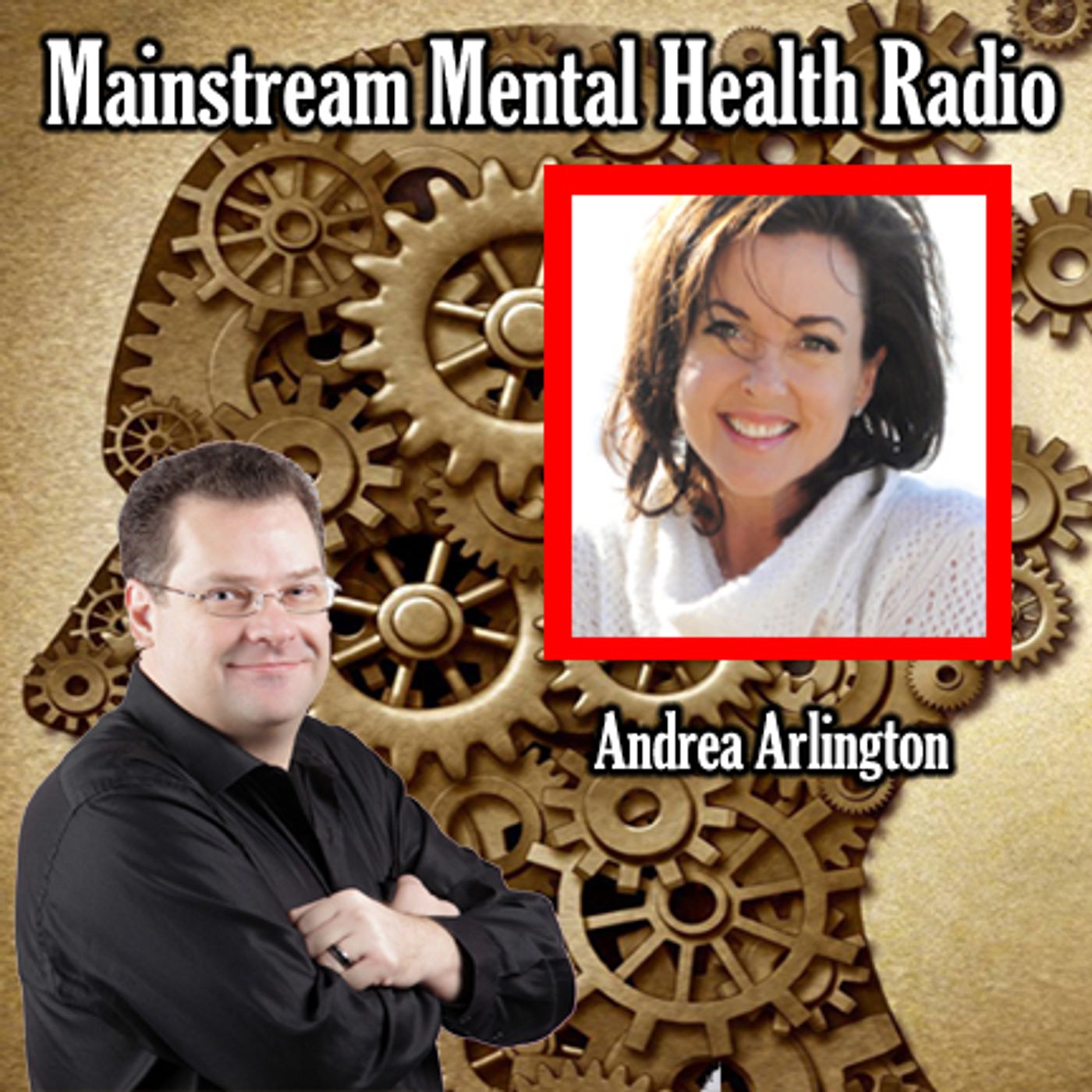
How positive communication techniques help your loved ones recovery with Andrea Arlington
from Mainstream Mental Health · host MHNR Network, LLC
Topic: How positive communication techniques help your loved ones recoveryWebsite: www.FamiliesUnitedforRecovery.comSpeaking Points:Building on well-researched, science based and gentle models of family recovery using positive communication as mini-interventions, I teach parents to use scripts that include language which creates trust, feelings of empathy and compassion and builds connection with our loved one.1. Begin with an affirming/connecting statement. ie: "Honey, I'm so glad to see you this morning." with a warm tone, eye contact and body language. The alternative, not being able to see them due to tragedy, or incarceration, or being homeless makes this statement true, even if you're angry or upset with them. Say it like you mean it and make it count!2. Make an appointment. ie: "I would like to discuss what happened last night, when would be convenient/comfortable for you for you?3. Be Brief - You will lose them if you go on and on. It helps to script your ideas out and practice in front of a mirror or with a partner.4. State facts, -be specific, no opinions, no labels5. Be positive/solution focused- Positive means asking for what you want instead of focusing on what you don't want to. Be supportive and encourage do-able actions instead of being critical and complaining. Being solution focused decreases defensiveness and rebellion and encourages connection and motivation. Instead of, "Stop missing classes", "Make sure you get to class on time."6. Label your feelings - Express your feelings in a way that does not create a negative emotional response in them. There's a huge difference from saying I am so angry at you and you terrified your younger brother, and I'm really frustrated right now and really worried about what I'm seeing.7. Offer an understanding statement - Try reflecting back to your child what they have shared with you about their situation so that they feel heard and understood. This builds empathy which decreases shame and helps create connection.8. Take partial responsibility - Take partial responsibility if possible. This does not mean admitting fault or taking blame but it communicates that we're also working on ourselves and that were in it with them. It takes the focus off of blaming and shows your child that you're interested in moving towards solution as a team.9. Offer to help - Ask them what they think needs to happen next, if they would like help and potentially offer to brainstorm ideas that might be helpful.These steps help keep Truth on the Table, keep healthy conversation and connection happening. This keeps everyone out of denial about what is happening on a daily basis and when handled in a respectful, kind and loving way can help motivate your loved one to choose to reduce substance use or enter treatment.
Embed this episode
NOW PLAYING
How positive communication techniques help your loved ones recovery with Andrea Arlington
No transcript for this episode yet
Similar Episodes
No similar episodes found.
Similar Podcasts
No similar podcasts found.