
EPISODE · May 9, 2026 · 55 MIN
How to enter a gateless gate. Delivered July 6, 1986
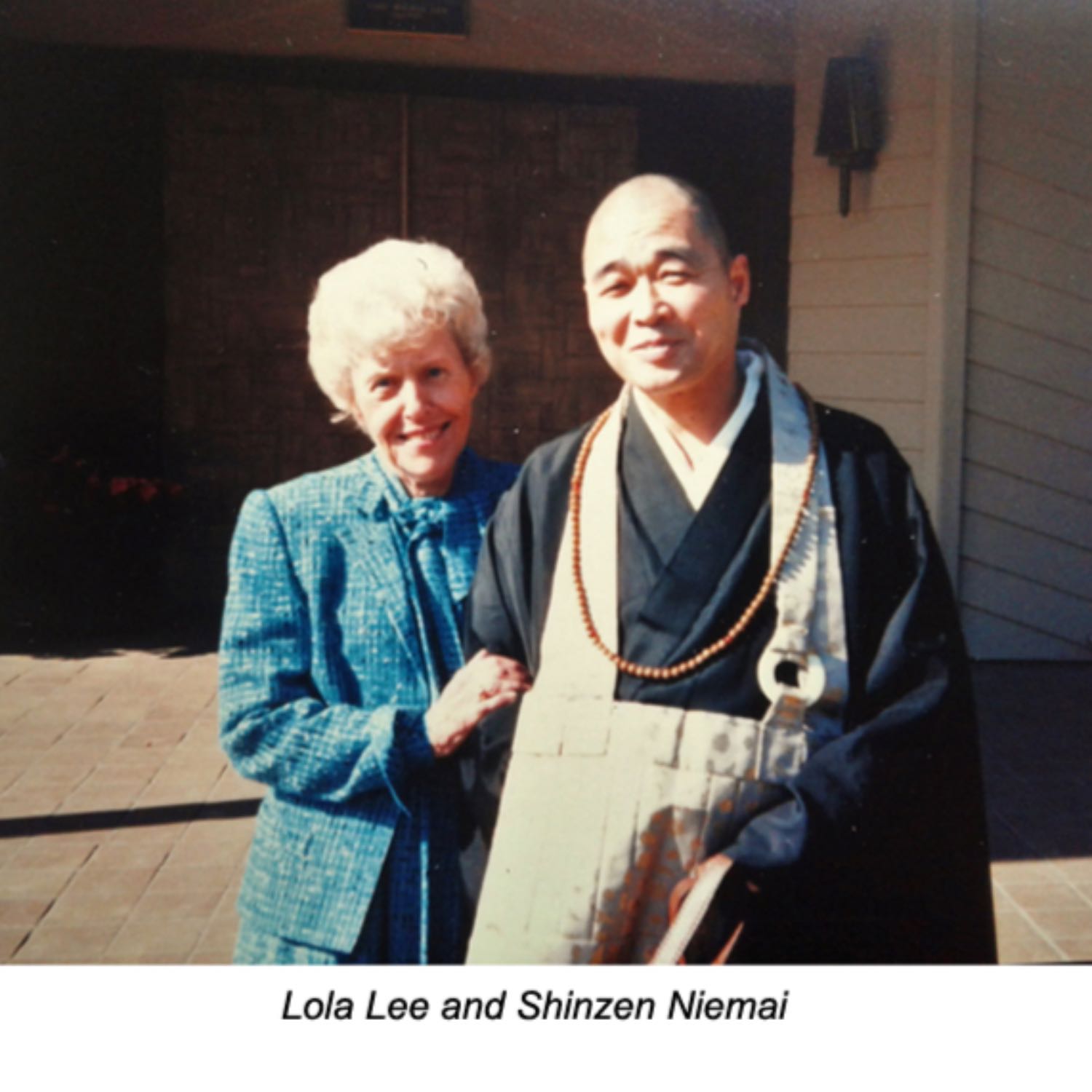
from Talks by Zen Roshi, Lola McDowell Lee
Zen Roshi, Lola McDowell Lee, opens with the core question: How does one enter the gateless gate? Lola points to a mountain stream, suggesting that "listening" is entering. She distinguishes between the someone’s simple interest in Zen and the actual acquisition of a Zen mind.Lola says the spiritual path begins only when the soul moves beyond a mild interest in Zen and raises the question: "Who am I?"This inquiry is described as poking a stick into a beehive—it disturbs thousands of inmates within the psyche, necessitating a new way to deal with the disturbance of selfhood.Lola contrasts psychology with Zen. While psychology attempts to study feelings like fear and insecurity objectively, Zen reverses this process. Zen's method is to experience the subject—subjectively, refusing to be lost in external objects or intellectualized solutions.This shift requires a venturesome spirit and the willingness to let go of the hundred-foot pole of ego-safety.Lola explains that the Bible's instruction to "knock and the door shall be opened" is a call for a decisive, total thrust of one's being against the door of reality, only to find that the gate was gateless from the very beginning. Lola outlines two specific methods of entry: Reason and Conduct.Entrance by Reason involves intense mental focus to realize that one's true nature is identical in all sentient beings. She references Bodhidharma's wall-gazing, explaining that the wall is actually the barrier of our own conditioning. To penetrate this wall is to realize there is neither self nor other.Entrance by Conduct is a four-fold path:1. Requiting hatred through a shift in internal attitude.2. Understanding the Buddha’s chain of causation (from ignorance to death)3. Being obedient to karma by acknowledging inherited biology while seeking the freedom of the non-entity self.4. And finally, not seeking— abandoning the attachment to dualities like praise and blame or summer and winter. Lola calls for radical simplicity and non-attachment, using the famous Zen phrase of chopping wood and carrying water to illustrate that enlightenment doesn't change what one does, but how it is done—from a chore to a natural, beautiful happening.She warns against imitation, noting that one cannot become Christ or Buddha by wearing borrowed clothing or mimicking lifestyles. True innocence and simplicity are states of being, not things to be cultivated through effort.Lola recounts the story of a monk who is invited to live in a king’s palace. The king is surprised how easily the poor monk accepts all his luxuries. Then they reach the border of the kingdom. The king will not leave his kingdom. The monk is perfectly willing to give it all up and leave. That is true freedom and non-attachment. He enjoyed the king's luxurious lifestyle without becoming possessive of it.Non-attachment is a matter of internal attitude rather than external possessions. The path ends where it began: in the Christed consciousnes and the simple recognition of the murmur of the stream as the ultimate entrance. Delivered July 6, 1987
Embed this episode
NOW PLAYING
How to enter a gateless gate. Delivered July 6, 1986
No transcript for this episode yet
Similar Episodes
No similar episodes found.
Similar Podcasts
No similar podcasts found.