
EPISODE · Aug 12, 2026 · 53 MIN
How to Get Booked as a Speaker: Pitch Mistakes to Avoid.
from Professional Speaking: Known. Booked. Paid.
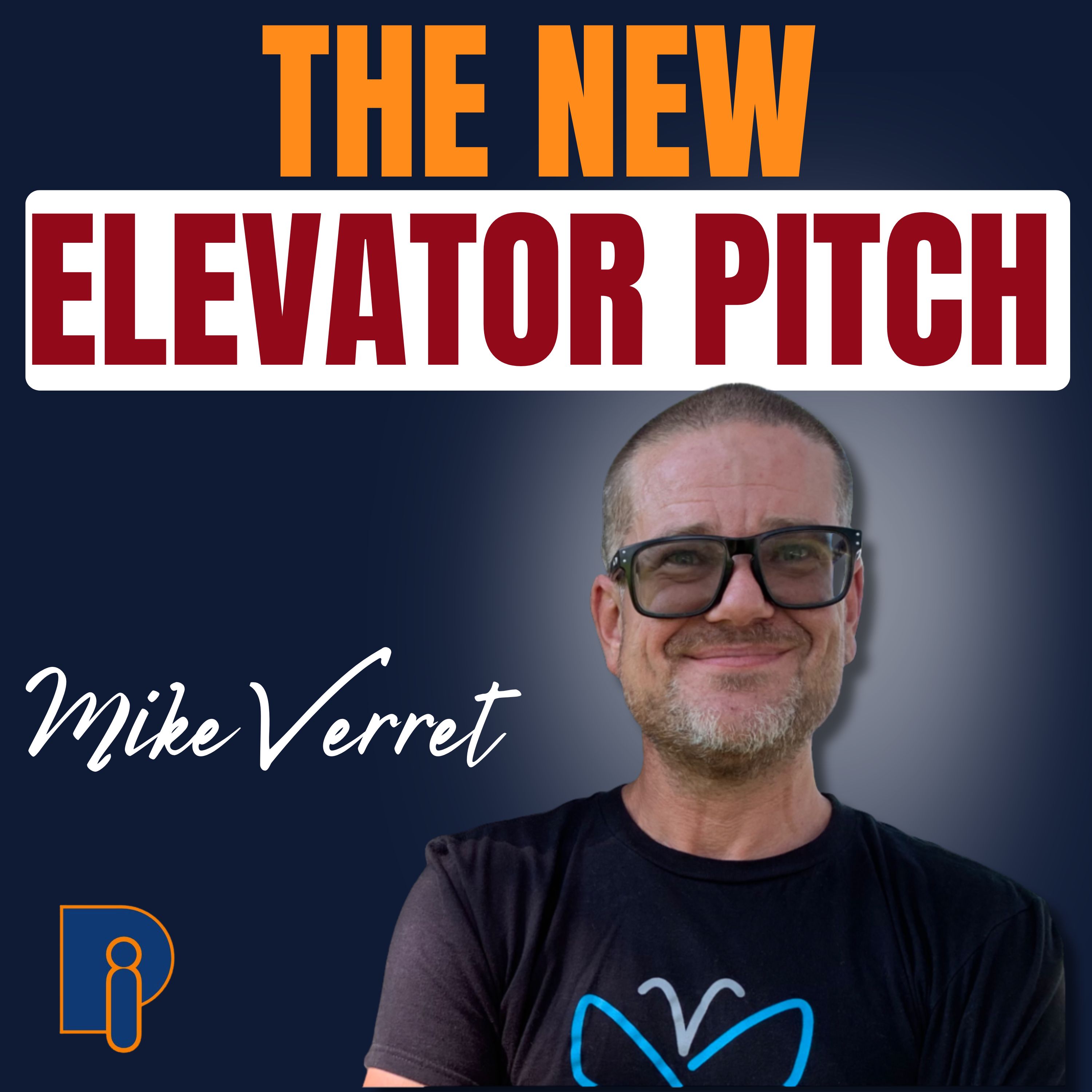
Mike Verret last joined the show in 2021, back when it was still finding its way under a different name. He's back with a sharper, more focused message: the reason most pitches, whether for a speaking gig, a podcast guest slot, or a networking room, fall flat isn't the words. It's that the person pitching is thinking like a business when the person listening is thinking like a human.Mike spent fourteen years in advertising and agency work before six years on-site at Hasbro Toys, where his job flipped from "think like the audience" to "think like the business," and back again once they discovered he could actually talk to a room. That whiplash is where his framework comes from.In this episode, John and Mike cover why an "I help" statement is the fastest way to sound like everyone else on LinkedIn, how to turn an elevator pitch into an eight-floor conversation instead of a monologue, why the order you deliver information in matters more than the information itself, and why AI-written pitches are becoming easier, not harder, for audiences to spot. Mike also shares the Hasbro Monopoly Cheaters Edition story: a single audience insight and three slides that sold 500,000 units.If you've ever frozen up trying to explain what you do in under thirty seconds, or wondered why your polished LinkedIn "I help" line isn't landing bookings, this one's for you.Guest: Mike Verret, founder of Pitch Lab, former agency and Hasbro Toys communications director.Connect with Mike: linkedin.com/in/mike-verretPitch Lab (membership, founding rate $99/month for the first 30 members) connect with Mike on LinkedIn to find out more.Want to check out my chat with Mike from 5 or so years ago? https://player.captivate.fm/episode/5d6eb0be-87a4-427c-b568-7ff34507c7e5/ CHAPTERS00:00 Business vs Human Pitch00:35 Meet Mike Verret04:02 Hasbro Pitch Lessons06:27 Instant Audience Connection10:52 Set Expectations Fast12:23 Pitching Speaking Gigs14:43 Ditch the I Help17:11 Practice for Authenticity18:46 AI Voice Pitfalls24:51 Order Beats Content26:34 Taming the What Ifs28:46 Stop Catastrophizing29:30 Emotion Beats Logic30:03 Curiosity And Closure30:17 Rethinking Elevator Pitches31:42 Eight Floor Pitch Framework34:21 Benefits And Proof36:11 Fixing Bad Guest Pitches40:04 New Offers Pitch Lab43:53 Think Like A Human45:57 Monopoly Cheaters Edition48:18 How To Connect50:38 Wrap Up And Next EpisodesFAQ SectionWhy do most professional speakers' pitches sound the same? Most speakers pitch from a business mindset rather than a human one. They lead with credentials, services, or an "I help X achieve Y" statement, all of which are common phrasing patterns that blend into every other pitch an audience or booker has already heard.What's wrong with the "I help" statement in a LinkedIn bio or pitch? The "I help" opening, sometimes called StoryBrand Mad Libs, is one of the most common ways professionals open a pitch, which means it carries no differentiation. Using verbs like "I guide" or "I assist," or reframing the sentence around the audience's outcome rather than the speaker's service, creates more distinctiveness.Is the elevator pitch still relevant for professional speakers? Yes, but not as a scripted monologue. An effective elevator pitch is structured as a conversation with predictable stages: what you do, who you help, how you help them, the benefit to them, and proof it works. Each stage should prompt the listener to ask a follow-up question rather than switch off.Why do audiences disengage from AI-written pitches and bios? Audiences increasingly recognise AI-generated phrasing, including consistent cadence and punctuation patterns such as em dashes. Once a listener or reader identifies content as AI-written, their engagement and trust in it drops, even if the underlying information came from the person themselves.What causes stage fright before a pitch or presentation? Pre-presentation anxiety is often driven by catastrophic "what if" thinking: imagining unlikely negative outcomes before speaking. Naming this pattern and consciously redirecting attention toward likely positive audience responses reduces its grip.Why does the order of information matter in a pitch? A pitch organised in the order the speaker's business thinks in (services first, credentials first) rarely matches the order an audience needs to understand and retain it. Presenting connection, then problem, then process, then benefit, then proof follows how a listener processes new information, which increases retention.Are you a speaker who wants to be better known, more booked and paid what you're worth? The Known, Booked & Paid Blueprint might be just the ticket. Check out our founding member offer: https://presentinfluence.com/kbpbVisit https://strategic-speaker.scoreapp.com to take the 2-minute Strategic Speaking Business Audit and find out what's blocking you from getting more bookings, re-bookings, referrals and bigger fees. There's a special surprise gift for everyone who completes the quiz.Want to get coached for free on the show? Fill in the form https://forms.gle/mo4xYkEiCjqtz9yP6, and if we think your challenge could help others, we'll invite you on.For speaking enquiries or to connect with me, you can email [email protected] or find me on LinkedInYou can find all our clips, episodes and more on the Present Influence YouTube channel: https://www.youtube.com/@PresentInfluenceThanks for listening. Rating the show 5* on Spotify helps their algo recommend the show, so please take a moment to follow the show and leave a rating.Mentioned in this episode:The Known, Booked & Paid Blueprint (Founding cohort)Get all the information on the Known, Booked & Paid Blueprint at https://presentinfluence.com/kbpb to see if it's the right fit for you.
Embed this episode
NOW PLAYING
How to Get Booked as a Speaker: Pitch Mistakes to Avoid.
No transcript for this episode yet
Similar Episodes
No similar episodes found.
Similar Podcasts
No similar podcasts found.