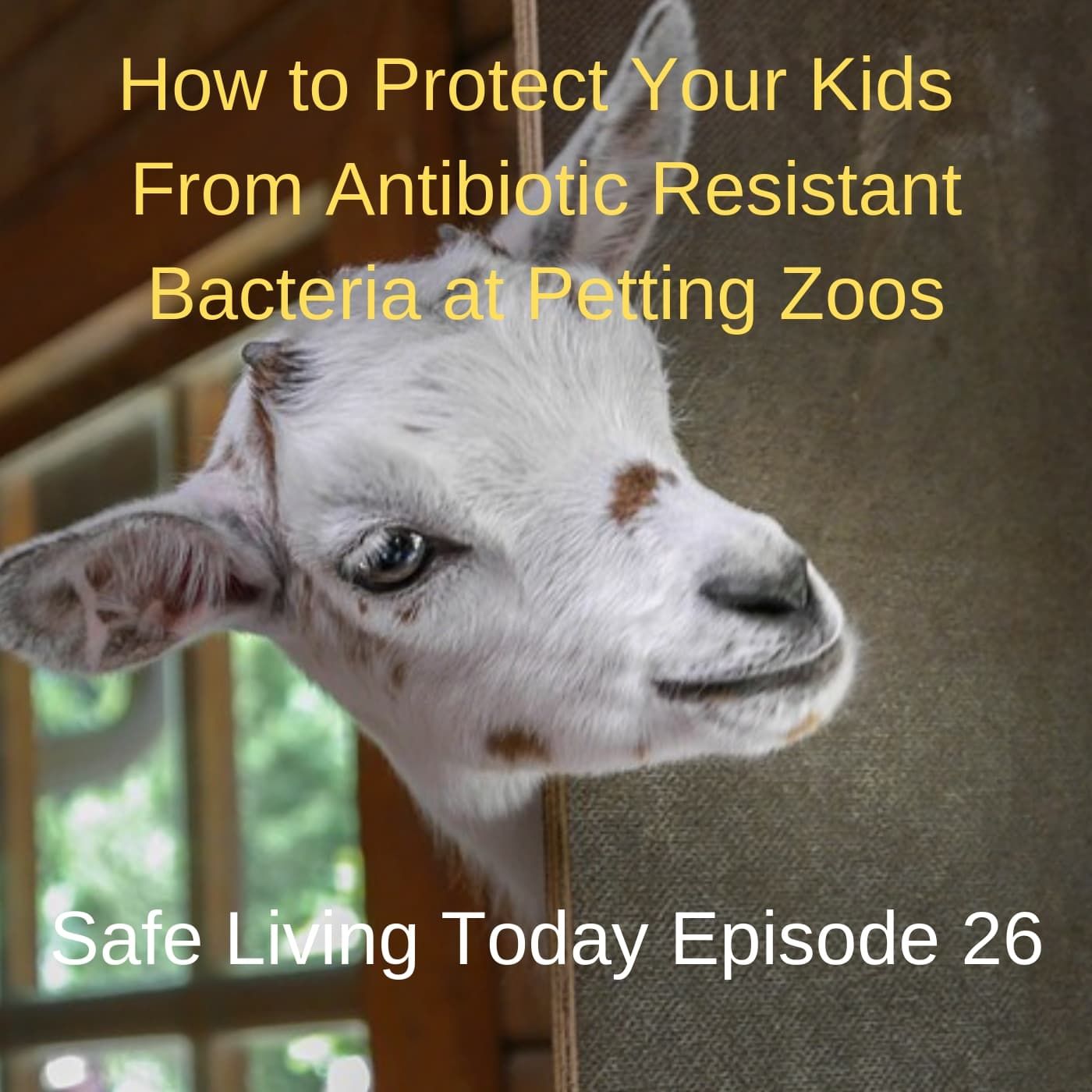
How to Protect Your Kids From Antibiotic Resistant Bacteria at Petting Zoos episode artwork

EPISODE · Apr 23, 2019 · 5 MIN

How to Protect Your Kids From Antibiotic Resistant Bacteria at Petting Zoos

from Healthy and Happy Senior Living · host Stephen Carter

Protect Your Kids at Petting Zoos From Drug Resistant BacteriaShow Notes:A new study finds petting zoos can be breeding grounds for drug resistant bacteria (MDR) including e coli. These bacteria can place anyone touching animals at risk, particularly young children.This study was done by researchers from Ariel University in Israel. They choose eight petting zoos at random, collecting fecal matter samples and swabs from fur, skin, and feathers from 228 animals representing 42 species. Of particular interest were two bacteria types, extended spectrum beta-lactamase (ESBL) and AmpC-producing Enterobacteriaceae (AmpC-E). These bacteria are known to be highly resistant to antibiotics.About 12% of animals were colonized with at least one of the bacterial strains. Researchers discovered 35 bacterial species including two strains of e coli. E coli can cause serious The authors found that nearly 1 in 8 animals (12%) were found to be colonized with at least one of the two antibiotic-resistant bacterial strains, with 35 different recovered species of bacteria. A quarter of animals that tested positive for drug-resistant bacteria had more than one bacterial strain, including two e. coli strains. E coli can cause serious diarrhea and other infections.According to researchers, children are at elevated risk of illness from these pathogens. One of the Researchers Speaks:Professor Shiri Navon-Venezia at Ariel University, one of the researchers, comments,“Our findings demonstrate that animals in petting zoos can result in shedding and transmission of MDR pathogens that may cause illness for human visitors, even when the animals appear healthy,”She continues (note: the professor was identified as "he" in the audio. My apology for the error),“We recognize the high educational and emotional value of petting zoos for children, therefore, we strongly recommend that petting zoo management teams implement a strict hygiene and infection control policy, together with rationalized antibiotic policy, in order to reduce the risk of transmission between animals and visitors.”Common Sense PrecautionsIf you take your kids or grandkids to petting zoos, apply these common sense precautions:- No food or drink consumption by kids until after they have visited and touched all of the animals AND HAVE WASHED THEIR HANDS AND EXPOSED SKIN COMPLETELY.- Don’t let them touch any objects that will be touched by other people during the time they’re interacting with petting zoo animals.- If there is any indication an animal is being treated with antibiotics, don’t let children touch or come near that animal.- As soon as possible, change children’s clothing. Place the clothing items directly in the washer and wash the clothes in hot water and dry with high heat.- Ensure YOU wash your hands and exposed skin after touching clothes worn by children at the petting zoo.For more, “Safe Living Today” episodes, visit us at www.SafeLivingToday.com.Sources and Resources“Petting Zoos May Be Crawling With Drug-Resistant Bacteria, Putting Kids At Risk”. https://www.studyfinds.org/petting-zoos-multi-drug-resistant-bacteria/.European Society of Clinical Microbiology and Infectious Diseases. "Petting zoos could potentially transmit highly virulent drug-resistant bacteria to visitors." ScienceDaily. ScienceDaily, 14 April 2019. www.sciencedaily.com/releases/2019/04/190414111457.htm

Protect Your Kids at Petting Zoos From Drug Resistant BacteriaShow Notes:A new study finds petting zoos can be breeding grounds for drug resistant bacteria (MDR) including e coli. These bacteria can place anyone touching animals at risk, particularly young children.This study was done by researchers from Ariel University in Israel. They choose eight petting zoos at random, collecting fecal matter samples and swabs from fur, skin, and feathers from 228 animals representing 42 species. Of particular interest were two bacteria types, extended spectrum beta-lactamase (ESBL) and AmpC-producing Enterobacteriaceae (AmpC-E). These bacteria are known to be highly resistant to antibiotics.About 12% of animals were colonized with at least one of the bacterial strains. Researchers discovered 35 bacterial species including two strains of e coli. E coli can cause serious The authors found that nearly 1 in 8 animals (12%) were found to be colonized with at least one of the two antibiotic-resistant bacterial strains, with 35 different recovered species of bacteria. A quarter of animals that tested positive for drug-resistant bacteria had more than one bacterial strain, including two e. coli strains. E coli can cause serious diarrhea and other infections.According to researchers, children are at elevated risk of illness from these pathogens. One of the Researchers Speaks:Professor Shiri Navon-Venezia at Ariel University, one of the researchers, comments,“Our findings demonstrate that animals in petting zoos can result in shedding and transmission of MDR pathogens that may cause illness for human visitors, even when the animals appear healthy,”She continues (note: the professor was identified as "he" in the audio. My apology for the error),“We recognize the high educational and emotional value of petting zoos for children, therefore, we strongly recommend that petting zoo management teams implement a strict hygiene and infection control policy, together with rationalized antibiotic policy, in order to reduce the risk of transmission between animals and visitors.”Common Sense PrecautionsIf you take your kids or grandkids to petting zoos, apply these common sense precautions:- No food or drink consumption by kids until after they have visited and touched all of the animals AND HAVE WASHED THEIR HANDS AND EXPOSED SKIN COMPLETELY.- Don’t let them touch any objects that will be touched by other people during the time they’re interacting with petting zoo animals.- If there is any indication an animal is being treated with antibiotics, don’t let children touch or come near that animal.- As soon as possible, change children’s clothing. Place the clothing items directly in the washer and wash the clothes in hot water and dry with high heat.- Ensure YOU wash your hands and exposed skin after touching clothes worn by children at the petting zoo.For more, “Safe Living Today” episodes, visit us at www.SafeLivingToday.com.Sources and Resources“Petting Zoos May Be Crawling With Drug-Resistant Bacteria, Putting Kids At Risk”. https://www.studyfinds.org/petting-zoos-multi-drug-resistant-bacteria/.European Society of Clinical Microbiology and Infectious Diseases. "Petting zoos could potentially transmit highly virulent drug-resistant bacteria to visitors." ScienceDaily. ScienceDaily, 14 April 2019. www.sciencedaily.com/releases/2019/04/190414111457.htm

NOW PLAYING

How to Protect Your Kids From Antibiotic Resistant Bacteria at Petting Zoos

0:00 5:02

No transcript for this episode yet

We transcribe on demand. Request one and we'll notify you when it's ready — usually under 10 minutes.

MG Show MG Show The MG Show, hosted by Jeffrey Pedersen and Shannon Townsend, is a leading alternative media platform dedicated to uncovering the truth behind today’s most pressing political issues. Launched in 2019, the show has grown exponentially, offering unfiltered insights, comprehensive research, and real-time analysis. With a commitment to independent journalism and factual integrity, the MG Show empowers its audience with knowledge and encourages active participation in the political discourse. Breaking News Show | eTurboNews Juergen Thomas Steinmetz News is relevant to the global travel and tourism industry, human rights and global issues.Breaking news when it happens and only from the source. Eat to Live Jenna Fuhrman, Dr. Fuhrman Our health is our most precious gift and smart nutrition can change your life. Each month, join Dr. Fuhrman and his daughter, Jenna Fuhrman as they discuss important topics in the world of nutrition. Eat to Live will change the way you eat and think about food. French Your Way Jessica: Native French teacher founder of French Your Way Boost your French listening skills and test your comprehension with this one of a kind series of podcasts. Get the chance to listen to a real conversation between native speakers talking at normal speed AND customise your learning experience through carefully designed sets of questions (2 levels of difficulty) available for download at www.frenchvoicespodcast.com. All interviews also come with the transcript. French teacher Jessica interviews native speakers of French from around the world who share a bit of their life and passion. Where else would you meet in one same place a French yoga teacher based in Melbourne, a soap manufacturer from Provence, or a couple cycling around the world?

Frequently Asked Questions

How long is this episode of Healthy and Happy Senior Living?

This episode is 5 minutes long.

When was this Healthy and Happy Senior Living episode published?

This episode was published on April 23, 2019.

What is this episode about?

Protect Your Kids at Petting Zoos From Drug Resistant BacteriaShow Notes:A new study finds petting zoos can be breeding grounds for drug resistant bacteria (MDR) including e coli. These bacteria can place anyone touching animals at risk,...

Can I download this Healthy and Happy Senior Living episode?

Yes, you can download this episode by clicking the download button on the episode player, or subscribe to the podcast in your preferred podcast app for automatic downloads.
URL copied to clipboard!