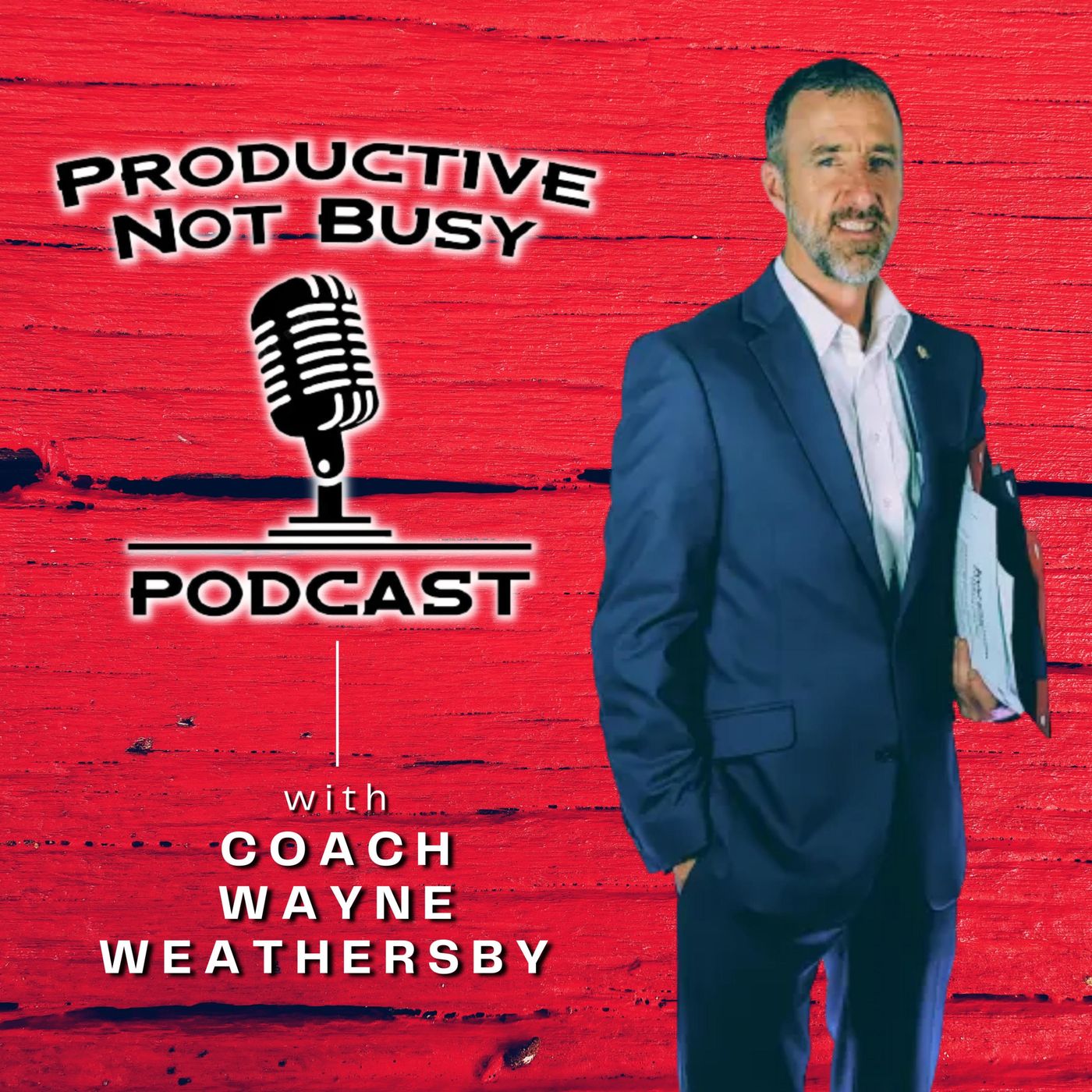
How to stand up to your inner critic! episode artwork

EPISODE · Oct 24, 2022 · 7 MIN

How to stand up to your inner critic!

from Productive Not Busy Podcast · host Wayne Weathersby

The most powerful way of learning to disempower our inner critic is to stand up to it! This approach entails identifying the inner critic, labeling it, observing what it does without judgment, and then letting it go. Whenever we recognize the voice of our inner critic, we may practice thinking “Thank you, inner critic.” When it bombards us with unhelpful thoughts, we can resolve not to take the content of these thoughts too seriously. We may say, “Here is the inner critic again, doing its dirty work.” Even better, come up with a more specific name for it. We could call it the judge, the saboteur, the wolf, the demon, or whatever label fits with the unique ways in which it tends to wreak havoc in our heads. When we observe it in action, we may want to remind ourselves that our thoughts are just words and that our beliefs are just that: beliefs, not facts. They are nothing more than the unhelpful noise of our endlessly chattering minds. We are not those thoughts – we can defuse ourselves from them. There is a massive difference between thinking “I am ugly and stupid,” and thinking “My inner critic suggests I am ugly and stupid.” That way, we can create distance between the thought and us, and observe the thought more objectively. Our inner critics – whatever we may call them – have a powerful influence over our inner lives. They determine not just our overall psychological wellbeing, but also how successful we are. The original function of our critical inner voice was to protect us from danger, but later in life negative self-talk can become a major maladaptive habit with wide-ranging negative repercussions. But merely by noticing and labeling these critical inner voices, and practicing the psychological strategies outlined in this article that resonate most with us, we can significantly weaken their impact. If our inner critic were a person, we would avoid them like the plague. They would no doubt fall into the category of an abuser: someone who systematically erodes our sense of self-worth; who mocks, berates, and demeans us; who constantly says the most horrific things about us and makes us feel small, and miserable. Would we tolerate this kind of talk if it were directed at a child, friend, or someone we love? Why, then, should we accept it as our own grim normality? nner critic bookinner critic worksheetinner critic pdftypes of inner criticwhere does inner critic come fromexamples of inner critic negative thoughts critical inner voice robert firestone life experiences mental health feel ashamed lisa firestone negative self talk cognitive behavioral critical thoughts paying attention negative thoughts critical inner voice robert firestone life experiences mental health feel ashamed lisa firestone negative self talk cognitive behavioral critical thoughts paying attention business coach, business startup, coaching services, business management, business success, social media strategy, business coaches near me, business owners retreat, marketing experts near me, virtual assistant near me --- Support this podcast: https://podcasters.spotify.com/pod/show/wayne-weathersby/support Subscribe today and join a community that’s growing stronger every week. The Productive NOT Busy Podcast isn’t just a show—it’s your playbook for creating momentum, building confidence, and living life on purpose.

The most powerful way of learning to disempower our inner critic is to stand up to it! This approach entails identifying the inner critic, labeling it, observing what it does without judgment, and then letting it go. Whenever we recognize the voice of our inner critic, we may practice thinking “Thank you, inner critic.” When it bombards us with unhelpful thoughts, we can resolve not to take the content of these thoughts too seriously. We may say, “Here is the inner critic again, doing its dirty work.” Even better, come up with a more specific name for it. We could call it the judge, the saboteur, the wolf, the demon, or whatever label fits with the unique ways in which it tends to wreak havoc in our heads. When we observe it in action, we may want to remind ourselves that our thoughts are just words and that our beliefs are just that: beliefs, not facts. They are nothing more than the unhelpful noise of our endlessly chattering minds. We are not those thoughts – we can defuse ourselves from them. There is a massive difference between thinking “I am ugly and stupid,” and thinking “My inner critic suggests I am ugly and stupid.” That way, we can create distance between the thought and us, and observe the thought more objectively. Our inner critics – whatever we may call them – have a powerful influence over our inner lives. They determine not just our overall psychological wellbeing, but also how successful we are. The original function of our critical inner voice was to protect us from danger, but later in life negative self-talk can become a major maladaptive habit with wide-ranging negative repercussions. But merely by noticing and labeling these critical inner voices, and practicing the psychological strategies outlined in this article that resonate most with us, we can significantly weaken their impact. If our inner critic were a person, we would avoid them like the plague. They would no doubt fall into the category of an abuser: someone who systematically erodes our sense of self-worth; who mocks, berates, and demeans us; who constantly says the most horrific things about us and makes us feel small, and miserable. Would we tolerate this kind of talk if it were directed at a child, friend, or someone we love? Why, then, should we accept it as our own grim normality? nner critic bookinner critic worksheetinner critic pdftypes of inner criticwhere does inner critic come fromexamples of inner critic negative thoughts critical inner voice robert firestone life experiences mental health feel ashamed lisa firestone negative self talk cognitive behavioral critical thoughts paying attention negative thoughts critical inner voice robert firestone life experiences mental health feel ashamed lisa firestone negative self talk cognitive behavioral critical thoughts paying attention business coach, business startup, coaching services, business management, business success, social media strategy, business coaches near me, business owners retreat, marketing experts near me, virtual assistant near me --- Support this podcast: https://podcasters.spotify.com/pod/show/wayne-weathersby/support Subscribe...

NOW PLAYING

How to stand up to your inner critic!

0:00 7:45

No transcript for this episode yet

We transcribe on demand. Request one and we'll notify you when it's ready — usually under 10 minutes.

That Hoarder: Overcome Compulsive Hoarding That Hoarder Hoarding disorder is stigmatised and people who hoard feel vast amounts of shame. This podcast began life as an audio diary, an anonymous outlet for somebody with this weird condition. That Hoarder speaks about her experiences living with compulsive hoarding, she interviews therapists, academics, researchers, children of hoarders, professional organisers and influencers, and she shares insight and tips for others with the problem. Listened to by people who hoard as well as those who love them and those who work with them, Overcome Compulsive Hoarding with That Hoarder aims to shatter the stigma, share the truth and speak openly and honestly to improve lives. The Small Business Startup School – Business Notes | Financial Literacy | Retail Psychology – For Professionals & Entrepreneurs The Small Business Startup School Inc. Starting or buying a small business? While personal circumstances may vary, business patterns remain timeless. On The Small Business Startup School, we explore strategies, insights, and practical solutions to help entrepreneurs confidently navigate their journey.Hosted by Ola Williams—a retail entrepreneur, fintech founder, and financial coach with over two decades of experience—this podcast marries financial awareness and retail psychology with optimism to deliver actionable takeaways.Join us to learn, grow, and connect as we uncover the keys to business success.Let’s continue to learn together and be encouraged to keep on connecting! HOMELAND HOMELAND The Church is a body not a building. It's the bride of Jesus Christ! Jesus is coming back for a mature bride. That means it's time for the church of Jesus Christ to move from milk to meat. This is the hour of maturity!HOMELAND is an announcement that the church is being set free. Only the church has the ability to transform the world. The kingdom's of this world will become the kingdoms of our Lord and Savior!All of creation has been waiting for this moment! Sons and daughters of God are rising up and taking their seat! DIOSA. Carolina Sanper This podcast is a sacred space created by Carolina Sanper where you connect with your inner wisdom and embody your magnetic feminine power.It is the realization that the mystical realm is where you plant the seeds of your desired reality.It is a portal to your true essence: awareness, presence, and receiving with ease. Welcome home, DIOSA. 🖤

Frequently Asked Questions

How long is this episode of Productive Not Busy Podcast?

This episode is 7 minutes long.

When was this Productive Not Busy Podcast episode published?

This episode was published on October 24, 2022.

What is this episode about?

The most powerful way of learning to disempower our inner critic is to stand up to it! This approach entails identifying the inner critic, labeling it, observing what it does without judgment, and then letting it go. Whenever we recognize the voice...

Can I download this Productive Not Busy Podcast episode?

Yes, you can download this episode by clicking the download button on the episode player, or subscribe to the podcast in your preferred podcast app for automatic downloads.
URL copied to clipboard!