
EPISODE · Jun 9, 2026 · 1H 16M
I Thought I Was Studying Literature. I Was Wrong (E204)
from El Podcast · host Jesse Wright, El Podcast, El Podcast Media, Liza Libes
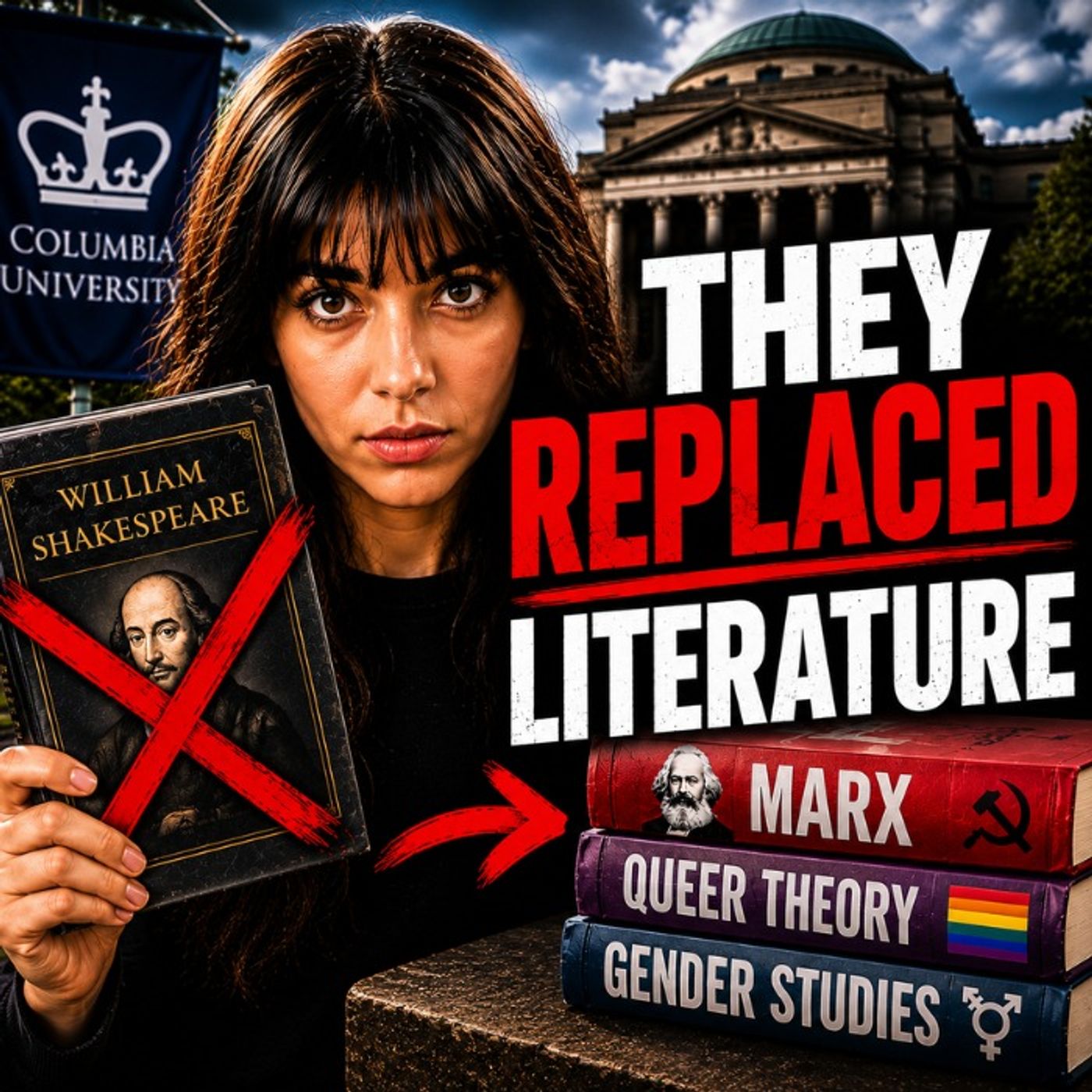
Writer and Columbia English graduate Liza Libes argues that modern English departments and publishing houses have replaced the study of literature with ideology, leaving classic works filtered through political theories rather than literary analysis. Guest Bio Liza Libes is a writer, entrepreneur, and creator of the Substack Pens and Poison, where she explores literature, culture, publishing, higher education, and the political forces shaping the humanities. A Columbia University English graduate, she writes extensively about the decline of literary education and the future of reading and writing. Topics Discussed Columbia University's English department Shakespeare and ideological literary criticism Pronouns, identity politics, and campus culture Marxism in literature curricula Why college turns students toward socialism The role of Karl Marx, Judith Butler, and Edward Said in English departments The decline of the Western literary canon The modern publishing industry's ideological capture Why many contemporary novels fail commercially Self-publishing vs traditional publishing AI, ChatGPT, and the future of writing Favorite books, authors, and poets The value of studying English in the AI age Main Points English departments increasingly teach theory rather than literature. Students are often taught Marxist, post-colonial, gender, and identity theories before engaging deeply with the texts themselves. Literary interpretation has become ideologically constrained. Libes argues students are rewarded for repeating approved interpretations rather than developing their own. Marxist and critical theory dominate many humanities programs. Marx, Judith Butler, and Edward Said occupy a central place in many literature courses. Universities create self-reinforcing ideological systems. Professors train students who later become professors, editors, agents, and publishing gatekeepers. Publishing mirrors academia. The same ideological preferences found in English departments often determine which books get published and promoted. Many award-winning contemporary novels have little cultural impact. Literary prestige increasingly comes from institutional approval rather than broad readership. The publishing industry misunderstands its audience. Publishers focus heavily on narrow demographic trends while ignoring many serious readers. AI is making writing more important, not less important. Strong writing will become a premium skill because it reflects clear thinking and original thought. Reading great literature remains essential. Literature connects readers to enduring human experiences that transcend politics. There is still hope for the English major. The solution is not abandoning literature but reclaiming it from ideological capture. Top 3 Quotes 1. "English departments teach ideology rather than literature." 2. "The only way to become a great writer was to read great literature." 3. "If you can write substantially better than the AI, you will be a rare commodity on the job market." Books Discussed Literature & Fiction A Midsummer Night's Dream Twelfth Night The Merchant of Venice The Taming of the Shrew Metamorphoses Pale Fire Lolita The Unbearable Lightness of Being Anna Karenina The Brothers Karamazov Giovanni's Room Beloved Catch-22 Nonfiction / Theory The Communist Manifesto Das Kapital The Strange Death of Europe Recommended by Liza The World of Yesterday Poets Discussed T. S. Eliot John Keats Samuel Taylor Coleridge Philip Larkin Sylvia Plath William Ernest Henley Podcast Theme in One Sentence A wide-ranging conversation about how ideology transformed literature departments, reshaped publishing, and why reading and writing may become even more valuable in the age of 🎙 The Pod is hosted by Jesse Wright💬 For guest suggestions, questions, or media inquiries, reach out at https://elpodcast.media/📬 Never miss an episode – subscribe and follow wherever you get your podcasts.⭐️ If you enjoyed this episode, please rate and review the show. It helps others find us. Thanks for listening!
Embed this episode
What this episode covers
Liza Libes went to Columbia expecting to study Shakespeare and the great works of literature. Instead, she found an English department increasingly focused on ideology, sparking a discussion about higher education, publishing, AI, and whether the literary world has lost sight of literature itself.
NOW PLAYING
I Thought I Was Studying Literature. I Was Wrong (E204)
No transcript for this episode yet
Similar Episodes
No similar episodes found.
Similar Podcasts
No similar podcasts found.